Search Results for: heat resistant cement for high heat

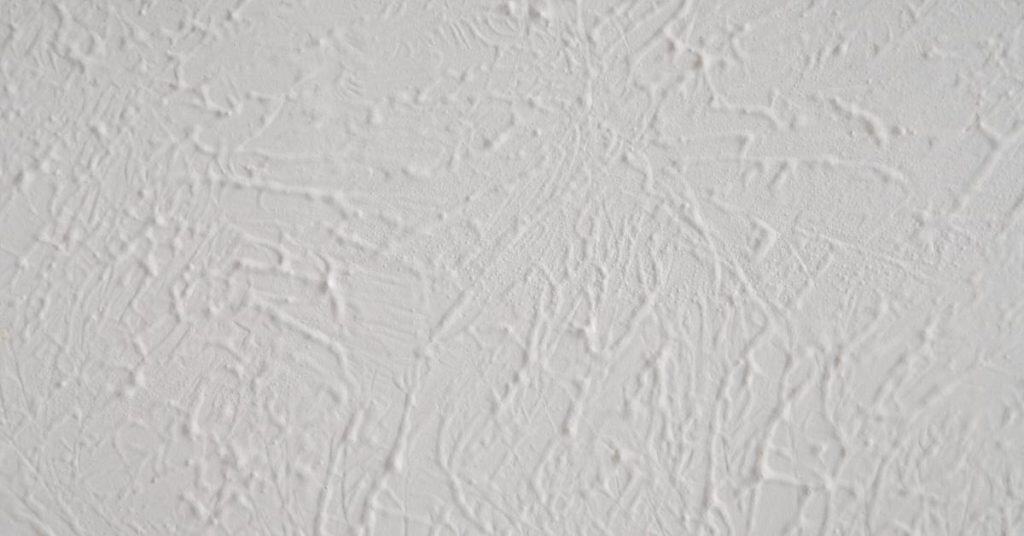
close-up of white textured stucco wall surface

How to Identify Your Stucco Type (Traditional, Acrylic, Eifs) Before Repairing

Introduction Identifying your stucco type means distinguishing traditional cement or lime-based stucco from acrylic and EIFS. Traditional stucco is usually cement-based, acrylic uses polymers, and EIFS adds an insulated finish. Check the surface feel, appearance, and any labeling to confirm the type before starting repairs. Have the right tools and materials on hand, including scrapers, […]

How to Identify Your Stucco Type (Traditional, Acrylic, Eifs) Before Repairing Read More »

Hand with glove applying stucco using metal trowel on wall

Stucco System Breakdown: 3-Coat Vs 1-Coat Vs Eifs (What You’re Actually Getting)

Introduction Three-coat stucco is the traditional layered plaster finish built up in separate coats over a lath or substrate. In practical terms, it yields a durable, textured look when done right. It’s labor intensive and relies on proper substrate prep, mixing, and careful control of cracking and finish work. One-coat systems combine base and finish

Stucco System Breakdown: 3-Coat Vs 1-Coat Vs Eifs (What You’re Actually Getting) Read More »

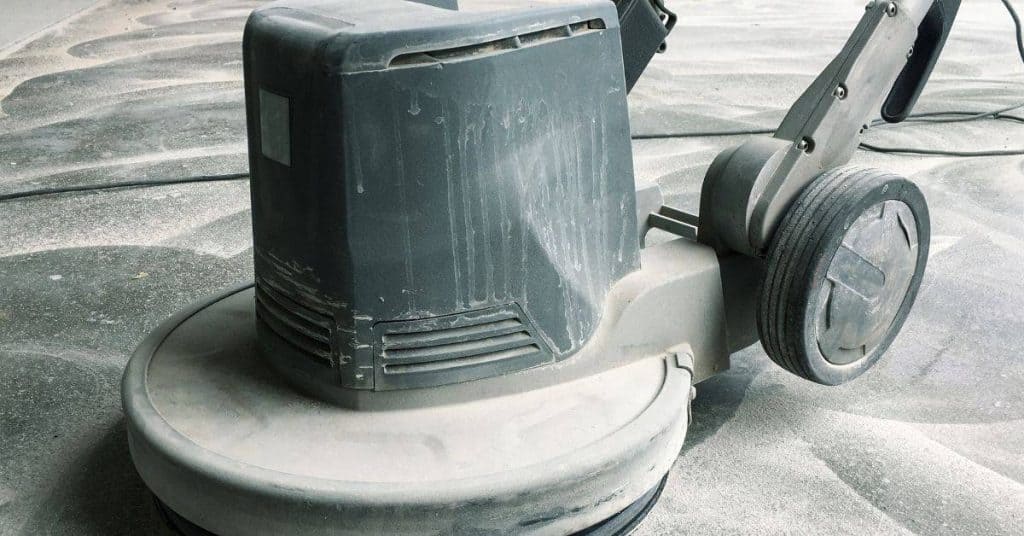
Close-up of a concrete floor grinding machine

How to Cure Concrete with Plastic Sheeting Without Leaving Blotches

Introduction Plastic sheeting can keep concrete moist and prevent blotchy curing. This method works by sealing out drafts and rain while letting the surface stay damp. It’s a simple DIY trick you can do right after pour, as long as you follow safety and manufacturer guidance. Protecting fresh concrete from rain and wind should start

How to Cure Concrete with Plastic Sheeting Without Leaving Blotches Read More »

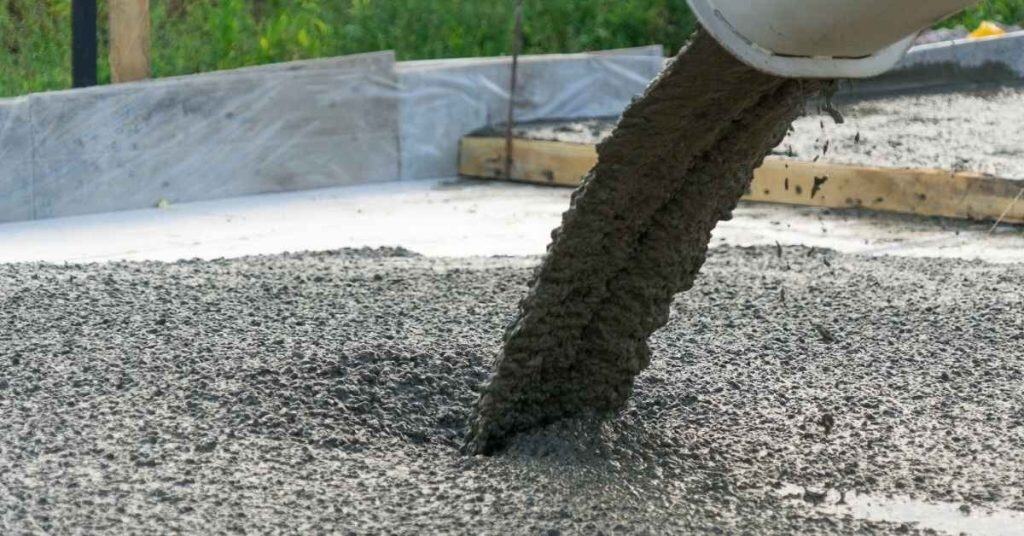
Fresh concrete pouring from mixer onto slab

How to Protect Fresh Concrete from Frost, Wind, and Sun (Curing Blankets and More)

Introduction Protecting fresh concrete means keeping it warm enough to cure evenly and shielding it from drying too fast. To do this, follow the product instructions, local specs, and use the curing methods that fit your site. Check labels for temperature guidance and any restrictions before you start. Prepare the work area by clearing wind

How to Protect Fresh Concrete from Frost, Wind, and Sun (Curing Blankets and More) Read More »

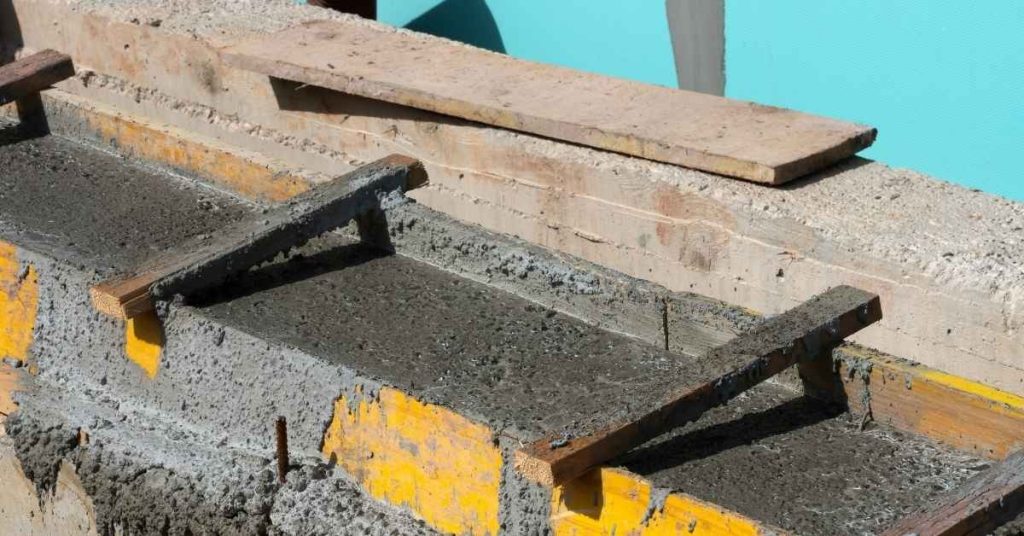
Fresh concrete poured into wooden formwork outdoors

Concrete Pour in the Rain: What to Do Before, During, and After

Introduction Pouring concrete in rain is risky and generally not advised. Weather can affect strength and finish, so plan for dry conditions if possible. If rain is unavoidable, check local guidelines and follow manufacturer and code instructions. Protect the mix, forms, and tools from direct rain and keep the work area as dry as possible.

Concrete Pour in the Rain: What to Do Before, During, and After Read More »

Hand holding vinyl floor planks over wood surface

What Type of Flooring Is Best for My Home?: Problems Explained: Causes, Testing, and Fixes

Introduction Choosing the right flooring starts with moisture, subfloor, and how you live in the space. There isn’t one universal best option; you pick what fits your basement or crawlspace, concrete slab, or plywood subfloor and your daily use. This article walks you through common moisture problems, how they start, and practical fixes you can

What Type of Flooring Is Best for My Home?: Problems Explained: Causes, Testing, and Fixes Read More »

Person painting wall corner with roller brush

Essential Tools for Painting Rooms: Problems Explained: Causes, Testing, and Fixes

Introduction This article explains the essential painting tools and how they help you handle common room problems. It covers causes, testing, and fixes in plain, hands-on language for DIY homeowners. You’ll see what to check on tools and how to test fixes in a real job. You’ll get practical tips on choosing brushes, rollers, scrapers,

Essential Tools for Painting Rooms: Problems Explained: Causes, Testing, and Fixes Read More »

Paint roller applying gray paint on white wall

How to Paint and Finish Correctly (DIY Steps + Stop Rules)

Introduction Painting and finishing correctly means preparing the surface, choosing the right finish, and applying it evenly while protecting surrounding areas. Key takeaways Inspect surfaces for peeling paint and moisture before priming or sealing. Choose primer for substrate and stain-blocking needs per label guidelines. Sand edges and smooth substrate to prevent paint irregularities. Apply thin

How to Paint and Finish Correctly (DIY Steps + Stop Rules) Read More »

Close up of clean white ceramic floor tiles with grout lines

How to Clean Floor Tile Grout Without Scrubbing (Problems Explained: Causes, Testing, and Fixes)

Introduction Cleaning floor tile grout without scrubbing means removing stains from the grout lines using gentler methods that don’t require heavy scrubbing. This article explains common grout problems after installation, why they happen, and how to test simple fixes in plain, practical terms. You’ll find practical steps you can try with common household items and

How to Clean Floor Tile Grout Without Scrubbing (Problems Explained: Causes, Testing, and Fixes) Read More »

Close-up of white textured plaster wall surface

Drywall Alternatives (Problems Explained: Causes, Testing, and Fixes)

Introduction Drywall alternatives are other wall materials you can use when traditional drywall isn’t the best fit for a room or budget. They include options like panels or boards that can be easier to install, repair, or finish in real-world projects. This intro keeps it practical and hands-on, focusing on what to expect and how

Drywall Alternatives (Problems Explained: Causes, Testing, and Fixes) Read More »