Search Results for: heat resistant cement for high heat

Person cutting white vinyl flooring with a knife and metal ruler

2025 Flooring Trends to Leave Behind (Problems Explained: Causes, Testing, and Fixes)

Introduction This article explains which flooring trends from 2025 are best left behind and why. Trends often fail due to moisture, wear, or installation mistakes, and we’ll show how these problems show up, how to test for underlying causes, and safe, practical fixes you can do yourself. This is a hands-on, plain-language guide you can

2025 Flooring Trends to Leave Behind (Problems Explained: Causes, Testing, and Fixes) Read More »

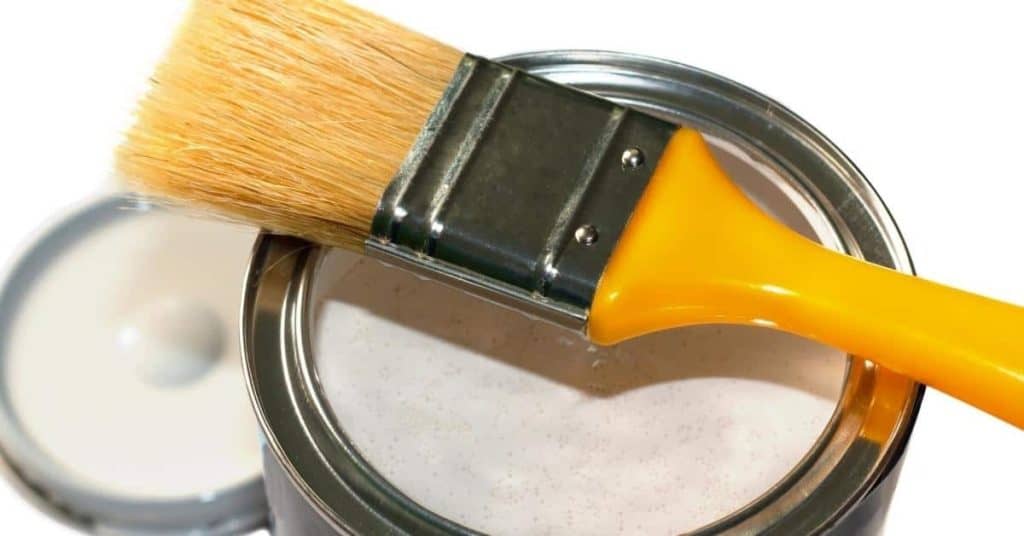
Paintbrush resting on open can of white paint

Items to Never Paint (Problems Explained: Causes, Testing, and Fixes)

Introduction Items you should never paint are surfaces that typically fail or trap moisture when coated. Common culprits include bare metal prone to corrosion, non-porous surfaces that don’t bond well, and materials that can emit fumes or moisture underneath a coat. In this article you’ll learn why these surfaces cause problems, how to test for

Items to Never Paint (Problems Explained: Causes, Testing, and Fixes) Read More »
Open paint cans filled with various bright colors

What Paint Colors Instantly Upgrade a Living Room (Problems Explained: Causes, Testing, and Fixes)

Introduction Paint colors can instantly upgrade a living room by changing mood, light reflection, and how the space reads. As a hands-on DIY job, start with the room’s lighting and size, then pick a color family that fits. Test swatches on large poster boards and in multiple corners before committing to a finish and sheen.

What Paint Colors Instantly Upgrade a Living Room (Problems Explained: Causes, Testing, and Fixes) Read More »

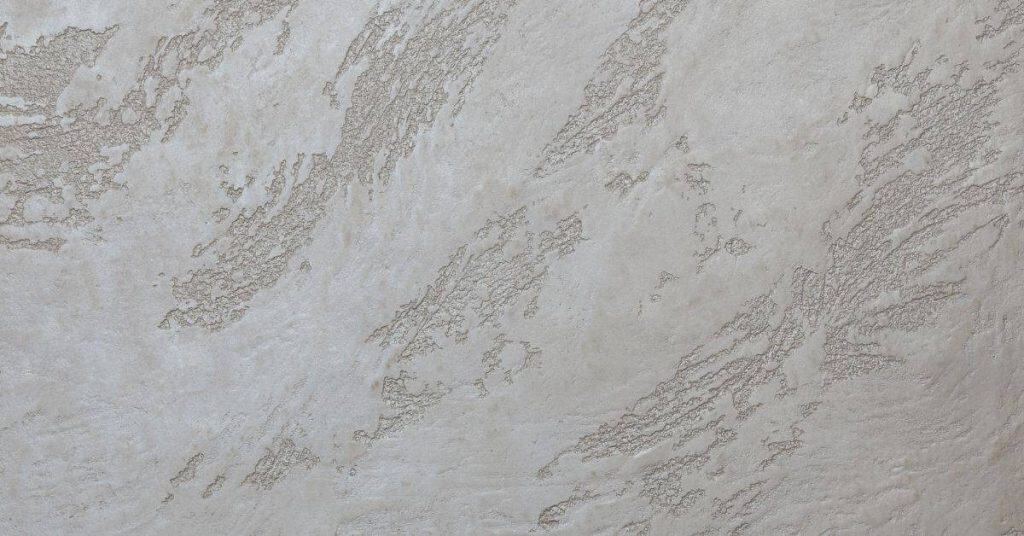
close-up of textured plaster wall with subtle sheen

Primers for Plaster Before Paint: What Stops Suction and Gives Uniform Sheen

Introduction Primers for plaster before paint are coatings that seal the surface and even out suction so paint goes on smoothly. In plain words, you dampen any dry areas, fill small flaws, and create a uniform base. Choose a primer labeled for plaster and follow the label for surface prep and drying times. Prepare the

Primers for Plaster Before Paint: What Stops Suction and Gives Uniform Sheen Read More »

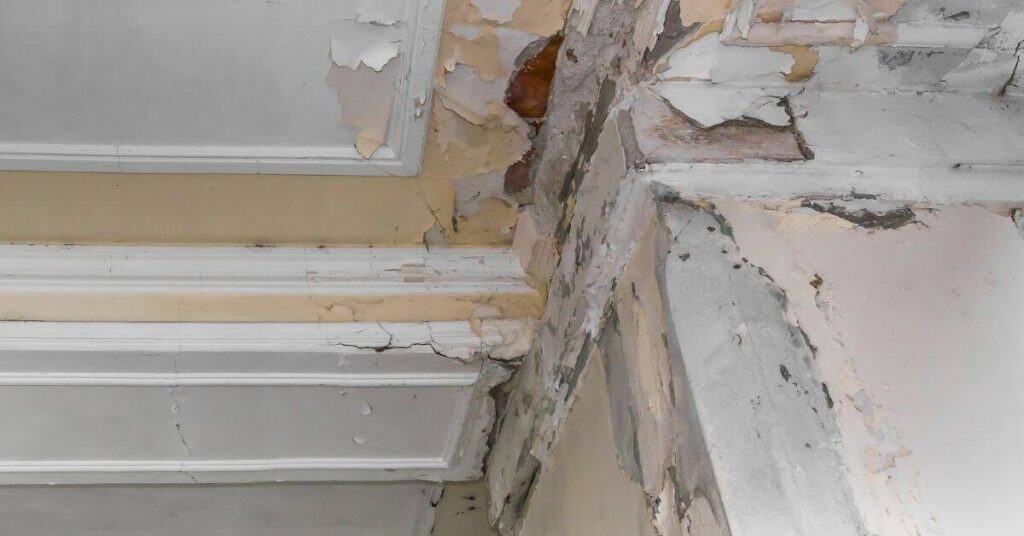
Cracked and peeling plaster near ceiling and crown molding

Repairing Water-Damaged Plaster: Drying Steps and What Must Be Cut Out

Introduction Repairing water-damaged plaster means removing the wet, compromised material and drying the area before patching. You should cut out all obviously damaged plaster and lath, and then dry the wall cavity with ventilation and heat as needed. Stay alert for mold, structural clues, and electrical hazards, and follow safe practices on the job site.

Repairing Water-Damaged Plaster: Drying Steps and What Must Be Cut Out Read More »

Worker applying plaster to wall with trowel and hawk

Plaster and Vapor: Where Breathability Matters in Older Walls

Introduction Breathable plaster and finishes are materials that allow moisture to move through walls while still providing a solid, decorative surface. In practical DIY terms, that means choosing coatings that don’t seal the wall airtight, so old walls can dry out after moisture events. This matters most on older homes with lime or clay components

Plaster and Vapor: Where Breathability Matters in Older Walls Read More »

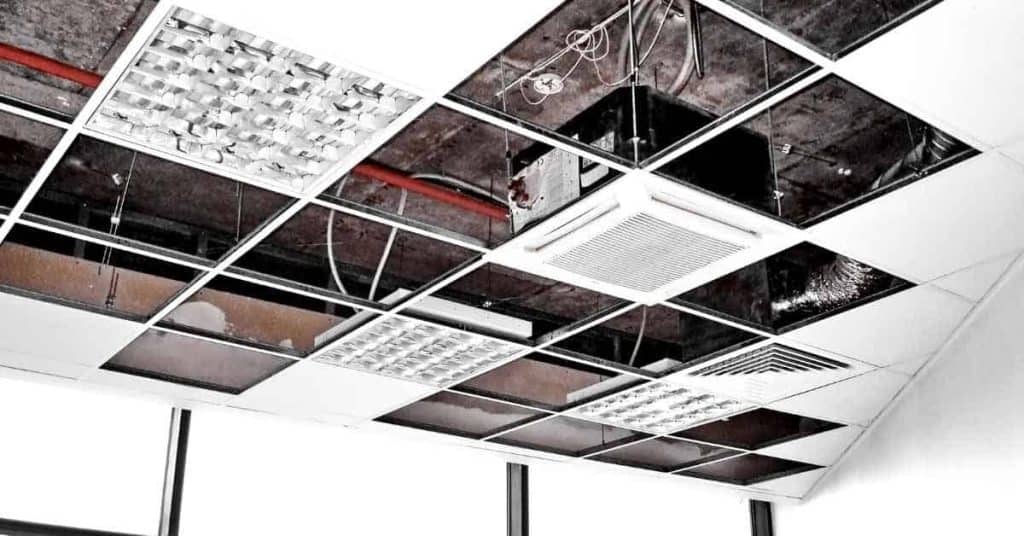
Drop ceiling grid with missing and installed tiles

Tile Tenting: Why Floors Pop and How to Prevent It During Install

Introduction Tile tenting happens when a floor under the tile lifts or pushes up, creating a tent-like shape. This is usually caused by movement in the subfloor or improper adhesive setup during install. Starting a repair requires finding the source and reworking the substrate and setting materials. Preventing tenting starts with solid prep: fix any

Tile Tenting: Why Floors Pop and How to Prevent It During Install Read More »

Hands wearing gloves mixing colored pigments in plastic cups

Working Time Control: Small-Batch Mixing – A Step-by-Step Timeline to Avoid Overworking It

Introduction Time management is crucial when working with concrete, especially for large projects. Overworking the mix can lead to poor results and wasted materials. This guide walks you through a step-by-step timeline to help you control working time effectively. By understanding how long each stage takes, you’ll be able to plan your work efficiently, avoid

Working Time Control: Small-Batch Mixing – A Step-by-Step Timeline to Avoid Overworking It Read More »