Search Results for: heat resistant cement for high heat

rusty masonry trowel with wooden handle on white background

Choosing Caulk for Masonry Joints: Polyurethane vs Hybrid vs Silicone Where Each Wins

Introduction Polyurethane, hybrid, and silicone caulks each have different strengths for masonry joints, and the right choice depends on movement, exposure, and adhesion. In practice, ‘caulk’ and ‘sealant’ are terms you’ll hear used for similar products, but the key is how much they can stretch and how well they grip masonry. This article walks through […]

Choosing Caulk for Masonry Joints: Polyurethane vs Hybrid vs Silicone Where Each Wins Read More »
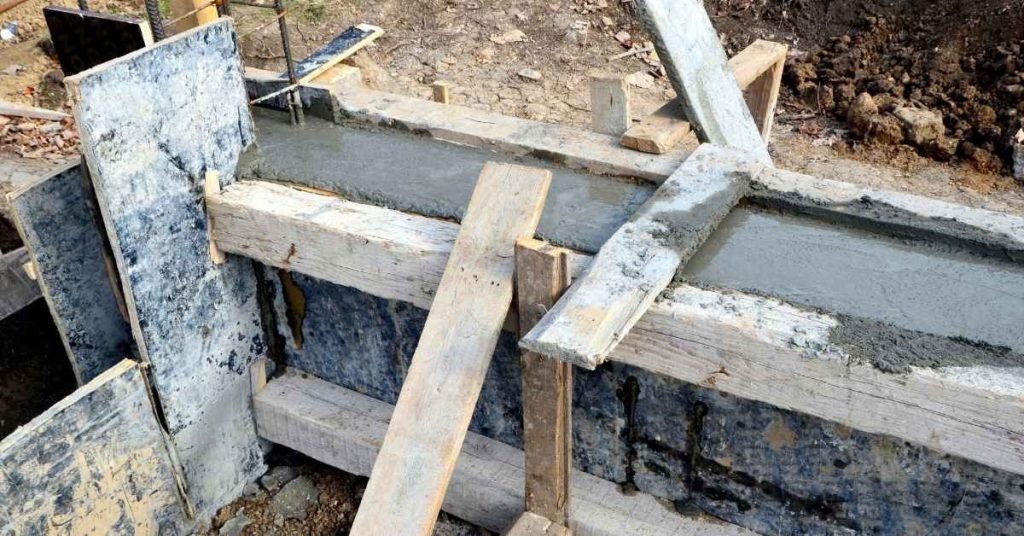
Wooden braces supporting concrete forms during pouring

How to Brace Tall Forms for Hydrostatic Pressure: A Practical DIY Design Check

Introduction Bracing tall forms against hydrostatic pressure means preventing movement and failure by anchoring and tying the forms securely. This introduction walks you through practical checks you can do on site, without heavy jargon or guesswork. Keep the focus on stability, simplicity, and safety as you set up supports. Before you pour, check that your

How to Brace Tall Forms for Hydrostatic Pressure: A Practical DIY Design Check Read More »

Concrete countertop with integrated sink and black faucet

How to Avoid Rebar Shadowing on Thin Countertops: Cover, Pigment, and Sealing Strategies

Introduction Rebar shadowing on thin countertops happens when embedded metal rebar or mesh shows through the surface. This article explains practical ways to prevent that by using proper cover, pigment strategy, and sealing steps. Always verify manufacturer instructions and local rules for materials and installation before you start. Cover techniques focus on keeping the metal

How to Avoid Rebar Shadowing on Thin Countertops: Cover, Pigment, and Sealing Strategies Read More »

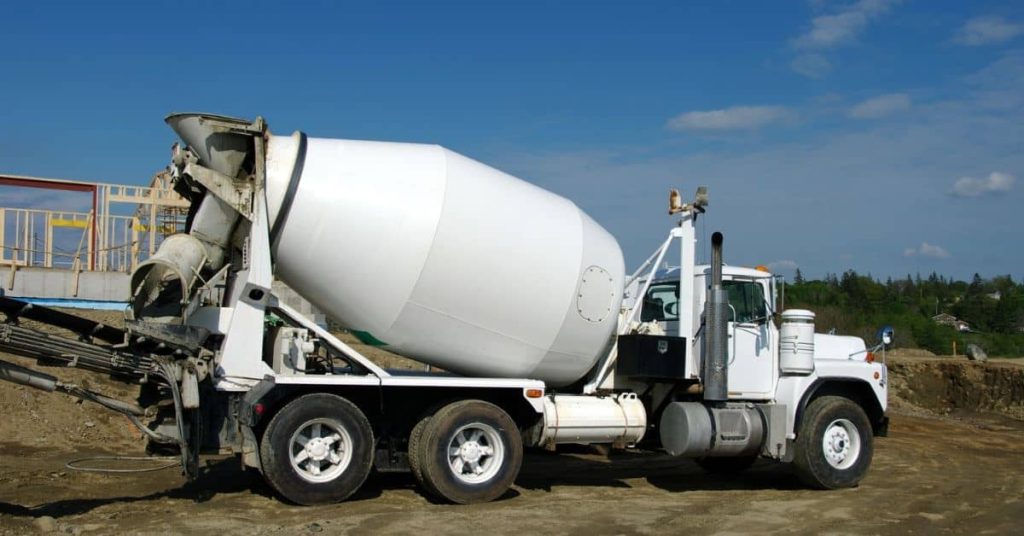
White concrete mixer truck at a construction site

Cold-Weather Mixing Station Setup: Keeping Water, Bags, and Tools Above Freezing

Introduction Cold-Weather Mixing Station Setup means keeping water, bags, and tools above freezing. In practice, you’ll set up a small, sheltered area and plan for material handling so everything stays usable in cold weather. Frost resistance of bags, containers, and tools is worth confirming before you set up the station. Check the product labels or

Cold-Weather Mixing Station Setup: Keeping Water, Bags, and Tools Above Freezing Read More »

Three construction workers discussing a building plan indoors

Hot-Weather ‘Shade Plan’ for Pours: Tents, Misting, and Wind Screens That Don’t Backfire

Introduction A hot-weather shade plan for pours uses tents, misting, and wind screens to control heat and evaporation. Set up coverings to cut direct sun and keep the mix from drying too fast, but avoid creating stagnant air that slows curing. Check local rules and product labels for placement and safety. Use tents tall enough

Hot-Weather ‘Shade Plan’ for Pours: Tents, Misting, and Wind Screens That Don’t Backfire Read More »

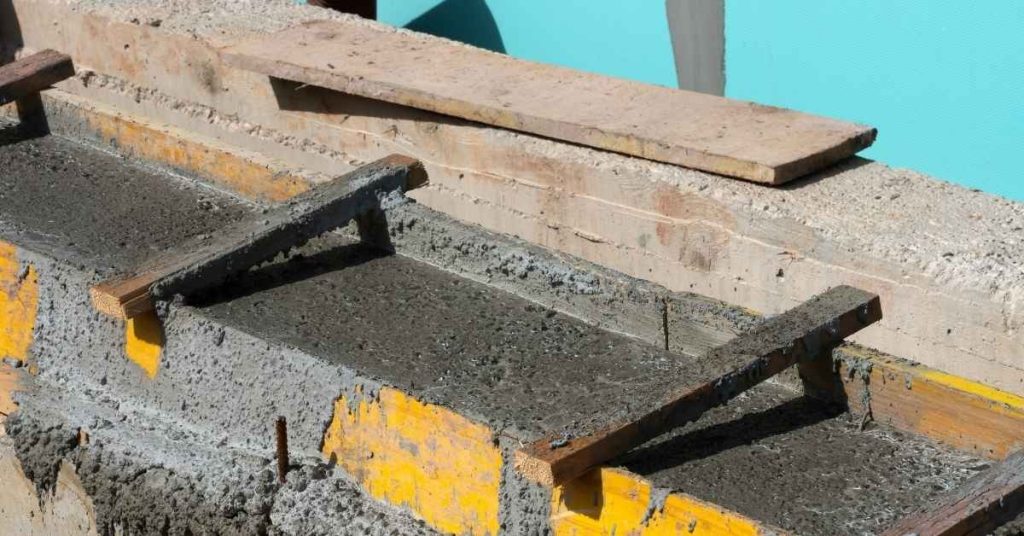
Freshly poured concrete in wooden formwork outdoors

Dealing With Surprise Rain Mid-Pour: What to Cover, What to Keep Working, and What to Redo

Introduction Rain mid-pour can ruin fresh concrete; cover, protect, and resume safely. Protect exposed areas with appropriate coverings, don’t work on wet concrete, and check forms for any change. After rain, inspect for surface defects, damp spots, or set delays before continuing. Resume pouring only when conditions are right and you follow the coating and

Dealing With Surprise Rain Mid-Pour: What to Cover, What to Keep Working, and What to Redo Read More »

Close-up of stucco render partially covering fiberglass mesh

EIFS Impact Damage Prevention: Mesh Weights, Additional Layers, and Vulnerable Zone Detailing

Introduction EIFS impact damage prevention means using proper mesh weights, extra applications, and careful detailing in vulnerable zones to resist impact. As a DIYer, you’ll focus on securing the base coat mesh, adding layers as allowed, and outlining high-risk areas. Always check the product label and local rules for what’s allowed. Start by identifying vulnerable

EIFS Impact Damage Prevention: Mesh Weights, Additional Layers, and Vulnerable Zone Detailing Read More »

Weathered pink stucco wall with discoloration and patches

Acrylic Finish Coats (Synthetic Stucco): When They’re Appropriate and How to Avoid Plastic-Looking Patches

Introduction Acrylic finish coats are a synthetic stucco layer applied to exterior walls for a hard, weather-resistant surface. They’re appropriate when you want a durable, low-maintenance outer coat that can flex with shifting framing. Choose a system that matches your substrate and climate, and verify guidance from the manufacturer or local rules. The installation steps

Acrylic Finish Coats (Synthetic Stucco): When They’re Appropriate and How to Avoid Plastic-Looking Patches Read More »

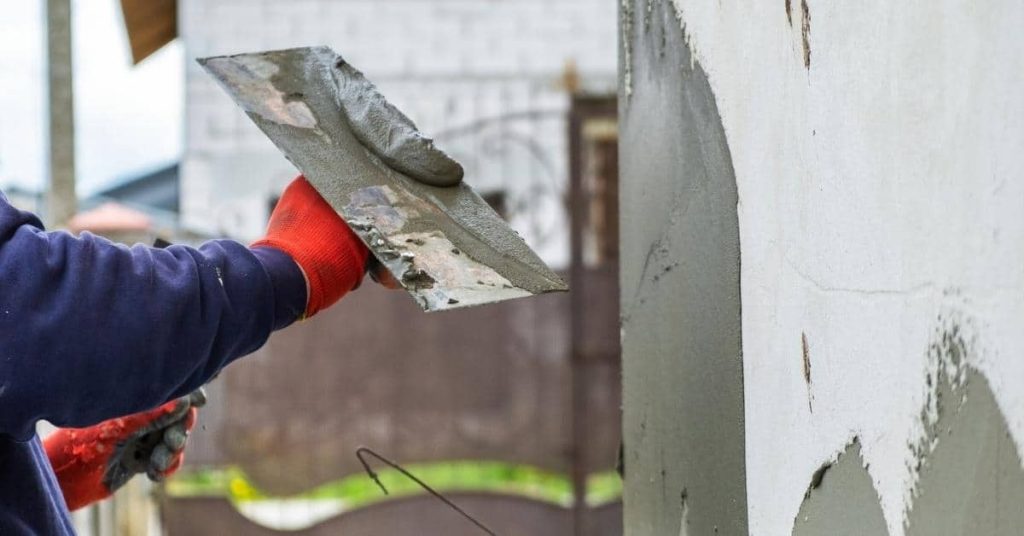
Worker applying stucco with a trowel on exterior wall

Integrally Colored Stucco Finish Coats: Batching, Water Control, and Fade Resistance

Introduction Integrally colored stucco finish coats are cement-based mixes with color added during batching so the color runs through the material. This article focuses on how batching, water control, and fade resistance affect a DIY project. You’ll learn practical steps you can take on a jobsite to keep the color even and the finish durable.

Integrally Colored Stucco Finish Coats: Batching, Water Control, and Fade Resistance Read More »