Search Results for: grinding

Different Types of Concrete Finishes: DIY Best Practices + Quick Checks

Different Types of Concrete Finishes: DIY Best Practices + Quick Checks

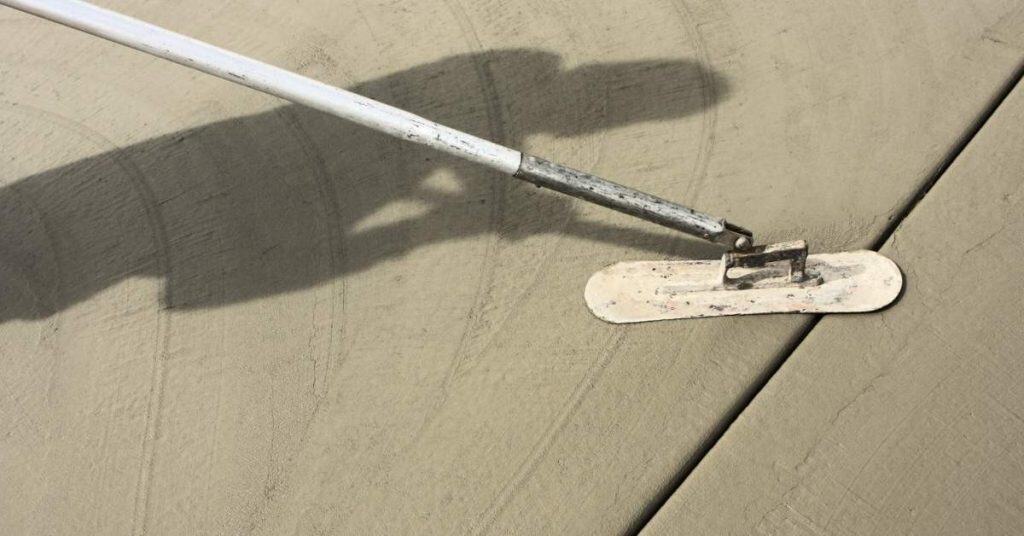
Introduction This article helps you identify common concrete finishes and apply them confidently for durable, attractive results. You’ll learn practical steps, tips, and quick checks you can perform during preparation and finishing to ensure quality and consistency. Key takeaways Assess concrete pH and moisture before finishing to prevent adhesion failures. Use a proper surface profile: […]

Different Types of Concrete Finishes: DIY Best Practices + Quick Checks Read More »

Concrete Block Pavement: DIY Basics + Pro Tips for Better Results

Concrete Block Pavement: DIY Troubleshooting Guide – Symptoms & Fixes

Introduction The duration of your concrete block pavement project can vary greatly depending on several factors. Understanding the timeline and breaking down the process into manageable stages will help you plan effectively and achieve better results. In this guide, we’ll walk you through the step-by-step process, focusing on how long each stage takes, so you

Concrete Block Pavement: DIY Troubleshooting Guide – Symptoms & Fixes Read More »

Concrete Finish Types: DIY Guide, Tools, and Common Mistakes

Concrete Finish Types: DIY Guide, Tools, and Common Mistakes

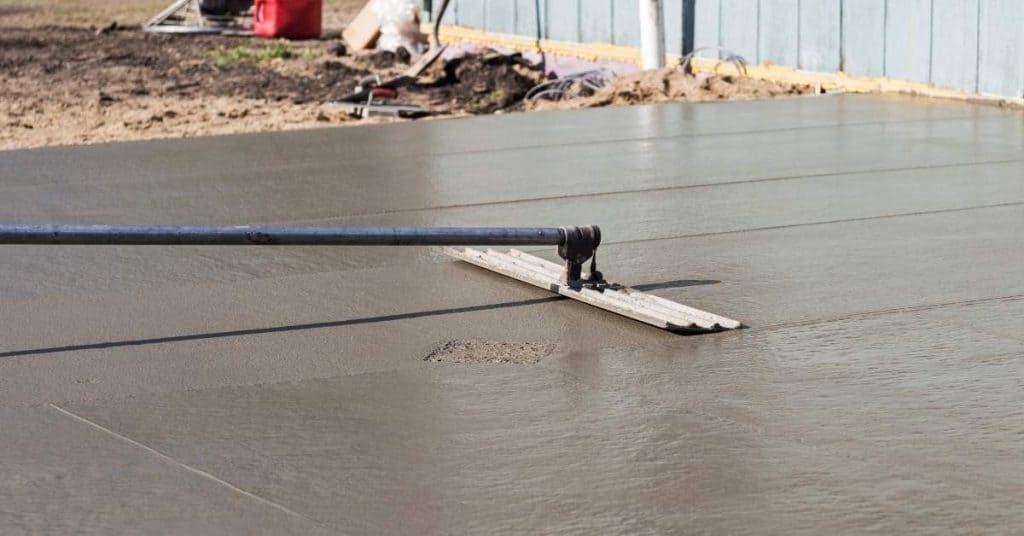
Introduction This guide explains the main concrete finish types and how to choose the right approach for DIY projects. You’ll learn practical steps, tips, and rules of thumb for applying finishes, avoiding common mistakes, and achieving durable results. Key takeaways Proper surface prep ensures consistent finish and prevents cracking during curing. Use maintenance-friendly sealers suited

Concrete Finish Types: DIY Guide, Tools, and Common Mistakes Read More »

Tensile Strength of Concrete: DIY Best Practices + Quick Checks

Tensile Strength of Concrete: DIY Troubleshooting Guide — Symptoms & Fixes

Introduction Concrete rarely fails because a homeowner can identify a low “tensile-strength number” at home. More often, the warning signs are cracks, a dusty or soft surface, scaling, hollow-sounding areas, loose anchors, or concrete that dried too quickly after placement. Start by making the area safe, documenting what you see, and separating a cosmetic surface

Tensile Strength of Concrete: DIY Troubleshooting Guide — Symptoms & Fixes Read More »

Translucent Concrete: Materials, Steps, and Mistakes to Avoid

DIY Translucent Concrete: Make a Nonstructural Test Panel

Introduction DIY translucent concrete is best treated as a small, decorative, nonstructural interior test panel—not as a substitute for an engineered wall, floor, façade, stair, guard, or building panel. Commercial products are typically proprietary prefabricated systems: for example, Litracon describes light-transmitting concrete made with fine concrete and optical fibers, alongside a separate proprietary plastic-unit panel

DIY Translucent Concrete: Make a Nonstructural Test Panel Read More »

Slab to Slab Construction: DIY Guide, Tools, and Common Mistakes

Slab to Slab Construction: DIY Guide, Tools, and Common Mistakes

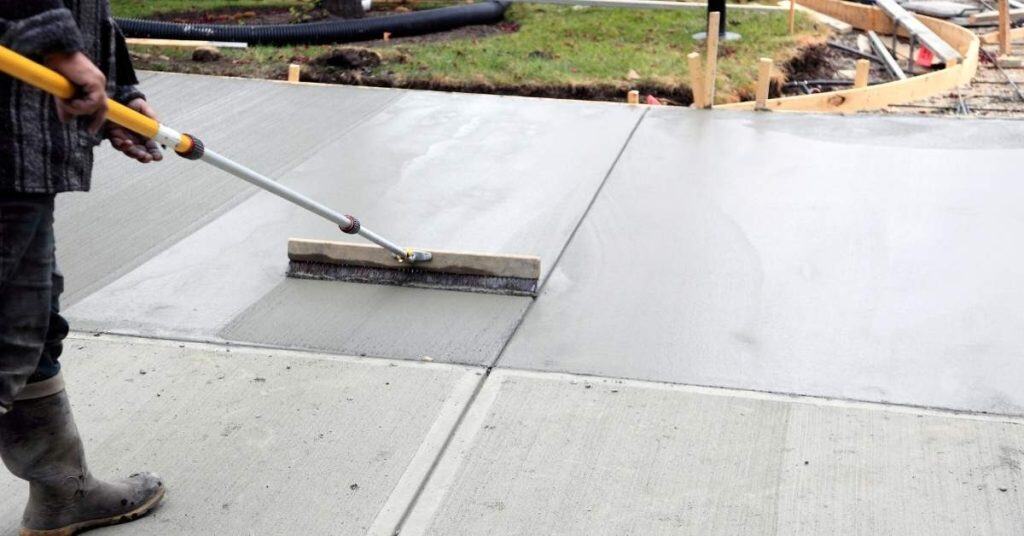
Introduction Slab to Slab Construction provides a practical approach for building continuous, durable concrete slabs. This guide walks you through planning, site preparation, formwork, and pour sequencing, so you know what to expect at each step. You’ll learn practical tips for achieving a level surface, proper curing, and avoiding common pitfalls in DIY slab projects.

Slab to Slab Construction: DIY Guide, Tools, and Common Mistakes Read More »

Underlayment for Tile on Concrete Slab: DIY Guide, Tools, and Common Mistakes

Tile Underlayment on Concrete: When You Need It and How to Prepare the Slab

Introduction Tile can be bonded directly to a concrete slab when the slab is sound, clean, adequately flat for the tile, within the selected system’s moisture limit, and accepted by the mortar and tile manufacturers. Underlayment is not automatically required. Use an underlayment or membrane only when it solves a documented need: crack isolation, uncoupling,

Tile Underlayment on Concrete: When You Need It and How to Prepare the Slab Read More »

Rainwater Harvesting: Diy Basics + Pro Tips for Better Results

Rainwater Harvesting: DIY Basics + Pro Tips for Better Results

Introduction Rainwater harvesting is the DIY practice of collecting and storing rainwater to use for irrigation and other non-potable needs. You’ll learn practical setup steps, safety basics, and pro tips to improve reliability and efficiency. The guide walks you through choosing a system, installing components, and maintaining it to get better results with real-world, no-fluff

Rainwater Harvesting: DIY Basics + Pro Tips for Better Results Read More »

Worker pouring concrete over rebar on construction site

Concrete’s Carbon Footprint: Practical Ways Diyers Can Reduce It

Introduction Concrete’s carbon footprint can be reduced by choosing low-impact materials, optimizing mix design, and adopting smarter on-site practices. You’ll learn practical steps, tips, and real-world considerations for DIY projects to lower emissions without sacrificing strength or durability. Key takeaways Choose low-carbon cement blends and incorporate fly ash or slag where available. Plan mix designs

Concrete’s Carbon Footprint: Practical Ways Diyers Can Reduce It Read More »

Paint Color Trends: Picks That Age Well + Easy At-home Tests

Paint Color Trends: Picks That Age Well + Easy At-home Tests

Introduction Color choices that age well stay stylish longer and adapt to changing decor. This guide explains how to select timeless hues and use simple at-home tests to preview how they look in your space. You’ll walk through practical tips for evaluating undertones, testing finishes, and applying color in different rooms to achieve durable, cohesive

Paint Color Trends: Picks That Age Well + Easy At-home Tests Read More »