Search Results for: grinding

Two construction workers wearing orange safety vests planning on a blueprint

Noise and Dust Planning for Concrete Work in Tight Neighborhoods

Introduction Noise and dust planning is the practical process of limiting sound and airborne particles during concrete work in tight neighborhoods. It focuses on scheduling, methods, and equipment choices that keep neighbors and crews safer. Think of it as a step-by-step plan you implement on site to reduce disturbance. In residential areas, concrete work can […]

Noise and Dust Planning for Concrete Work in Tight Neighborhoods Read More »
Yellow crane lifting precast concrete panels outdoors

Concrete Around Pools: Slip Resistance, Heat, and Barefoot Comfort

Introduction Concrete around pools should be slip resistant, cool underfoot, and comfortable for barefoot use. This article explains, in plain language, how those goals show up on a pool deck and what you can practically look for. In practice, you’ll want textures and finishes that grip when wet and feel pleasant in hot sun. Check

Concrete Around Pools: Slip Resistance, Heat, and Barefoot Comfort Read More »

Closeup of freshly poured concrete surface with smooth texture

Backyard Sports Courts in Concrete: Slope, Joints, and Surface Options

Introduction A backyard concrete sports court is a flat, durable surface designed for recreational games. Getting the slope, joints, and surface texture right matters for playability and longevity. This intro covers practical choices and what to check during construction, from drainage to curing. Plan for a vapor barrier where moisture could affect the slab over

Backyard Sports Courts in Concrete: Slope, Joints, and Surface Options Read More »

white concrete pump boom arm over metal railing of landing

Rebuilding Old Concrete Landings: When to Overlay and When to Start Over

Introduction Overlaying is applying a new concrete surface on top of an existing landing when the slab is solid and the structure is sound. Start over when there are extensive cracks, hollow spots, or signs of movement that would undermine a new layer. Assessing condition is the first step before choosing overlay or replacement. Evaluate

Rebuilding Old Concrete Landings: When to Overlay and When to Start Over Read More »

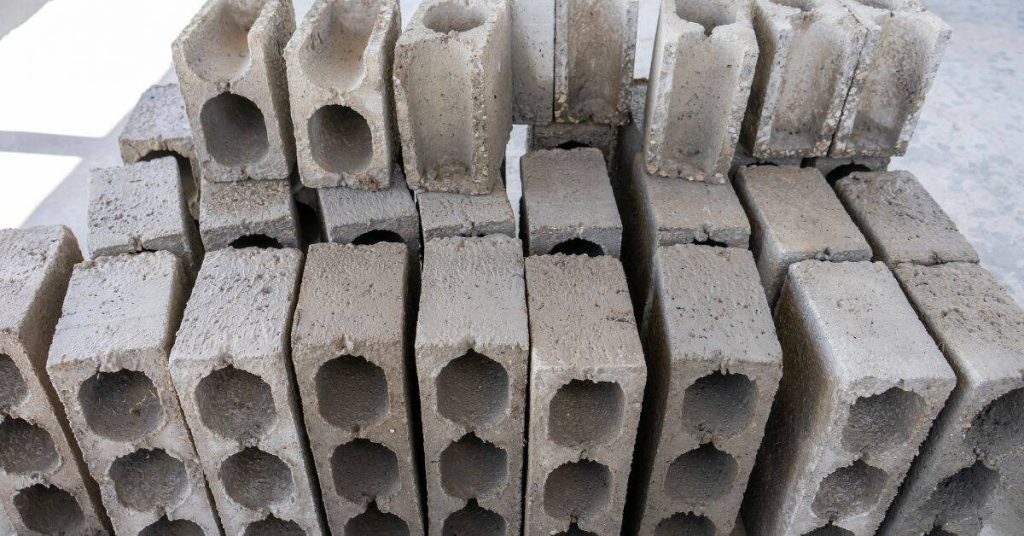
stacked hollow concrete blocks in various shapes and sizes

Knee pads and kneeboards on concrete slabs: when they save finishes and when they ruin texture

Introduction Knee pads and kneeboards are protective and guiding tools used on concrete slabs to cushion joints and protect the surface. They can help finishes stay clean by preventing gouges, but improper use can mar textures or leave indentations. Choose pads and boards that fit your knee height and project needs, and adjust as you

Knee pads and kneeboards on concrete slabs: when they save finishes and when they ruin texture Read More »

red earmuffs clear safety goggles and work gloves

Hearing protection in concrete and masonry cutting work: choosing plugs vs muffs for real-world use

Introduction Hearing protection is gear worn to reduce exposure to loud noise during concrete and masonry cutting work. It includes devices placed in or over the ears to lower sound levels reaching the inner ear. In real-world jobs, comfort, fit, and how long you’ll be exposed matter as much as the device type you choose.

Hearing protection in concrete and masonry cutting work: choosing plugs vs muffs for real-world use Read More »

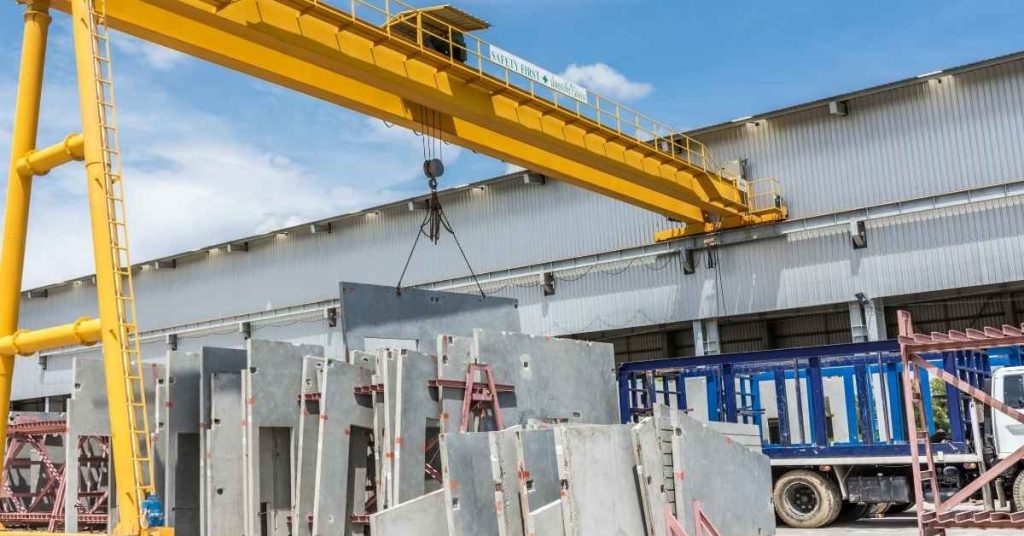
Precast concrete wall panels stored outdoors under cloudy sky

Concrete dust respirator habits: storage, filter changes, and staying protected on off-and-on tasks

Introduction Concrete dust respirator habits are the routines you follow to store, maintain, and use your respirator so you stay protected when working with dusty concrete. Store it in a clean, dry place and inspect seals and straps before each use. Check manufacturer instructions for any care steps and avoid exposing the respirator to extreme

Concrete dust respirator habits: storage, filter changes, and staying protected on off-and-on tasks Read More »

Close-up of various concrete drill bits arranged on a surface

Turning a cheap shop vac into a concrete and masonry silica setup: what works, what’s a false sense of safety

Introduction A cheap shop vac is not a proper silica dust containment or filtration system for concrete and masonry work. It can help with light cleanup but it does not reliably protect you from fine dust exposure. Use it only for basic cleanup and verify what it can and cannot do by checking the product

Turning a cheap shop vac into a concrete and masonry silica setup: what works, what’s a false sense of safety Read More »

Corded orange and black angle grinder on concrete floor

Wet saw vs grinder for brick and block: cut quality, dust, and speed tradeoffs

Introduction Wet saws cut brick and block with water cooling and a fixed blade, offering dust control and different cut quality than grinders. A grinder can cut faster on rough brick or block but tends to produce more dust and less precise edges unless a careful technique and guard are used. Check the blade type,

Wet saw vs grinder for brick and block: cut quality, dust, and speed tradeoffs Read More »

Yellow corded electric drill with masonry bit on wooden surface

Cutoff saw choices for masonry and concrete: gas vs electric and what changes for indoor work

Introduction Cutoff saw choices for masonry and concrete are about selecting gas or electric power and understanding how that choice affects indoor use. This introduction explains what to expect from each option, how it changes your setup, and what to check before you begin. You’ll want to follow manufacturer instructions and local rules for safe

Cutoff saw choices for masonry and concrete: gas vs electric and what changes for indoor work Read More »