Search Results for: grinding

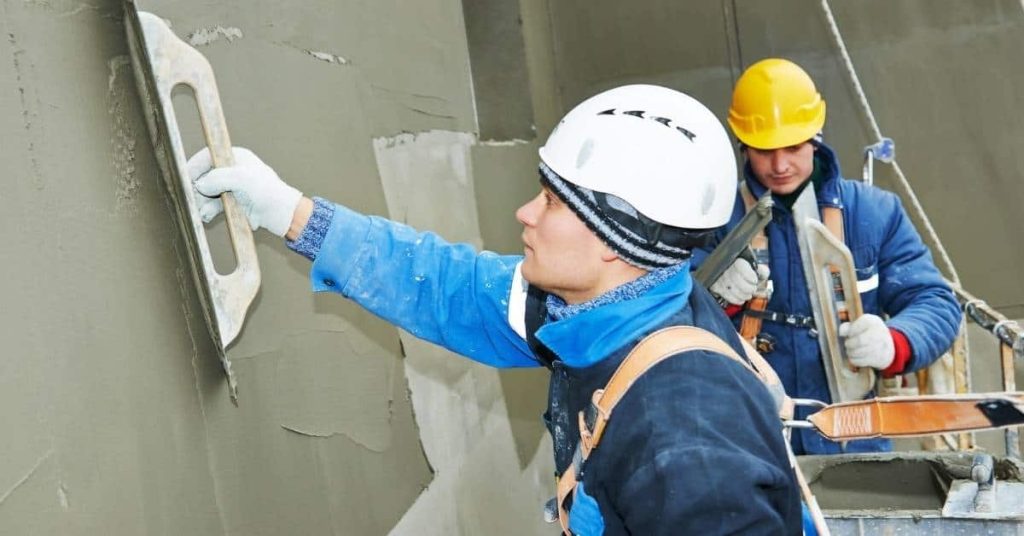
Two construction workers applying stucco to exterior wall

Dash Finish Stucco Repair: Getting Consistent Throw Without Overbuilding Thickness

Introduction Dash finish stucco repair means rethrowing a coarse mix so it keys to the patch without building the wall thickness beyond the original surface. Think of it as matching texture by controlling how far and thick each throw lands rather than piling on extra material. Check product labels and local practices for compatible scratch/base […]

Dash Finish Stucco Repair: Getting Consistent Throw Without Overbuilding Thickness Read More »
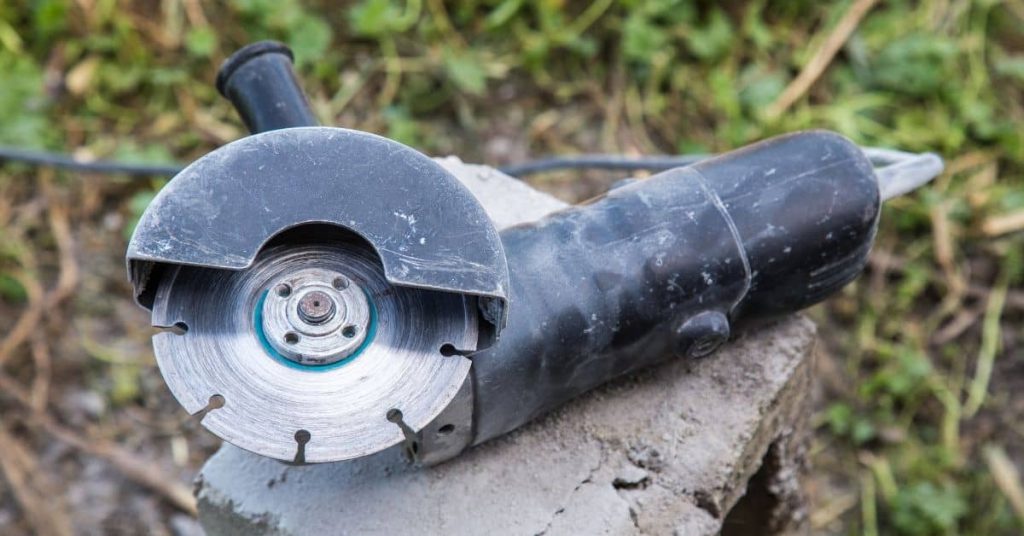
Angle grinder resting on a rough concrete block outdoors

Stucco at Concrete Slabs: Step-by-Step Timeline and Duration Guide

Introduction The process of applying stucco to concrete slabs involves careful planning, including understanding the timeline and duration for each step. This guide walks you through the entire process, breaking down the time required for each task. Whether you’re a DIY enthusiast or a professional contractor, knowing how long each stage takes helps you plan

Stucco at Concrete Slabs: Step-by-Step Timeline and Duration Guide Read More »

Modern concrete apartment building under clear blue sky

Chloride Contamination in Concrete Near Salt: Homeowner Assessment and Repair Guidance

Introduction Chlorides from road salt, deicing brine, seawater, and salt-laden runoff can move into concrete. They become a durability concern mainly when they reach embedded reinforcing steel: in the presence of enough moisture and oxygen, they can break down the steel’s protective condition and allow corrosion to start. Rusting steel can crack and displace the

Chloride Contamination in Concrete Near Salt: Homeowner Assessment and Repair Guidance Read More »

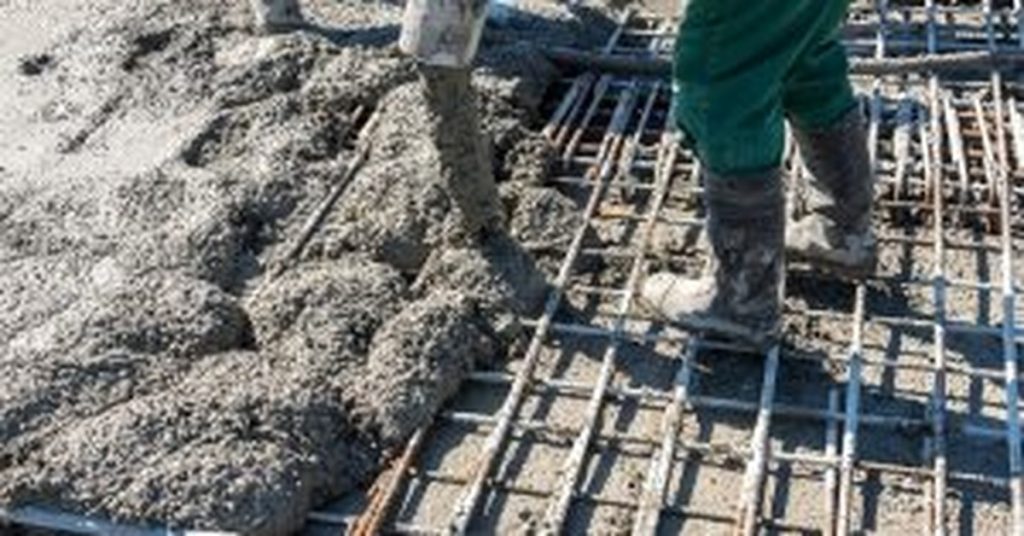
Worker pouring concrete over exposed rebar grid

How to Repair Concrete Spalling Around Exposed Rebar

Introduction A small, nonstructural concrete spall can be repaired by removing unsound concrete, cleaning the exposed steel, using a compatible corrosion-protection and repair-mortar system, then curing the patch as directed. The patch is only as durable as the preparation and the moisture-control plan behind it. Do not treat every exposed bar as a DIY patch.

How to Repair Concrete Spalling Around Exposed Rebar Read More »

Concrete surface with visible fine crack and discoloration

Concrete Surface Laitance: How to Spot It, Remove It, and Prevent It Next Time

Introduction Concrete laitance is a weak, powdery layer of cement and fines that rises to the surface of fresh concrete and leaves a dusty or flaky skin. It shows up when excess water or fine particles migrate during finishing and ruins adhesion and durability if left in place. Home DIYers can spot it by rubbing

Concrete Surface Laitance: How to Spot It, Remove It, and Prevent It Next Time Read More »

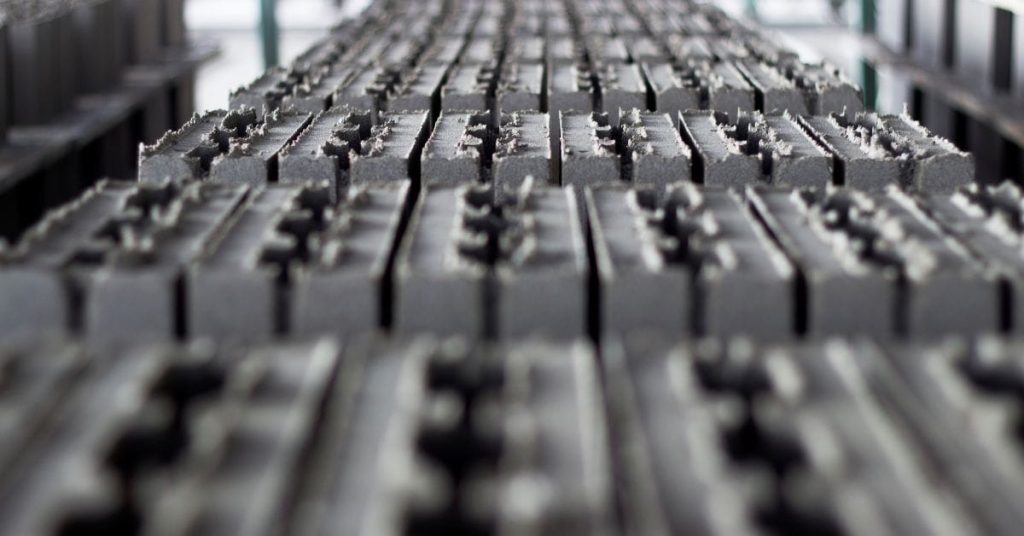
Rows of concrete blocks drying on racks in indoor environment

Concrete Patching in Thin Layers: Polymer Mods, Lift Limits, and Curing Between Coats

Introduction Concrete patching in thin layers means repairing shallow spalls or surface defects with a polymer‑modified patch material applied in successive thin lifts until the surface is rebuilt. This approach uses a blend of cement and polymer to improve bond and flexibility, but check the product label and manufacturer instructions for mix details, maximum lift

Concrete Patching in Thin Layers: Polymer Mods, Lift Limits, and Curing Between Coats Read More »

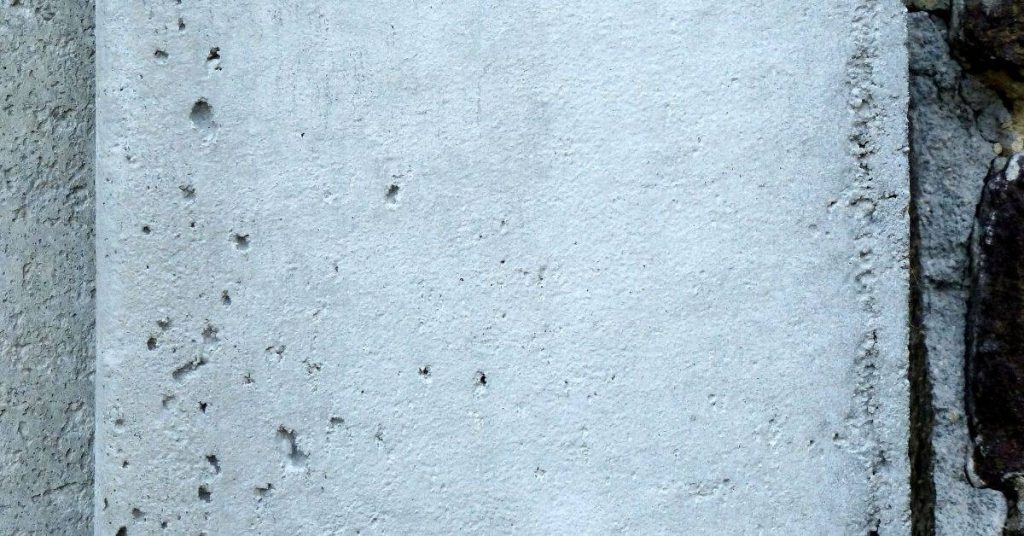
Concrete wall surface with multiple small holes and rough texture

Form Tie Holes on Concrete Walls: Clean Fill Techniques That Don’t Halo After Sealing

Introduction Form tie holes on concrete walls are the small openings left where form ties passed through the forms, and cleaning and filling them correctly prevents staining and “halos” after you seal the wall. For a DIYer that means choosing a compatible fill material, preparing the hole and surrounding concrete, and using application techniques that

Form Tie Holes on Concrete Walls: Clean Fill Techniques That Don’t Halo After Sealing Read More »

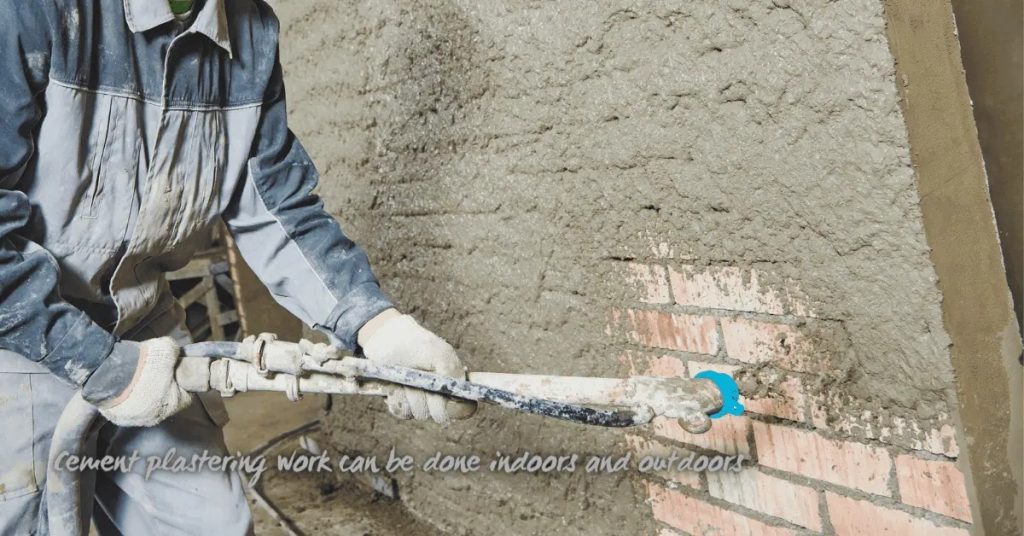
Worker spraying cement plaster on brick wall indoors

Bonding Old to New Concrete at Vertical Faces: Keys, Dowels, and Epoxy vs Cement Slurry

Introduction Bonding old to new concrete at a vertical face means creating a mechanical and/or adhesive connection so the new pour acts like part of the same structure. That usually comes down to creating keys or dowels for mechanical interlock and choosing an appropriate bonding agent—epoxy or cement slurry—based on strength needs and manufacturer instructions.

Bonding Old to New Concrete at Vertical Faces: Keys, Dowels, and Epoxy vs Cement Slurry Read More »

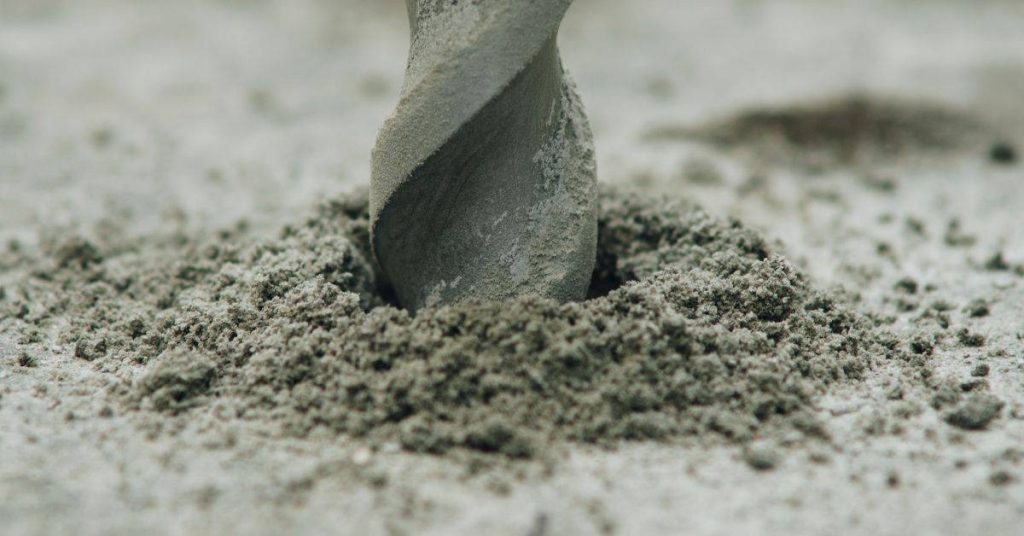
Close up of drill bit penetrating concrete surface with dust

How to Score and Snap Small Concrete Pavers Safely: Tools, Dust Control, and Break Lines

Introduction Scoring and snapping small concrete pavers means making a shallow cut along a planned break line and then applying controlled force to split the piece along that groove. This is a hands-on DIY method for straight, small cuts without a wet saw when pavers are brittle enough to break cleanly. Before you start, check

How to Score and Snap Small Concrete Pavers Safely: Tools, Dust Control, and Break Lines Read More »

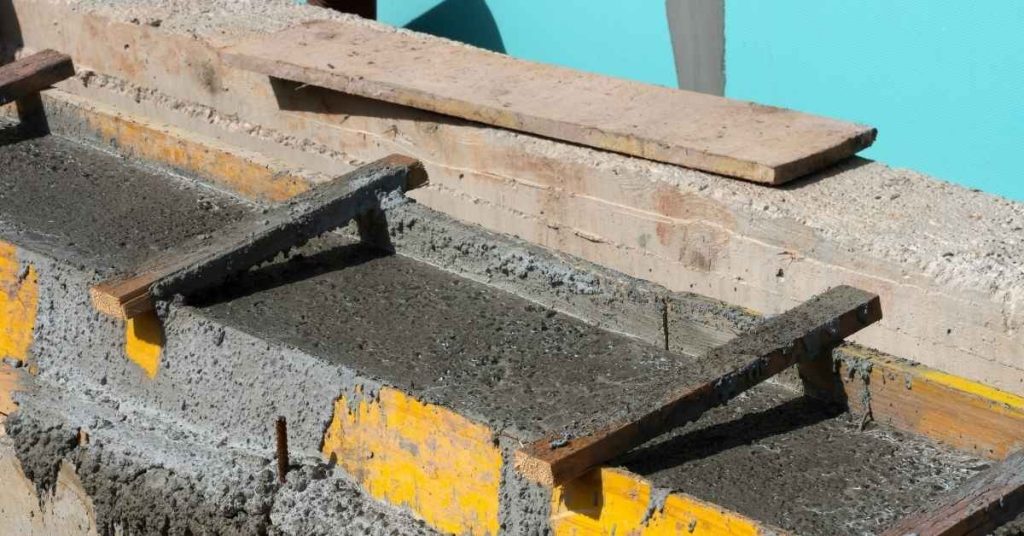
Fresh concrete pour in wooden formwork on vertical surface

Concrete Honeycomb Repair on Vertical Surfaces: Dry-Pack vs Form-and-Pour Decision Guide

Introduction Dry-pack and form-and-pour are two ways to repair honeycomb on vertical concrete surfaces. This guide helps you choose based on the damage, access, and field conditions you’ll face on site. Think of it as a practical decision, not a textbook rulebook. Dry-pack repairs are quick and grab the wall with minimal equipment, but they

Concrete Honeycomb Repair on Vertical Surfaces: Dry-Pack vs Form-and-Pour Decision Guide Read More »