Search Results for: grinding

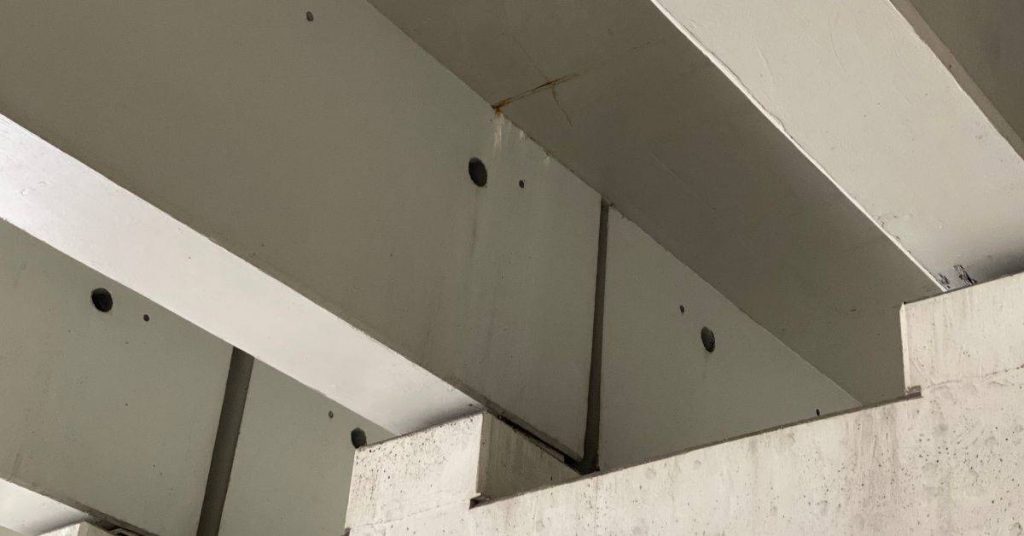
Concrete beams connected to a concrete column indoors

Sulfate Attack in Concrete: Screen the Damage and Choose the Right Repair

Introduction Sulfate attack is one possible cause of concrete deterioration when sulfate-bearing water, soil, or materials interact with the hardened cement paste. It can contribute to expansion, cracking, softening, and loss of material, but those symptoms also occur with several other concrete problems. This guide helps you screen the condition, control obvious water exposure, and […]

Sulfate Attack in Concrete: Screen the Damage and Choose the Right Repair Read More »

Large precast concrete wall panels supported by braces at construction site

Geopolymer Concrete: When It Beats Portland Cement (Including Precast Planters)

Introduction Geopolymer concrete is an alternative to Portland cement that uses aluminosilicate binders activated by alkalis. For DIY projects, it can be mixed and cured similarly to regular concrete, but you’ll want to follow the product instructions and local guidelines. In precast planters, it can offer different finish options and installation flexibility. Geopolymer concrete often

Geopolymer Concrete: When It Beats Portland Cement (Including Precast Planters) Read More »

Stacked gray cement bags piled outdoors

LC3 Cement Explained: Low-Carbon Concrete for Decorative Work (Pros, Cons, Pitfalls)

Introduction LC3 cement is a low‑carbon concrete mix that combines clinker with limestone to reduce emissions. In practice, it blends ordinary cement components with limestone to change the chemistry and clinker demand. As a DIY reader, check the bag label and local guidelines to see if LC3 fits your project. For decorative work, LC3 can

LC3 Cement Explained: Low-Carbon Concrete for Decorative Work (Pros, Cons, Pitfalls) Read More »

Stacked precast concrete columns outdoors on grass

SCMs for Stronger, Denser, Lower-Carbon Concrete: Metakaolin, Silica Fume, and LC3

Introduction SCMs are supplementary cementitious materials added to concrete to improve strength and density while lowering overall carbon. Metakaolin, silica fume, and LC3 are common options you might encounter in DIY mixes, each with distinct effects on workability and set. Always check product labels and manufacturer instructions, and start with small test batches to see

SCMs for Stronger, Denser, Lower-Carbon Concrete: Metakaolin, Silica Fume, and LC3 Read More »

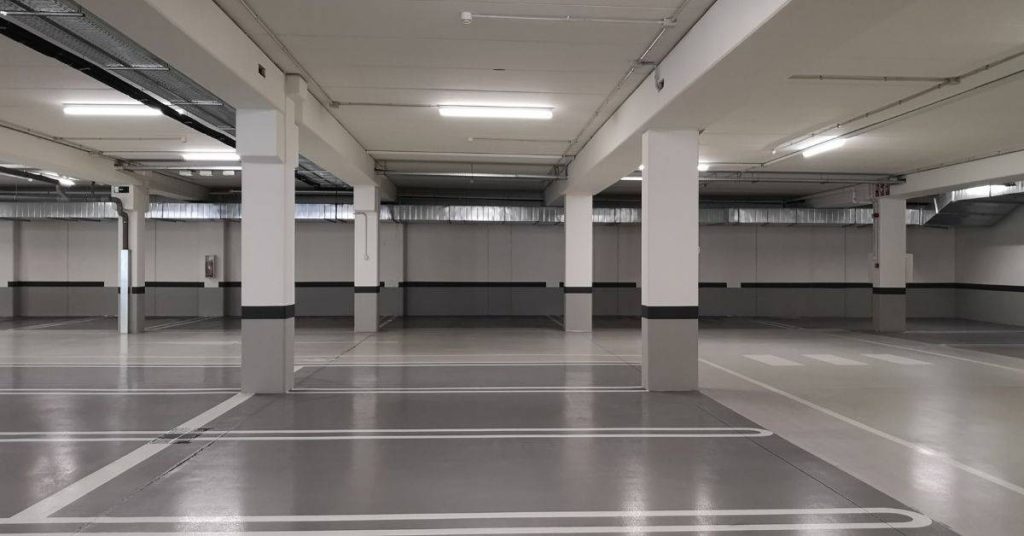
Empty concrete parking garage with support columns and painted lines

Corrosion Inhibitors in Garage Slabs: Dosage Mistakes, Rust Stains, and Prevention

Introduction Corrosion inhibitors in garage slabs are additives that help slow rusting of metal embedded in concrete. They work by interfering with the chemical reactions that cause oxidation when moisture and salts are present. For a DIY project, read the product label carefully to understand the intended use and dosage guidance. A common mistake is

Corrosion Inhibitors in Garage Slabs: Dosage Mistakes, Rust Stains, and Prevention Read More »

Close-up of rough concrete surface with blurred background lights

Concrete Surface Blisters: Finishing Causes and How to Prevent Them

Introduction Concrete surface blisters are raised pockets on the finish caused by trapped air or moisture beneath the surface. They usually form when the surface dries too quickly or moisture moves upward as the concrete sets. Causes include finishing while the surface is still soft, excessive water in the mix, or rapid evaporation from sun,

Concrete Surface Blisters: Finishing Causes and How to Prevent Them Read More »

close up of white textured plaster finish surface

Repairing EIFS Impact Damage: Base Coat Build, Mesh, and Finish Matching

Introduction Repairing EIFS impact damage means rebuilding the base coat, reapplying the reinforcing mesh, and matching the textured finish so the patch looks and performs like the existing wall. This is a hands-on job that focuses on cleanup, solid bonding of the base coat, correct embedding of mesh, and careful texture and color matching. Check

Repairing EIFS Impact Damage: Base Coat Build, Mesh, and Finish Matching Read More »