Search Results for: finishing

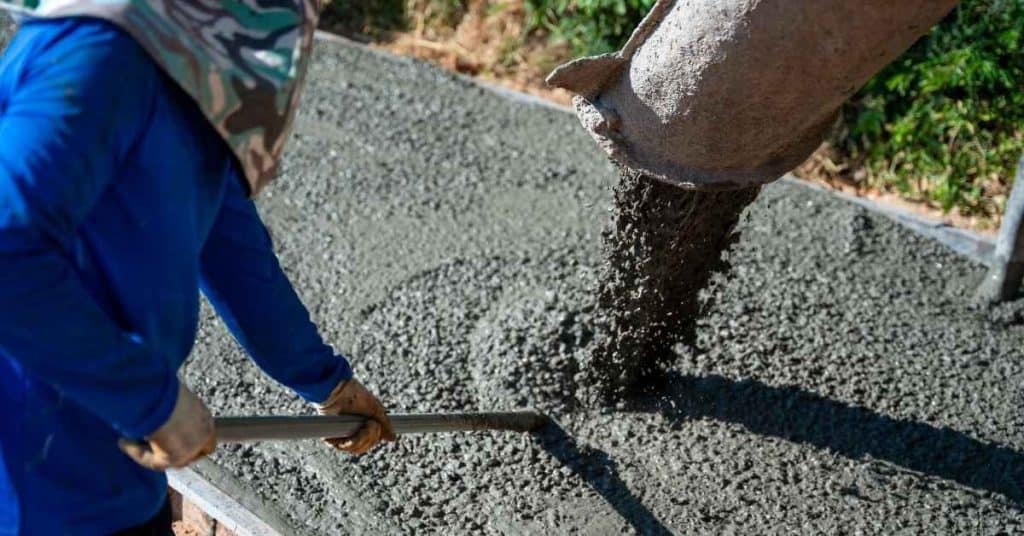
Worker pouring and leveling wet concrete outdoors

Repairing a Concrete Slab That’s Sinking at One Corner: DIY Foam vs. Mudjacking Basics

Introduction Repairing a Concrete Slab That’s Sinking at One Corner: DIY Foam vs. Mudjacking Basics means choosing a DIY-friendly way to lift a sunken corner using either foam injection or mud-based slurry under the slab. The goal is to restore level support by filling voids and stabilizing the edge that has dropped. You should always […]

Repairing a Concrete Slab That’s Sinking at One Corner: DIY Foam vs. Mudjacking Basics Read More »
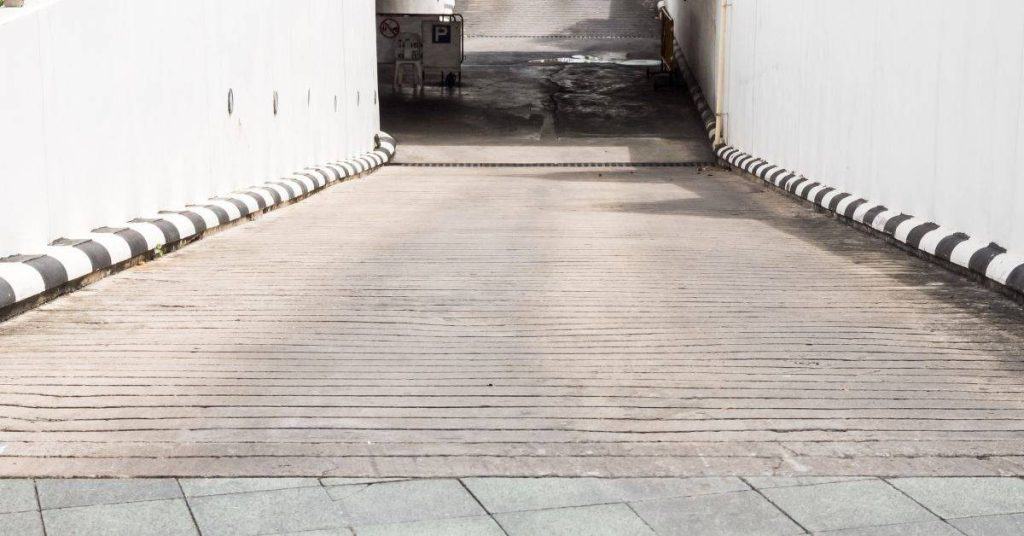
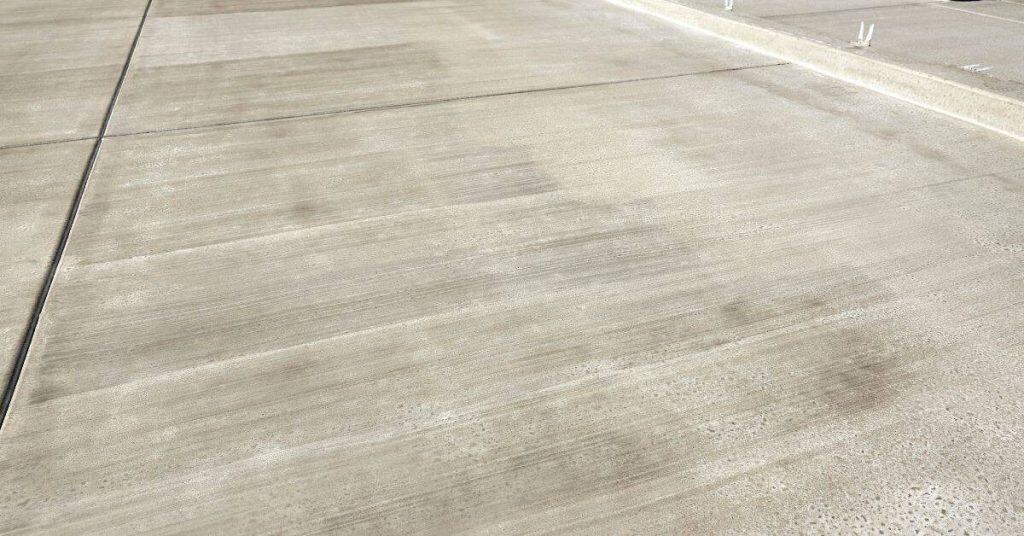
Concrete driveway ramp with grooved textured surface

How to Add a Concrete Curb Ramp at the Sidewalk (DIY Without Tripping Hazards)

Introduction A concrete curb ramp is a sloped transition that lets you roll or walk from the sidewalk down to the street grade with fewer tripping hazards. This DIY intro helps you plan and build a simple ramp safely, without specialized equipment. Check your local requirements and ADA guidance to understand what’s expected for accessibility

How to Add a Concrete Curb Ramp at the Sidewalk (DIY Without Tripping Hazards) Read More »

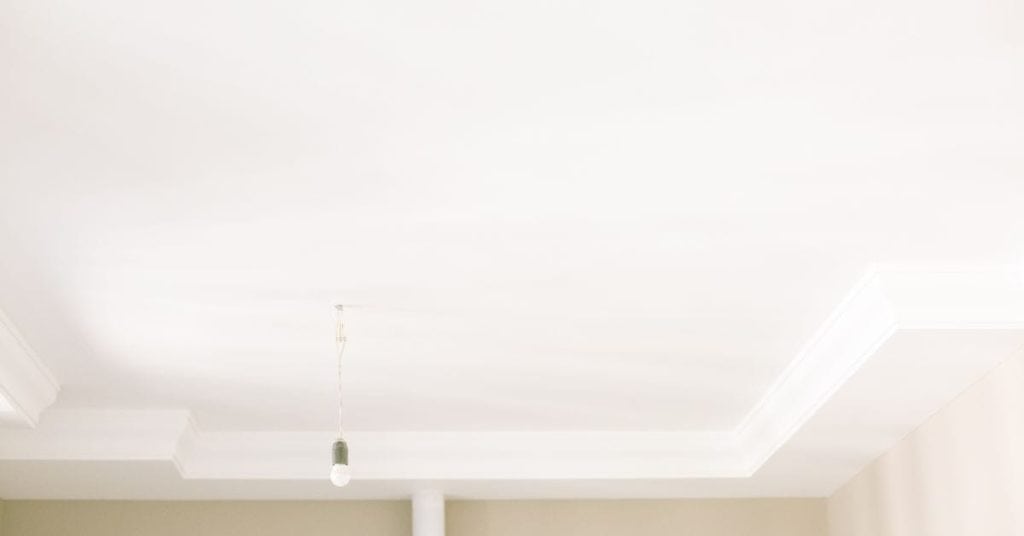
Smooth white ceiling with recessed lighting fixture hanging

How to Paint Over Cracked Paint: When to Scrape, When to Feather, When to Skim

Introduction Scraping, feathering, or skim coating cracked paint are the three main ways to treat cracked paint before repainting. The choice depends on how deep the cracks are and how smooth you want the surface to be. Check labels and local rules if you need exact limits or product compatibility. Use scraping when paint is

How to Paint Over Cracked Paint: When to Scrape, When to Feather, When to Skim Read More »

Person painting wood siding with white primer brush

Primer Compatibility Chart: Water-Based vs. Oil-Based vs. Shellac (What Can Go Over What)

Introduction Primer compatibility means choosing the right primer for the surface and topcoat so the finish adheres and lasts. Different primers are designed to bond to different surfaces and to seal, block stains, or prevent bleed-through. Always check the label for what the primer can be applied over and what the topcoat can be used

Primer Compatibility Chart: Water-Based vs. Oil-Based vs. Shellac (What Can Go Over What) Read More »

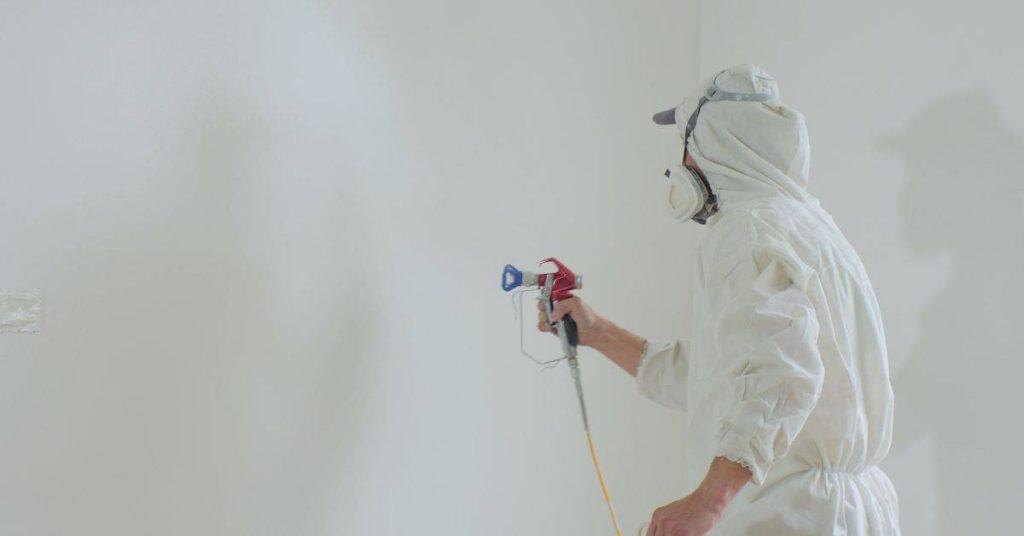
Painter in protective suit spraying white paint on wall

Paint Sheen Touch-Up Problems: Why Patches Flash and How to Blend Them

Introduction Paint sheen touch-up problems occur when patches look noticeably shinier or duller than the surrounding wall after you repaint. They come from differences in sheen level, dry times, or how the old and new coats interact under lighting. The fix is about matching the finish and blending the edges so the patch isn’t obviously

Paint Sheen Touch-Up Problems: Why Patches Flash and How to Blend Them Read More »

White electrical outlet on painted white wall

Touching Up Painted Walls Years Later: How to Match Texture, Color, and Sheen

Introduction Touching up painted walls years later means restoring the texture, color, and sheen so the patch blends with the old paint. It’s a hands-on task that you can do with common tools and a bit of care. Start by examining the wall and deciding what needs to be matched. Identify the texture, sheen, and

Touching Up Painted Walls Years Later: How to Match Texture, Color, and Sheen Read More »

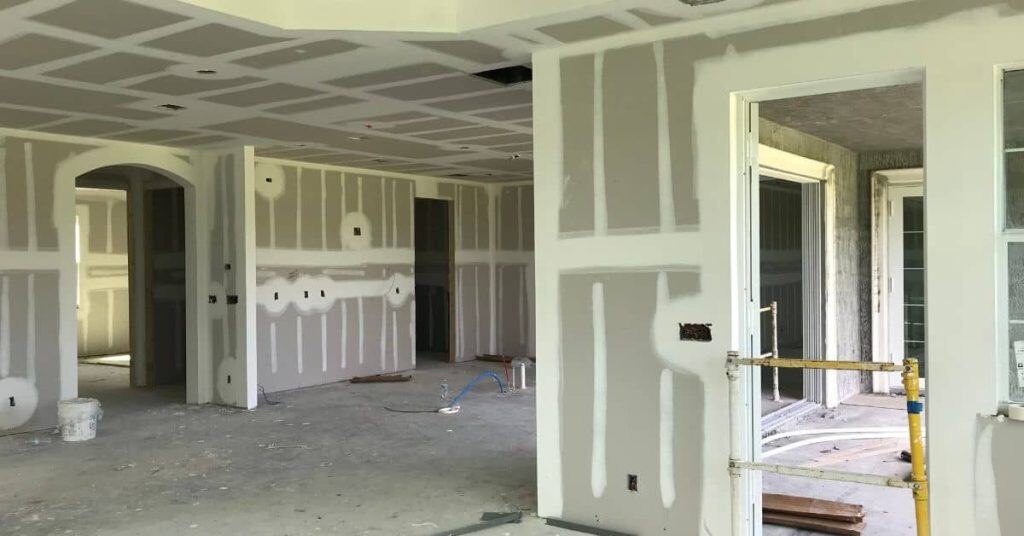
Interior room with drywall panels taped and mudded

Repairing Drywall After a Plumbing Leak: Drying, Mold Checks, and Rebuild Steps

Introduction Repairing drywall after a plumbing leak means drying the area, assessing damage, and preparing for a rebuild. Start by removing standing water and letting the space dry thoroughly before touching the wall. Check for soft spots or blistering drywall and note any areas that need removal. Then look for mold signs like stains or

Repairing Drywall After a Plumbing Leak: Drying, Mold Checks, and Rebuild Steps Read More »

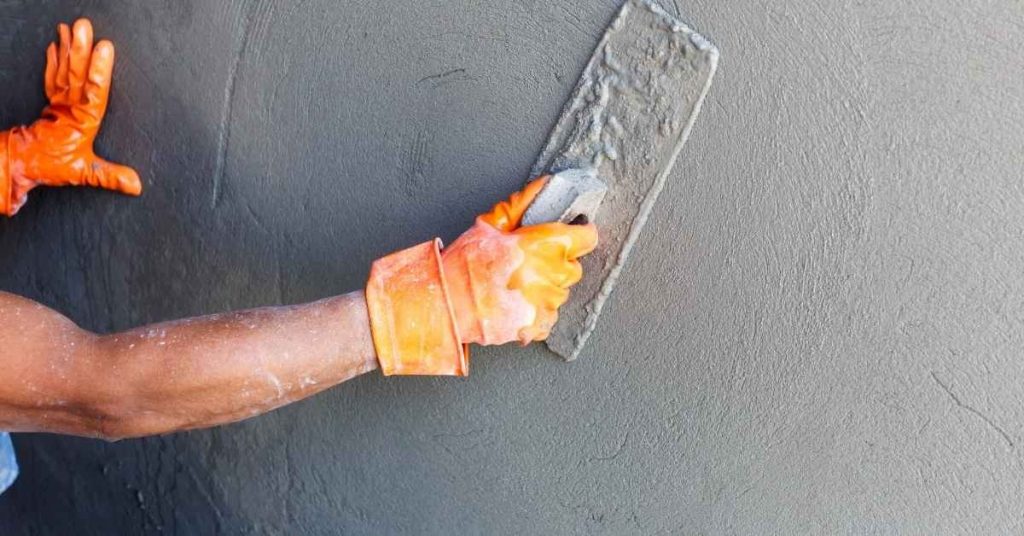
Person applying plaster on wall with trowel wearing orange gloves

Drywall Texture Matching: Orange Peel vs. Knockdown vs. Skip Trowel (DIY Spray vs. Hand)

Introduction Drywall texture matching is the process of reproducing a wall’s texture so new work blends with the old. It covers orange peel, knockdown, and skip trowel textures, whether you spray or hand‑apply. You’ll decide based on what you’re trying to reproduce and what tools you have on hand. Start by inspecting the existing surface

Drywall Texture Matching: Orange Peel vs. Knockdown vs. Skip Trowel (DIY Spray vs. Hand) Read More »