Search Results for: finishing

Hands holding a stud finder and marking a wall with a pencil

Stucco Efflorescence That Keeps Returning: Moisture Path Checks and Long-Term Fixes

Introduction Stucco efflorescence that keeps returning is a salt deposit left when moisture repeatedly migrates through stucco and evaporates, and the fix starts with finding and stopping the moisture paths. Look for leaks, poor flashing, grade or drainage issues, and moisture sources inside the wall assembly; check product labels and manufacturer instructions for compatible sealers […]

Stucco Efflorescence That Keeps Returning: Moisture Path Checks and Long-Term Fixes Read More »

Worker installing drywall ceiling panel with cordless drill

Ceiling Drywall Without a Lift: Panel Control Tricks, Temporary Bracing, and Safer Cutting Sequences

Introduction Ceiling drywall without a lift means using hand techniques, temporary bracing, and smart cutting sequences to hold and fasten panels safely when you don’t have mechanical help. This is about controlling the panel, supporting it temporarily, and cutting in the right order so you don’t fight sag or drop a sheet. Think like a

Ceiling Drywall Without a Lift: Panel Control Tricks, Temporary Bracing, and Safer Cutting Sequences Read More »

How to Fix Concrete Plasticizer Problems (DIY Steps + Stop Rules)

Plastic-Sheet Concrete Curing Problems: How to Prevent Tiger Stripes, Trapped Water, and Soft Spots

Introduction Plastic-sheet concrete curing problems are surface defects and moisture issues that happen when polyethylene or similar sheets are used poorly during the curing period. In plain terms, tiger stripes are streaky color/texture changes, trapped water is pooled moisture under the sheet, and soft spots are weak areas from uneven hydration or contamination. This intro

Plastic-Sheet Concrete Curing Problems: How to Prevent Tiger Stripes, Trapped Water, and Soft Spots Read More »

drywall sheets screws metal studs drill utility knife scissors

Drywall Screws for Ceilings: How to Stop Pops and Sag With Better Fastener Layout and Backing

Introduction Drywall screws for ceilings are the fasteners and their placement that keep plasterboard tight to framing so it doesn’t sag or develop popped heads. In plain jobsite terms: pick suitable screw type and length for your material and backing, follow the manufacturer’s guidance, and use a layout and backing that support the board edges

Drywall Screws for Ceilings: How to Stop Pops and Sag With Better Fastener Layout and Backing Read More »

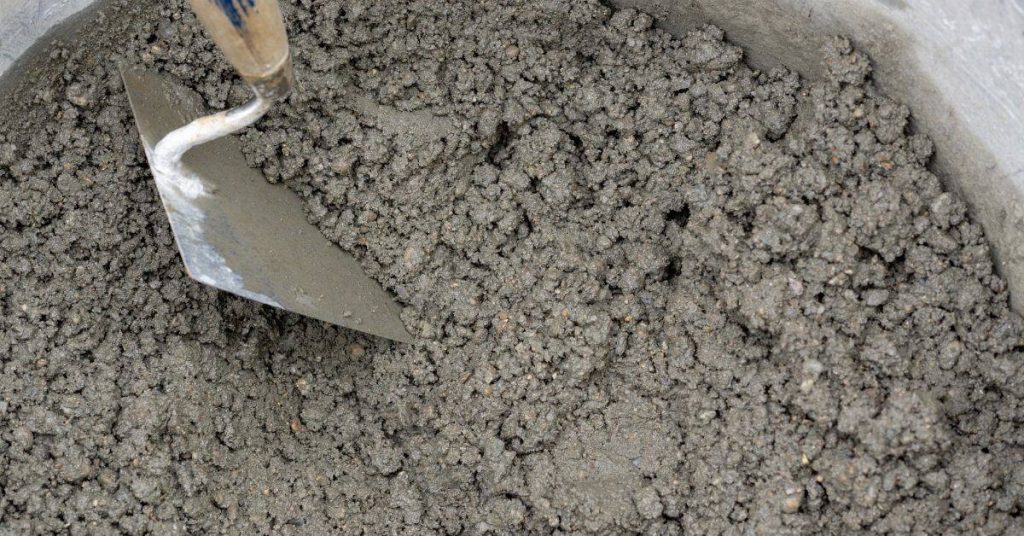
Close-up of wet mortar mix with a metal trowel in bucket

Rain Hit Your Fresh Mortar? Protection Steps, Damage Checks, and When You Need to Redo the Joint

Introduction Rain on fresh mortar can range from a minor nuisance to a ruinous washout depending on how soft the joint was and how long it was exposed, so act fast to protect and assess it. Cover undisturbed mortar with a breathable tarp or plastic supported off the joint until it firms, and check product

Rain Hit Your Fresh Mortar? Protection Steps, Damage Checks, and When You Need to Redo the Joint Read More »

Room with unfinished drywall and ceiling drywall taped and mudded

Drywall Thickness for Ceilings vs Walls: Preventing Sag, Improving Sound, and Meeting Fire Requirements

Introduction Drywall thickness for ceilings versus walls is the choice of panel weight and rigidity you use to prevent sag on ceilings, control sound between rooms, and meet fire-resistance needs. In plain terms: ceilings often need stiffer or heavier board than walls to avoid sag, but exact thickness and fire ratings depend on the product

Drywall Thickness for Ceilings vs Walls: Preventing Sag, Improving Sound, and Meeting Fire Requirements Read More »

Worker tying rebar grid with pliers on gravel base

What Happens If a Concrete Slab Is Too Thin? Real-World Failure Signs, Load Issues, and Fix Options

Introduction A concrete slab that is “too thin” means it lacks the mass and reinforcement to carry the loads and ground movements expected of it, and it will show that by failing sooner than a properly sized slab. Expect visible signs like cracking, sagging, or edge spalling, and check manufacturer guidance, product labels, and local

What Happens If a Concrete Slab Is Too Thin? Real-World Failure Signs, Load Issues, and Fix Options Read More »

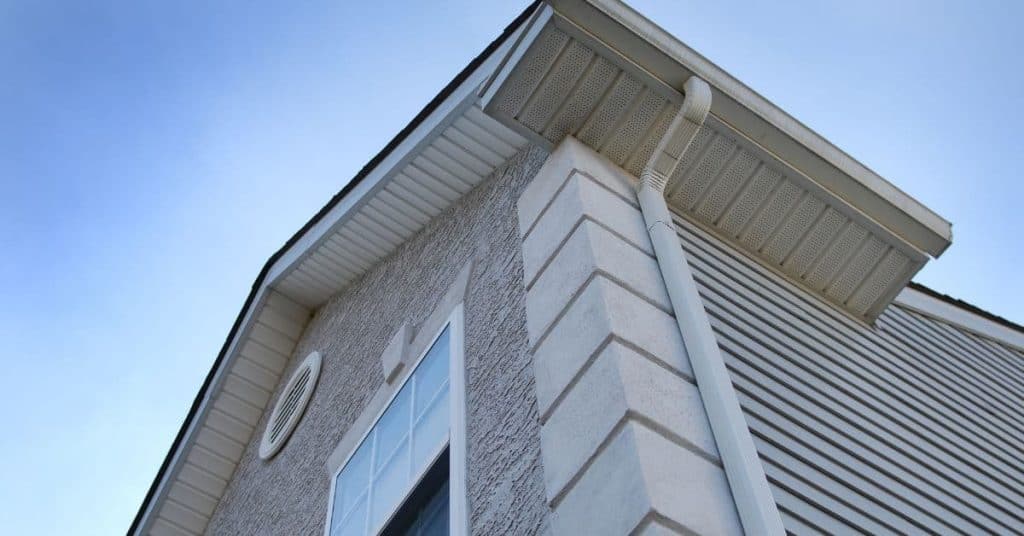
Close-up of house corner showing fascia drip edge gutter downspout

Fascia and Drip Edge: Common Failures, How to Diagnose, and Repairs That Last

Introduction Drip edge is the metal or flashing that directs roof runoff into the gutter and protects the fascia. Fascia is the board along the roof edge that the gutter hangs from. Common failures include loose or bent drip edge, corroded metal, gaps at corners, and damaged fascia that lets water behind the gutter. To

Fascia and Drip Edge: Common Failures, How to Diagnose, and Repairs That Last Read More »

White painted wooden shiplap wall with horizontal boards

Flashing on Painted Walls: How to Stop Patchy Sheen From Showing Through

Introduction Flashing on painted walls is the thin barrier that keeps water from seeping behind paint. When it fails, patchy sheen can show through and ruin a smooth finish. Check the paint and flashing product labels for compatibility, and follow manufacturer instructions or local rules if you’re unsure. To prep, clean the wall and repair

Flashing on Painted Walls: How to Stop Patchy Sheen From Showing Through Read More »