Search Results for: finishing

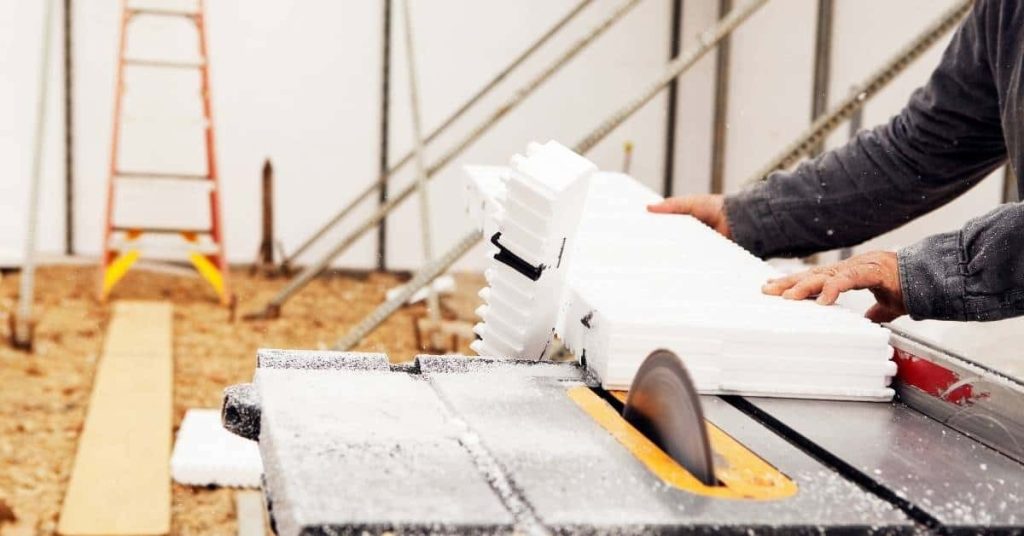
Person cutting white foam insulation board on table saw

Interior moisture management on block walls: furring, insulation, and vapor strategy that won’t trap water

Introduction Interior moisture management on block walls is the practice of keeping the wall assembly dry by separating the concrete from finishes with furring, insulation, and a controlled vapor path. This hands‑on approach focuses on airflow, condensation control, and dry finishes rather than relying on the concrete to act as a wet surface. Work with […]

Interior moisture management on block walls: furring, insulation, and vapor strategy that won’t trap water Read More »

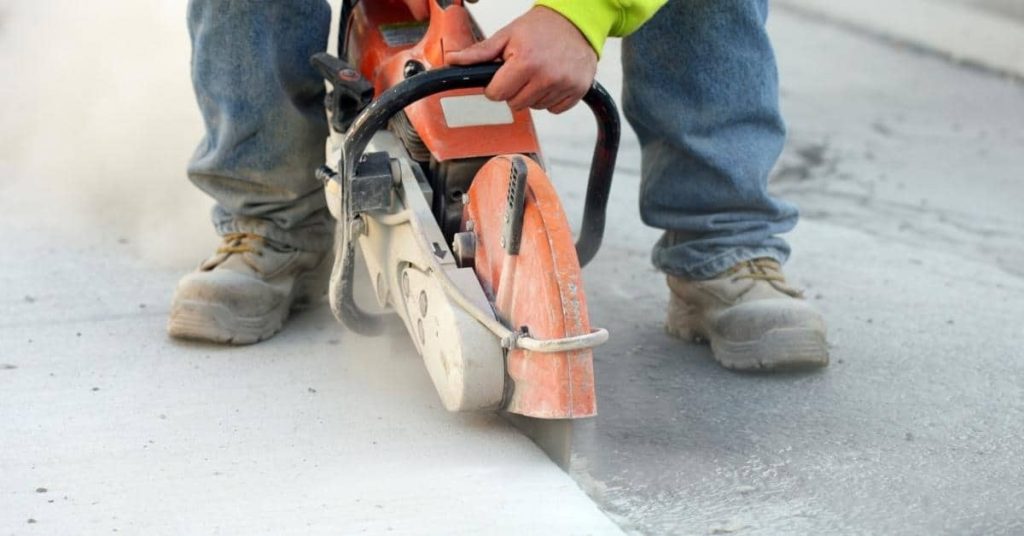
Person cutting concrete with orange power saw and protective boots

Cutting concrete block units: dust control tips and fastest methods for clean ends

Introduction Cutting concrete block units involves trimming and finishing blocks with a focus on dust control and clean ends. This introduction provides practical, hands-on guidance for selecting tools and following safe, efficient techniques. You’ll learn dust control steps, proper cutting methods, and the safety gear that helps you work cleanly. From saws and masonry bits

Cutting concrete block units: dust control tips and fastest methods for clean ends Read More »

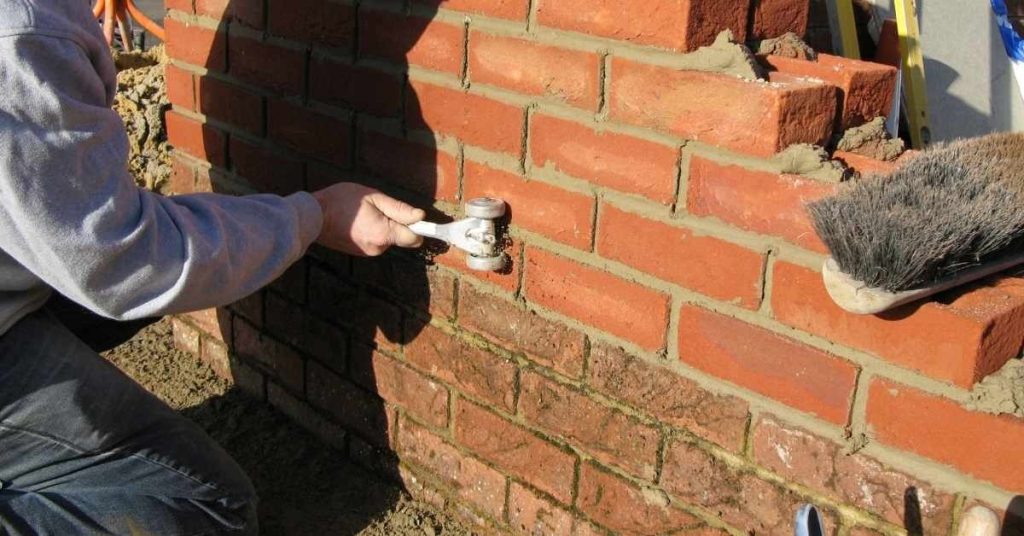
Person using roller tool on brick wall joints

Stringline setup for straight block walls: posts, batter boards, and fast corrections

Introduction Stringline setup for straight block walls is the method of using posts and batter boards to mark a straight line and guide brick or block alignment. It helps you keep the wall edges true as you work from one end to the other. You’ll plan the layout, set up a taut line, and verify

Stringline setup for straight block walls: posts, batter boards, and fast corrections Read More »

Stack of five red construction bricks outdoors on ground

First course layout for block walls: squareness checks and why corners decide everything

Introduction The first course layout establishes the baseline for squareness and corner alignment. Laying it out means marking where each block will sit and how the corners will meet. Getting this line right prevents future misalignment and saves work later. Check squareness by measuring diagonals across the intended corners and adjusting as needed. Mark the

First course layout for block walls: squareness checks and why corners decide everything Read More »

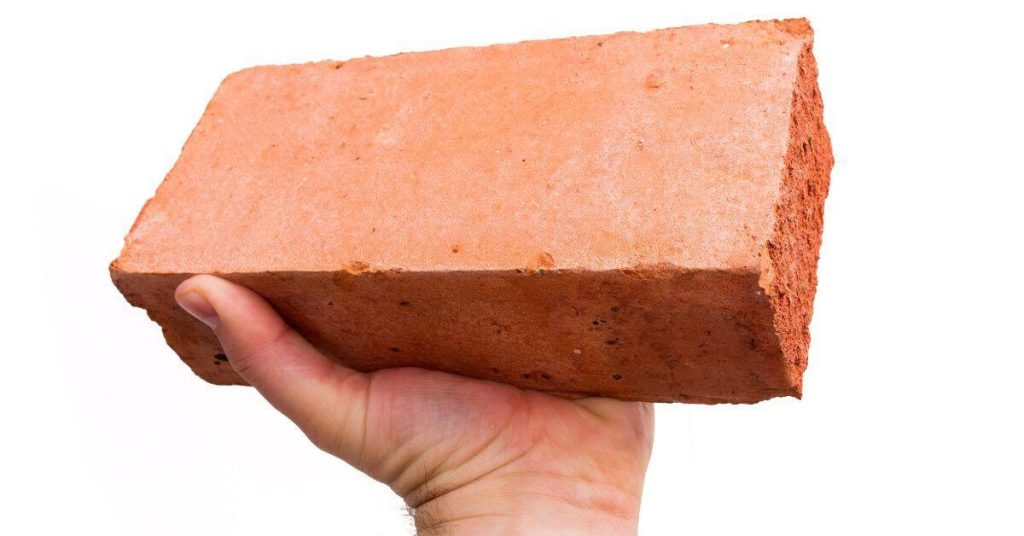
Hand holding a single red brick against white background

Block bond beams: what they do and clean ways to form them in the field

Introduction Block bond beams are horizontal reinforced concrete bands built into the top of block walls to tie sections together and resist bending. They help transfer loads to the foundation and keep the wall stable. In practice, they act as a continuous tie across the wall, improving overall strength. Common materials and forms for bond

Block bond beams: what they do and clean ways to form them in the field Read More »

Hand holding a green drill drilling into a white brick wall

Strengthening an existing block wall with grout fill: what DIYers can and can’t do

Introduction Grout filling a block wall is a method to add rigidity by binding hollow cores and masonry units together. This article explains what you can and can’t do as a DIYer. It focuses on practical steps, safety, and what to check before you start. Before you begin, confirm local rules and product instructions, and

Strengthening an existing block wall with grout fill: what DIYers can and can’t do Read More »

Person using green handheld electric drill on white brick wall

Rebuilding a loose single-wythe brick wall: tying methods and when to rebuild a section

Introduction Rebuilding a loose single-wythe brick wall involves using tying methods to re-secure the masonry and prevent additional movement. Identify the points of looseness and choose appropriate tying or anchoring approaches based on the wall condition. In some cases, that work only stabilizes the wall and a section may still need rebuilding if the bricks

Rebuilding a loose single-wythe brick wall: tying methods and when to rebuild a section Read More »

Hand using roller tool on fresh mortar between red bricks

Brick expansion joints: where they belong and how to reseal them

Introduction Brick expansion joints are gaps that allow movement between sections of brickwork as structures expand and contract. They help prevent cracking and mortar damage by accommodating seasonal and load changes. Identifying where these joints exist and how they should be resealed is a hands-on maintenance task rather than a cosmetic repair. Look for irregular

Brick expansion joints: where they belong and how to reseal them Read More »

Person holding green electric drill against white brick wall

Repairing chipped brick corners: patch materials that blend (and those that don’t)

Introduction Repairing chipped brick corners means restoring the edge with patch materials that match the surrounding masonry. This guide focuses on practical choices and steps you can take to blend or distinguish patches as needed. Material options range from blends that closely match color and texture to those that are meant to be obvious. Prepare

Repairing chipped brick corners: patch materials that blend (and those that don’t) Read More »

Person holding turquoise electric drill with gloves drilling wall

Drilling into brick: choosing anchors that won’t crack the face

Introduction Drilling into brick safely means selecting anchors that distribute load without cracking the face. It’s a hands-on task that starts with choosing the right anchor and understanding the brick surface. Plan to test a small area and work patiently to avoid damage. Tools you’ll need include a drill with adjustable speed, a masonry bit,

Drilling into brick: choosing anchors that won’t crack the face Read More »