Search Results for: finishing

Worker painting a wall with roller wearing yellow helmet

Brick staining vs painting: durability, appearance, and moisture risks

Introduction Brick staining and painting are two approaches to changing brick color and protection, with staining penetrating the surface and painting applying an opaque coating. Staining preserves the brick texture and natural variation, while painting hides texture and creates a solid color finish. Both options are DIY-friendly in concept, but they require different surface prep […]

Brick staining vs painting: durability, appearance, and moisture risks Read More »

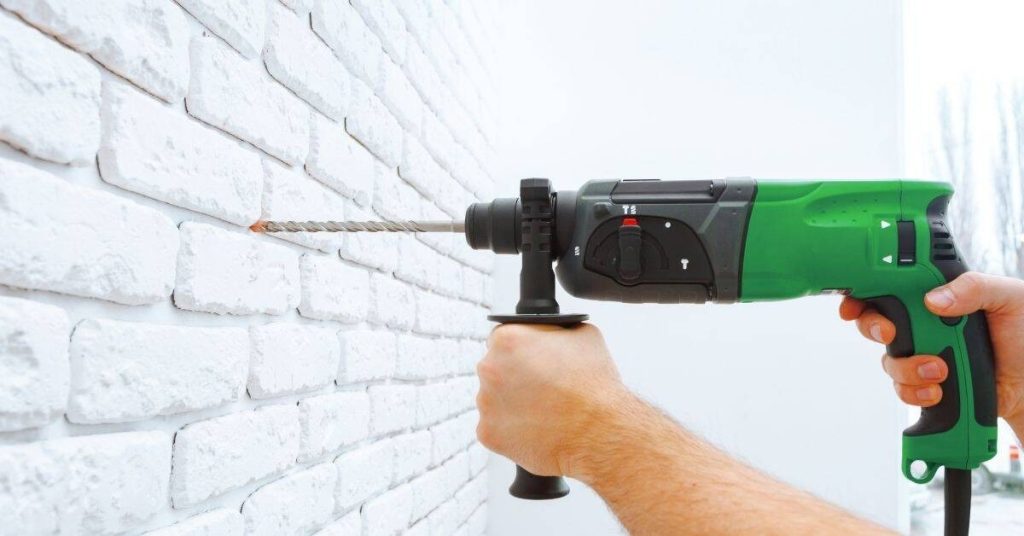
Man in red shirt working with toolbox and electric drill by pool

Brick walkway weeds: jointing options and maintenance that doesn’t erode sand

Introduction Brick walkway weeds occur when the joints between bricks are open enough for weed seeds to take root. This article looks at options to fill those joints and keep the sand in place without eroding. It’s written as a practical, hands-on guide you can use on a DIY project. Jointing sand options range from

Brick walkway weeds: jointing options and maintenance that doesn’t erode sand Read More »

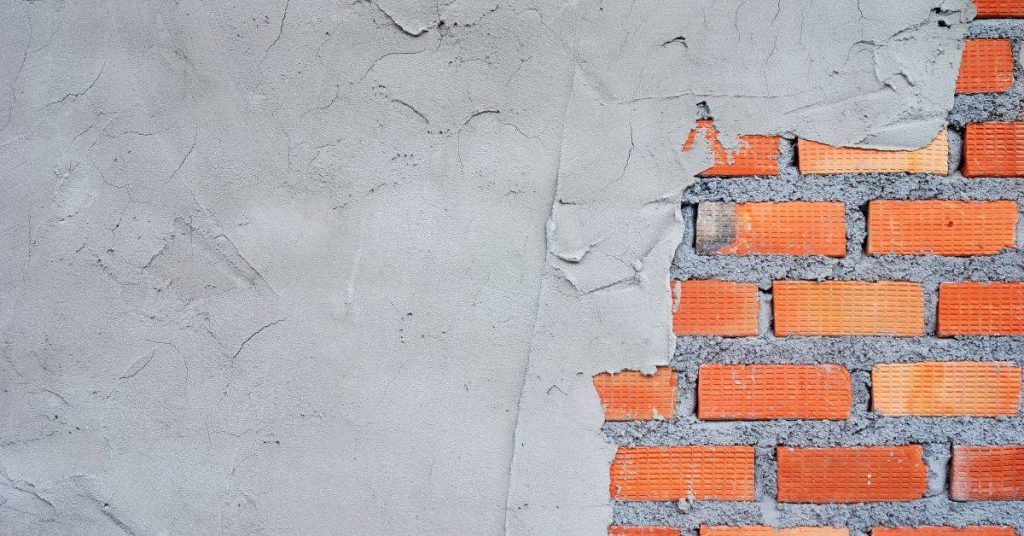
Partially plastered wall showing exposed red bricks

Flashing at brick shelf angles and ledges: what drip edges should look like

Introduction Drip Edges & Flashing for Brick Shelves Drip edges and flashing safeguard brick shelf angles and ledges by channeling water away from walls. Familiarize yourself with proper flashing techniques and consult manufacturer guidelines and local regulations to ensure suitable materials and methods. Flashing options for brick ledges encompass flexible membranes and metal strips, designed

Flashing at brick shelf angles and ledges: what drip edges should look like Read More »

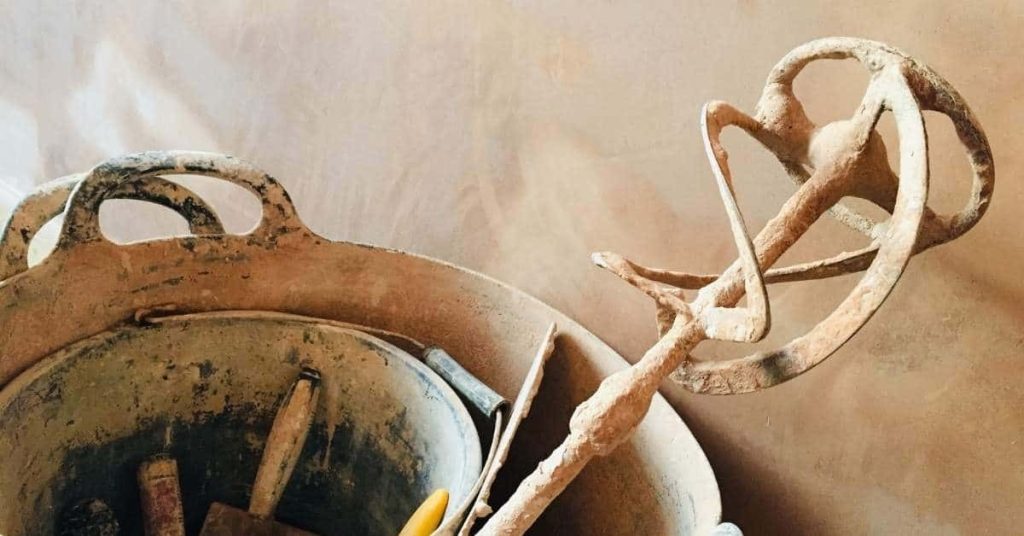
Old mixing bucket with mortar mixer tool inside

Too-hard brick mortar damage: signs, causes, and how to correct future repairs

Introduction Too-hard brick mortar damage is damage that results when the mortar in a wall has become excessively hard and brittle, leading to cracks and bond failure. Signs include visible cracks between bricks, loose or hollow-sounding joints, and bricks that push or tilt out of place. It often stems from over-tamped or overly aggressive mixes,

Too-hard brick mortar damage: signs, causes, and how to correct future repairs Read More »

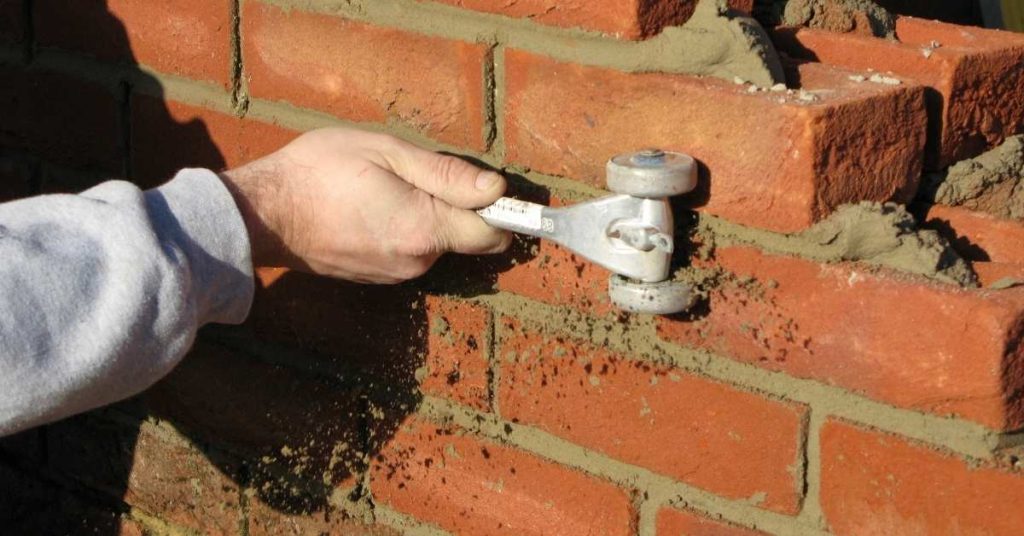
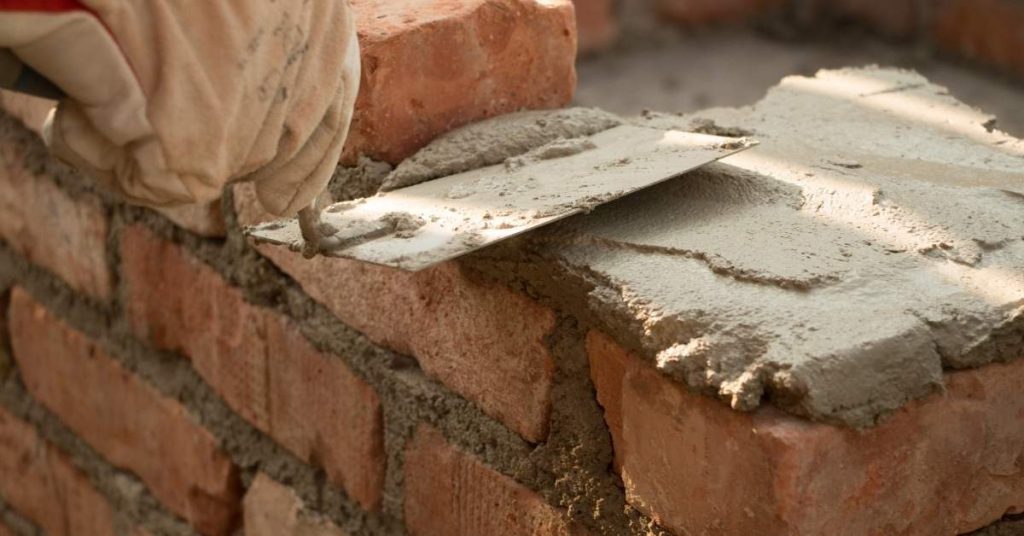
Gloved hand applying mortar on brick wall with trowel

Repointing brick mortar: matching hardness and color without damaging the units

Introduction Repointing brick mortar is the process of renewing the mortar between bricks to restore structure, weatherproofing, and appearance. It involves removing deteriorated mortar and packing in new mortar that bonds to the bricks. This is a hands-on repair that requires choosing the right mix and applying it carefully to avoid damaging the units. To

Repointing brick mortar: matching hardness and color without damaging the units Read More »

Wooden boathouse on stilts over calm water at dusk

Choosing brick joint profiles: concave, flush, struck—how each sheds water

Introduction Brick joint profiles are the shapes formed where bricks meet mortar, influencing water shedding from a wall. Understand how each profile behaves in wet conditions to make an informed choice based on your climate and maintenance routine. Concave joints: Shed water along the mortar surface. Flush joints: Sit flat, providing a smooth finish but

Choosing brick joint profiles: concave, flush, struck—how each sheds water Read More »

Plaster worker smoothing wall with trowel wearing black glove

Common rookie plaster mistakes: overwatering, overworking, and chasing perfection too soon

Introduction Rookie plaster mistakes are doing too much water, overworking the mix, and chasing a perfect finish before it’s ready. These habits can cause cracks, shrinkage, and a surface that won’t hold paint. Take a steady, practical approach: mix only what you need, apply in damp coats, and let each layer set. During a shifting

Common rookie plaster mistakes: overwatering, overworking, and chasing perfection too soon Read More »

Worker in yellow helmet applying plaster on white wall

Blending sheen on polished plaster finishes: spot repair vs full-wall rework

Introduction Spot repair and full-wall rework are two approaches to restore or adjust sheen on polished plaster finishes. This article compares when to use each method and what you should expect in terms of result and effort. It keeps the focus practical, with plain-language guidance you can follow on a real job. Polished plaster has

Blending sheen on polished plaster finishes: spot repair vs full-wall rework Read More »

Close-up of plaster being mixed in a large bucket with a drill mixer

Mixing small plaster batches: setting time control without weakening the finish

Introduction Setting time control for small plaster batches means managing how fast plaster hardens without compromising surface quality. Keep an eye on temperature and humidity, since they influence cure speed and finish. Use small, workable batches and follow the manufacturer’s guidance for mixing and setting, then adjust for environmental conditions in your space. If you

Mixing small plaster batches: setting time control without weakening the finish Read More »

Plastering trowel with red handle on bucket filled with plaster

Best trowel angles for beginner plasterers: avoiding gouges and lap marks

Introduction The best trowel angles for beginner plasterers are the angles that keep the blade nearly flat against the surface to reduce gouges. Maintain a steady, light pressure and smooth motion to minimize digging into the plaster. Start with small, even passes and check your work as you go. Different trowel types and edge shapes

Best trowel angles for beginner plasterers: avoiding gouges and lap marks Read More »