Search Results for: fiberglass spray insulation

Person smoothing plaster on ceiling with trowel

Recurring Plaster Cracks: Hidden causes and reinforcement that helps

Introduction Recurring plaster cracks are cracks that keep coming back after repairs due to underlying movement or moisture. This article explains practical, hands-on steps you can take to stop the cycle. We’ll look at common hidden causes and simple reinforcement ideas you can try. Check your wall conditions and proceed with care to avoid making […]

Recurring Plaster Cracks: Hidden causes and reinforcement that helps Read More »

Unfinished concrete building structure with window openings

Papercrete (Cardboard Concrete): Common Problems, Simple Tests, and Fixes That Last

Introduction Papercrete is a composite made from shredded paper or cardboard mixed with a cementitious binder to form a lightweight, workable material. It relies on the paper fibers to add bulk and some insulation, while the binder provides strength. It’s a hands-on option that varies with the exact mix, moisture, and curing conditions, so results

Papercrete (Cardboard Concrete): Common Problems, Simple Tests, and Fixes That Last Read More »

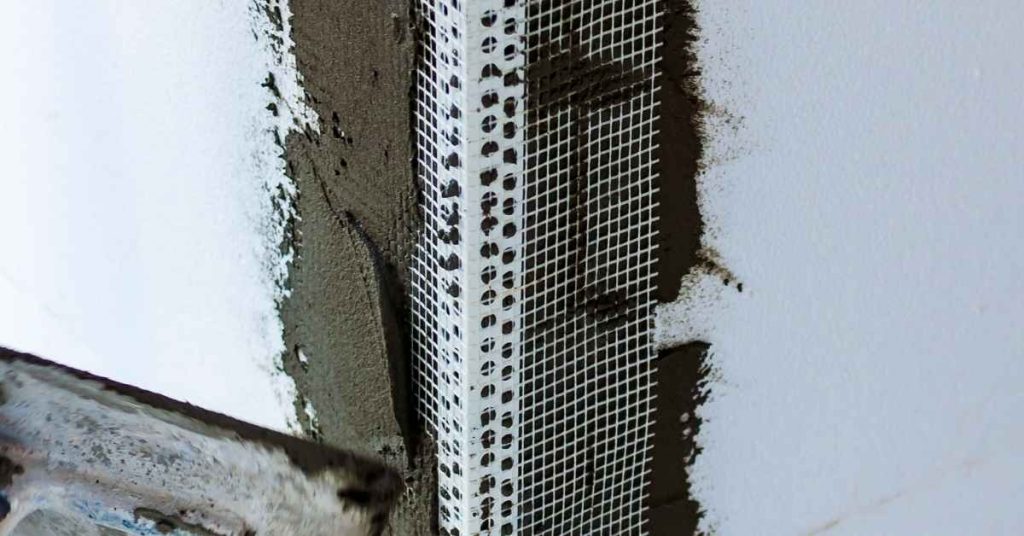
White mesh embedded in wet stucco on white wall surface

Stucco Over ICF Walls: Mesh, Fasteners, and Crack Control at Openings

Introduction Stucco over ICF walls means applying a cement-based veneer to insulated concrete forms using a proper weather-resistive layer, reinforcement mesh, and secure fasteners so the finish sticks and moves with the wall. This job needs the right mesh type, fastener method, and detailing at windows and doors to control cracking; check the stucco manufacturer’s

Stucco Over ICF Walls: Mesh, Fasteners, and Crack Control at Openings Read More »

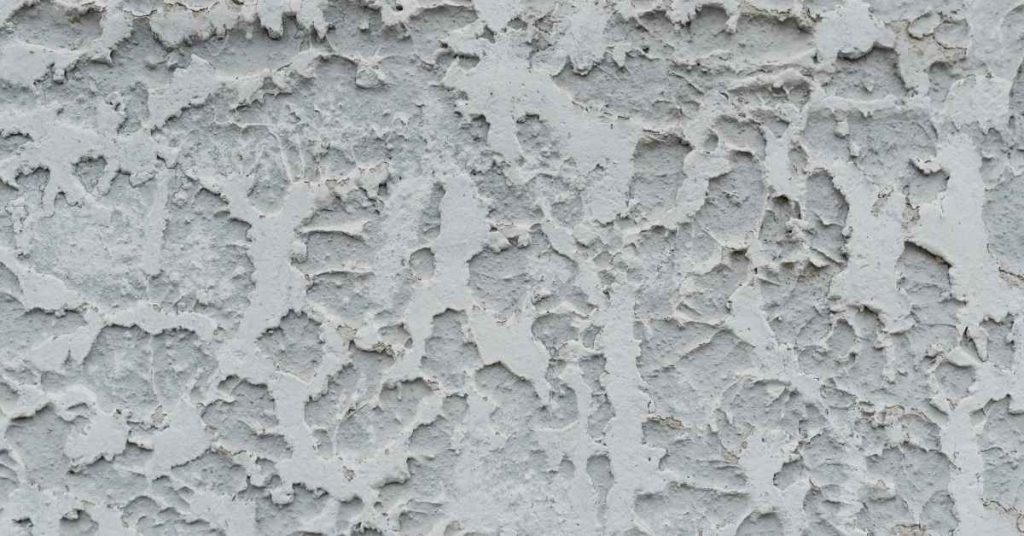
Close-up of rough textured gray stucco wall surface

How to Identify EIFS vs Hard-Coat Stucco: Simple On-Wall Tests

Introduction EIFS is an exterior insulation system with a foam board base and a thin textured finish, while hard-coat stucco is a cement-based, multi-layered plaster bonded to masonry or a lath substrate. In plain jobsite terms: EIFS feels lighter and can have a separation behind the finish, whereas hard-coat stucco is rigid and is trowel-applied

How to Identify EIFS vs Hard-Coat Stucco: Simple On-Wall Tests Read More »

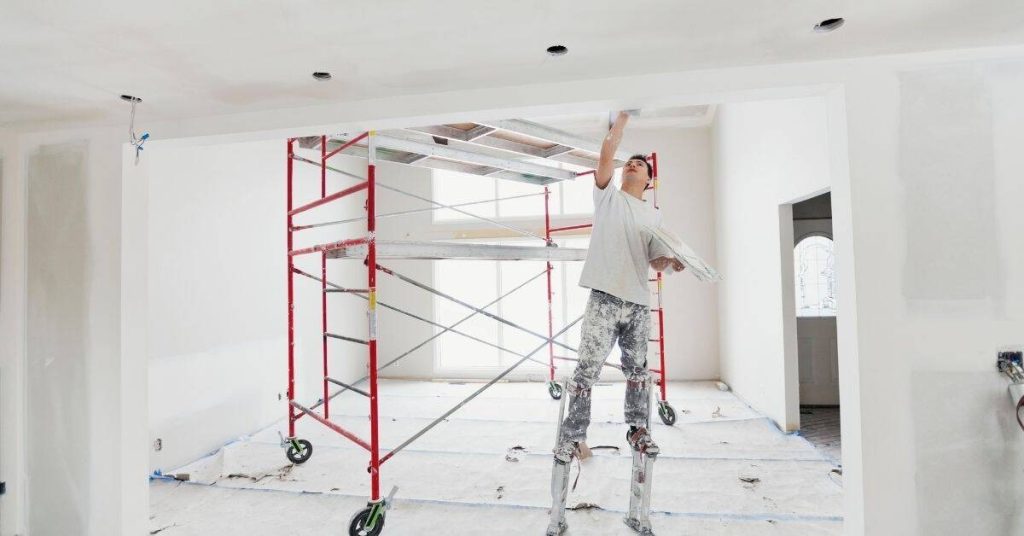
Worker applying plaster to ceiling with scaffolding nearby

Plaster Repairs Around Ceiling Light Boxes: Reinforcement That Stops Ring Cracks

Introduction Plaster repairs around ceiling light boxes are targeted fixes that reinforce the plaster and stop the circular “ring” cracks that form where fixtures meet the ceiling. This means cleaning the crack, adding a reliable backing or reinforcement around the box, and patching with an appropriate plaster or joint compound following the product directions. Treat

Plaster Repairs Around Ceiling Light Boxes: Reinforcement That Stops Ring Cracks Read More »

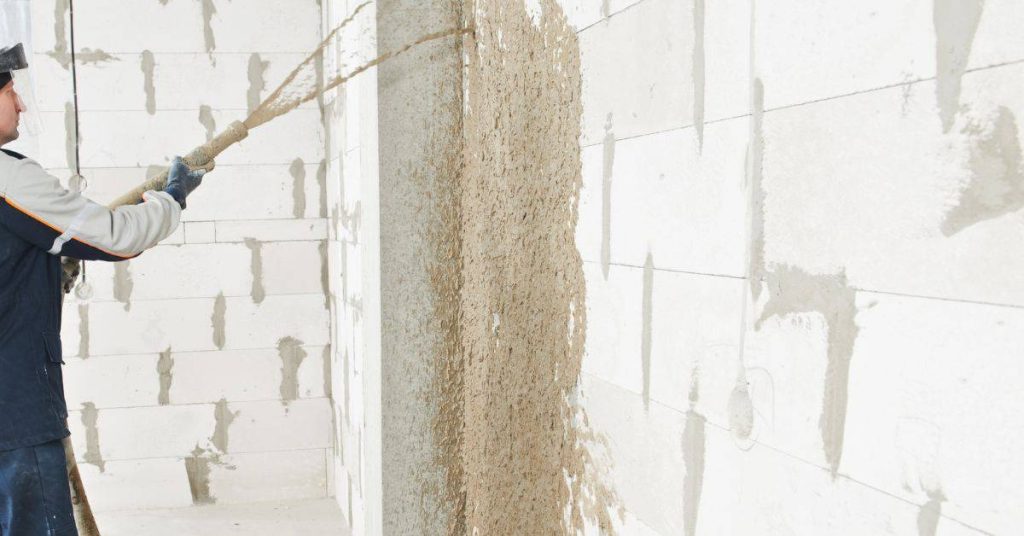
Worker spraying stucco onto concrete block wall

Stucco Over CMU Block: Bonding Agents, Scratch Keys, and Crack Control

Introduction Stucco over CMU block is a thin cement-based finish applied over masonry that needs a good bond, a proper scratch key, and planned crack control to last. Bonding agents, scratch coats, and reinforcement help the stucco grip the block and manage movement, but check product labels and local rules for compatibility and required curing

Stucco Over CMU Block: Bonding Agents, Scratch Keys, and Crack Control Read More »

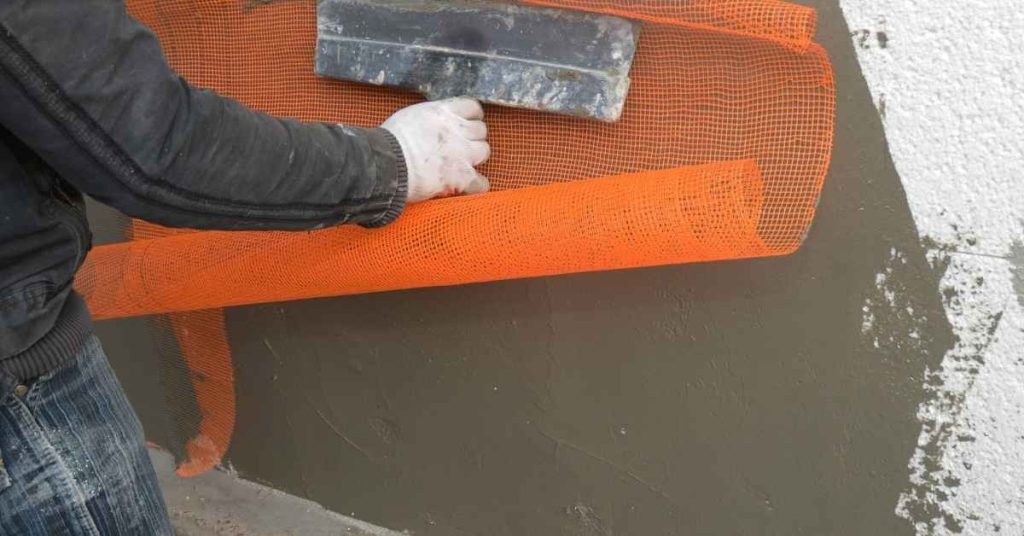
Worker applying orange mesh onto wet stucco on wall

Stucco Over ICF Walls: A Step-by-Step Timeline for Successful Application

Introduction The process of applying stucco over insulated concrete form (ICF) walls involves several stages that require careful planning and timing. Understanding the timeline is crucial to ensure a successful outcome. In this guide, we’ll break down the process into manageable steps, outlining how long each stage takes, so you can plan your project effectively.

Stucco Over ICF Walls: A Step-by-Step Timeline for Successful Application Read More »

close up of white textured plaster surface

Repairing EIFS Impact Damage: A Step-by-Step Timeline

Introduction Repairing EIFS impact damage can seem daunting, but breaking down the process into a clear timeline makes it manageable. This step-by-step guide focuses on the duration of each task, helping you plan your repair project efficiently. From assessing the damage to applying the final finish, understanding how long each stage takes ensures you stay

Repairing EIFS Impact Damage: A Step-by-Step Timeline Read More »

Exterior stucco wall with scaffolding and windows

Stucco-to-Window Joint Leaks: Backer Rod Depth, Sealant Profiles, and Flashing Red Flags

Introduction Stucco-to-window joint leaks are failures where the seal between the stucco and the window lets water in, usually from improper backer rod depth, wrong sealant profile, or missing/incorrect flashing. Fixing them is about getting the joint depth right for the backer rod, choosing a compatible sealant, and making sure flashing directs water away from

Stucco-to-Window Joint Leaks: Backer Rod Depth, Sealant Profiles, and Flashing Red Flags Read More »