Search Results for: epoxy floor

Modern living room with grey couch and concrete floor

Concrete Floor Vapor Emissions: Why Some Sealers Fail Even on “Dry” Slabs

Introduction Vapor emissions are moisture moving through a concrete floor and can undermine sealers. Even slabs labeled “dry” can give off moisture that needs to be addressed. You’ll want a practical plan for diagnosing and dealing with that moisture before sealing. Before sealing, verify the slab is truly dry and compatible with the sealer you

Concrete Floor Vapor Emissions: Why Some Sealers Fail Even on “Dry” Slabs Read More »

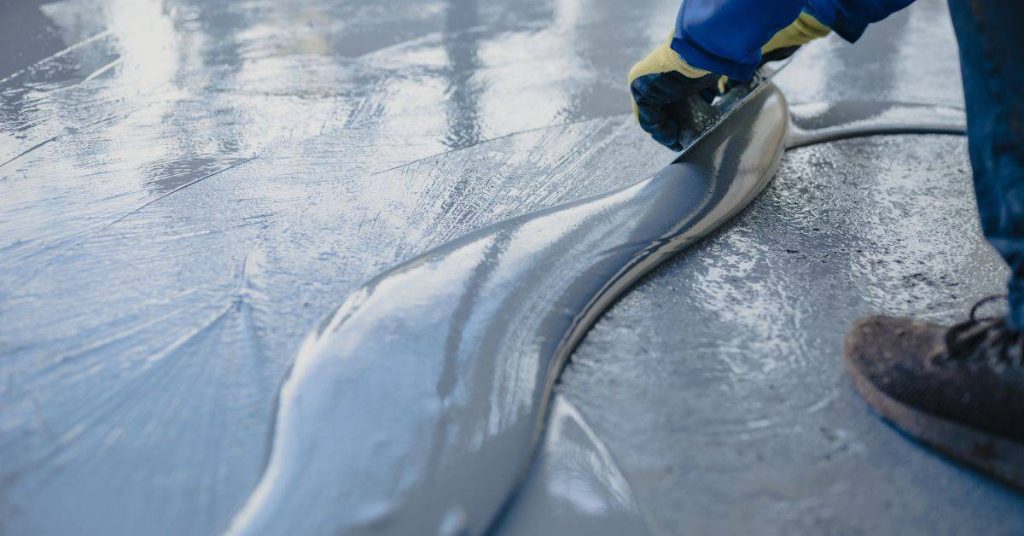
Worker applying grey epoxy floor coating with gloved hand

Primer for Overlays: Acrylic vs Epoxy (Choosing the Right System)

Introduction Acrylic and epoxy primers are two common options for preparing concrete overlays, each with distinct behavior and work styles. Acrylic primer typically dries faster and tolerates some movement, while epoxy primer tends to offer greater adhesion and chemical resistance. Look at the label for cure times, substrate compatibility, and any recommendations for overlays to

Primer for Overlays: Acrylic vs Epoxy (Choosing the Right System) Read More »

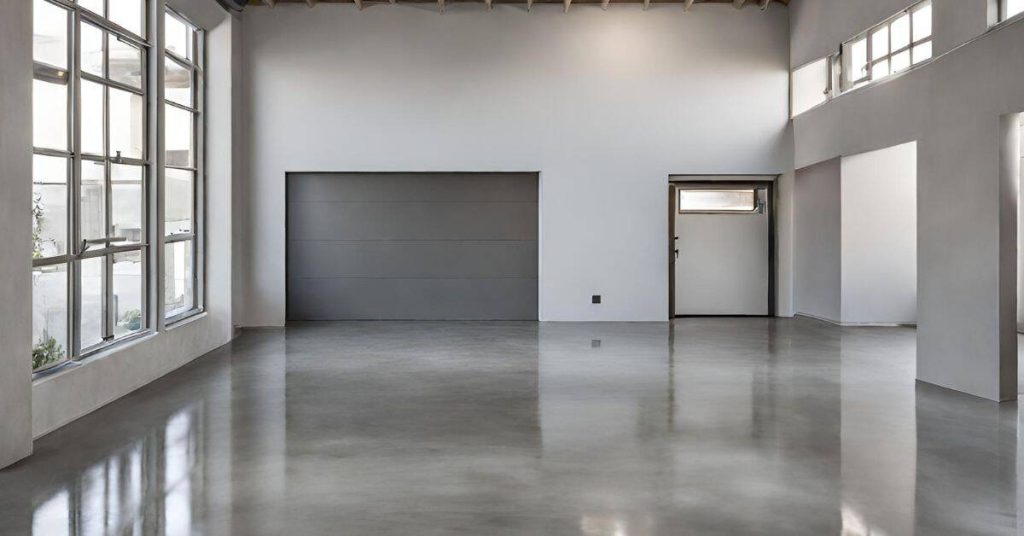
Empty room with polished concrete floor and large windows

Moisture Mitigation Systems for Concrete Floors: When You Need One

Introduction A moisture mitigation system blocks moisture from a concrete floor before you install finishes. It helps prevent staining, mold, and fast finish failures. The approach varies, but the goal is to keep dampness from wicking into your flooring. Watch for signs of moisture damage like peeling coatings, dark patches, or a musty smell. Give

Moisture Mitigation Systems for Concrete Floors: When You Need One Read More »

Close up of a concrete core drilled hole with wet slurry and orange pipe

Epoxy Setting Rebar Dowels: Hole Size, Cleaning, and Cure Time Basics

Introduction Epoxy setting rebar dowels are epoxy-anchored steel rods installed into concrete to transfer load. Getting the hole size, cleaning, and cure time right is a hands-on, DIY task you can manage with common tools. Check the manufacturer instructions for exact hole diameters, cleaning steps, and cure-time guidance. Hole size requirements vary by product, so

Epoxy Setting Rebar Dowels: Hole Size, Cleaning, and Cure Time Basics Read More »

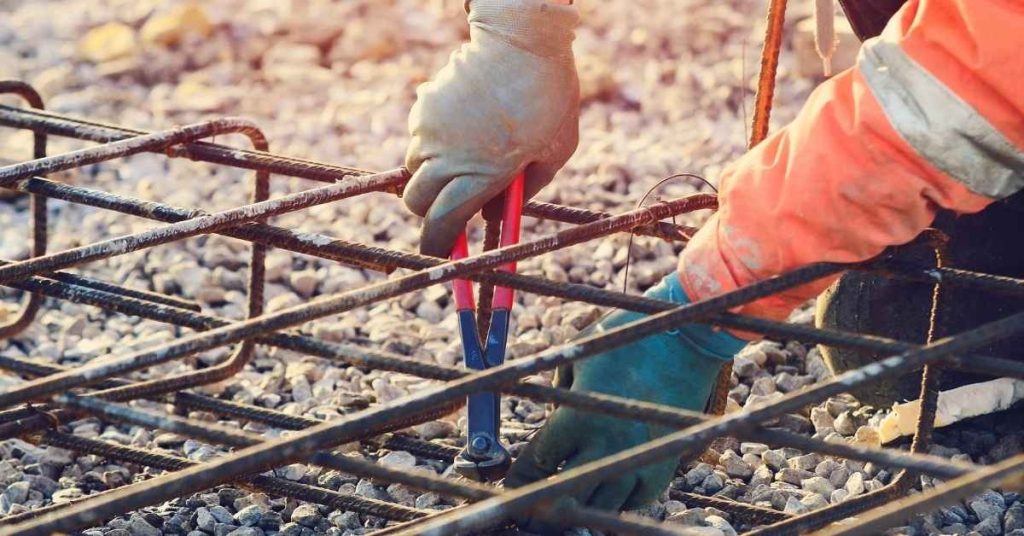
Worker tying rebar with pliers on gravel base

Epoxy-Coated Rebar: When It Helps—and When It Hurts Bond

Introduction Epoxy-coated rebar is steel reinforcing bar coated with epoxy to resist moisture and corrosion. It’s used in concrete projects where moisture or soil contact is expected. Think of it as a protective shell for rebar in harsher environments. Transport and handling can be different from galvanized bars, so plan how you load, carry, and

Epoxy-Coated Rebar: When It Helps—and When It Hurts Bond Read More »

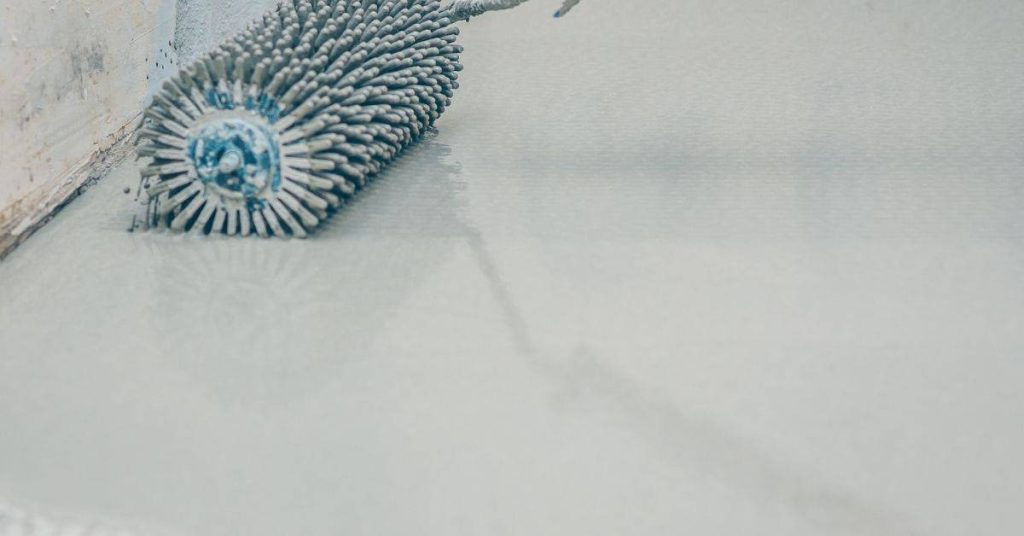
Spiked roller tool on wet floor coating surface

Polyaspartic Floor Coatings for DIY: Working Time, Odor, and Surface Prep Requirements

Introduction Polyaspartic floor coatings are fast-curing two-part coatings used to protect and finish concrete, and for a DIYer that means short working time, noticeable odor, and careful surface prep. Think like a tradesperson: plan your mixing and application in short, deliberate steps and check the product label for working time, recommended respirators, and substrate requirements.

Polyaspartic Floor Coatings for DIY: Working Time, Odor, and Surface Prep Requirements Read More »

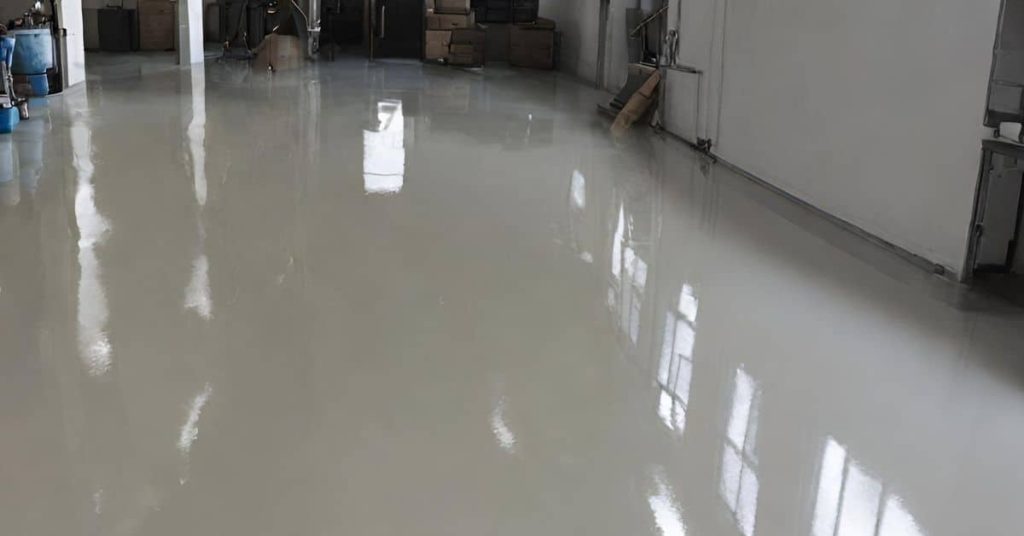
Glossy smooth gray industrial floor reflecting windows

Polyaspartic Floor Coatings for DIY: Timeline and Duration – Planning Your Project

Introduction Embarking on a DIY polyaspartic floor coating project? Understanding the timeline and duration is crucial to ensure a successful outcome. From surface preparation to final cure, let’s break down each stage and its estimated timeframe. Whether you’re working alone or with helpers, knowing how long each step takes will help you plan your project

Polyaspartic Floor Coatings for DIY: Timeline and Duration – Planning Your Project Read More »

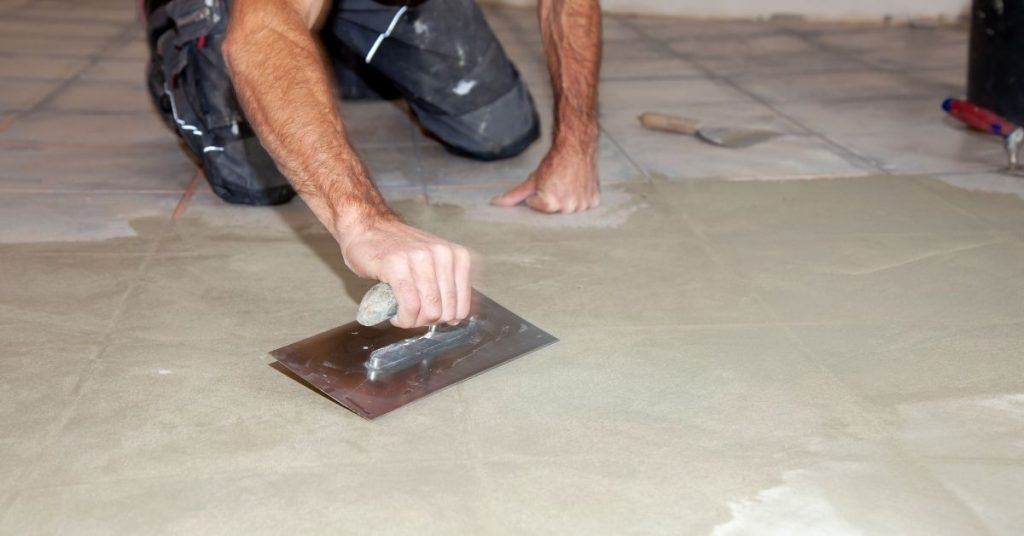
Trowel spreads leveling compound over floor during bathroom prep

Self-Leveling Compound Prep on “Problem Subfloors”: Primers, Seams, and Edge Dams That Stop Leaks

Introduction Self-leveling compound prep on problem subfloors means getting a board-backed surface ready so the liquid compound spreads and cures without running into gaps or flaking off. Think practical steps: pick a primer the compound maker recommends, seal seams and penetrations so water and dust won’t break the bond, and build temporary edge dams where

Self-Leveling Compound Prep on “Problem Subfloors”: Primers, Seams, and Edge Dams That Stop Leaks Read More »