Search Results for: epoxy floor

Paint roller applying sealer on outdoor concrete pavers

Sealing Concrete Outdoors: Penetrating vs Film-Forming and When to Use Each

Introduction Penetrating sealers soak into the concrete to guard against moisture and stains, while film-forming sealers sit on the surface as a protective layer. That choice changes how you clean, maintain, and how it handles water. If you want a low-maintenance, breathable finish, penetrating is often better; if you want a slick surface or easier […]

Sealing Concrete Outdoors: Penetrating vs Film-Forming and When to Use Each Read More »
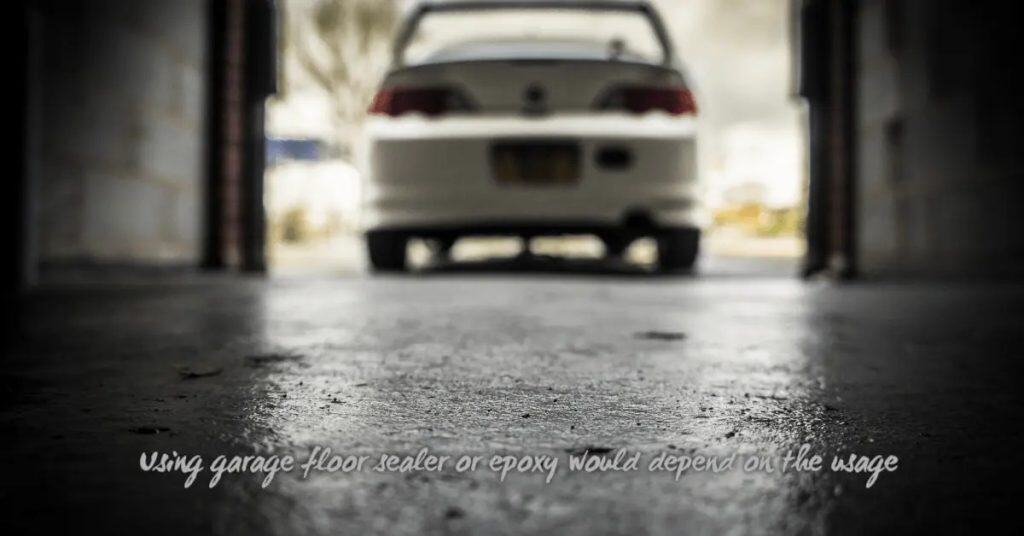
Close-up of textured concrete garage floor with white car in background

Moisture-Safe Concrete Coatings: What Works, What Doesn’t, and Why

Introduction Moisture-safe concrete coatings are sealers and finishes that slow or block water from the concrete surface. They help keep moisture from moving into basements, garages, or workshops. Choose options that fit your climate and surface, and always follow label directions. What doesn’t work for everyone can be a waste of time and money. In

Moisture-Safe Concrete Coatings: What Works, What Doesn’t, and Why Read More »

Close-up of concrete floor grinding machine on rough concrete surface

Fixing Form Lines on Exposed Concrete: Grinding, Skim Coats, and Texture Matching

Introduction Fixing form lines on exposed concrete means smoothing or concealing the raised lines left by the forms so the surface looks even. In this DIY approach, you’ll grind the lines down, skim-coat areas as needed, and texture-match the rest of the surface. Plan to work methodically, wear a dust mask, and always check the

Fixing Form Lines on Exposed Concrete: Grinding, Skim Coats, and Texture Matching Read More »

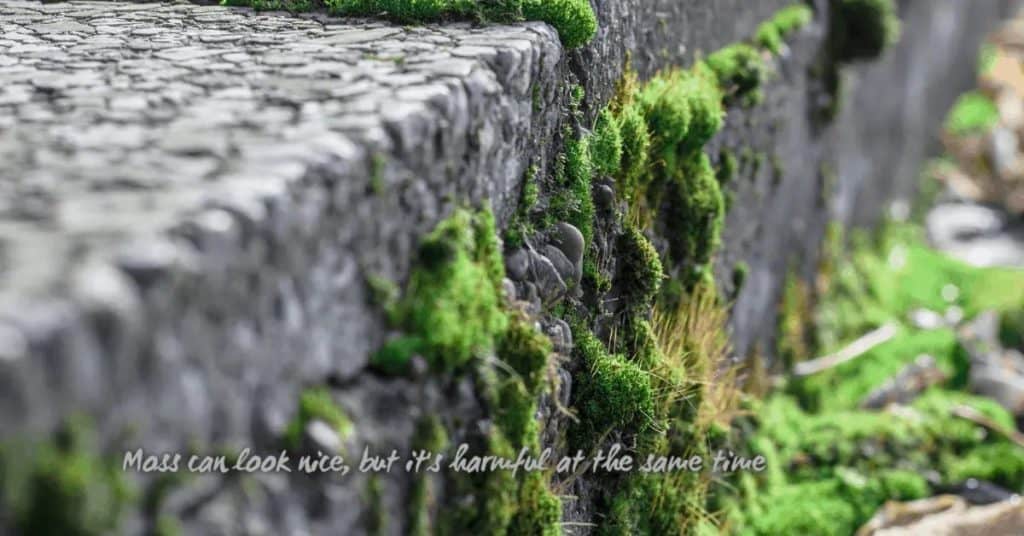
Close-up of moss growing on deteriorating concrete edge

Feather-Edge Concrete Repairs: When They Fail and Better Build-Up Methods

Introduction Feather-edge concrete repairs are a method to rebuild a thin, tapered edge on damaged concrete so it blends with the surrounding slab. This approach is hands-on and relies on proper surface prep, bonding, and gradual build-up rather than full removal. If the edge is chipped but the rest of the slab is sound, a

Feather-Edge Concrete Repairs: When They Fail and Better Build-Up Methods Read More »

Tool smoothing control joint in wet concrete slab

Control Joint Spacing: Practical Layout Rules That Reduce Random Cracks

Introduction Control joints are planned cuts in concrete to control where cracks will form. Timing matters for saw cutting; cut while the concrete has cured enough to groove, but before random cracking starts. Plan spacing and layout based on the panel sizes you’re using and how the slab will be loaded throughout its life. Strategic

Control Joint Spacing: Practical Layout Rules That Reduce Random Cracks Read More »

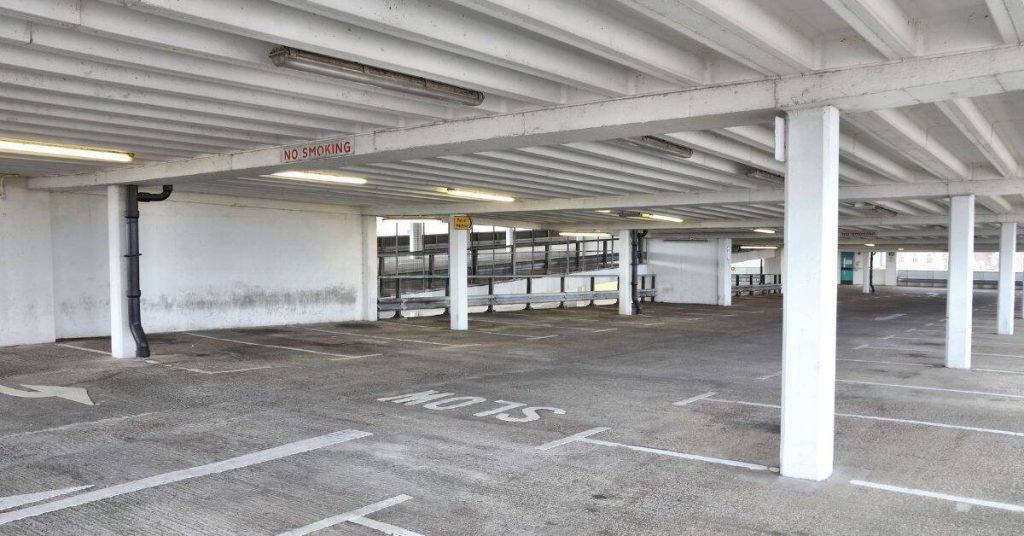
Empty concrete parking garage with support columns and ceiling beams

Concrete Shrinkage-Reducing Options: What Helps on Small DIY Pours

Introduction Shrinkage-reducing options are methods and approaches that help concrete settle with less shrinking and cracking on small pours. For DIY projects, you’ll hear about techniques like using a drier mix strategy and careful placement to control how water behaves. One common option is dry pouring, a method that aims to minimize free water and

Concrete Shrinkage-Reducing Options: What Helps on Small DIY Pours Read More »

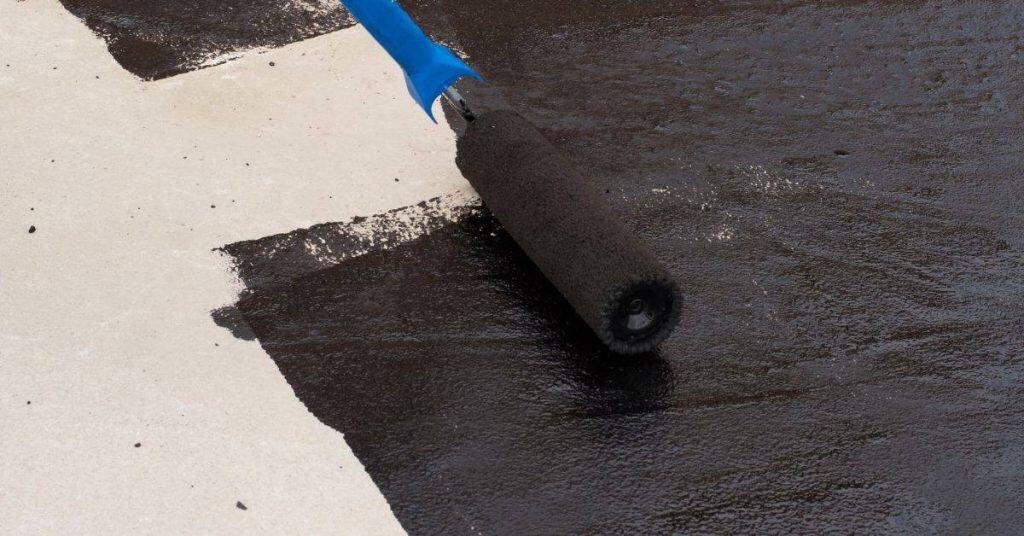
Paint roller applying black sealer on concrete surface

Concrete Sealer Slip Problems: How to Add Traction Without Peeling the Finish

Introduction A concrete sealer is a surface coating intended to protect and seal a concrete floor. When it becomes slick or peels, traction is lost and the risk of slips increases. This article explains practical ways to add traction without peeling the finish. There are penetrating sealers that soak in and film-forming coatings that sit

Concrete Sealer Slip Problems: How to Add Traction Without Peeling the Finish Read More »

Smooth concrete window sill under open window with shadows

Concrete Microcracks After Curing: Causes, Visibility, and When to Seal

Introduction Concrete microcracks after curing are tiny cracks that form as the slab gains strength and settles. They are usually hairline and may be visible on the surface or near joints. Causes include shrinkage, temperature changes, and normal settling, not necessarily a defect. Sealing timing and product choice depend on your climate and the sealer

Concrete Microcracks After Curing: Causes, Visibility, and When to Seal Read More »