Search Results for: epoxy floor

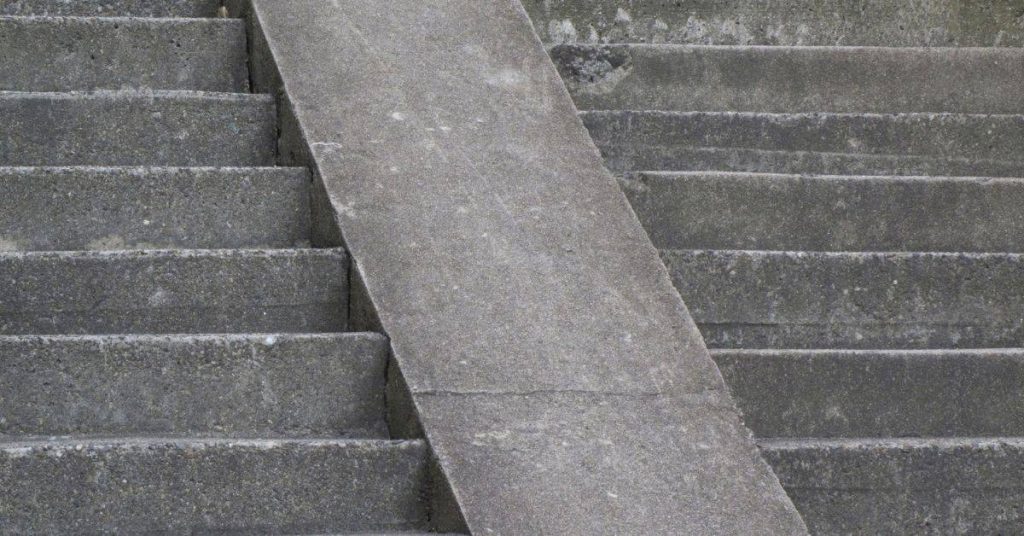
Concrete stairs with a smooth ramp in the middle

Concrete Scaling in Winter: Why the surface flakes and how to stop it

Introduction Concrete scaling in winter is when the top layer peels or flakes off because cold weather, moisture, and repeated freezing push water in and out. Cold temperatures slow curing and make water move through the surface, so you see scaling more on sidewalks, driveways, and slabs that get wet. Watch for slick, rough patches […]

Concrete Scaling in Winter: Why the surface flakes and how to stop it Read More »
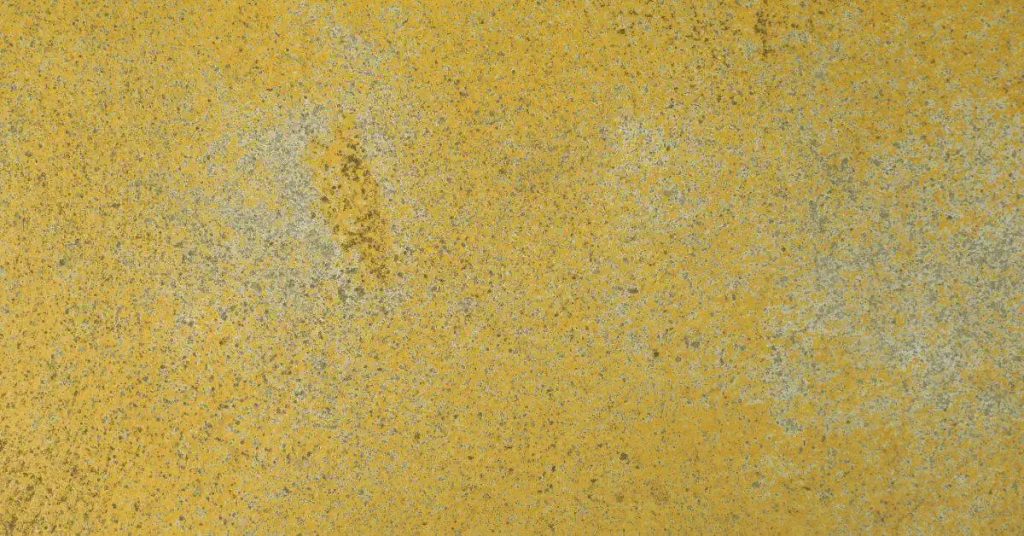
yellow stained concrete surface with varying texture

Concrete Surface Delamination: Causes, diagnosis, and repair that lasts

Introduction Delamination is the surface layer of concrete peeling or separating from the underlying concrete, creating a patchy, hollow feel. It often shows up as a dull patch that may flake or sound hollow when tapped. Lightly tapping suspect areas can help you spot where the top lift isn’t bonded well. To diagnose, look for

Concrete Surface Delamination: Causes, diagnosis, and repair that lasts Read More »

Blue paint roller over open paint can

How Long Concrete Takes to Cure: Real timing for sealing, painting, and loads

Introduction Curing is the period when fresh concrete hardens and gains strength as it dries. For DIY projects, you can start light use only after it has set enough to bear light foot traffic. Temperature and moisture drive this process, and the method you use to cure will affect the outcome. Full curing takes time

How Long Concrete Takes to Cure: Real timing for sealing, painting, and loads Read More »

Precast concrete panel resting on sandy ground

Concrete Sealer Whitening After Rain: Causes and how to restore clarity

Introduction Sealer whitening after rain is a cloudy, milky look on newly sealed concrete caused by moisture and uneven drying. It happens when the surface still holds moisture or the sealer cures too fast in damp conditions. Check the product label and local guidelines for ideal conditions and reapplication steps. To prevent it, seal only

Concrete Sealer Whitening After Rain: Causes and how to restore clarity Read More »

Black metal fence with gold decorative spikes close-up

Concrete Fibers Explained: Microfiber vs macrofiber and what each actually does

Introduction Concrete fibers are tiny reinforcing additives added to concrete to improve crack resistance and durability. Microfibers are very fine fibers that help control tiny cracks and plastic shrinkage, while macrofibers are larger and designed to increase toughness and impact resistance. In DIY terms, you’ll notice better handling and fewer tiny cracks, but you still

Concrete Fibers Explained: Microfiber vs macrofiber and what each actually does Read More »

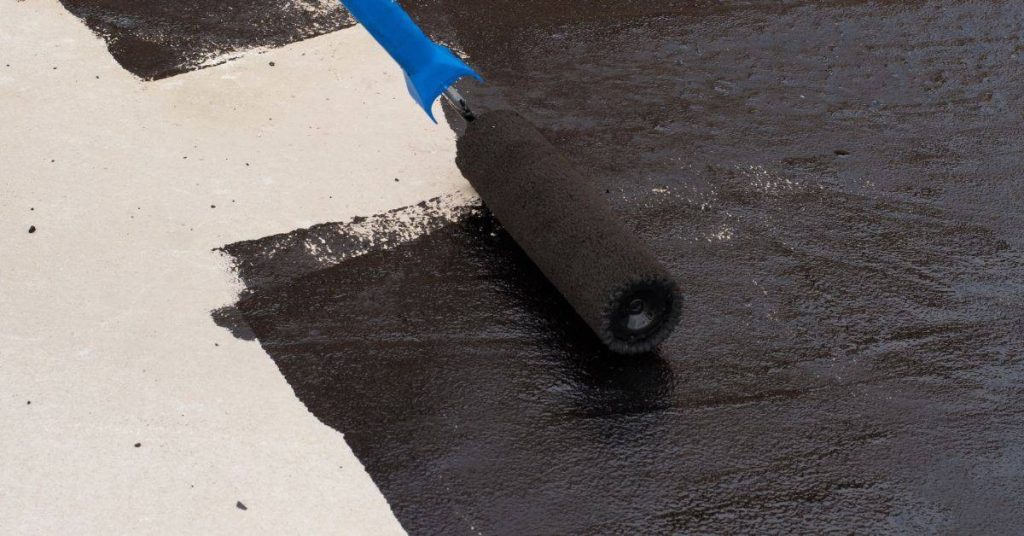
Paint roller applying black sealer on concrete surface

Concrete Sealer Recoat Windows: Why ‘too soon’ and ‘too late’ both cause problems

Introduction A concrete sealer recoat is best done when the surface is ready to bond again, so applying too soon or too late can cause problems. If you seal too soon, the new coat may not adhere well or cure correctly. If you wait too long, contaminants or the old film can prevent proper bonding.

Concrete Sealer Recoat Windows: Why ‘too soon’ and ‘too late’ both cause problems Read More »

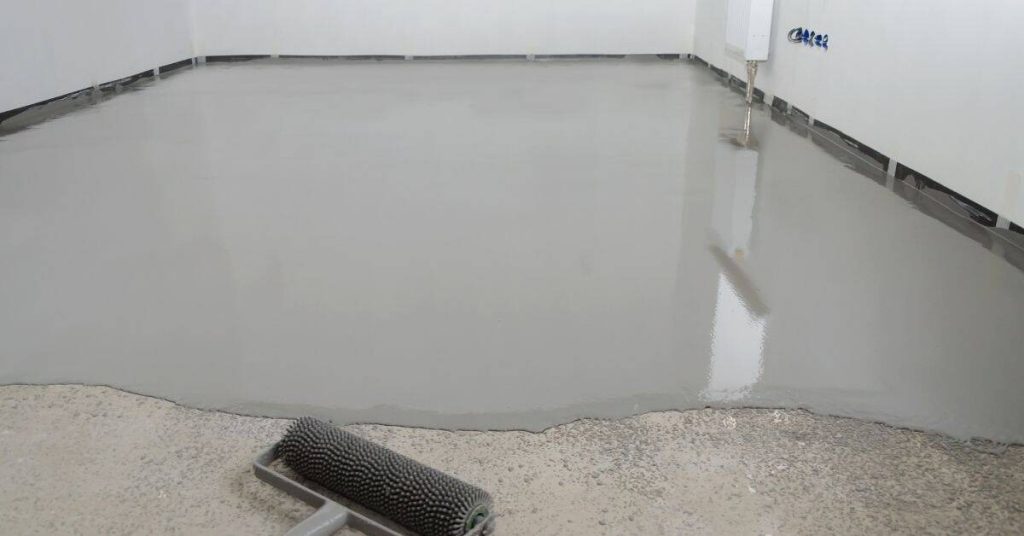
Freshly applied self-leveling concrete floor with roller

Microtopping Problems: Preventing bubbles, pinholes, and delamination

Introduction Microtopping problems are defects like bubbles, pinholes, and delamination that happen when a thin decorative concrete layer can’t bond or level properly. This article covers straightforward, hands-on steps to prevent them during mixing, prep, and application. You’ll also see how surface preparation and choosing self-leveling options can help you get a smoother, longer-lasting finish.

Microtopping Problems: Preventing bubbles, pinholes, and delamination Read More »