Search Results for: epoxy floor

precast concrete wall panels with steel roof framing

Grinding vs Scarifying vs Milling: Picking Removal Methods by Depth and Dust

Introduction Grinding, scarifying, and milling are three removal methods that remove concrete from the surface, each with a different tool and result. Grinding uses a rotating abrasive disk to smooth and flatten the top layer. Scarifying tears and scratches the surface to lift material more aggressively, while milling removes larger sections with a powered drum. […]

Grinding vs Scarifying vs Milling: Picking Removal Methods by Depth and Dust Read More »

Man patching plaster on white ceiling with trowel

Patching Vertical Surfaces Overhead: Mixes, Bonding, and Sag Control

Introduction Patching vertical surfaces overhead means repairing overhead concrete with a patching mix to restore a flat surface. Use a mix rated for overhead bonding and follow the product label for prep and cure. Work from bottom to top as needed, and plan for potential sag during setting. Bonding strength and sag control come from

Patching Vertical Surfaces Overhead: Mixes, Bonding, and Sag Control Read More »

Concrete support columns under a waterfront bridge

Repairing Honeycombed Columns: Inject, Patch, or Rebuild? A Decision Tree

Introduction Repairing honeycombed columns means deciding whether to inject materials, patch the surface, or rebuild the column core. It’s a practical call based on how severe the damage looks and whether the structure still carries load safely. Always assess the condition with your eyes and a quick test, then check product labels and local rules

Repairing Honeycombed Columns: Inject, Patch, or Rebuild? A Decision Tree Read More »

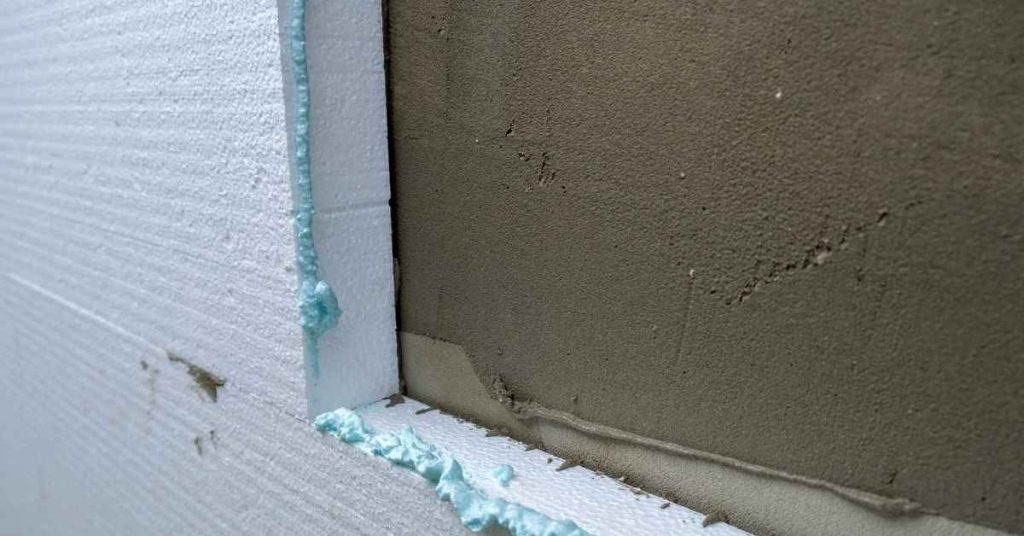
Close-up of foam insulation and repair mortar edge

Feather-Edge Rules for Repair Mortars: Minimum Thickness by Product Type

Introduction Feather-edge thickness for repair mortars is the minimum thickness you should aim for at the feathered edge of a repair, as defined by the product you choose. Because different products have different requirements, always check the label and the manufacturer instructions for the exact minimum. If in doubt, consult local rules or a pro

Feather-Edge Rules for Repair Mortars: Minimum Thickness by Product Type Read More »

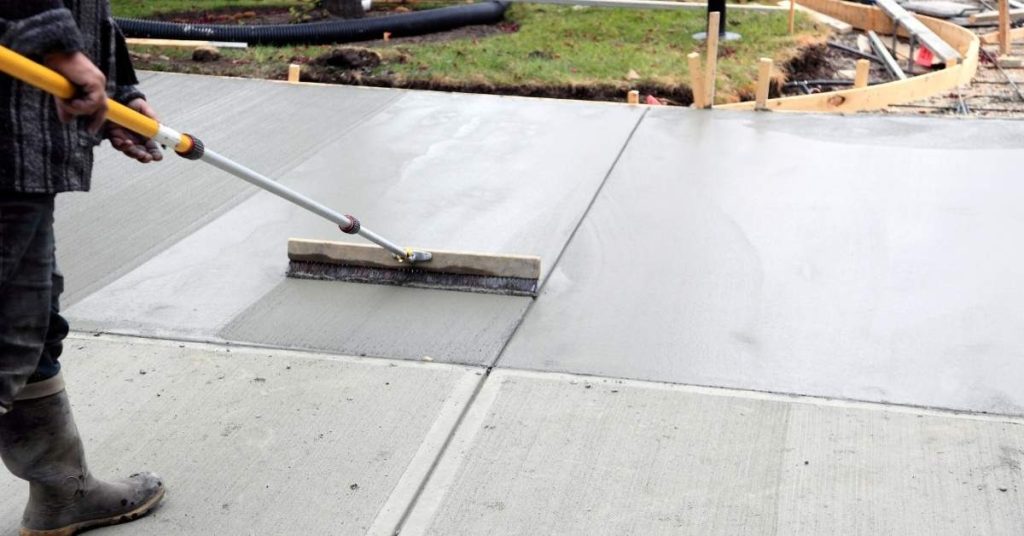
Person using concrete broom on wet concrete sidewalk

Reprofiling Worn Broom Finish: Thin Overlay vs Cut-and-Replace

Introduction Reprofiling worn broom finish means restoring a broom-textured concrete surface by either applying a thin overlay or replacing the affected slab. The approach you choose hinges on how deep the damage is, how flat you need it, and what your budget allows. Before you mix anything, focus on proper surface prep, crack clearing, and

Reprofiling Worn Broom Finish: Thin Overlay vs Cut-and-Replace Read More »

Close-up of a large crack in concrete slab surface

Concrete Crack Stitching With Staples: When It Works and How to Detail It

Introduction Concrete crack stitching with staples is a method that uses staples and epoxy to bridge and reinforce cracks in concrete. It’s most practical for non-structural cracks where movement is limited and the surface is accessible. Check product labels and local rules for epoxy and staple kit compatibility before starting. Typical materials to have on

Concrete Crack Stitching With Staples: When It Works and How to Detail It Read More »

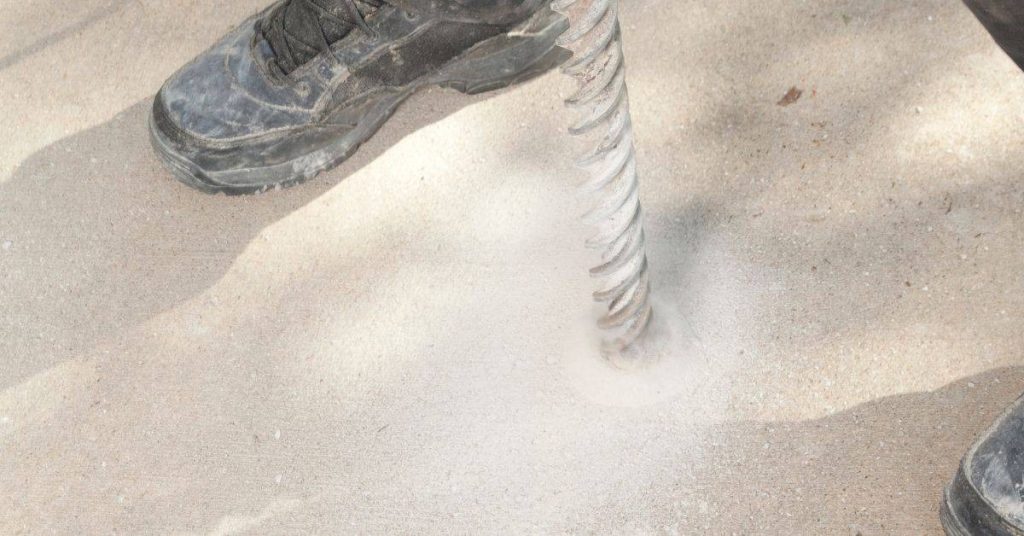
Close-up of drill bit boring into concrete with worker's boots

Concrete Core Sampling 101: Where to Drill, How to Patch, and What Labs Can Tell You

Introduction Concrete core sampling is the process of extracting a small cylindrical sample from a hardened slab or wall to inspect its strength, composition, and condition. This is a hands-on task that you may tackle in simple projects, but you should plan for proper safety, access, and documentation, and verify local rules and requirements before

Concrete Core Sampling 101: Where to Drill, How to Patch, and What Labs Can Tell You Read More »

Worker spraying cement plaster on interior wall

Aluminate Cement Systems: Compatibility Traps With Portland Cement Repairs

Introduction Aluminate cement systems can clash with Portland cement repairs because their chemistries and hydration behave differently. That mismatch can affect bonding, crack resistance, and how the repair ages in real-world use. In practical terms, you want to know if the two systems will stick together over time and cope with the environment around your

Aluminate Cement Systems: Compatibility Traps With Portland Cement Repairs Read More »

Close-up of cracked gray concrete surface with visible fissures

Concrete Surface Profile Comparators: Choosing CSP Without Over-Grinding

Introduction CSP stands for Concrete Surface Profile, and it describes how rough or smooth a concrete surface is. Choosing the right CSP helps coatings and overlays grip well, without grinding away too much material. This article keeps it practical for DIYers and focuses on getting the profile right without overdoing it. The ICRI CSP scale

Concrete Surface Profile Comparators: Choosing CSP Without Over-Grinding Read More »