Search Results for: efflorescence

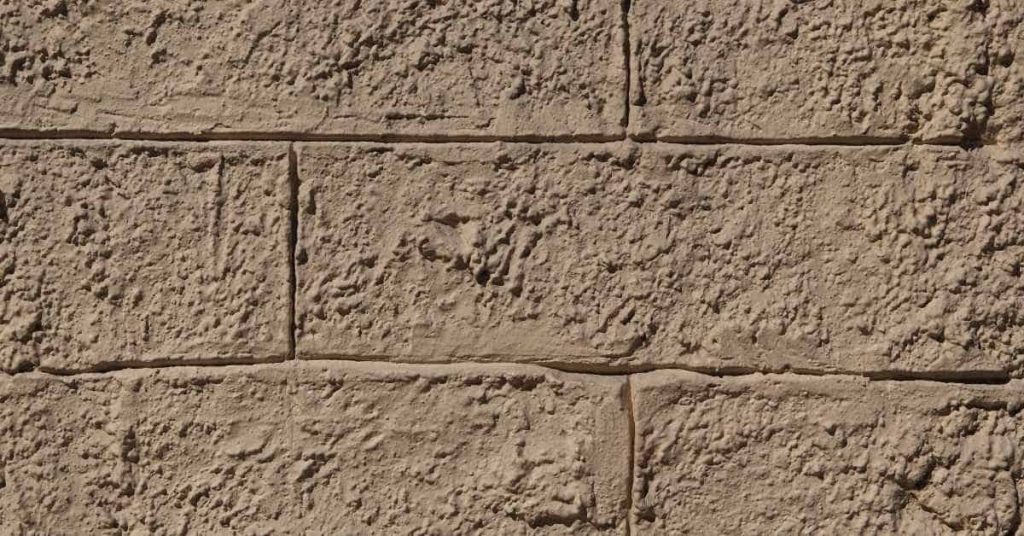
Close-up of textured stucco block wall

How to Stop Sprinkler Overspray From Destroying Stucco (Layout, Drip Lines, and Barriers)

Introduction Sprinkler overspray on stucco happens when sprinkler spray hits the wall instead of the yard, letting water soak into the stucco and fascia. Before making changes, observe a cycle to see where the spray lands and then plan adjustments to the layout and head spacing. Check manufacturer instructions or local rules for required clearances […]
How to Stop Sprinkler Overspray From Destroying Stucco (Layout, Drip Lines, and Barriers) Read More »

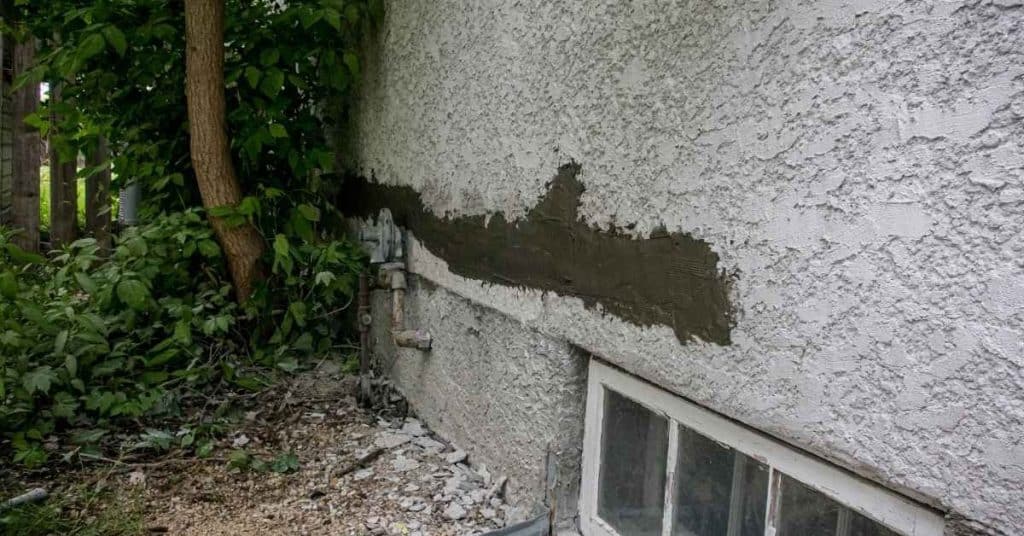
Exterior stucco wall with fresh dark patch above basement window

Stucco at Grade: Fixing a Wall That’s Too Close to Soil Without Tearing Everything Off

Introduction When stucco sits too close to soil, it traps moisture and can lead to damage over time. This article explains a practical way to fix it without tearing everything off. You’ll look for a small gap, proper flashing, and a plan to widen the clearance as needed. Start by inspecting for contact points and

Stucco at Grade: Fixing a Wall That’s Too Close to Soil Without Tearing Everything Off Read More »

Highly polished concrete floor reflecting overhead lights

How to Make Concrete Look Like Limestone: Washes, Rubbed Finishes, and Sealers

Introduction This is a DIY technique to make concrete resemble limestone using washes, rubbed finishes, and sealers. You’ll work in stages from prepping the surface to applying color washes and texture. This approach aims for a natural, diffused look rather than a glossy finish. Start by cleaning the surface and addressing any rough spots, then

How to Make Concrete Look Like Limestone: Washes, Rubbed Finishes, and Sealers Read More »

Closeup of spider crack on rough concrete surface

DIY Concrete Waterproofing on the Inside: When It Works and When It’s a Trap

Introduction DIY concrete waterproofing on the inside is applying moisture barriers and sealants to interior concrete surfaces to keep dampness at bay. It helps when intrusion comes through cracks, porous walls, or hydrostatic pressure, but it isn’t a substitute for good exterior drainage. We’ll walk through identifying water sources and choosing practical interior steps for

DIY Concrete Waterproofing on the Inside: When It Works and When It’s a Trap Read More »

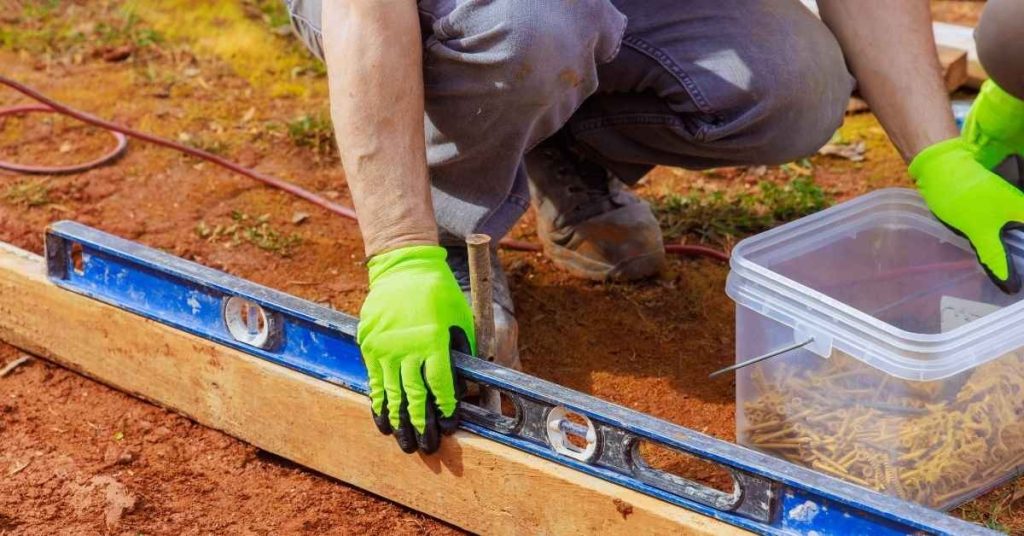
Person using level on wooden form with screws nearby

DIY Concrete ‘Rock Face’ Texture: Simple Form Liner Alternatives

Introduction Rock-face texture in concrete is a rough, split-look finish created with simple form liners. This article covers easy, affordable ways to get that look without heavy equipment. You’ll want to check the liner instructions and local rules before you start. If you don’t have ready-made liners, you can improvise with basic plywood or foam

DIY Concrete ‘Rock Face’ Texture: Simple Form Liner Alternatives Read More »

Old hammer and chisel on wood shavings covered surface

DIY Concrete Overlay Over Tile: When It’s Possible and the Bond-Breakers to Avoid

Introduction Yes, you can overlay concrete over tile if the tile is sound and properly prepared for bonding. Make sure the existing surface is firmly adhered and free of movement. If you’re unsure, check the manufacturer’s instructions or local rules before you start. Watch for bond-breakers like sealants, coatings, or residue that can prevent adhesion

DIY Concrete Overlay Over Tile: When It’s Possible and the Bond-Breakers to Avoid Read More »

Close-up of concrete countertop surface with pinholes and texture

Fixing Pinholes in Concrete Countertops Without Regrinding the Whole Surface

Introduction A pinhole is a tiny void or air gap in cured concrete that shows as a small surface pore. You can fix it without regrinding the entire countertop by targeting the defect with the right repair approach. This intro covers identifying pinholes and choosing practical repair materials for a DIY fix. Prepare the surface

Fixing Pinholes in Concrete Countertops Without Regrinding the Whole Surface Read More »

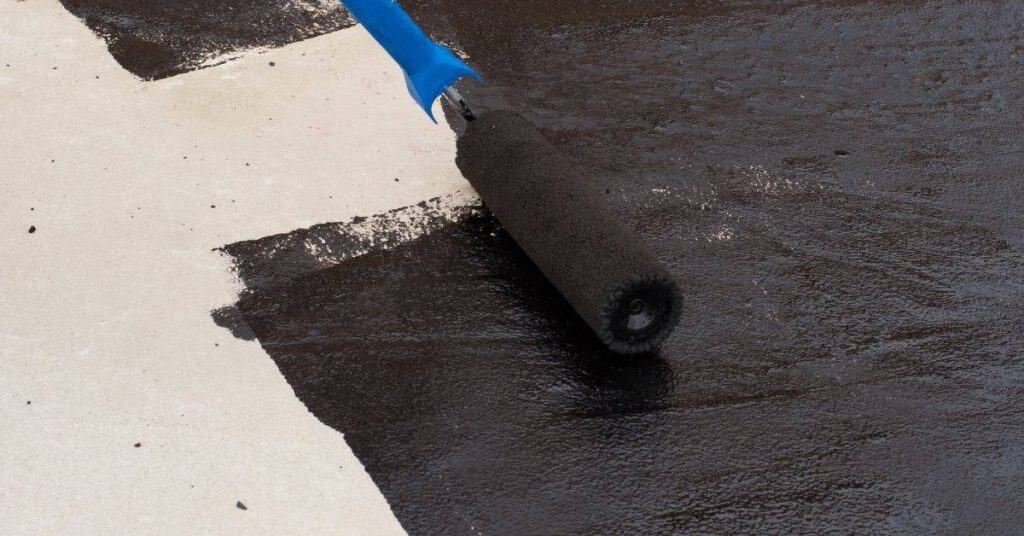
Paint roller applying black concrete sealer on light concrete surface

Concrete Sealer Lap Marks: Why They Happen and How to Prevent ‘Shiny Stripes’

Introduction Concrete sealer lap marks are shiny stripes that appear when sealer dries unevenly along the edges of a previous pass. They often come from pooling, overlapping strokes, or applying too many coats too quickly. In practice, you can spot them as brighter lines where the finish looks different from the surrounding surface. To prevent

Concrete Sealer Lap Marks: Why They Happen and How to Prevent ‘Shiny Stripes’ Read More »

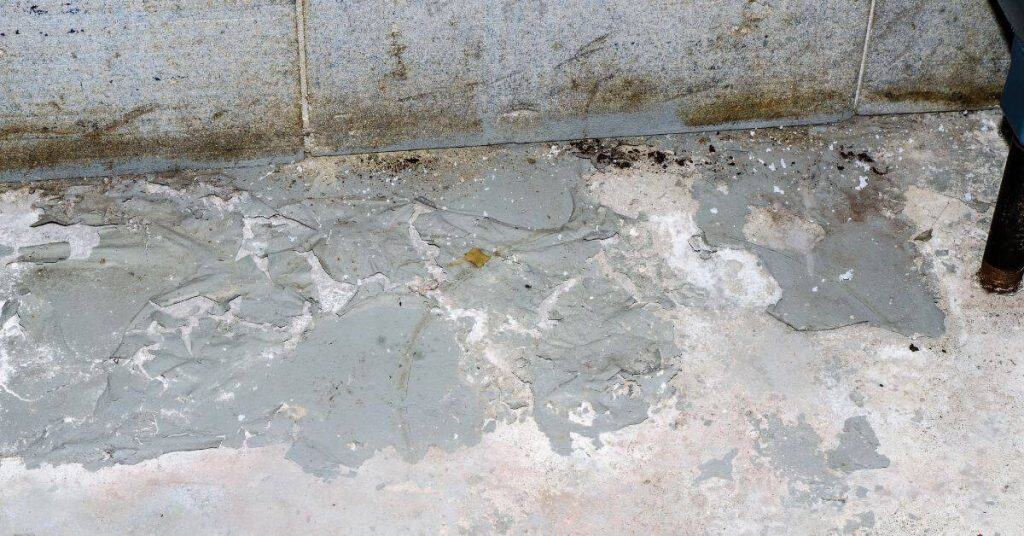
Peeling gray coating on concrete surface near wall

How to Recoat a Concrete Sealer Without Peeling: Adhesion Tests and Prep Steps

Introduction Recoating a concrete sealer means applying a fresh layer over a sealed concrete surface after confirming the old layer sticks well. Before you open a new can, inspect the old finish for peeling or staining and prepare to clean and roughen the surface as needed. Keep the goal simple: the new coat should bond

How to Recoat a Concrete Sealer Without Peeling: Adhesion Tests and Prep Steps Read More »

Box fan on concrete floor with damp stains and wall marks

Sealer Blush/Whitening on Concrete: Causes, Tests, and Fixes That Don’t Trap Moisture

Introduction Sealer blush or whitening on concrete is a cloudy, milky haze that appears on the surface when moisture moves through the material and brings minerals to the surface. It often shows up after sealing or in humid, wet conditions and can look like a fuzzy white film. It’s a common DIY issue on pavers

Sealer Blush/Whitening on Concrete: Causes, Tests, and Fixes That Don’t Trap Moisture Read More »