Search Results for: efflorescence

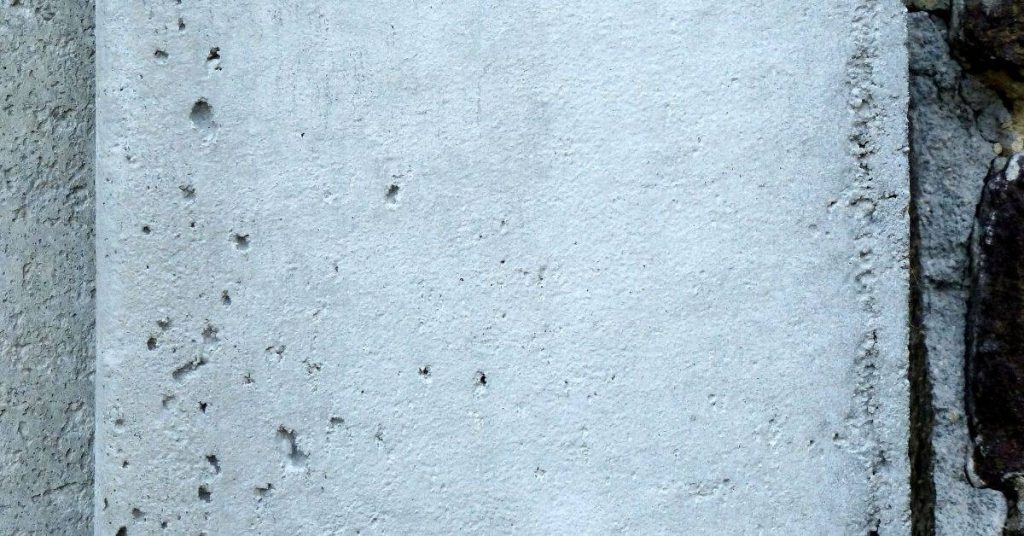
Concrete wall surface with multiple small holes and rough texture

Form Tie Holes on Concrete Walls: Clean Fill Techniques That Don’t Halo After Sealing

Introduction Form tie holes on concrete walls are the small openings left where form ties passed through the forms, and cleaning and filling them correctly prevents staining and “halos” after you seal the wall. For a DIYer that means choosing a compatible fill material, preparing the hole and surrounding concrete, and using application techniques that […]

Form Tie Holes on Concrete Walls: Clean Fill Techniques That Don’t Halo After Sealing Read More »
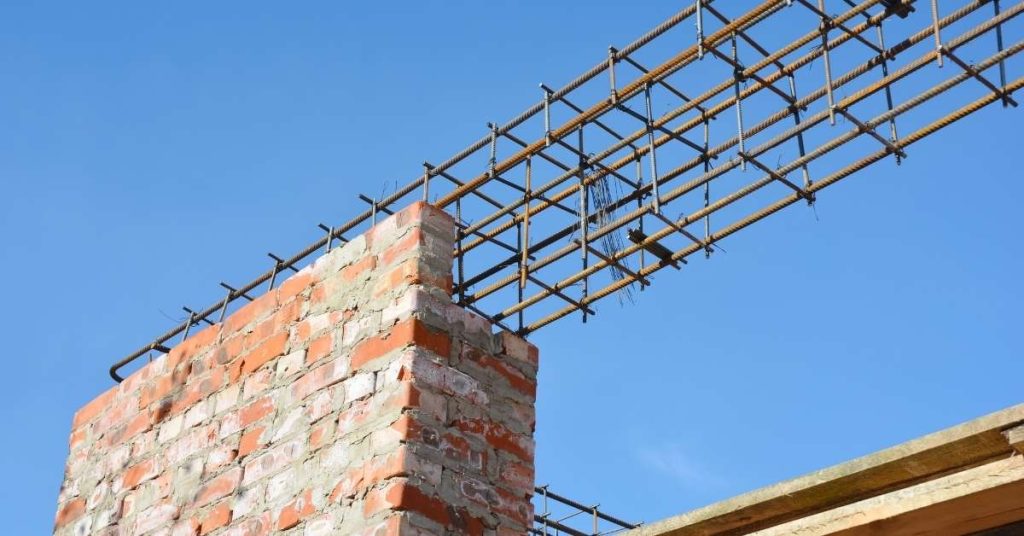
Brick wall with exposed rebar frame against blue sky

Repairing Settlement Cracks Along a Garage Stem Wall: Drainage Checks and Patch Strategy

Introduction Repairing settlement cracks along a garage stem wall means checking why water is pooling, fixing drainage, and then sealing and patching the cracks so the wall stops moving and water stops getting in. Start by looking for low spots, clogged drains, downspouts that dump by the foundation, and any gaps at the slab-wall joint,

Repairing Settlement Cracks Along a Garage Stem Wall: Drainage Checks and Patch Strategy Read More »

Red concrete formwork braces with yellow safety railing

Concrete Step Risers: Setting Consistent Heights and Avoiding Trip Hazards

Introduction Concrete step risers are the vertical faces of stairs and they need to be consistent from top to bottom to keep steps safe and comfortable. On a DIY job that means measuring, forming, and checking each riser before you cast, and if a specific height matters for code or accessibility, check local rules or

Concrete Step Risers: Setting Consistent Heights and Avoiding Trip Hazards Read More »

Smooth epoxy coated concrete garage floor with car

Setting Epoxy Anchors in Damp Concrete: When It Works and When It’s a Hard No

Introduction Epoxy anchors can work in damp concrete, but whether they do depends on the product and the site conditions. Some epoxies tolerate dampness or damp-to-wet surfaces, while others require dry holes—check the manufacturer instructions and product label before you start. On the jobsite that means choosing the right epoxy cartridge for moisture, cleaning and

Setting Epoxy Anchors in Damp Concrete: When It Works and When It’s a Hard No Read More »

Stacked precast concrete slabs outdoors on construction site

Vapor Barriers Under Slabs: Thickness, Seams, and How to Patch After Plumbing Cuts

Introduction A vapor barrier under a slab is a continuous layer of material placed on the subbase to limit moisture movement into the concrete. For DIY installs that means picking a durable sheet, checking the manufacturer label for thickness and puncture resistance, and planning how seams and penetrations will be sealed. Think practical: roll it

Vapor Barriers Under Slabs: Thickness, Seams, and How to Patch After Plumbing Cuts Read More »

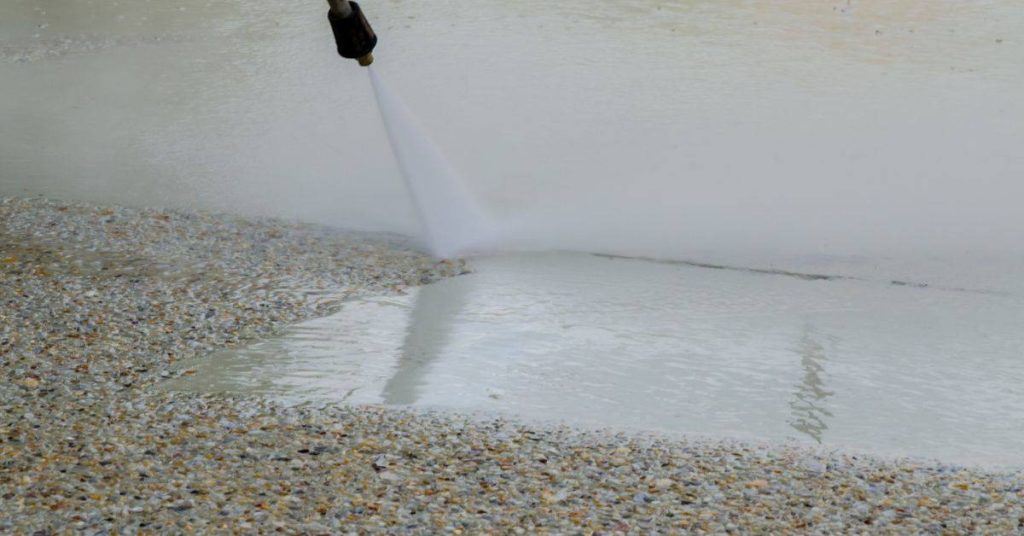
Pressure washing exposed aggregate concrete surface

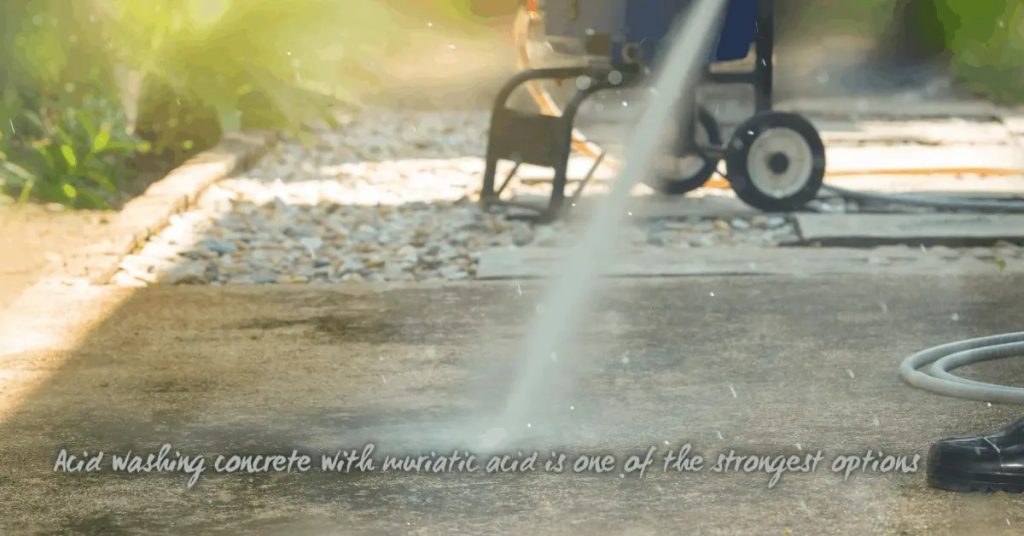
Concrete Etch Alternatives: When Degreasing and Profiling Beat Acid Washing

Introduction Concrete etch alternatives are practical cleaning and mechanical methods—like degreasing and surface profiling—that replace acid washing when you need safer, more controlled prep. As a DIYer, think of degreasing to remove oils and contaminants and of profiling (grinding, shot blasting, or scarifying) to roughen the slab so coatings will stick; check product labels and

Concrete Etch Alternatives: When Degreasing and Profiling Beat Acid Washing Read More »

Modern living room with gray concrete floor and gray sofa

Concrete Dyes vs Stains: UV Fade Reality and Best Uses Indoors vs Out

Introduction Concrete dyes are colorants that penetrate or bind to the surface for vivid, often translucent color, while stains are chemical or pigment treatments that change color through a reaction or surface coating; pick the product by reading the label and manufacturer instructions for your exact material. In plain jobsite terms: dyes usually give brighter,

Concrete Dyes vs Stains: UV Fade Reality and Best Uses Indoors vs Out Read More »

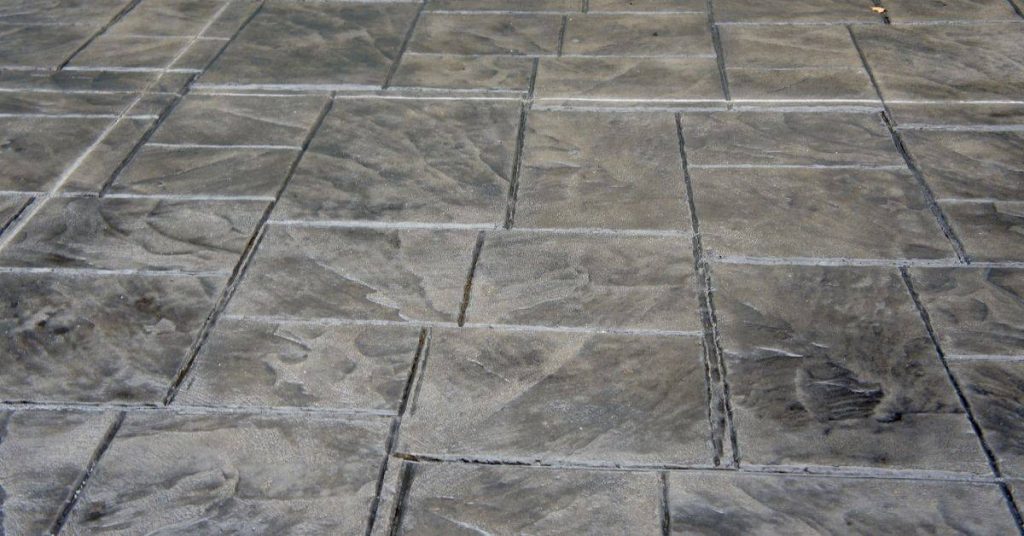
Stamped concrete patio surface with uneven stain blotches

Concrete Stain Blotchiness: Why Porosity Changes and How to Even It Out

Introduction Concrete stain blotchiness is when the color looks uneven because the slab soaks up stain at different rates. It happens because porosity varies across the surface from finishing, curing, contaminants, or patchwork. You can reduce it by cleaning, profiling, and using appropriate primers or application methods—check product labels and manufacturer instructions for compatibility. For

Concrete Stain Blotchiness: Why Porosity Changes and How to Even It Out Read More »

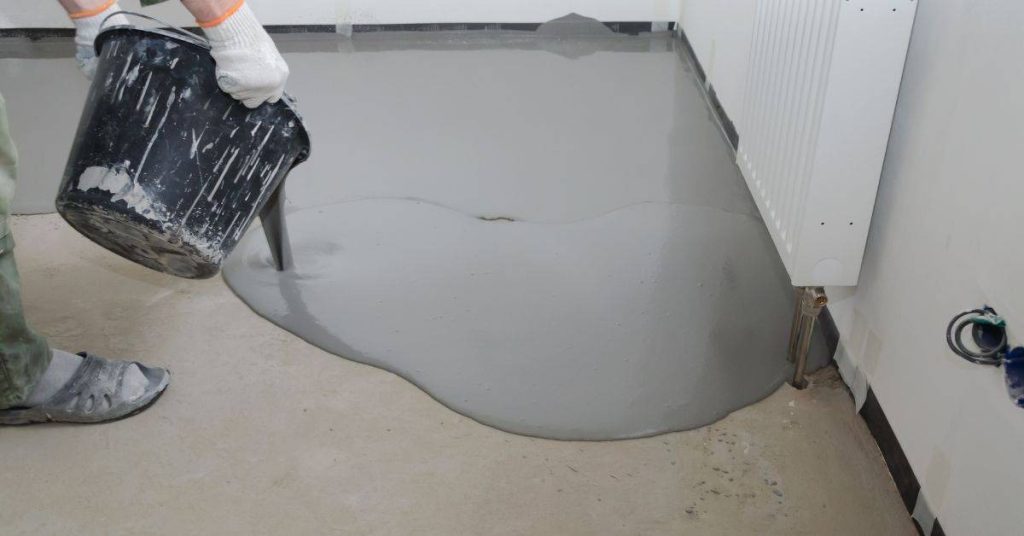
Person pouring gray self-leveling compound on concrete floor

Self-Leveling Overlay Over Concrete: Primer Steps That Stop Debonding

Introduction Self-leveling overlay over concrete is a pourable cement-based or polymer-modified material that evens a slab, and the right primer and prep are what stop it from debonding. Before you mix anything, clean and mechanically profile the slab, repair cracks and holes, and read the overlay and primer instructions for recommended substrates and pot life.

Self-Leveling Overlay Over Concrete: Primer Steps That Stop Debonding Read More »