Search Results for: efflorescence

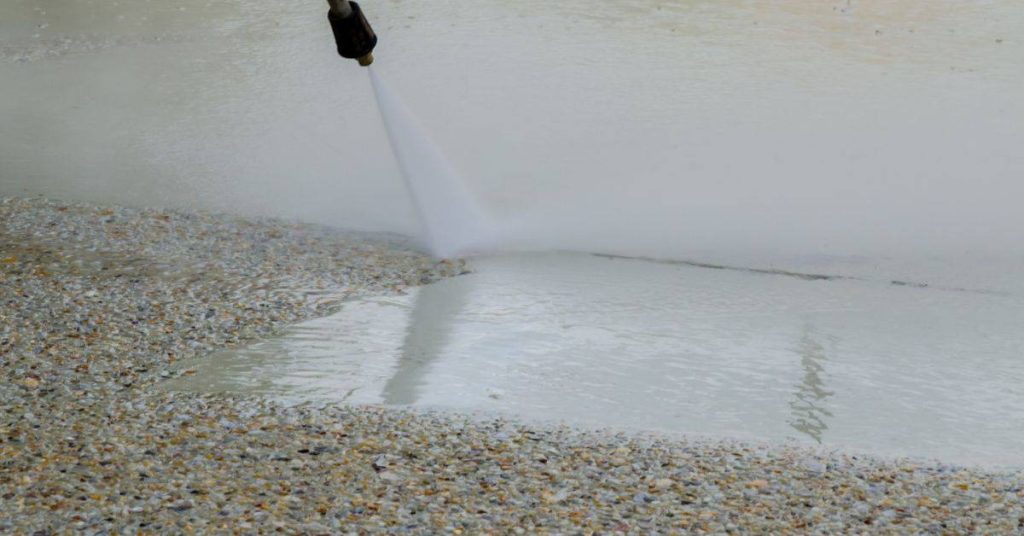
Pressure washing exposed aggregate concrete surface

Exposed Aggregate Finish: Timing, Washing, and Sealing for Long-Term Durability

Introduction Exposed aggregate finish is when you reveal the decorative rocks in fresh concrete by washing away the surface grout at the right time. Plan the pour with your exposure goal in mind, and monitor the surface as it firms so you can decide when to start washing. Have a clear sequence for washing, exposing

Exposed Aggregate Finish: Timing, Washing, and Sealing for Long-Term Durability Read More »

Worker applying drywall joint tape on wall standing on scaffold

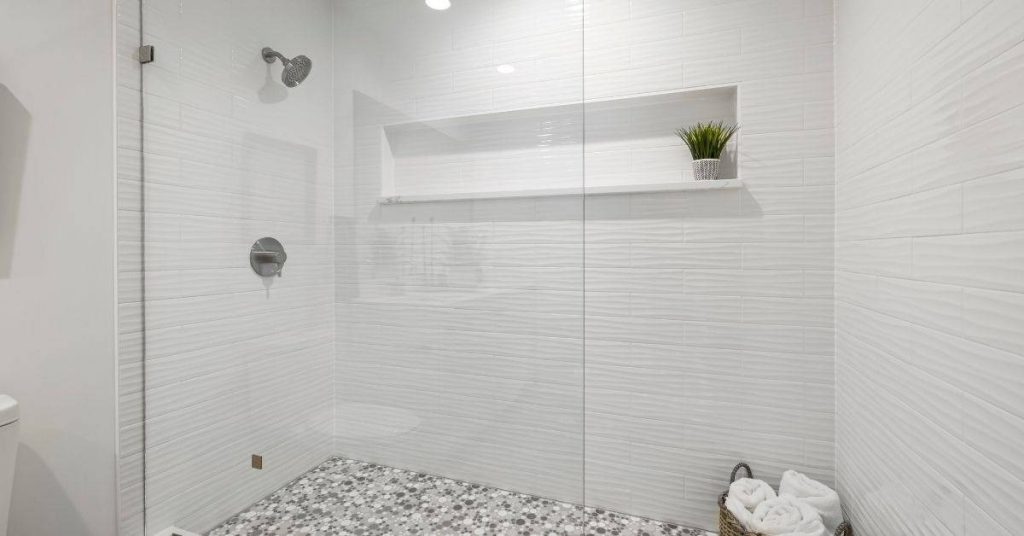
Cement Board Seams in Showers: Tape, Thinset, and Where Waterproofing Goes

Introduction Cement board seams in showers are the joints where panels meet and must be sealed with tape and thinset before waterproofing. This helps keep water from wicking behind the boards and causing damage over time. You’ll want a careful, patch‑and‑press approach that follows the board and tape instructions for best results. Best practices include

Cement Board Seams in Showers: Tape, Thinset, and Where Waterproofing Goes Read More »

Hand applying plaster to wall with trowel

Plaster Wall Cracks: Which Ones Are Cosmetic and Which Signal Movement

Introduction Hairline cracks in plaster walls are usually cosmetic, while wider cracks that shift or show displacement can signal movement. This article gives a plain-spoken check for what to look for and how to judge the difference. You’ll learn simple signs to watch and steps to take before you decide on DIY fixes or calling

Plaster Wall Cracks: Which Ones Are Cosmetic and Which Signal Movement Read More »

Stucco exterior wall with multiple windows and red trim

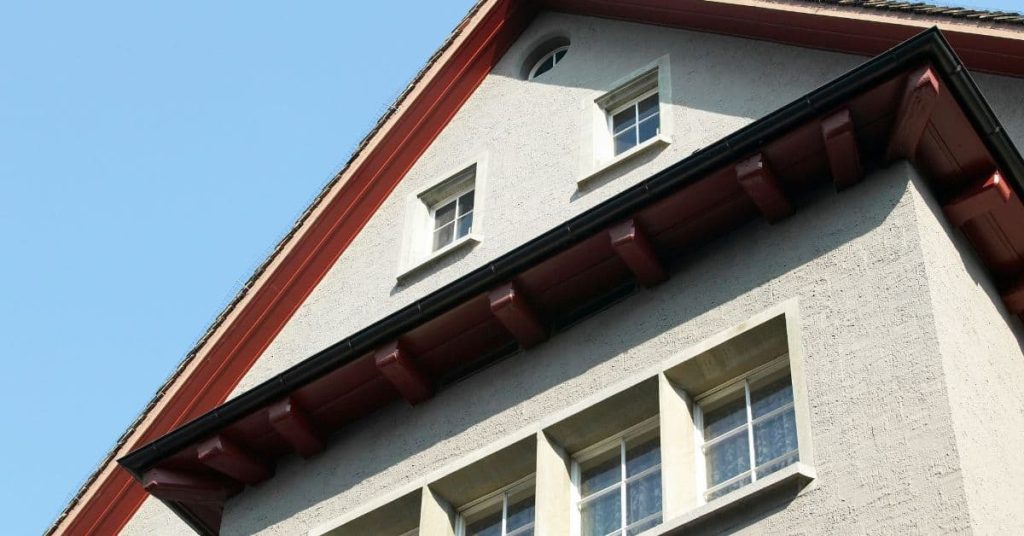
Stucco Cracks Around Windows: Common Causes and Better Detailing

Introduction Stucco cracks around windows are gaps in the stucco that show movement or moisture at the opening. They’re often caused by framing shifts, flashing issues, or moisture-related stress near the window edge. There are different crack types to look for, like hairline, spider, or cross-pattern cracks. Moisture behind the stucco worsens damage, and using

Stucco Cracks Around Windows: Common Causes and Better Detailing Read More »

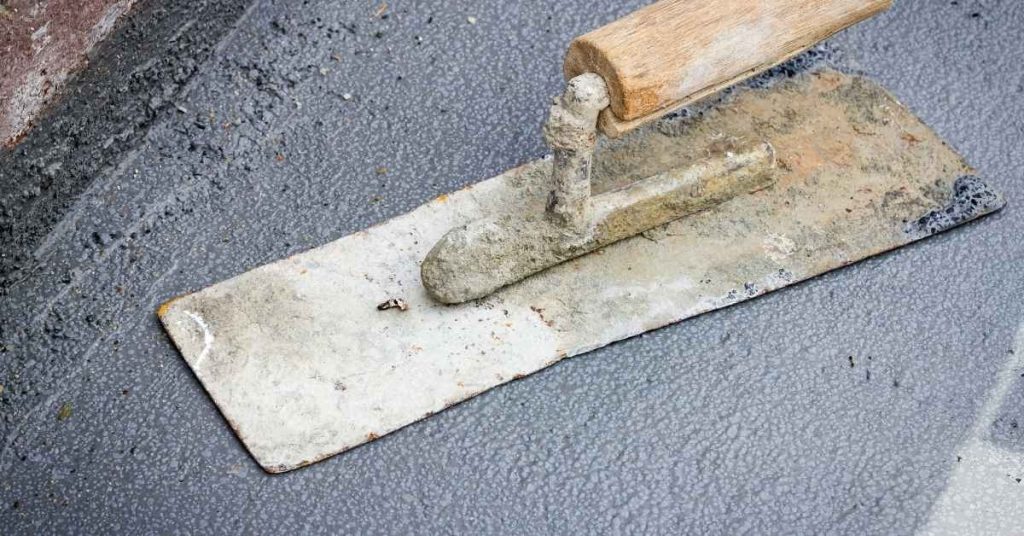
Metal float tool resting on gray parge coat surface

Parge Coat on Foundation Walls: Mix, Surface Prep, and Crack Control

Introduction A parge coat is a thin cement-like coating applied to foundation walls to seal, smooth, and protect them. This article walks you through the basics of mixing, prepping the surface, and controlling cracks so you can do it safely and effectively. You’ll tackle foundation wall prep, choosing a parging mix, and applying a thin,

Parge Coat on Foundation Walls: Mix, Surface Prep, and Crack Control Read More »

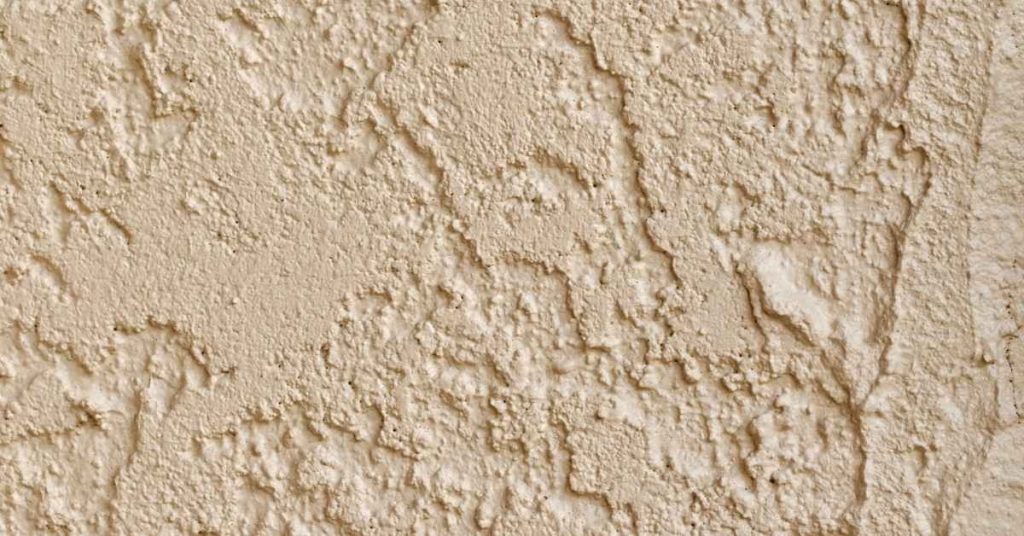
Closeup of textured beige stucco wall surface

How to Seal Brick Safely: Breathable Sealers vs Film Coatings (What to Choose)

Introduction Seal brick safely means choosing between breathable sealers and film coatings to protect the brick while allowing moisture to escape. Breathable sealers let moisture pass through slowly, while film coatings form a surface layer. This article compares how they work and when each is a better fit for DIY projects. For each type, follow

How to Seal Brick Safely: Breathable Sealers vs Film Coatings (What to Choose) Read More »