Search Results for: efflorescence

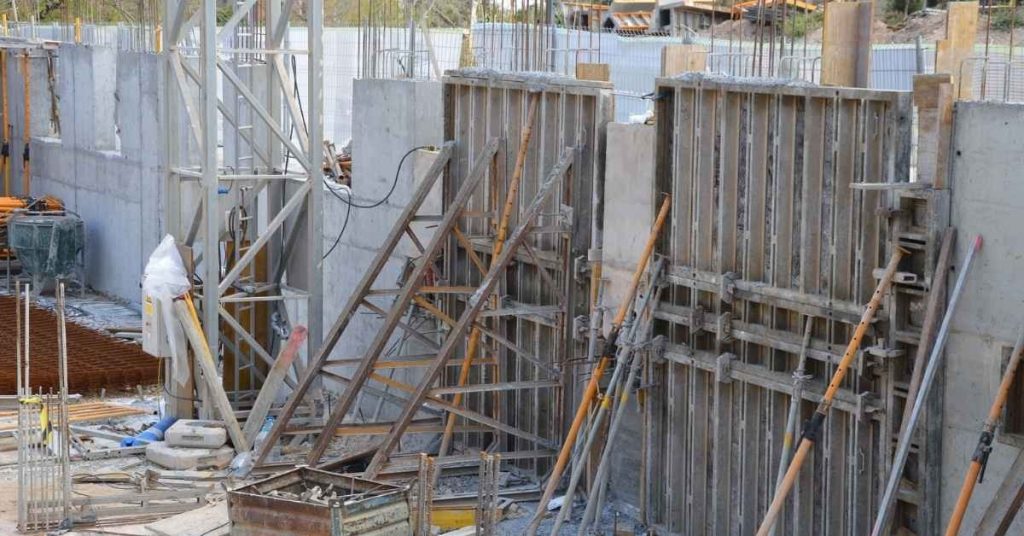
Concrete wall formwork with bracing supports at construction site

How to Fix Concrete That Starts Dusting Early: Curing Mistakes and Densifier Options

Introduction Dusting concrete early means the surface is wearing away, leaving a chalky film. It often comes from curing mistakes that kept the slab too dry or too wet during early hardening. This basic guide covers how to spot it and what you can do next. Densifiers and similar surface hardeners can help bind the […]

How to Fix Concrete That Starts Dusting Early: Curing Mistakes and Densifier Options Read More »
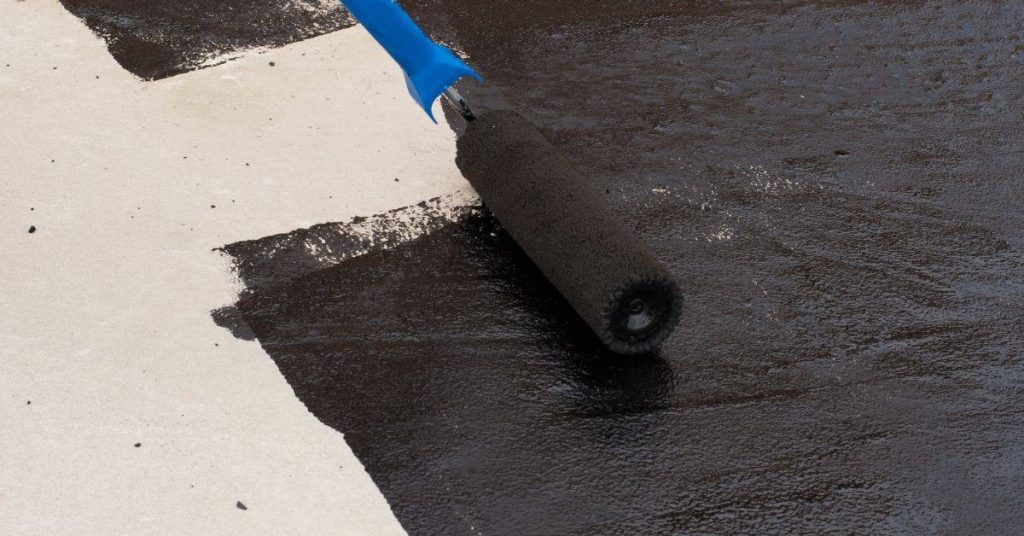
Paint roller applying black sealer on concrete surface

Sealer Whitening After Rain: Why It Happens and How to Restore Clarity

Introduction Sealer whitening after rain is when moisture causes a cured sealant to look milky or cloudy. This happens as water interacts with the film, surface textures, and how the sealant set. If whitening sticks around, check the product instructions and local rules for guidance. To restore clarity, start by letting the area dry completely

Sealer Whitening After Rain: Why It Happens and How to Restore Clarity Read More »

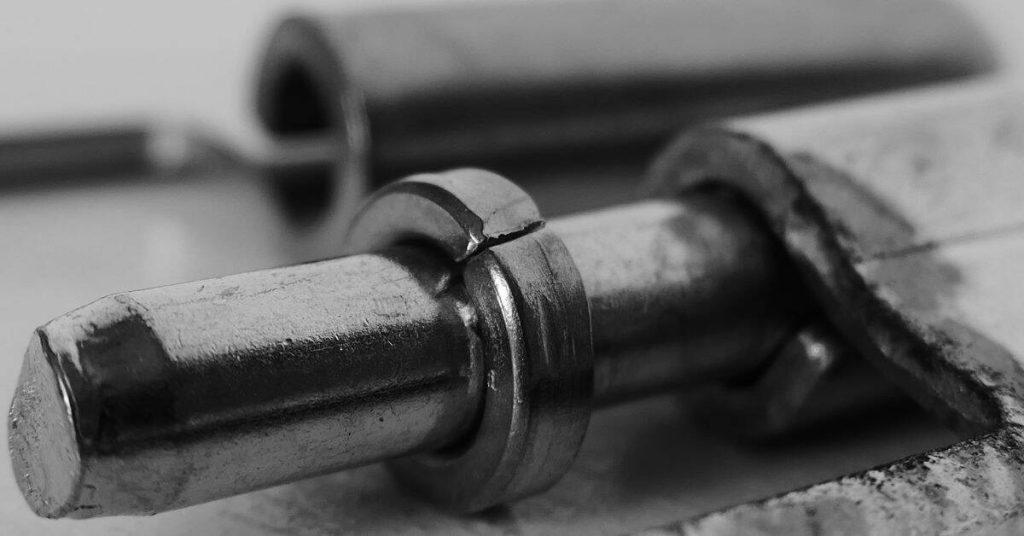
Close-up of metal rod with cracked retaining ring

Ring-Anode Spalls Explained: Why Repairs Can Accelerate Corrosion Next Door

Introduction Ring-anode spalls are corrosion damage around a ring-shaped anode where nearby metal starts spalling due to accelerated attack. In plain terms, you’re seeing how the ring setup can push galvanic action into surrounding metal. It’s a local deterioration issue that can spread if the ring current isn’t balanced or protected from moisture. For a

Ring-Anode Spalls Explained: Why Repairs Can Accelerate Corrosion Next Door Read More »

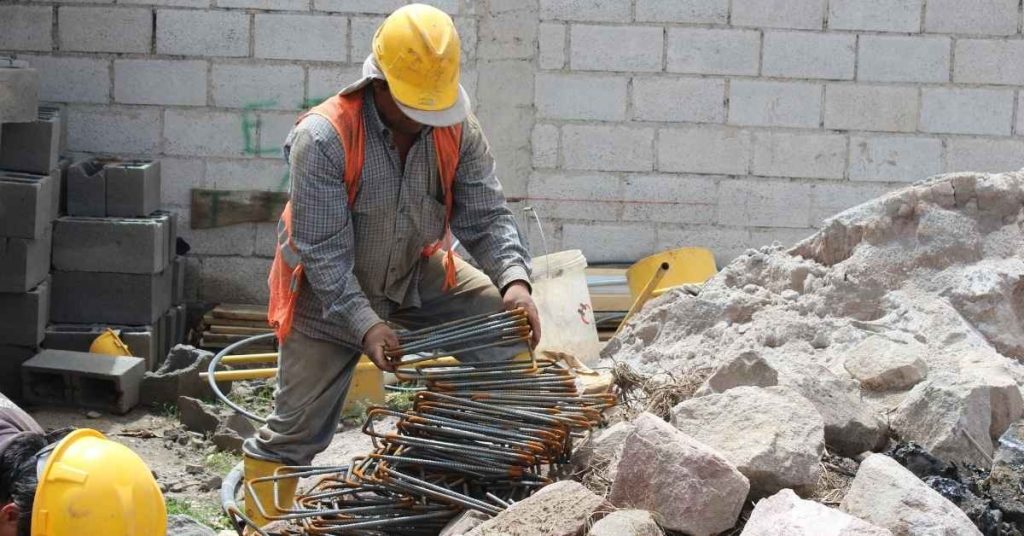
Worker in safety gear handling rusty rebar on construction site

Cleaning Rebar for Small Repairs: When Wire-Brushing Is Enough and When It Isn’t

Introduction Wire-brushing rebar is a surface cleaning method used to remove loose rust and scale from small repair bars before patching. It can be enough when the rust is light and the bar is still solid, with clean steel showing through. Check that the metal is not deeply pitted or flaky; if it is, further

Cleaning Rebar for Small Repairs: When Wire-Brushing Is Enough and When It Isn’t Read More »

Clear glass bowl with white powder under shoe rack

Urethane Topcoat Blushing: Humidity, Solvents, and How to Clear It

Introduction Blushing is a cloudy, milky haze that forms on a polyurethane topcoat surface when moisture or solvents react with the film. In humid conditions or when solvents evaporate too quickly, this haze can appear and stay until the finish dries. Recognizing it early helps you decide whether to slow down, adjust the environment, or

Urethane Topcoat Blushing: Humidity, Solvents, and How to Clear It Read More »

Person painting white window sill with brush

Stucco Hairline Cracking After Painting: Film Thickness, Moisture, and How to Diagnose

Introduction Hairline cracks in painted stucco are tiny, visible splits in the finish that appear after you paint. The issue often comes from how thick the paint film is, moisture effects, or the way the substrate moved over time. To diagnose, look for patterns, damp spots, or soft areas that suggest moisture trouble, and note

Stucco Hairline Cracking After Painting: Film Thickness, Moisture, and How to Diagnose Read More »

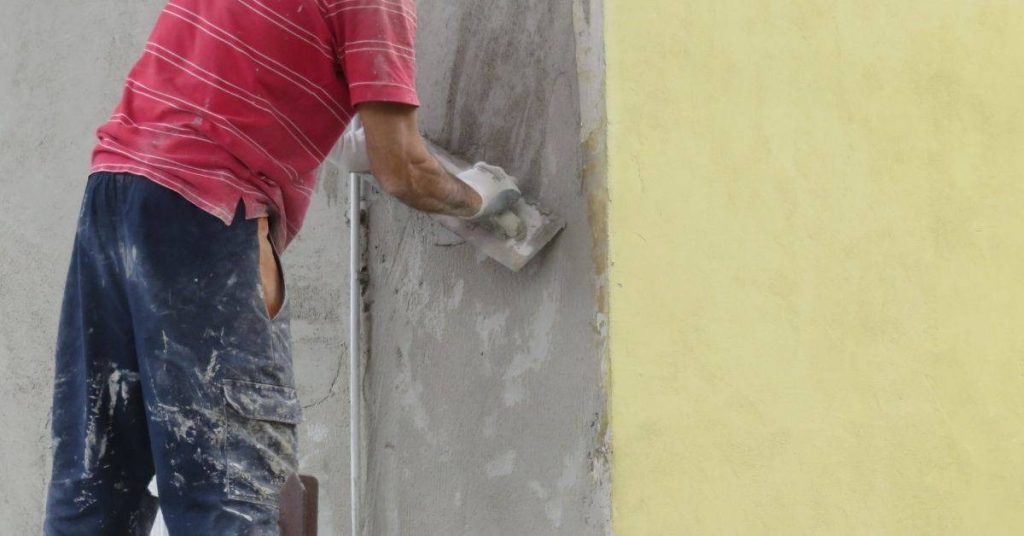
Worker applying stucco on an exterior wall section

Stucco Kickout Flashing Retrofit: Minimal Removal Approaches That Actually Work

Introduction Stucco kickout flashing is a piece of flashing, usually metal or plastic, installed at the edge where the roof overhang meets a stucco wall to redirect water away. This article outlines minimal-removal retrofit ideas that still guide water correctly and protect the wall. You’ll need simple hand tools, basic fasteners, and compatible flashing material

Stucco Kickout Flashing Retrofit: Minimal Removal Approaches That Actually Work Read More »

Paint roller applying white paint on wall surface

How to Paint Concrete Block Without Trapping Moisture: Breathability vs Washability

Introduction Painting concrete block should let moisture escape while protecting the surface. That balance is breathability vs washability, not just color. You’ll need guidance from labels and local rules. Start by cleaning and inspecting for cracks, then plan a breathable, washable finish. Check product labels for vapor permeability and washability, and follow manufacturer instructions. If

How to Paint Concrete Block Without Trapping Moisture: Breathability vs Washability Read More »

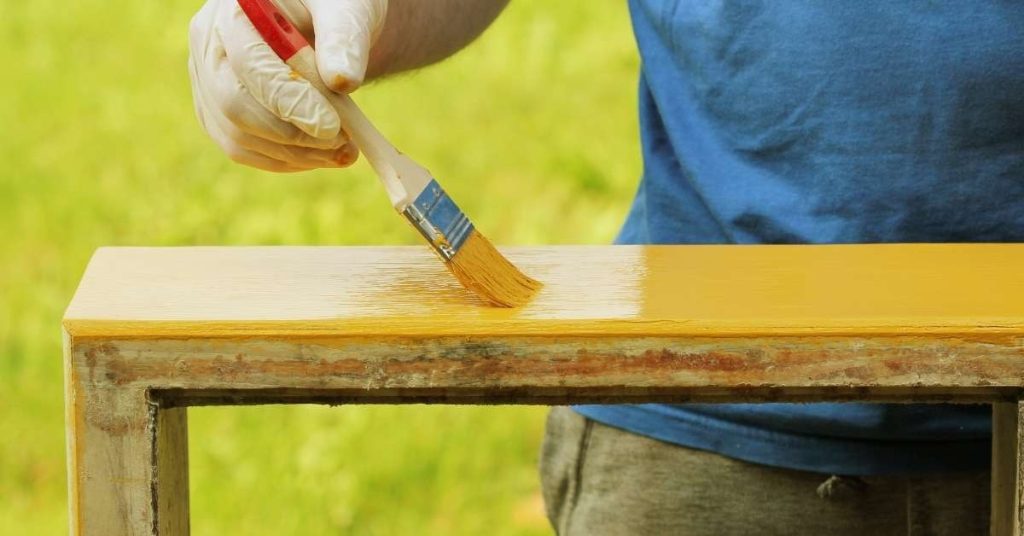
Person painting wooden frame with yellow paint brush

Painting Masonry Indoors: Managing Moisture Drive and Picking a Mineral Coating

Introduction Painting masonry indoors is about selecting a mineral coating and managing moisture to prevent staining and failure. Understanding moisture drive helps you spot efflorescence (mineral deposits) and mold so you treat the wall correctly. This article gives a hands-on, plain-English guide for safely assessing walls, cleaning where needed, and choosing a coating that resists

Painting Masonry Indoors: Managing Moisture Drive and Picking a Mineral Coating Read More »

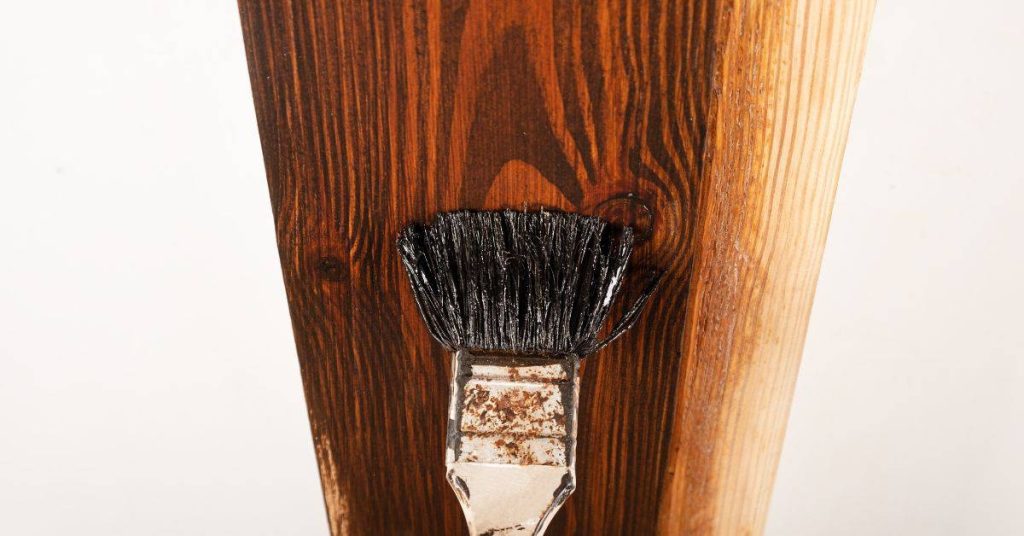
Paintbrush applying dark varnish to wooden plank

Coating Over Damp Wood Near Concrete: Why Blisters Form and Better Breathable Systems

Introduction Blisters form when moisture underneath the coating pushes through and splits the film over damp wood near concrete. You’ll see raised bubbles or pockets as the coating tries to cure in a wet, alkaline environment. Work is risky if you skip drying and proper surface prep. Look for breathable coating options and follow proper

Coating Over Damp Wood Near Concrete: Why Blisters Form and Better Breathable Systems Read More »