Search Results for: efflorescence

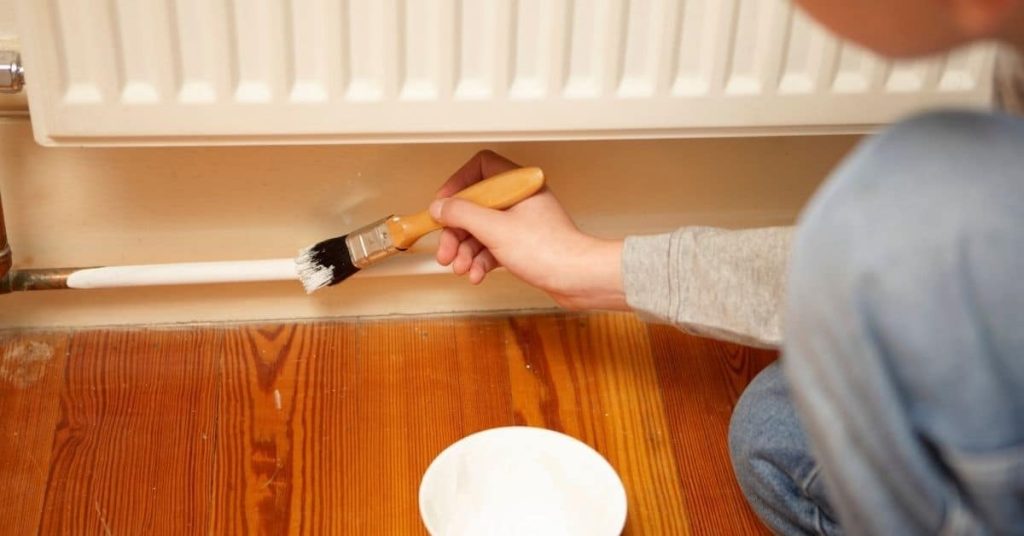
Person painting a metal pipe white near wooden floor and radiator

Painting Over Chalky Fiber Cement: Cleaning Thresholds and Primer Choices

Introduction Painting over chalky fiber cement means you must remove, neutralize, and prime a rough, powdery surface before any paint sticks. Rinse and scrub the surface to remove chalk, dust, and debris. Choose a primer that keys to the chalky layer and a weatherproof topcoat, and follow label directions. Watch for signs like flaking, chalking, […]

Painting Over Chalky Fiber Cement: Cleaning Thresholds and Primer Choices Read More »
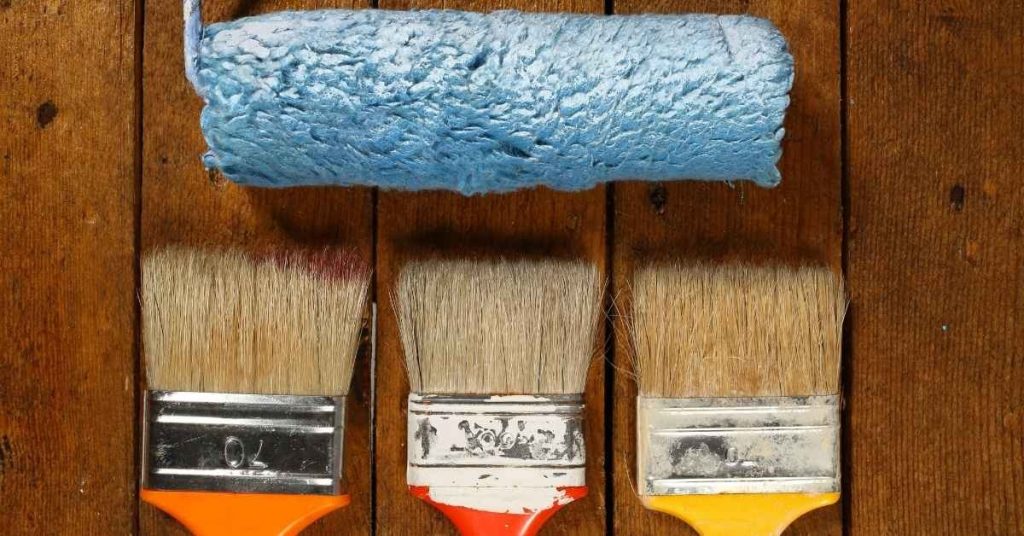
Three paintbrushes and one paint roller on wooden surface

Fixing Paint that ‘Alligators’: Causes, Patch Strategy, and When to Strip

Introduction Alligatoring is when cracked, ridged paint film looks like alligator skin. It happens when the top layer loses flexibility and the underlayer shows through. This tells you that the surface needs attention beyond a quick touch-up. A practical plan is to assess the damage, remove loose paint, and decide whether you can patch or

Fixing Paint that ‘Alligators’: Causes, Patch Strategy, and When to Strip Read More »

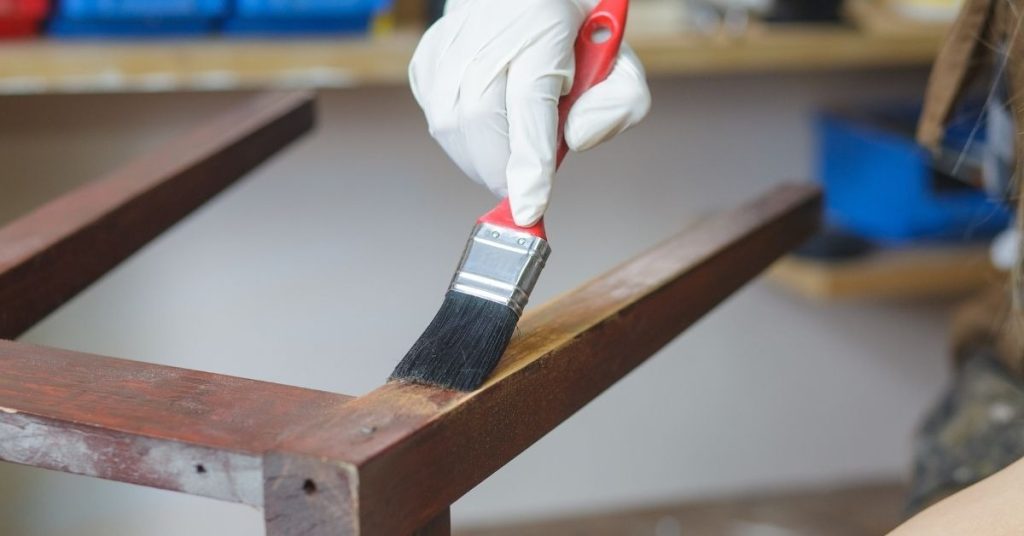
Hand with glove applying varnish on wooden frame with paintbrush

Concrete pH Testing for Coatings: Cheap Strips, Proper Wetting, and Interpreting Results

Introduction pH testing for concrete coatings is a quick check to determine if the surface is ready for adhesion. The test helps you know whether the concrete is clean enough or if pretreatment is needed before applying coatings. This guide keeps it practical and hands-on, not a lab procedure. Use inexpensive pH test strips and

Concrete pH Testing for Coatings: Cheap Strips, Proper Wetting, and Interpreting Results Read More »

paintbrush next to an open can of blue paint

Moisture Issues Under Coatings: DIY Screening That Beats Guessing

Introduction Moisture issues under coatings occur when dampness gets trapped beneath the finish, weakening adhesion and inviting rot. This article explains in plain terms how to spot it, screen for it, and decide what to fix. Think of it as a DIY screening approach you can do with basic checks and honest inspections. Moisture quilts

Moisture Issues Under Coatings: DIY Screening That Beats Guessing Read More »

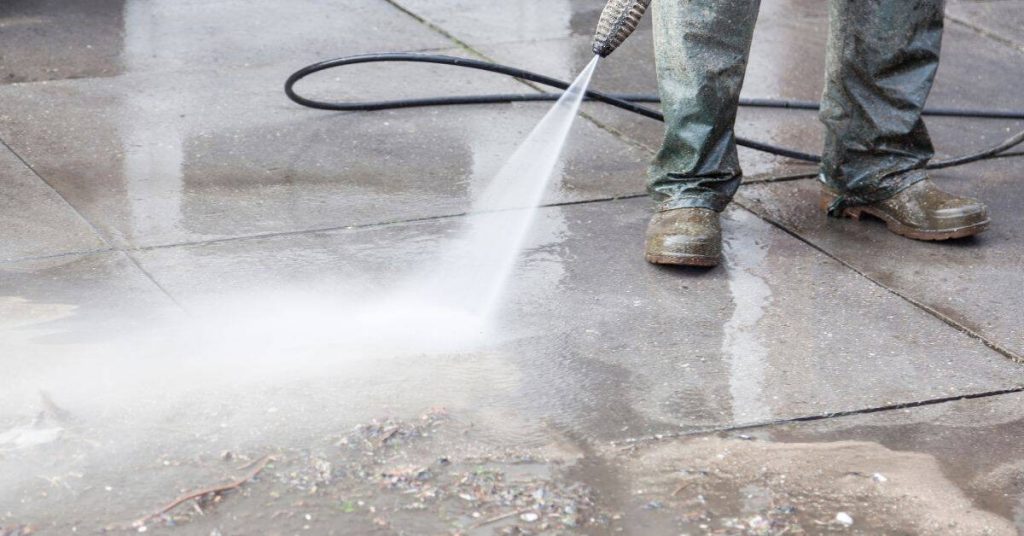
Person pressure washing smooth concrete patio surface

How to Tell If Concrete Is Too Smooth to Coat: Simple Adhesion Checks Before You Prime

Introduction Too smooth concrete resists adhesion and can fail after priming. This article shows simple checks to decide if the surface needs profiling. Roughening helps primers bite into the surface and create a lasting bond. Start with cleaning, then roughen the area using a grinder, wire brush, or sanding pad and clean away dust. Do

How to Tell If Concrete Is Too Smooth to Coat: Simple Adhesion Checks Before You Prime Read More »

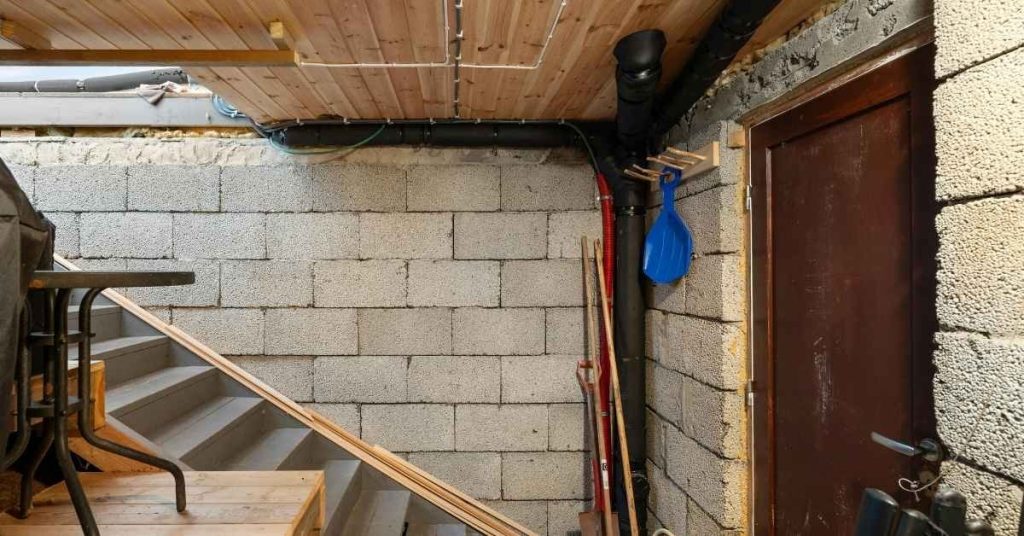
Unfinished basement with concrete block walls and stairs

Setting Anchors in Hollow Block: Screens, Injection, and Pullout Reality

Introduction Setting anchors in hollow block walls means choosing a fastener and method that grip the hollow cores and solid faces to hold a load. For DIYers, two common paths are using a screen-type system or an injection method, each with its own prep and placement steps. This introduction explains what to expect and what

Setting Anchors in Hollow Block: Screens, Injection, and Pullout Reality Read More »

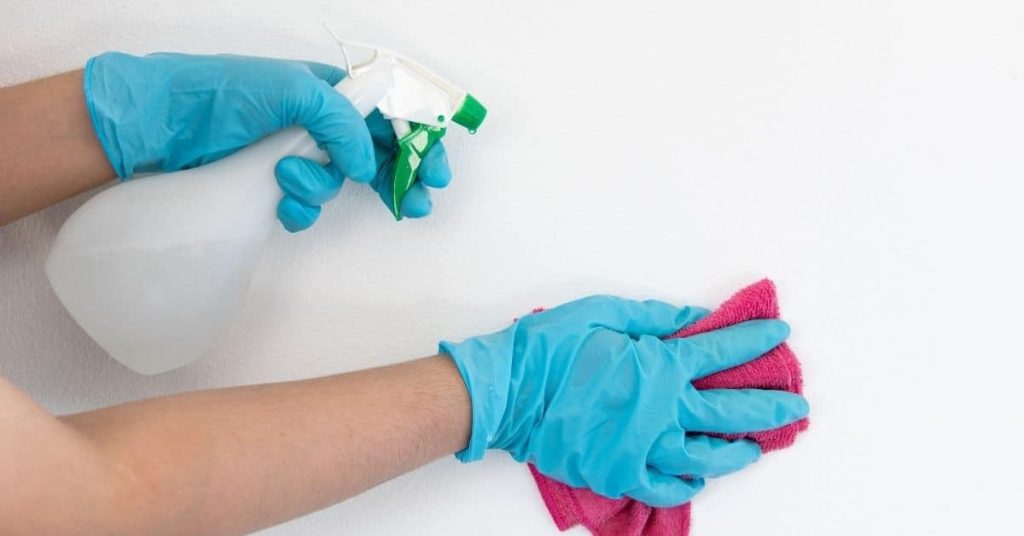
Hands in blue gloves spraying and wiping white wall with cloth

How to Remove Ice Melt Residue Before Resealing: Cleaning Without Etching

Introduction Removing ice melt residue after sealing is cleaning concrete surfaces without etching the finish. Use a non-acid cleaner and plenty of clean water, and work from the edges toward the center to avoid spreading residue. Test a small area first and scrub gently with a soft brush, then rinse well. Look for signs of

How to Remove Ice Melt Residue Before Resealing: Cleaning Without Etching Read More »

Clean decorative concrete driveway with landscaping

Concrete Deicer Alternatives: What’s Safer for Decorative Concrete in Winter

Introduction Safer deicer options for decorative concrete are milder chemicals and methods that reduce staining and damage. Choose products with clear labeling and follow the manufacturer’s directions, and always check local rules or requirements before use. For a DIY approach, prioritize methods that minimize surface impact while keeping things safe on contact with your finish.

Concrete Deicer Alternatives: What’s Safer for Decorative Concrete in Winter Read More »

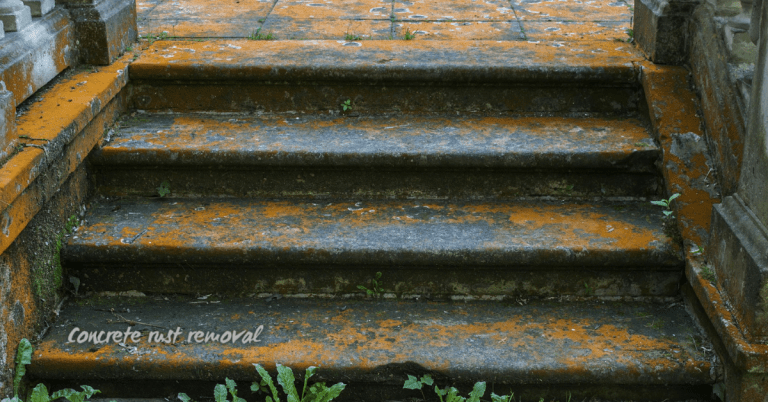
Concrete steps with orange rust stains and some plants growing

DIY Salt Damage Prevention for Steps: Pre-Winter Sealer Checks and Drainage Tweaks

Introduction Salt damage prevention for steps means preparing concrete stairs to resist freeze-thaw and salt exposure before winter. This involves inspecting surfaces, cleaning debris, and checking the edge seals so water and salt don’t penetrate. Keep an eye on cracks or chips and plan resealing if you spot trouble. Before the cold sets in, look

DIY Salt Damage Prevention for Steps: Pre-Winter Sealer Checks and Drainage Tweaks Read More »

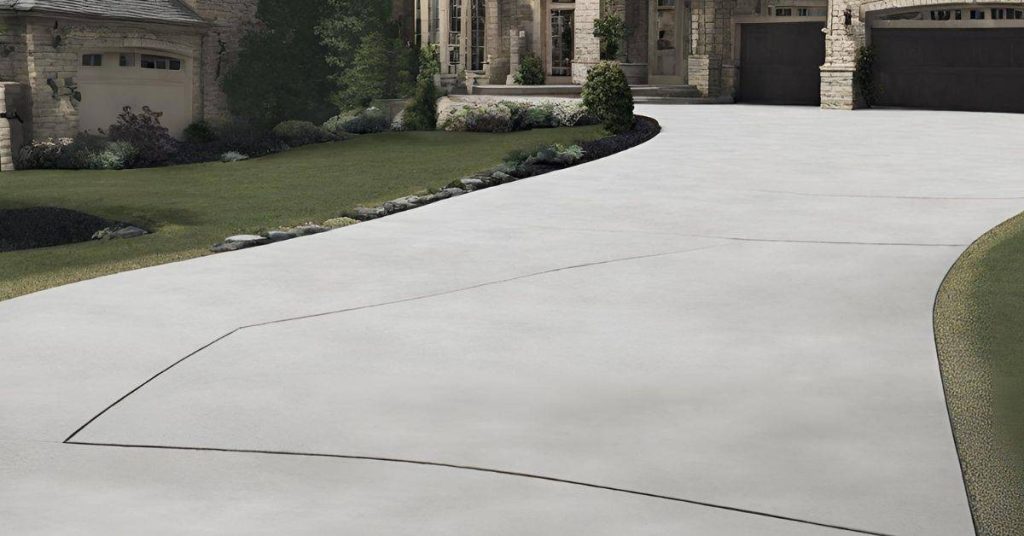
Smooth concrete driveway in front of residential garages

Sealing Concrete With High Moisture: Systems That Tolerate Vapor (and Common Myths)

Introduction Sealing concrete with high moisture means choosing systems that can protect the surface while allowing water vapor to escape. This is not about making a completely watertight barrier, but about selecting materials and methods that tolerate damp conditions. In practice, you’ll look for products and application plans that address vapor transmission and moisture management.

Sealing Concrete With High Moisture: Systems That Tolerate Vapor (and Common Myths) Read More »