Search Results for: efflorescence

Close up of old stone block wall with cracks and vegetation

Salt Damage on Brick Steps: Pre-Winter Protection and Repair Strategy

Introduction Salt damage on brick steps is deterioration caused by salt and moisture that can weaken mortar and stain brick. A DIY approach helps you catch issues early and set up simple protection before winter. This intro keeps the plan practical and free of hype, focusing on what you can check and do with common […]

Salt Damage on Brick Steps: Pre-Winter Protection and Repair Strategy Read More »

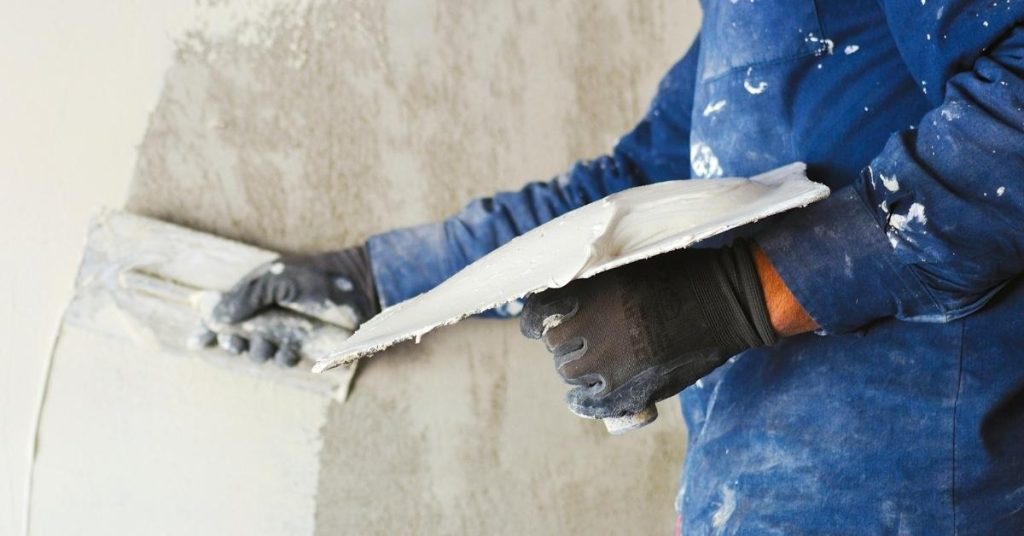
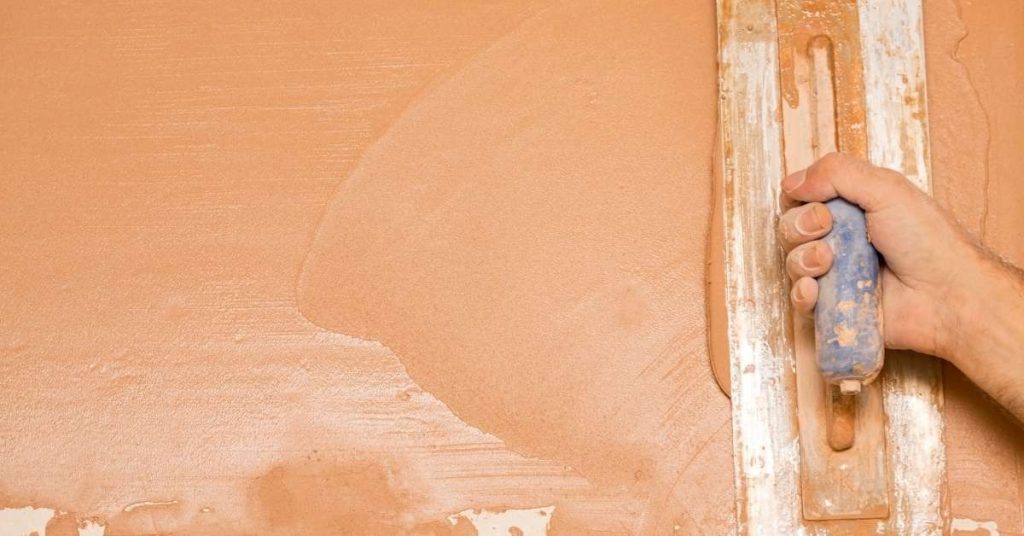
Worker applying plaster to wall with trowel

Smoothing Interior Concrete Block Walls: Skim Coats, Bonding, and Moisture Concerns

Introduction Smoothing interior concrete block walls means applying a skim coat to create a flat, paint-ready surface. It’s a light, even layer that fills small voids and helps the wall accept finish coats. The key is good bonding and proper moisture handling before you start. Lean on simple steps: clean and rough up the surface,

Smoothing Interior Concrete Block Walls: Skim Coats, Bonding, and Moisture Concerns Read More »

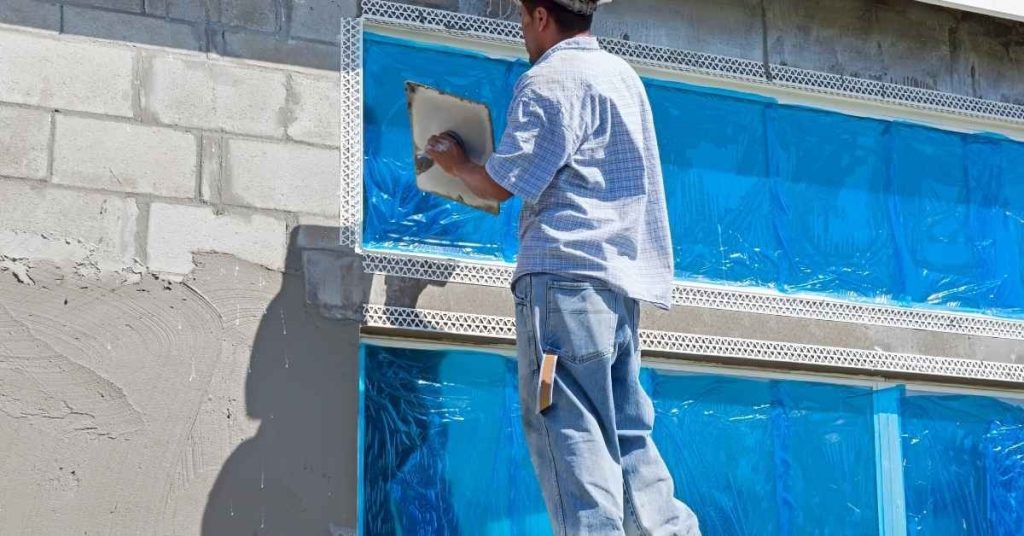
Worker applying stucco over concrete block wall near blue covered windows

Stucco Over Painted Concrete Block: Adhesion Tests and Prep That Prevents Delamination

Introduction Stucco over painted concrete block requires proper surface prep and adhesion testing to prevent delamination. We’ll walk through simple checks you can do with basic tools to judge if the old paint will hold and what to rough up or clean. This is a hands-on, DIY-friendly overview, not a full contractor guide. You’ll start

Stucco Over Painted Concrete Block: Adhesion Tests and Prep That Prevents Delamination Read More »

Paint brush next to green color swatch cards on wooden surface

Marmorino Color Layering: Building Depth Without Blotches or Lap Marks

Introduction Marmorino Color Layering is a plaster technique that builds depth by layering pigments and lime plaster to avoid blotches. You’ll apply thin coats, blend colors wet-on-wet, and smooth to keep it even. Work in small areas and test a patch first to learn how your mix behaves. Start with a clean, damp surface and

Marmorino Color Layering: Building Depth Without Blotches or Lap Marks Read More »

Worker applying plaster to wall with trowel and hawk

Venetian Plaster Over Existing Tile: Prep, Bond Bridges, and Edge Detailing

Introduction Venetian plaster over existing tile is applying plaster onto a tile surface to create a seamless, stone-like finish. Prep and bond are critical, because you’re sticking plaster to a non-porous base. You’ll need to clean, roughen, and seal as needed, then choose a compatible bonding product and follow its directions. Start with careful prep,

Venetian Plaster Over Existing Tile: Prep, Bond Bridges, and Edge Detailing Read More »

Hand wiping plaster wall with gray cleaning rag

Restoring Plaster After Smoke Damage: Cleaning, Sealing, and When Skims Won’t Bond

Introduction Restoring plaster after smoke damage means cleaning soot from surfaces, sealing with an appropriate primer, and addressing spots where skim coats won’t bond. This is a hands-on job you can tackle with basic tools, but you’ll need to verify suitability with product labels and local rules. Start with a gentle cleaning method that won’t

Restoring Plaster After Smoke Damage: Cleaning, Sealing, and When Skims Won’t Bond Read More »

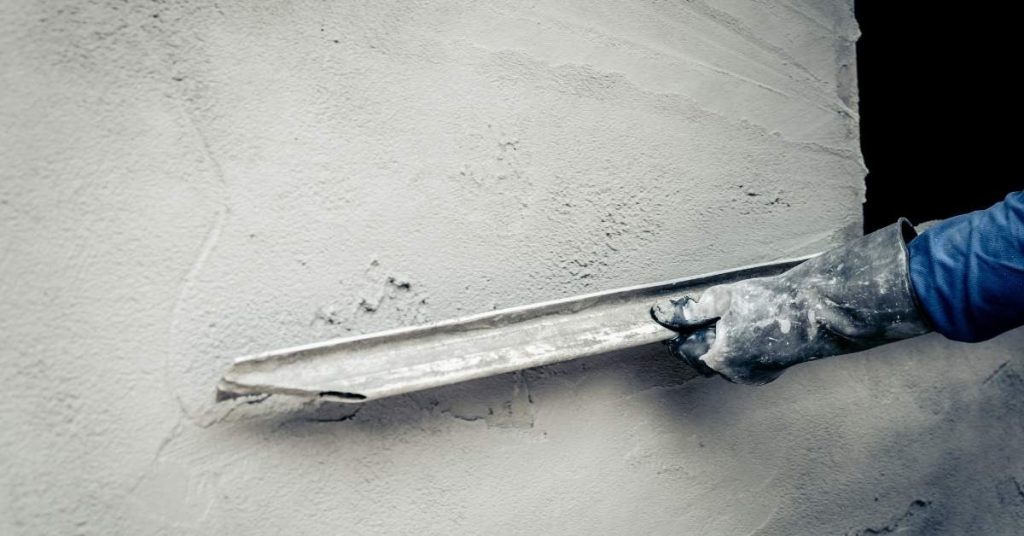
Gloved hand holding a metal trowel against a plaster wall

Hollow-Sounding Plaster Walls: Tap Maps, Key Failure Patterns, and Targeted Stabilization

Introduction Hollow-sounding plaster walls hide voids behind the plaster, so tapping sounds hollow. This usually means the lath or backing has failed or separated from the surface. Understanding this helps you map where stabilization work is needed. To map the problem, tap in several spots and note where the sound is the weakest. Look for

Hollow-Sounding Plaster Walls: Tap Maps, Key Failure Patterns, and Targeted Stabilization Read More »

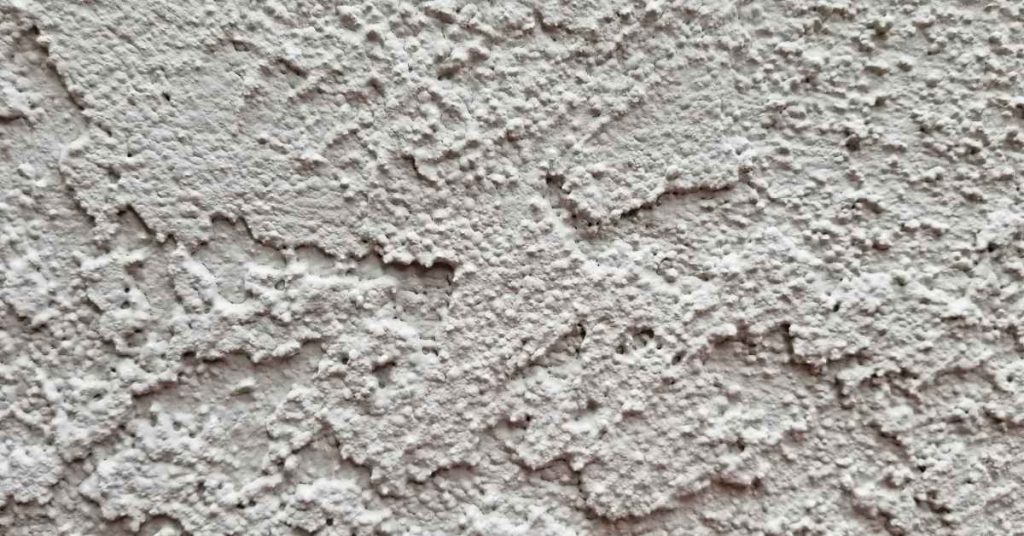
Close-up of white stucco wall texture

Stucco Wicking from Concrete: Base Details and Capillary Break Fixes

Introduction Stucco wicking from concrete happens when moisture travels through the concrete and into the stucco layer. This article covers how to prep the base and prevent capillary pull that brings dampness into the finish. Think of base details as the first line of defense: clean, dry, and properly framed to keep water away. Capillary

Stucco Wicking from Concrete: Base Details and Capillary Break Fixes Read More »

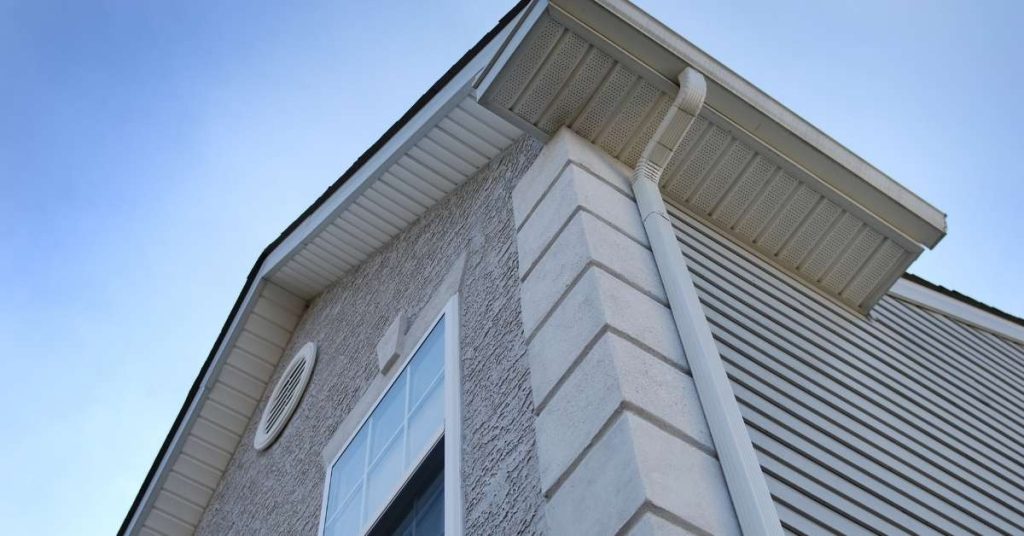
Stucco exterior wall corner with soffit and gutter

Missing Drip Edge on Stucco Bands: Repairing the Detail to Stop Water Tracking

Introduction A drip edge on stucco bands is metal flashing that keeps water from wicking back into the wall. If it’s missing, water can run behind the finish and cause staining or damage. In DIY terms, assess the area by looking for exposed edge along the band and note the flashing orientation. To fix it,

Missing Drip Edge on Stucco Bands: Repairing the Detail to Stop Water Tracking Read More »

Hand applying brown stucco coat with trowel on wall

Stucco Over AAC or Soft Masonry: Suction Control and Base Coat Choices

Introduction Stucco over AAC or soft masonry requires managing suction and choosing a suitable base coat to ensure a durable finish. Prepare the substrate properly and assess suction levels before applying any finish coat. Always check the product labels and manufacturer instructions for compatible base coats and local requirements. Practice proper application techniques for plaster

Stucco Over AAC or Soft Masonry: Suction Control and Base Coat Choices Read More »