Search Results for: dust mop for concrete floor

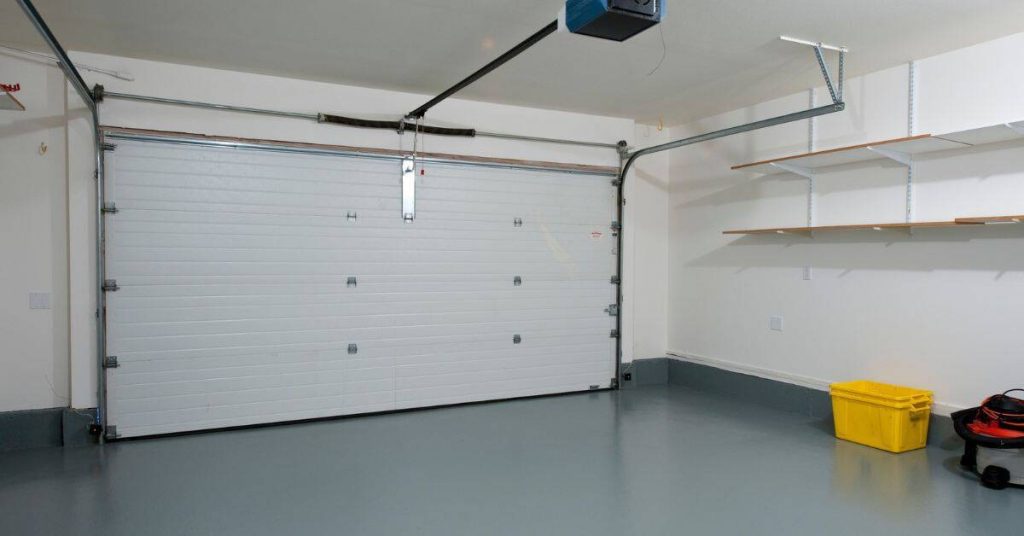
Clean painted concrete garage floor with shelves and yellow bin

Lithium Densifier on Garage Floors: Coverage, Burnishing, and Common Mistakes

Introduction A lithium densifier is a chemical treatment that reacts with concrete to harden the surface. It helps garage floors become more wear resistant and dustproof when applied correctly. Clean, dry surfaces and following the product instructions are essential for best results. Coverage depends on floor porosity and the product label, so check the manufacturer’s […]

Lithium Densifier on Garage Floors: Coverage, Burnishing, and Common Mistakes Read More »

Modern living room with gray concrete floor and gray sofa

Concrete Dyes vs Stains: UV Fade Reality and Best Uses Indoors vs Out

Introduction Concrete dyes are colorants that penetrate or bind to the surface for vivid, often translucent color, while stains are chemical or pigment treatments that change color through a reaction or surface coating; pick the product by reading the label and manufacturer instructions for your exact material. In plain jobsite terms: dyes usually give brighter,

Concrete Dyes vs Stains: UV Fade Reality and Best Uses Indoors vs Out Read More »

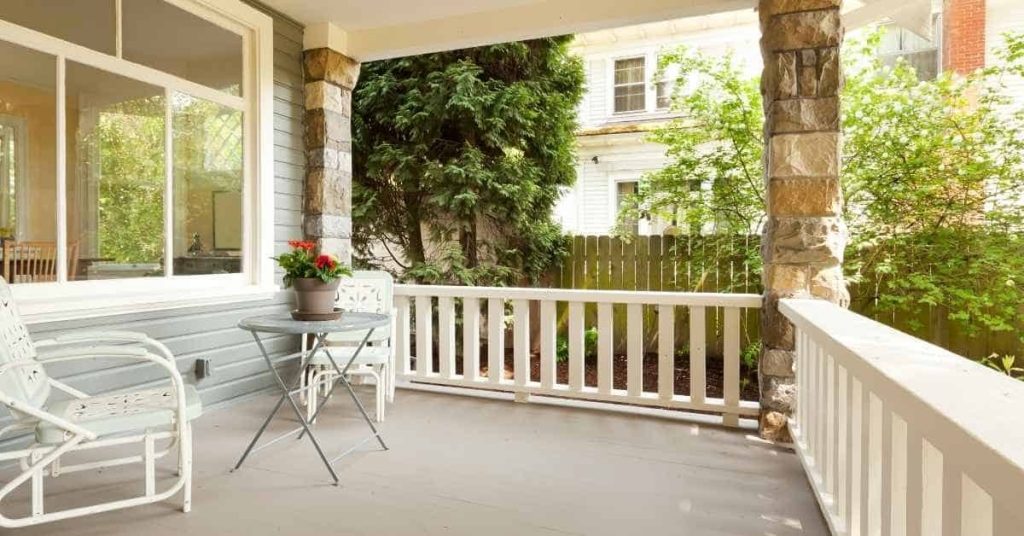
Bright outdoor porch with painted concrete floor and white furniture

Water-Based Concrete Stains: When They Beat Acid Stains and How to Avoid Lap Marks

Introduction Water-based concrete stains are pigmented finishes that soak into cured concrete and are a better choice than acid stains when you need consistent color, easier cleanup, and safer handling. They work well on slabs where acid reaction is unpredictable or on indoor projects where odor and VOCs matter; check the product label and tech

Water-Based Concrete Stains: When They Beat Acid Stains and How to Avoid Lap Marks Read More »

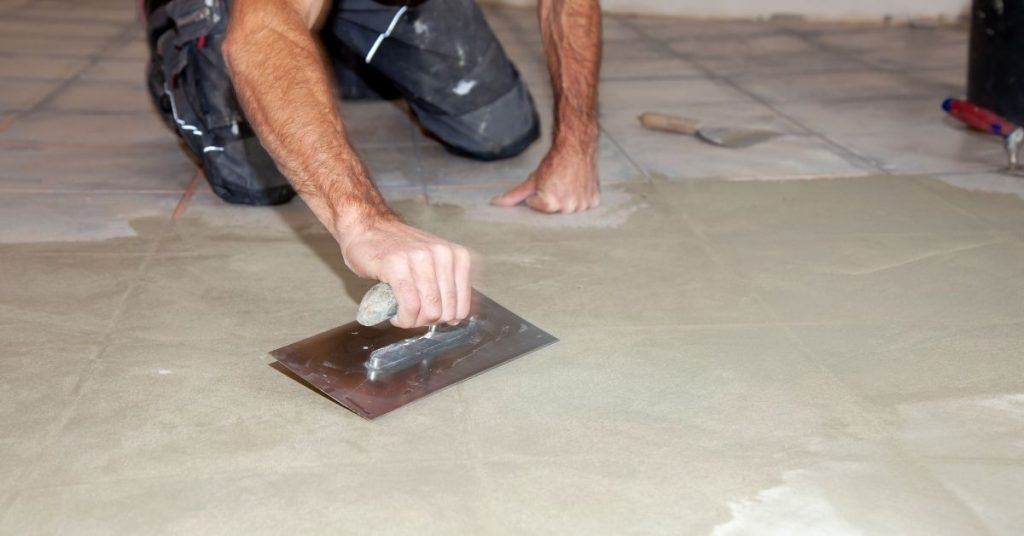
Trowel spreads leveling compound over floor during bathroom prep

Self-Leveling Compound Prep on “Problem Subfloors”: Primers, Seams, and Edge Dams That Stop Leaks

Introduction Self-leveling compound prep on problem subfloors means getting a board-backed surface ready so the liquid compound spreads and cures without running into gaps or flaking off. Think practical steps: pick a primer the compound maker recommends, seal seams and penetrations so water and dust won’t break the bond, and build temporary edge dams where

Self-Leveling Compound Prep on “Problem Subfloors”: Primers, Seams, and Edge Dams That Stop Leaks Read More »

Stacked precast concrete beams covered with snow outdoors

Concrete Densifiers for Garages and Basements: Lithium vs Sodium Silicate and When Each Wins

Introduction Concrete densifiers are liquid treatments—commonly lithium or sodium silicate—that react with concrete to harden and dustproof the surface; choose lithium for better penetration in dense, sealed mixes and sodium for strong surface densification in porous slabs, and check the product label or manufacturer instructions for compatibility with your slab and sealer. In plain jobsite

Concrete Densifiers for Garages and Basements: Lithium vs Sodium Silicate and When Each Wins Read More »

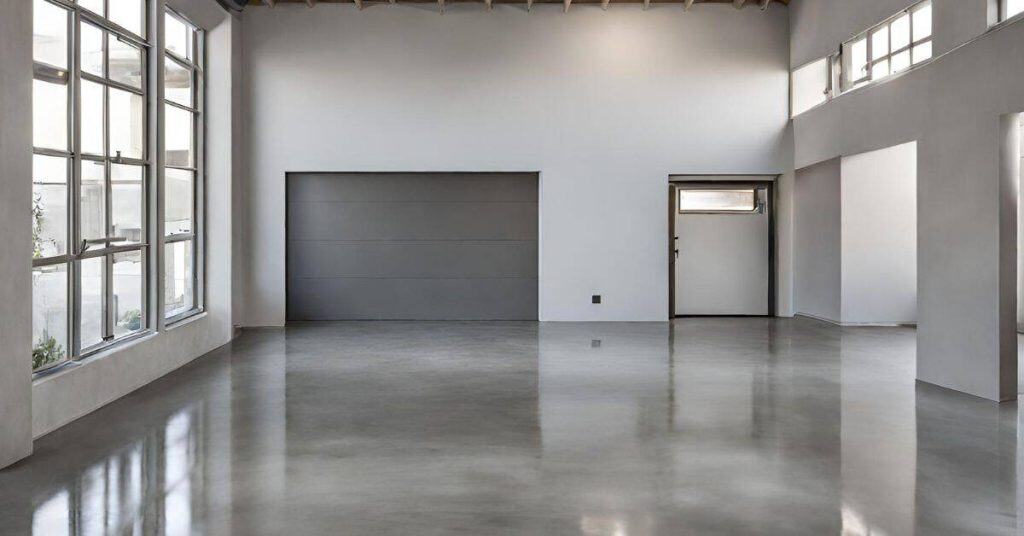
Empty room with polished concrete floor and large windows

DIY Anti-Slip Additives for Concrete Sealers: Where They Work and Where They Fail

Introduction DIY anti-slip additives for concrete sealers are materials mixed into sealers to increase traction on wet or dry concrete. They work by changing the surface texture or increasing roughness at small scales. Before using them, check the product label and follow the manufacturer’s instructions for mixing ratios, safety, and cure times. Different sealers (penetrating

DIY Anti-Slip Additives for Concrete Sealers: Where They Work and Where They Fail Read More »

Living room with hardwood floor and furniture

Hardwood Floor Cupping vs. Crowning: Diagnosing Moisture Direction and Fixing It

Introduction Cupping happens when boards bow with edges higher than the center due to moisture imbalance, and crowning is when the center swells above the edges. In practice, cupping shows as edges higher than the center, with a concave profile across boards, while crowning shows the opposite where the center sits higher than the edges.

Hardwood Floor Cupping vs. Crowning: Diagnosing Moisture Direction and Fixing It Read More »

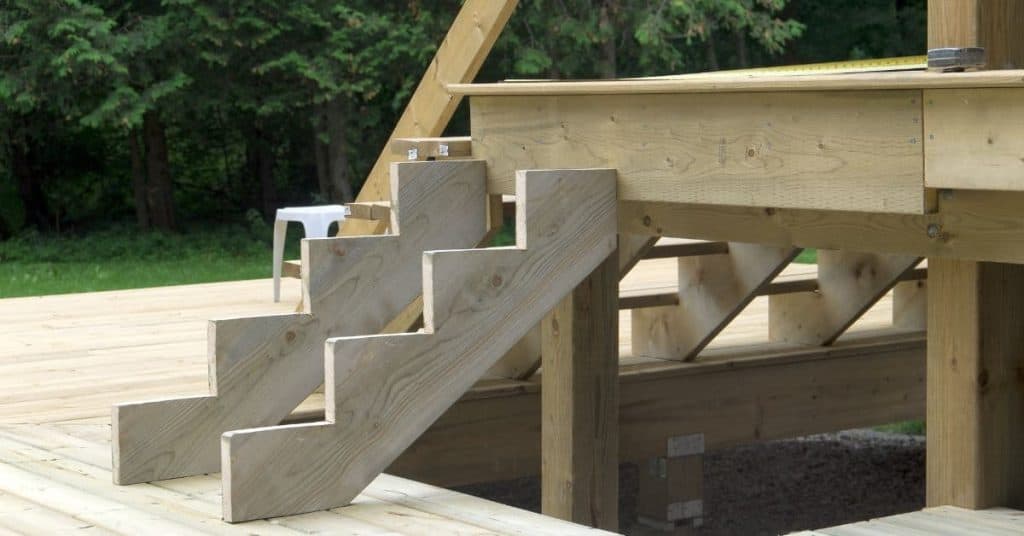
Unfinished wooden stair stringers on raised deck under construction

Deck Paint vs. Porch Paint vs. Floor Enamel: Which One Fails Where and Why

Introduction Deck paint, porch paint, and floor enamel are surface coatings chosen for outdoor decks, porches, and floors. They each have different binders and wear patterns, so they perform best on their intended substrate. Look at the label and instructions to confirm where it’s recommended and what prep is required. Check for recommended cleaners, primers,

Deck Paint vs. Porch Paint vs. Floor Enamel: Which One Fails Where and Why Read More »

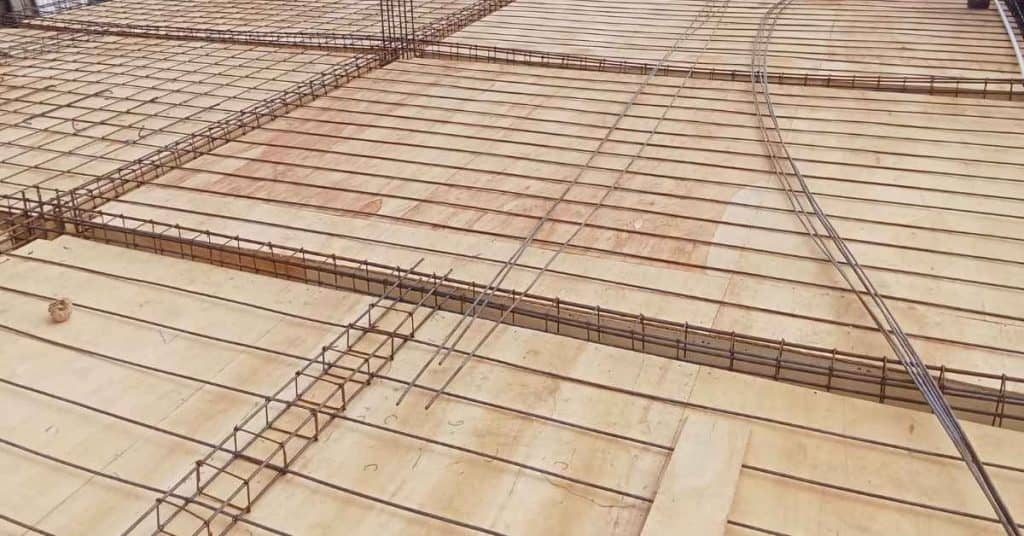
Wooden formwork with rebar grid for concrete slab

Concrete ‘Dusting’ in Basements: Hardener Options and Prep That Actually Works

Introduction Dusting in basements is when the top layer of concrete powder flakes away, leaving a dusty, chalky surface. It’s usually caused by weak laitance, moisture, improper finishing, or wear from foot traffic. Choosing a floor hardener and a solid prep plan helps harden the surface and reduce future dust. Prep work is critical: clean

Concrete ‘Dusting’ in Basements: Hardener Options and Prep That Actually Works Read More »

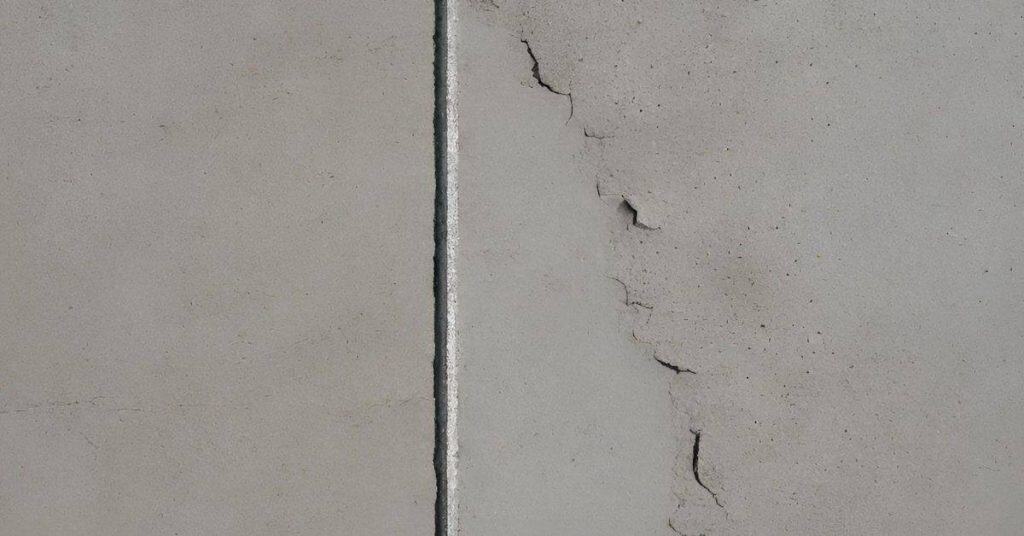
Concrete wall with visible cracking and peeling surface

Concrete Etching Gone Wrong: How to Neutralize and Recover the Surface

Introduction Concrete etching gone wrong means a surface that has been over-etched or uneven, requiring neutralizing and surface recovery. This intro covers surface preparation before etching, how to apply the corrective solution, and what comes after. Always follow the product label and your local rules for handling chemicals. After etching, neutralize the surface as directed

Concrete Etching Gone Wrong: How to Neutralize and Recover the Surface Read More »