Search Results for: drywall op

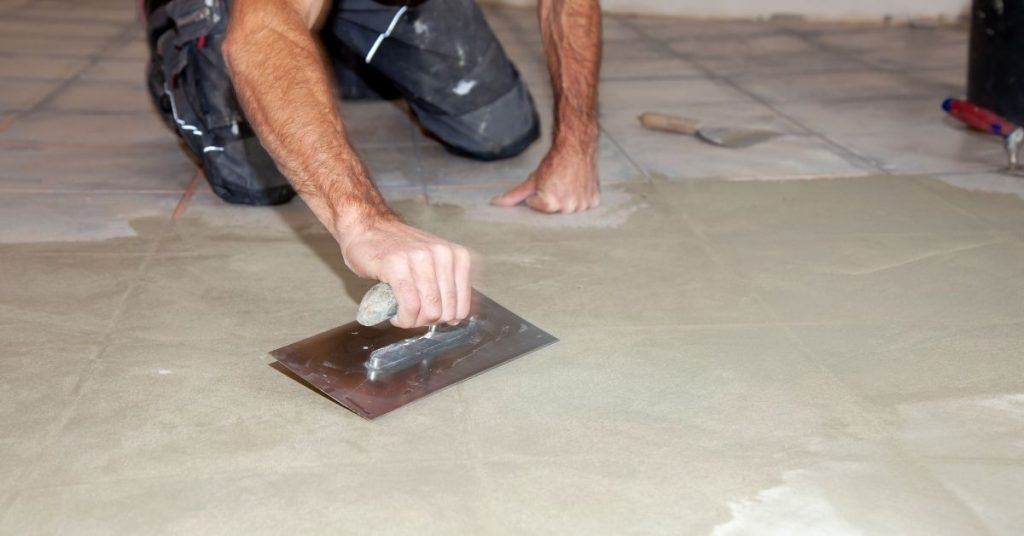
Trowel spreads leveling compound over floor during bathroom prep

Self-Leveling Compound Prep on “Problem Subfloors”: Primers, Seams, and Edge Dams That Stop Leaks

Introduction Self-leveling compound prep on problem subfloors means getting a board-backed surface ready so the liquid compound spreads and cures without running into gaps or flaking off. Think practical steps: pick a primer the compound maker recommends, seal seams and penetrations so water and dust won’t break the bond, and build temporary edge dams where […]

Self-Leveling Compound Prep on “Problem Subfloors”: Primers, Seams, and Edge Dams That Stop Leaks Read More »

Worker installing drywall ceiling panel with cordless drill

Ceiling Drywall Without a Lift: Panel Control Tricks, Temporary Bracing, and Safer Cutting Sequences

Introduction Ceiling drywall without a lift means using hand techniques, temporary bracing, and smart cutting sequences to hold and fasten panels safely when you don’t have mechanical help. This is about controlling the panel, supporting it temporarily, and cutting in the right order so you don’t fight sag or drop a sheet. Think like a

Ceiling Drywall Without a Lift: Panel Control Tricks, Temporary Bracing, and Safer Cutting Sequences Read More »

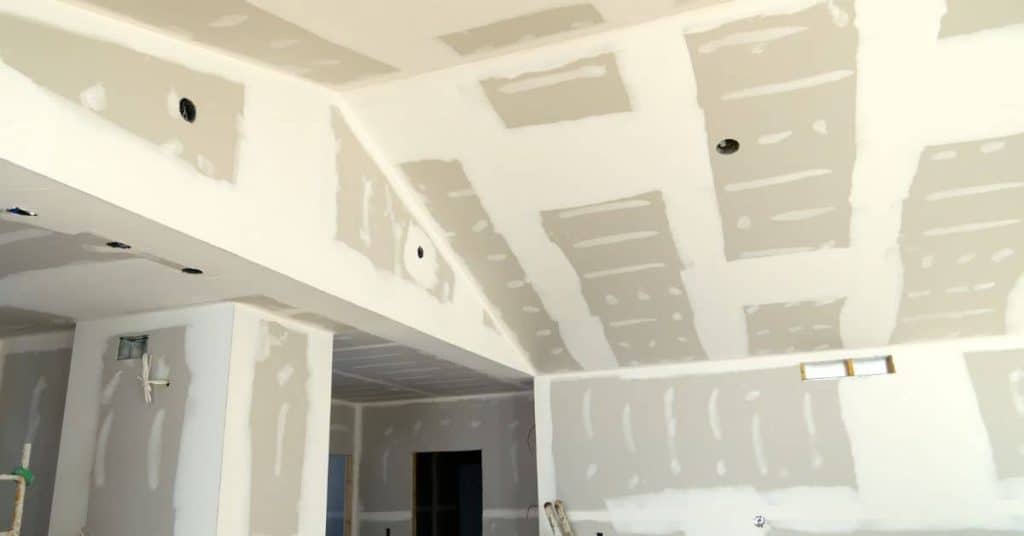
Room with unfinished drywall and ceiling drywall taped and mudded

Drywall Thickness for Ceilings vs Walls: Preventing Sag, Improving Sound, and Meeting Fire Requirements

Introduction Drywall thickness for ceilings versus walls is the choice of panel weight and rigidity you use to prevent sag on ceilings, control sound between rooms, and meet fire-resistance needs. In plain terms: ceilings often need stiffer or heavier board than walls to avoid sag, but exact thickness and fire ratings depend on the product

Drywall Thickness for Ceilings vs Walls: Preventing Sag, Improving Sound, and Meeting Fire Requirements Read More »

White painted wooden shiplap wall with horizontal boards

Flashing on Painted Walls: How to Stop Patchy Sheen From Showing Through

Introduction Flashing on painted walls is the thin barrier that keeps water from seeping behind paint. When it fails, patchy sheen can show through and ruin a smooth finish. Check the paint and flashing product labels for compatibility, and follow manufacturer instructions or local rules if you’re unsure. To prep, clean the wall and repair

Flashing on Painted Walls: How to Stop Patchy Sheen From Showing Through Read More »

Man applying joint compound to drywall ceiling corners

Finishing Drywall Around Recessed Lights: Avoiding Rings, Cracks, and Shadowing

Introduction Finishing drywall around recessed lights means taping, mudding, and sanding careful edges so the lights sit cleanly in the ceiling. The goal is to avoid visible rings, hairline cracks, and shadow lines when the light is on. Check the fixture details and follow any manufacturer or local guidance rather than guessing. Feather the mud

Finishing Drywall Around Recessed Lights: Avoiding Rings, Cracks, and Shadowing Read More »

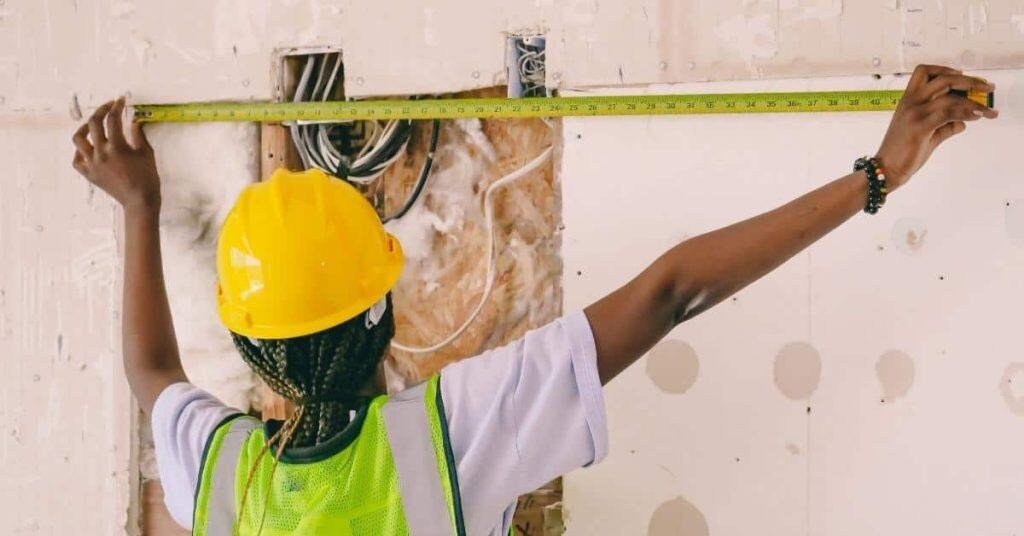
Worker measuring drywall with tape measure on wall

Drywall Fasteners Over Steel Studs: Screw Types, Spacing, and Stripping Avoidance

Introduction Drywall fasteners over steel studs are screws used to attach drywall to metal framing. They’re the fasteners you drive with a screwdriver or drill to secure gypsum to metal studs. Follow the screw manufacturer instructions and local rules for type and installation, and check the packaging label for compatibility with steel studs. To avoid

Drywall Fasteners Over Steel Studs: Screw Types, Spacing, and Stripping Avoidance Read More »

Drywall panels with taped and mudded joints in unfinished room

How to Repair a Damaged Drywall Vapor Barrier/Poly Behind the Wall (When It Matters)

Introduction Repairing a damaged drywall vapor barrier behind the wall means fixing the moisture barrier layer in the wall cavity to control condensation and potential mold. This is a hands-on job you can do with basic tools, but you need to confirm the barrier’s location and condition. Check the wall area for moisture signs and

How to Repair a Damaged Drywall Vapor Barrier/Poly Behind the Wall (When It Matters) Read More »

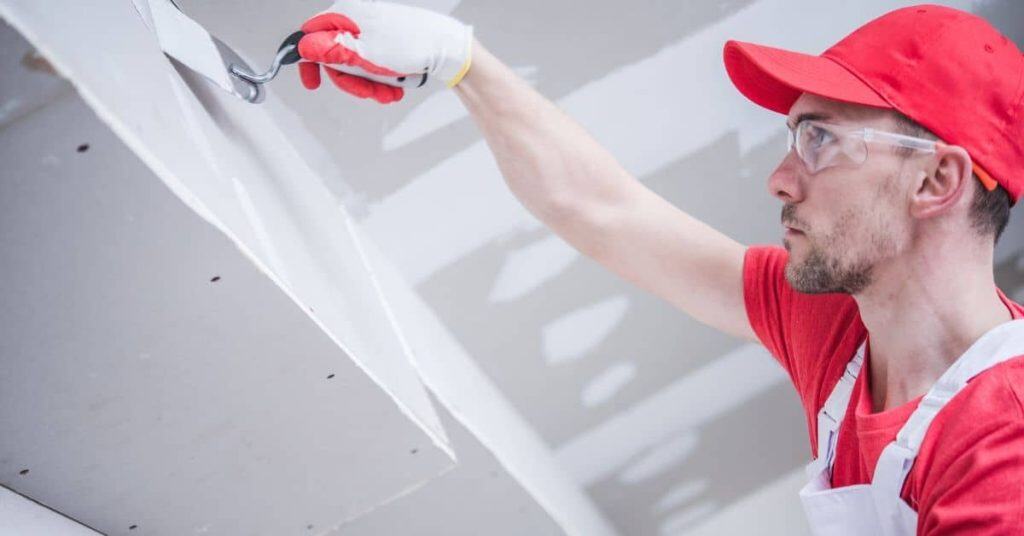
Worker applying drywall mud with a trowel on wall

Creating a Perfect Shadowline Reveal at Drywall-to-Ceiling Transitions (Modern Detail)

Introduction A shadowline reveal is a small, clean gap between drywall and the ceiling that creates a floating edge. It’s a hands-on detail that hides joint lines while catching light. Think of it as a deliberate, precise trim that reads as modern and tidy. To pull it off, you’ll plan the edge, keep a consistent

Creating a Perfect Shadowline Reveal at Drywall-to-Ceiling Transitions (Modern Detail) Read More »

Unpainted drywall sheets with taped and mudded joints on ceiling and walls

Drywall Finishing in Cold Weather: Heater Placement, Dry Times, and Crack Prevention

Introduction Drywall finishing in cold weather means keeping mud workable and joints from cracking by managing heat and drying times. Aim for a steady, moderate temperature in the room and avoid drafts that slow drying. Check the mud you’re using for cold-weather guidance and follow the manufacturer’s instructions for working times. Position heaters to keep

Drywall Finishing in Cold Weather: Heater Placement, Dry Times, and Crack Prevention Read More »

Electrical tools on top of blueprint diagrams on wooden surface

Electrical Box Extenders and Drywall Thickness: Getting Device Flush Without Cracked Mud Rings

Introduction Electrical box extenders adjust the depth of a box so the device sits flush with drywall. Key takeaways Match drywall thickness with extender depth to keep devices flush. Measure drywall and box depth accurately before selecting any extender. Choose extender type by box style, mud thickness, and finish height. Follow manufacturer instructions and local

Electrical Box Extenders and Drywall Thickness: Getting Device Flush Without Cracked Mud Rings Read More »