Search Results for: drywall op

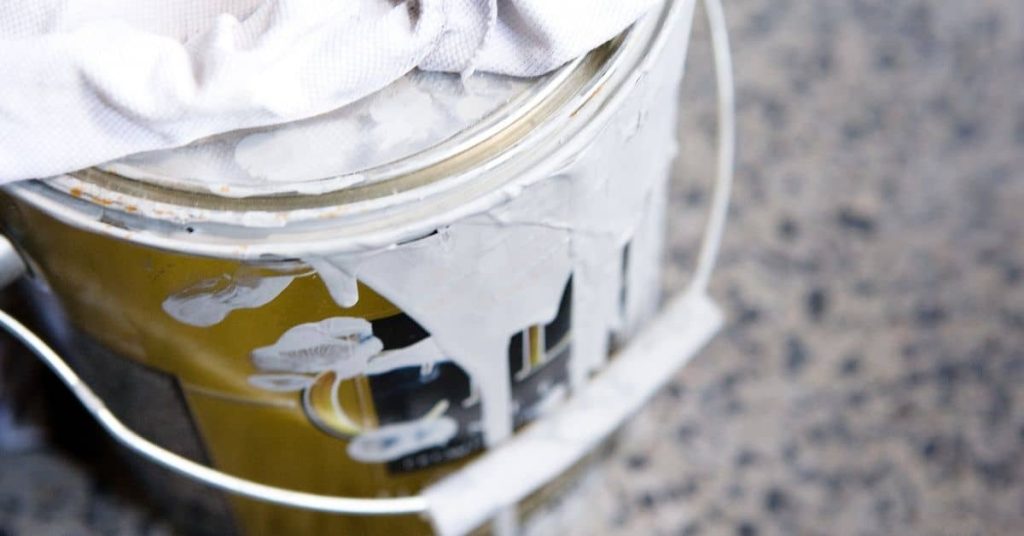
Close-up of paint can with white paint spilled on side

Why Paint Bubbles on Walls: Moisture vs Heat vs Dirt (How to Diagnose)

Introduction Paint bubbles occur when moisture, heat, or dirt get trapped under the paint. That trapped stuff lifts the coating and creates blisters you can see on walls. Check for damp spots, recent heat exposure, or dusty surfaces that weren’t cleaned before painting. To diagnose, inspect the area for moisture, heat exposure, or dirt. Try

Why Paint Bubbles on Walls: Moisture vs Heat vs Dirt (How to Diagnose) Read More »

Worker spraying foam insulation on interior wall studs

Thermal Bridging: Simple Fixes for Cold Studs and Condensation

Introduction Thermal bridging happens when heat leaks through studs and framing, creating cold spots and condensation. This article shows simple, practical fixes you can do on a typical wall. You’ll learn how to spot problem areas and choose safe, non-technical approaches. Start by inspecting where framing meets insulation and looking for gaps or compression that

Thermal Bridging: Simple Fixes for Cold Studs and Condensation Read More »

close up of gray concrete surface with visible cracks

Routing and Sealing Cracks: When a “V-Groove” Helps and When It Doesn’t

Introduction Routing and sealing cracks means cutting a V-shaped groove along the crack and sealing it to prevent further movement. It’s a technique that can help when the crack is stable and the substrate is sound, but it isn’t right for every crack or situation. Consider crack size, movement, and the surrounding material before choosing

Routing and Sealing Cracks: When a “V-Groove” Helps and When It Doesn’t Read More »

modern concrete apartment building with glass balconies

Concrete Penetrating Sealer Coverage: Realistic Rates and How to Test Absorption

Introduction Concrete penetrating sealer coverage is the amount of sealer that soaks into concrete per unit area and how far it can travel from the surface. The actual coverage depends on the concrete’s porosity, age, and surface condition, as well as how you apply it. Plan for different spots on the same job and be

Concrete Penetrating Sealer Coverage: Realistic Rates and How to Test Absorption Read More »

Bucket with mortar mixing paddle and hand tools inside

Grout vs Mortar vs Thinset: Picking the Right Material for Each Job

Introduction Grout, mortar, and thinset are three distinct masonry materials used for different jobs: grout fills gaps between tiles, mortar binds bricks or blocks, and thinset is a cement-based adhesive for setting tiles. In DIY work, choose based on whether you need bonding, filling, or leveling, and adjust for indoor vs outdoor use. Standard blends

Grout vs Mortar vs Thinset: Picking the Right Material for Each Job Read More »

Black and white marble tile surfaces

Tadelakt vs Tile: Where Tadelakt Works, Where It Fails, and What to Use Instead

Introduction Tadelakt is a traditional lime plaster finish used on walls and wet areas. This article offers a plain‑spoken look at where it works well, where it doesn’t, and what you should consider as a DIYer. We cover the basic idea of applying it, the materials you’ll need, and when tiling might be a safer

Tadelakt vs Tile: Where Tadelakt Works, Where It Fails, and What to Use Instead Read More »