Search Results for: drywall op

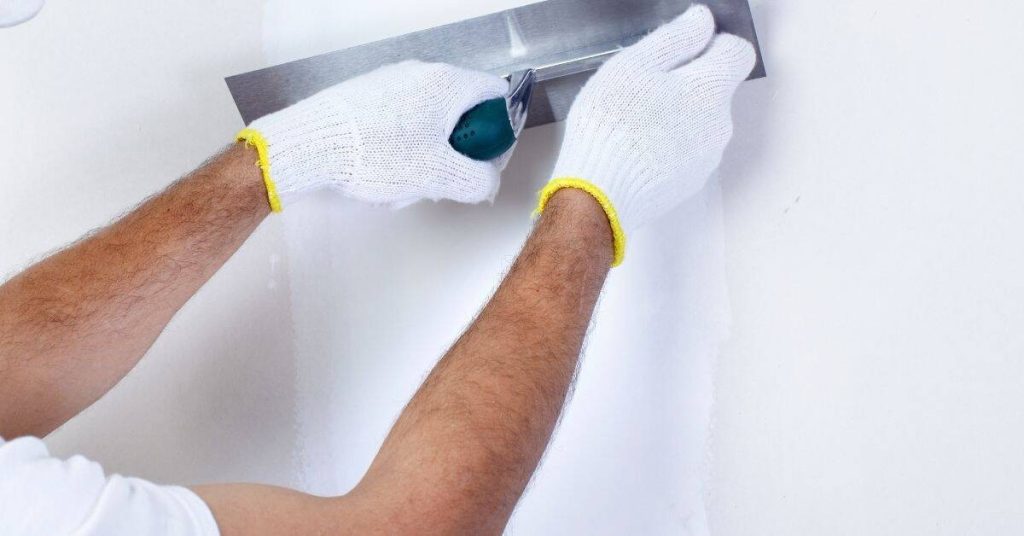
Worker smoothing plaster on wall with trowel

Curved Wall Plaster Repairs: Feathering Without Creating Flat Spots

Introduction Feathering curved wall plaster repairs means blending new plaster into a curved surface so the seam disappears. Keep the edges thin and gradually widen the feather so you don’t leave a detectable transition. Check the work by stepping back and looking for a consistent curve and light reflections. Use a light touch and work […]

Curved Wall Plaster Repairs: Feathering Without Creating Flat Spots Read More »

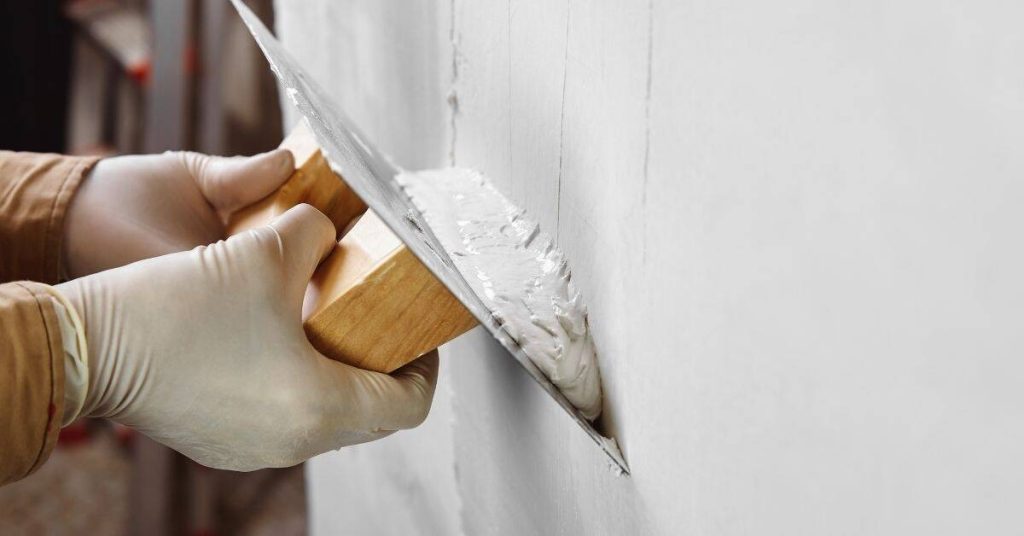
Close-up of textured white plaster wall surface

Finding Studs Behind Plaster and Lath: Magnets, Probing, and Avoiding Wire Hits

Introduction Finding studs behind plaster and lath means locating the wall framing behind the plaster so you know where to anchor. In practice, DIY folks use magnets to find fasteners and then verify with a probing method to confirm stud depth. This approach helps you avoid guessing and reduces the risk of drilling into wires

Finding Studs Behind Plaster and Lath: Magnets, Probing, and Avoiding Wire Hits Read More »

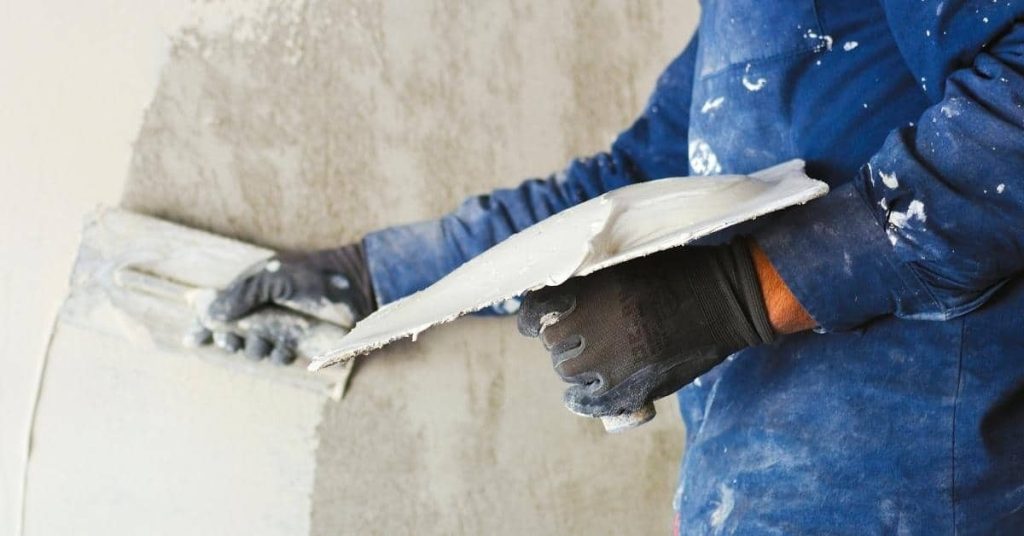
Person applying fresh plaster to wall with trowel and hawk

When Plaster Cracks Matter: Cosmetic Lines vs Movement Red Flags

Introduction Cosmetic cracks are fine, non-structural lines that don’t indicate movement. Movement-related cracks show ongoing change in the wall and may signal settlement or moisture problems. In DIY terms, sturdy plaster can crack from drying or shrinkage, but bigger concerns require closer checks for movement. Visual signs to watch include hairline cracks that stay the

When Plaster Cracks Matter: Cosmetic Lines vs Movement Red Flags Read More »

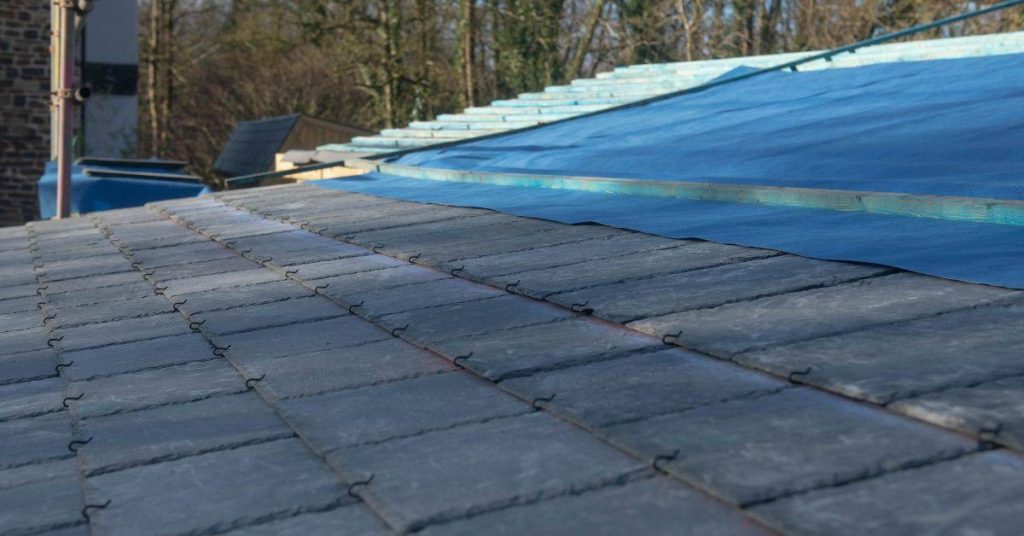
Slate roof tiles partially installed with underlayment visible

Stucco Meets Roof: Step Flashing, Sealant Placement, and Drainage Gaps

Introduction Step flashing, sealant placement, and drainage gaps are the practical techniques used at the stucco-roof intersection to prevent leaks. In plain talk, they’re the fail-safes you create where the wall meets the roof to keep water out. Follow local practice and the manufacturer instructions for flashing, sealant, and any required gaps, and check product

Stucco Meets Roof: Step Flashing, Sealant Placement, and Drainage Gaps Read More »

Exterior building wall with scaffolding and stucco application in progress

Stucco Lath Fasteners That Last: Corrosion, Length, and Avoiding Loose Walls

Introduction Stucco lath fasteners are the hardware that attach exterior stucco lath to the framing and keep the wall solid. They come in several styles for different substrates, so you should pick ones that fit your lath and backing material. Check the label or manufacturer guidance to ensure corrosion resistance and proper compatibility with your

Stucco Lath Fasteners That Last: Corrosion, Length, and Avoiding Loose Walls Read More »

Yellow construction helmet tape measure pencils on architectural plans

Replacing Failed Expansion Joint Filler: Removal, Priming, and Resealing Workflow

Introduction Replacing failed expansion joint filler means removing the old filler, prepping the joint, and applying new material to restore sealing and movement space. The workflow typically covers removal, priming, and resealing, using basic hand tools, caulk guns, and compatible filler products. Always check product labels, manufacturer instructions, and local code or permit rules to

Replacing Failed Expansion Joint Filler: Removal, Priming, and Resealing Workflow Read More »

Stone fireplace surrounded by plaster walls and large windows

Clay Plaster in Entryways: Scuff Resistance, Touch-Ups, and Protective Finishes

Introduction Clay plaster in entryways is a clay-based finish applied to walls to create a durable, breathable surface. In busy entry spots you’ll want to understand how it resists scuffs and how touch-ups go when scuffs happen. Check product labels and local rules for any limits on sealing or indoor use before you start. Touch-ups

Clay Plaster in Entryways: Scuff Resistance, Touch-Ups, and Protective Finishes Read More »