Search Results for: drill bit for concrete

Living room with natural hardwood flooring and large windows

Transitions at Doorways: Clean Ways to Meet Hardwood/Lvp/Carpet Without Ugly Reducers

Introduction Transitions at doorways are the finished edge where hardwood, LVP, or carpet meet, creating a smooth, safe path. They hide uneven cuts and tiny gaps while guiding foot traffic. This article shows plain‑spoken, hands‑on ways to handle the join without ugly reducers. Start by inspecting the subfloor and the edge of each floor covering […]

Transitions at Doorways: Clean Ways to Meet Hardwood/Lvp/Carpet Without Ugly Reducers Read More »
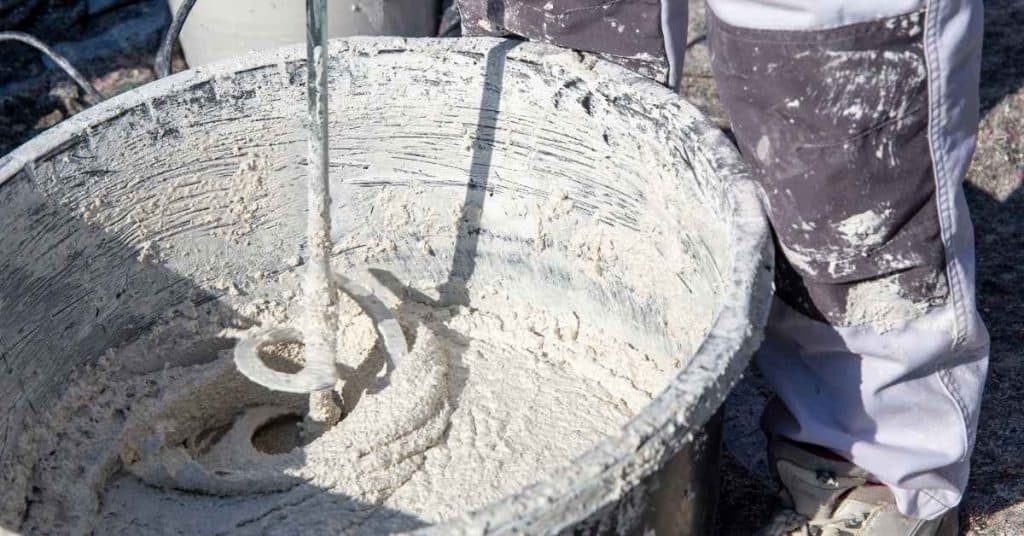
Close-up of plaster being mixed in a large bucket

Mixing Plaster Without Lumps: Water-First Vs Plaster-First and What Changes

Introduction Water-first and plaster-first are two simple ways to mix plaster without lumps. With water-first, you add water to the bowl first, then sift plaster into it and stir. With plaster-first, you dump dry plaster into the water and mix until it smooths. Both methods affect how fast you get a smooth mix and how

Mixing Plaster Without Lumps: Water-First Vs Plaster-First and What Changes Read More »

Stucco Color Coat Repairs: Why They Fail and How to Avoid Weak “Skim” Patches

Stucco Color Coat Repairs: Why They Fail and How to Avoid Weak “Skim” Patches

Introduction A Stucco Color Coat Repair is fixing the top stucco layer to seal cracks and restore the surface. This kind of patch relies on proper surface prep, compatible material, and a smooth skim to blend with the surrounding wall. If the skim is weak, patches can crack, delaminate, or look obvious. You’ll need basic

Stucco Color Coat Repairs: Why They Fail and How to Avoid Weak “Skim” Patches Read More »

Adding a Decorative Band: How to Attach Trim Screeds and Keep Lines Straight

Adding a Decorative Band: How to Attach Trim Screeds and Keep Lines Straight

Introduction Adding a decorative band means attaching trim screeds along a wall to create a framed, visual line while keeping the lines straight. Choose trim and screws appropriate for your surface and check the label or manufacturer instructions for compatibility. Keep the line true with a chalk line and clamps as you set each piece.

Adding a Decorative Band: How to Attach Trim Screeds and Keep Lines Straight Read More »

Parapet Caps and Stucco: Where Water Gets in and How to Detail the Top Edge

Parapet Caps and Stucco: A Step-by-Step Timeline for Installation and Top-Edge Detailing

Introduction The installation of parapet caps is a critical step in protecting your building’s exterior from water intrusion. But how long does it take, and what are the key steps involved? In this guide, we’ll walk you through a detailed timeline for installing stucco parapet caps, ensuring that each stage is completed efficiently and effectively.

Parapet Caps and Stucco: A Step-by-Step Timeline for Installation and Top-Edge Detailing Read More »

Fasteners Through Stucco: Sealing Strategies That Don’t Create a Water Trap

Sealing Fasteners Through Stucco: A Step-by-Step Timeline to Avoid Water Traps

Introduction The process of sealing fasteners through stucco can seem daunting, but with a clear understanding of the timeline and steps involved, you can ensure a watertight finish that lasts. This guide walks you through the entire process, from site assessment to final inspection, with an emphasis on how long each step takes. Whether you’re

Sealing Fasteners Through Stucco: A Step-by-Step Timeline to Avoid Water Traps Read More »

Stucco over Foam (Eifs/Thin Coat): What Changes with Base Coat and Mesh Placement

Stucco over Foam (Eifs/Thin Coat): What Changes with Base Coat and Mesh Placement

Introduction Stucco over foam (EIFS/thin coat) is a layered exterior finish that uses insulation foam beneath a base coat and reinforced mesh. This article keeps it practical for DIYers and focuses on how base coat and mesh placement change when you install over foam. Think of it as a lightweight, flexible alternative to traditional stucco,

Stucco over Foam (Eifs/Thin Coat): What Changes with Base Coat and Mesh Placement Read More »

Fixing Recurring Stucco Cracks at Corners of Windows: Why They Happen and Reinforcement Options

Fixing Recurring Stucco Cracks at Corners of Windows: Why They Happen and Reinforcement Options

Introduction Recurring cracks at window corners are caused by movement in the wall and framing that stresses the stucco. That movement can come from settling, shrinkage, or simple temperature changes. Understanding this helps you plan repairs that move with the wall rather than fight it. Reinforcement options include embedding a corner mesh in a flexible

Fixing Recurring Stucco Cracks at Corners of Windows: Why They Happen and Reinforcement Options Read More »

Deck Attachments Through Stucco: a Safe Detail That Doesn’t Trap Water

Deck Attachments Through Stucco: a Safe Detail That Doesn’t Trap Water

Introduction Deck attachments through stucco can be installed in a way that prevents water from being trapped. You’ll learn practical steps and guidelines for planning, installing, and inspecting connections that stay watertight without compromising the stucco. Key takeaways Use continuous flashing with weep screed to channel water away from stucco joints. Avoid embedding deck fasteners

Deck Attachments Through Stucco: a Safe Detail That Doesn’t Trap Water Read More »