Search Results for: drill bit for concrete

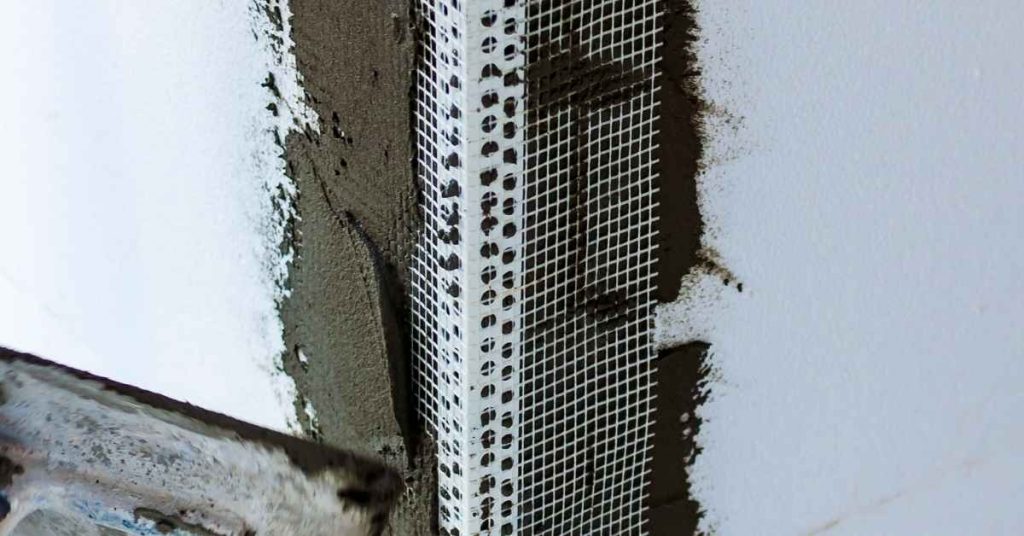
White mesh embedded in wet stucco on white wall surface

Stucco Over ICF Walls: Mesh, Fasteners, and Crack Control at Openings

Introduction Stucco over ICF walls means applying a cement-based veneer to insulated concrete forms using a proper weather-resistive layer, reinforcement mesh, and secure fasteners so the finish sticks and moves with the wall. This job needs the right mesh type, fastener method, and detailing at windows and doors to control cracking; check the stucco manufacturer’s […]

Stucco Over ICF Walls: Mesh, Fasteners, and Crack Control at Openings Read More »
Close-up of blue stucco wall texture

Diagnosing Moisture Behind Stucco: Basic Probe Holes, Borescopes, and What to Look For

Introduction Diagnosing moisture behind stucco means checking for where water has crossed the exterior and is wetting the wall assembly; that can be done with basic probe holes, borescopes, and non‑invasive tools to confirm wet areas. Start by looking for staining, soft or sagging finishes, efflorescence, or indoor musty odors that suggest intrusion, and use

Diagnosing Moisture Behind Stucco: Basic Probe Holes, Borescopes, and What to Look For Read More »

Worker smoothing plaster on a wall wearing blue uniform and helmet

Clay Plaster in Bathrooms: Where It Works, Where It Fails, and Safe Sealing Options

Introduction Clay plaster in bathrooms is an earthen wall finish that can work well in low-splash, well-ventilated areas but is not inherently waterproof. It handles humidity better than some gypsum finishes and gives a warm, tactile surface, though you need to check product instructions and local building rules before using it near showers or tubs.

Clay Plaster in Bathrooms: Where It Works, Where It Fails, and Safe Sealing Options Read More »

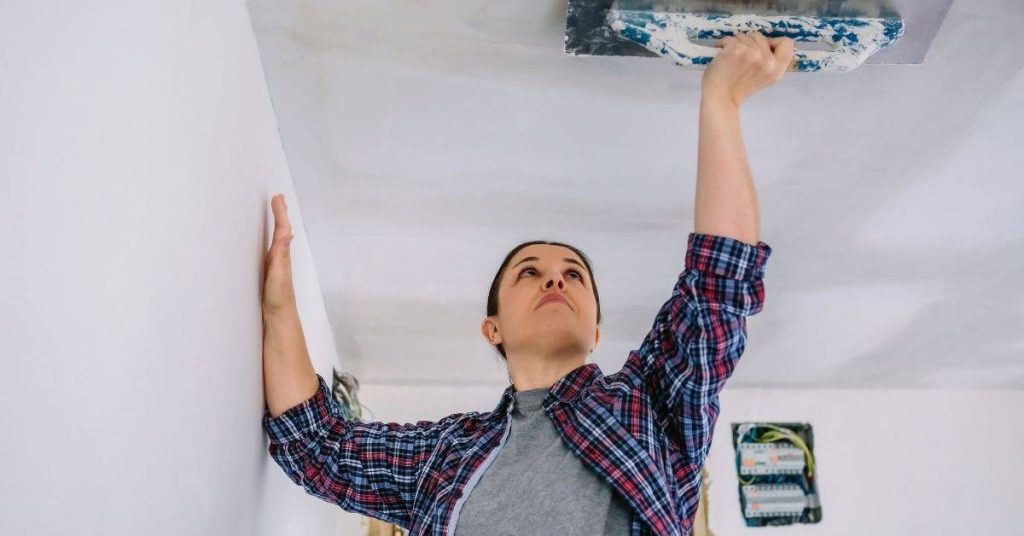
Person smoothing plaster on ceiling with trowel

Fixing Plaster Cracks at Ceiling Medallions: Stress Relief Cuts and Rebuild Strategy

Introduction Fixing plaster cracks at ceiling medallions means cutting relief gaps to stop old stresses and then rebuilding the substrate so the medallion sits on sound plaster, not cracked or loose bits. Start by exposing the damaged area cleanly, check the lath condition and how the medallion is attached, and decide whether to repair lath

Fixing Plaster Cracks at Ceiling Medallions: Stress Relief Cuts and Rebuild Strategy Read More »

Man applying plaster over rough stone wall wearing gloves

Salts in Masonry Plaster: Efflorescence, Spalling, and Compatible Repair Materials

Introduction Salts in masonry plaster are soluble minerals that migrate to the surface as moisture moves through the wall, leaving white or powdery deposits called efflorescence and in worse cases causing spalling where the plaster flakes or crumbles. This usually comes from water intrusion, damp soils, or moisture wicking through masonry and carries salts via

Salts in Masonry Plaster: Efflorescence, Spalling, and Compatible Repair Materials Read More »

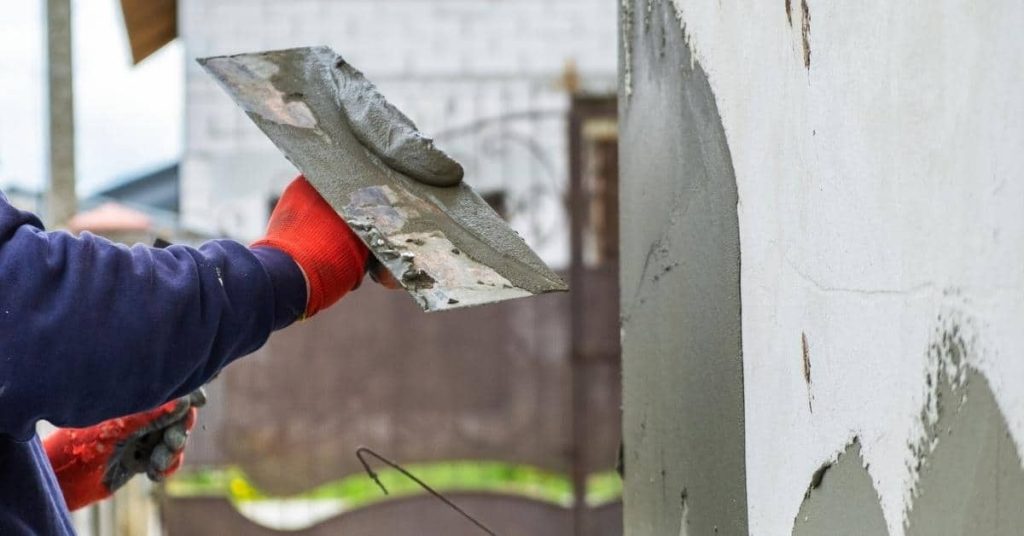
Worker applying stucco to exterior wall with trowel

Galvanic Corrosion at Stucco Accessories: Why Beads Rust and How to Stop Repeat Staining

Introduction Galvanic corrosion is a common issue that affects stucco accessories, particularly metal beads and trims. This process causes rust stains on your otherwise pristine exterior, marring its appearance and potentially leading to more serious damage over time. The good news? Understanding the cause of this problem can help you prevent it from happening again.

Galvanic Corrosion at Stucco Accessories: Why Beads Rust and How to Stop Repeat Staining Read More »

Close-up of textured white gypsum plaster surface

Plaster Drying vs Curing: Why Waiting Longer Can Prevent Paint Failure

Introduction Plaster drying is the loss of surface moisture while curing is the chemical hardening process that gives plaster strength; both happen but on different timelines. In plain jobsite terms, the surface can look dry long before the gypsum or cement bond fully sets, so painting too soon risks adhesion problems. Check product labels and

Plaster Drying vs Curing: Why Waiting Longer Can Prevent Paint Failure Read More »

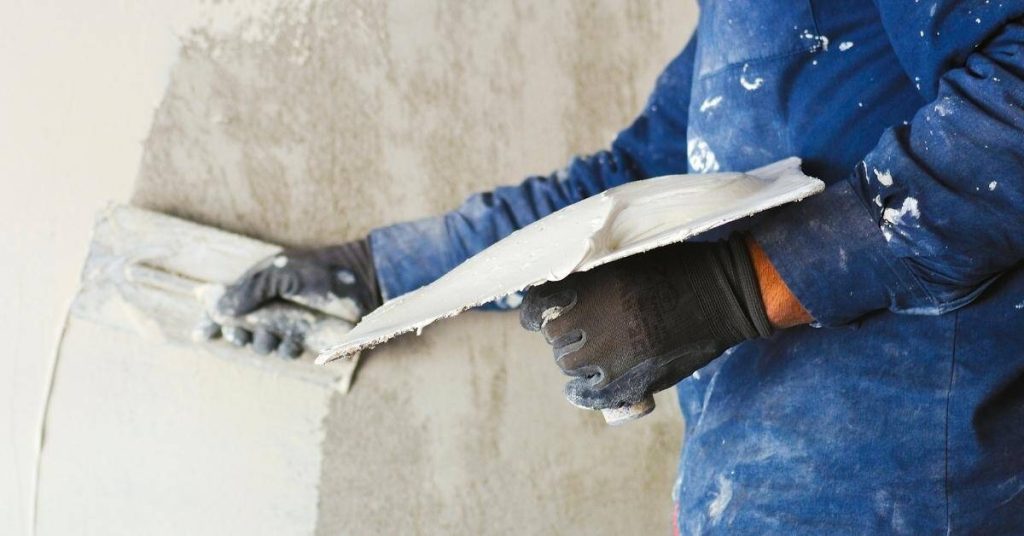
Person applying plaster to wall with trowel and hawk

Plaster Baseboard Dings and Gouges: Fast Patch Options That Don’t Shrink Back

Introduction Plaster baseboard dings and gouges are shallow to moderate damages along the plaster or drywall near the floor that you can tack quickly without later sinking or cracking. In plain terms: pick a stable, shrink-resistant patch material, prepare the area, and feather it to the surrounding surface so the repair bonds and stays flat.

Plaster Baseboard Dings and Gouges: Fast Patch Options That Don’t Shrink Back Read More »

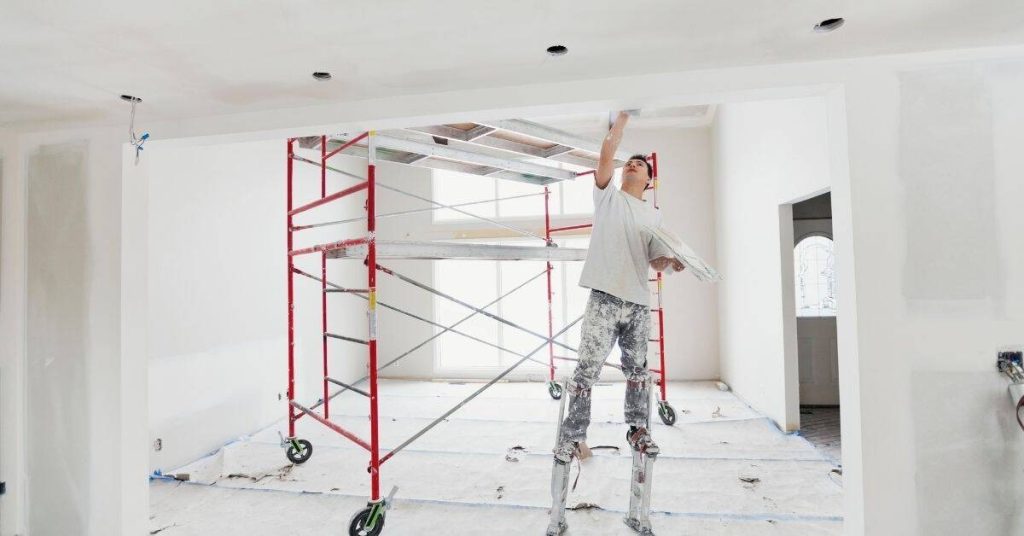
Worker applying plaster to ceiling with scaffolding nearby

Plaster Repairs Around Ceiling Light Boxes: Reinforcement That Stops Ring Cracks

Introduction Plaster repairs around ceiling light boxes are targeted fixes that reinforce the plaster and stop the circular “ring” cracks that form where fixtures meet the ceiling. This means cleaning the crack, adding a reliable backing or reinforcement around the box, and patching with an appropriate plaster or joint compound following the product directions. Treat

Plaster Repairs Around Ceiling Light Boxes: Reinforcement That Stops Ring Cracks Read More »

Close-up of textured white plaster wall finish

Plaster Feather Edges That Don’t Flake: Keying, Wetting, and Finish Timing

Introduction Plaster feather edges that don’t flake are thin finish edges keyed and bonded to the existing surface, wetted and timed correctly so the new plaster grabs without lifting. Check whether the area needs repair by tapping or scraping loose material and by checking for movement; if substrate is dusty, crumbling, or contaminated you must

Plaster Feather Edges That Don’t Flake: Keying, Wetting, and Finish Timing Read More »