Search Results for: drill bit for concrete

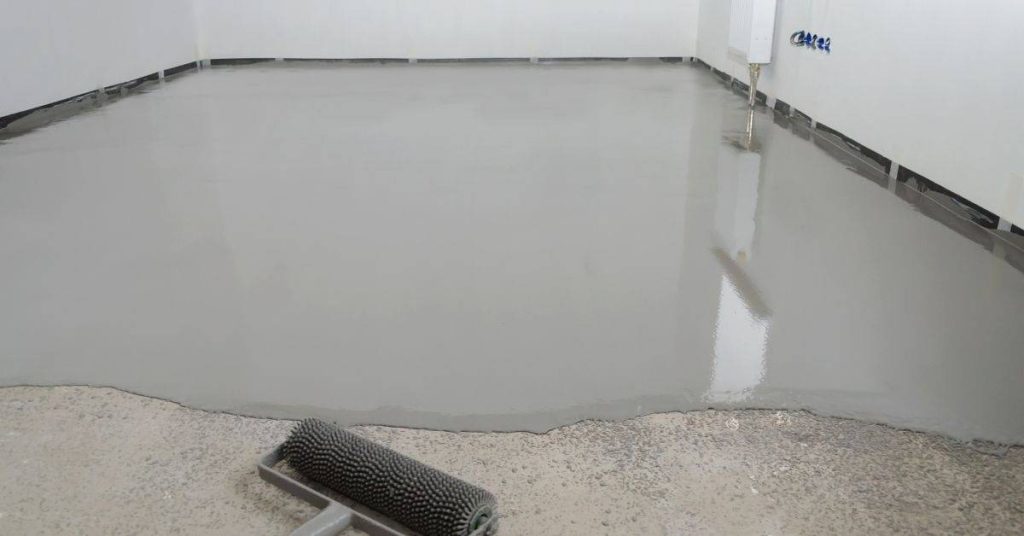
Freshly poured self-leveling concrete floor with a spiked roller

Leveling a Subfloor for Tile: Self-Leveling Underlayment Prep That Prevents Failure

Introduction Leveling a subfloor for tile means making the floor surface flat, stable, and ready to receive tile so you don’t get cracks or hollow spots. This is a hands-on task that starts with checking the current floor and ends with a smooth base for your tile setting. Take your time to plan out the

Leveling a Subfloor for Tile: Self-Leveling Underlayment Prep That Prevents Failure Read More »

Bucket with mortar mixing paddle and hand tools inside

Grout vs Mortar vs Thinset: Picking the Right Material for Each Job

Introduction Grout, mortar, and thinset are three distinct masonry materials used for different jobs: grout fills gaps between tiles, mortar binds bricks or blocks, and thinset is a cement-based adhesive for setting tiles. In DIY work, choose based on whether you need bonding, filling, or leveling, and adjust for indoor vs outdoor use. Standard blends

Grout vs Mortar vs Thinset: Picking the Right Material for Each Job Read More »

Two black rectangular planters with green plants outside white house

Ferrocement Planters and Thin Structures: Mesh Layout, Mortar Mix, and Curing

Introduction Ferrocement is a thin, reinforced cement mortar system that uses mesh and a cementitious mix to build lightweight, curved shells like planters. It relies on multiple coats and a strong mesh lattice to hold shape and resist cracking. It’s a hands-on technique that you can adapt for small DIY projects, with attention to formwork

Ferrocement Planters and Thin Structures: Mesh Layout, Mortar Mix, and Curing Read More »

Magnified view of radon symbol over cracked concrete wall.

Radon Fan Placement Basics: Best Locations, Vent Routing, and Common DIY Mistakes

Introduction Radon fan placement is choosing where to install the fan so it can move soil gas from beneath the slab to the outdoors. Pick a location that is accessible for maintenance and close enough to the intake so air can be drawn through the system. Always follow the manufacturer’s instructions and local rules when

Radon Fan Placement Basics: Best Locations, Vent Routing, and Common DIY Mistakes Read More »

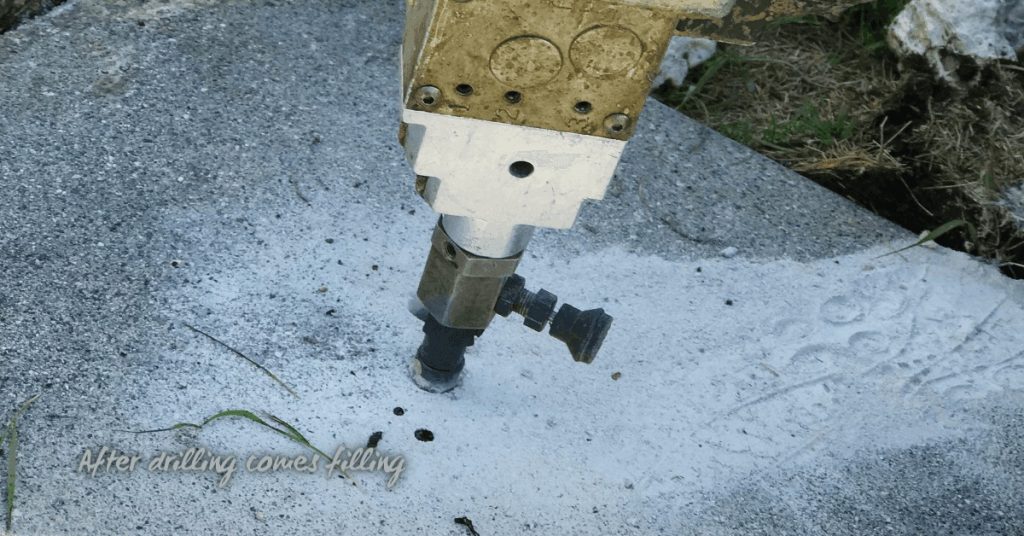
drill bit making hole in concrete slab outdoors

Radon Rough-In Under a Slab: Pipe Routing, Sealing, and Must-Have Details

Introduction Radon rough-in under a slab is routing and sealing a pipe under a concrete floor to vent soil gas safely. Do this with plain instructions: plan the path, verify access, and seal joints to limit leaks, while following local rules and manufacturer notes. Before you start, check local rules and follow any recommended testing

Radon Rough-In Under a Slab: Pipe Routing, Sealing, and Must-Have Details Read More »

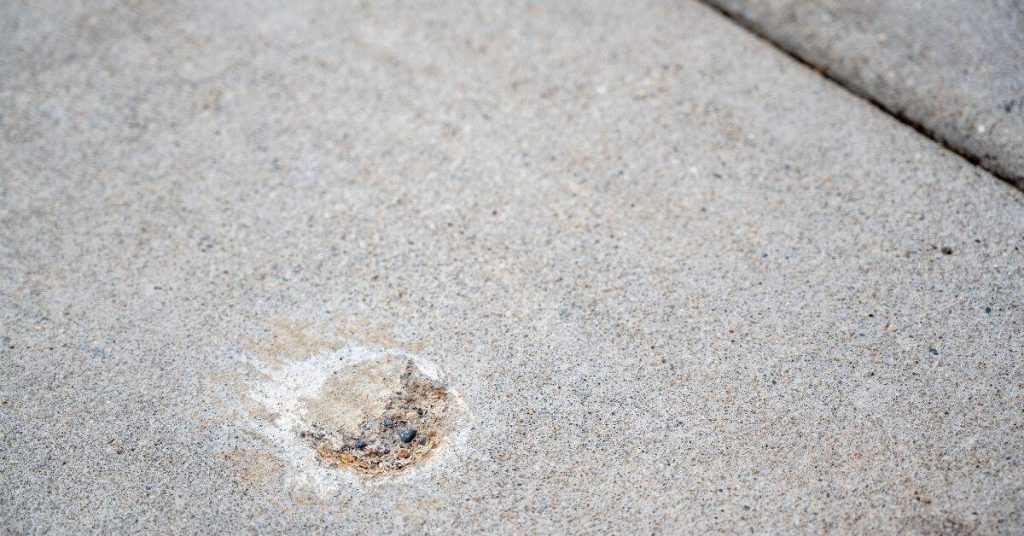
Close-up of damaged concrete surface with small pit

Alkali–Carbonate Reaction: How It Differs from ASR and What to Watch For

Introduction Alkali–carbonate reaction is a chemical reaction in concrete that happens when alkalis in cement react with carbonate rock in the aggregate. It can cause slow cracking and changes in stiffness over time. This article explains what to watch for and how you might address it in a DIY setting. ACR differs from ASR in

Alkali–Carbonate Reaction: How It Differs from ASR and What to Watch For Read More »

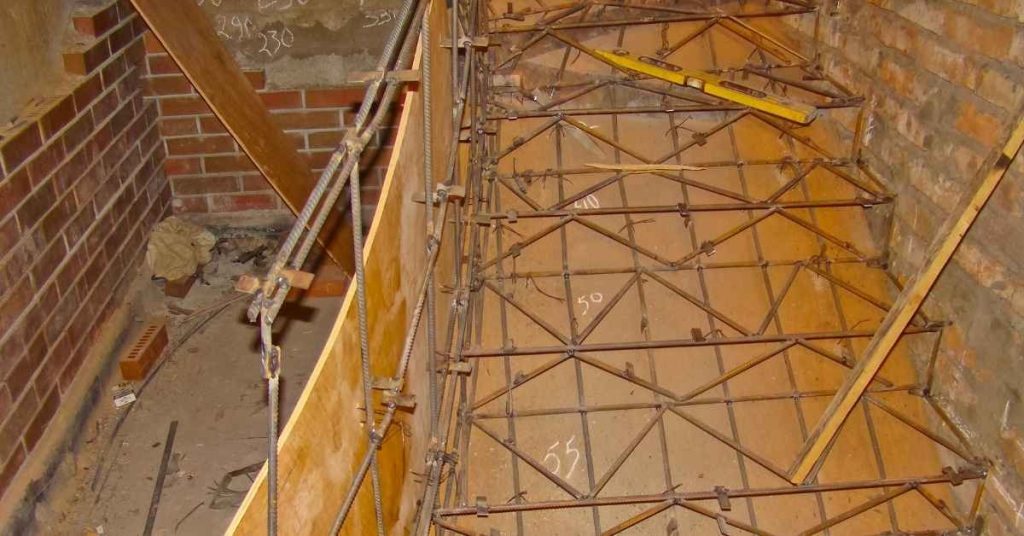
Steel rebar grid inside wooden concrete formwork in narrow space

Basalt Rebar: Where It Makes Sense and How to Detail It in Marine Zones

Introduction Basalt rebar is a non-metal reinforcement made from basalt rock fibers that can replace traditional steel in concrete. It’s designed to resist corrosion in coastal and marine settings. This introduction covers what basalt rebar is and how it fits into marine-zone detailing. In marine zones, basalt rebar helps reduce rusting and long-term maintenance compared

Basalt Rebar: Where It Makes Sense and How to Detail It in Marine Zones Read More »