Search Results for: drill bit for concrete

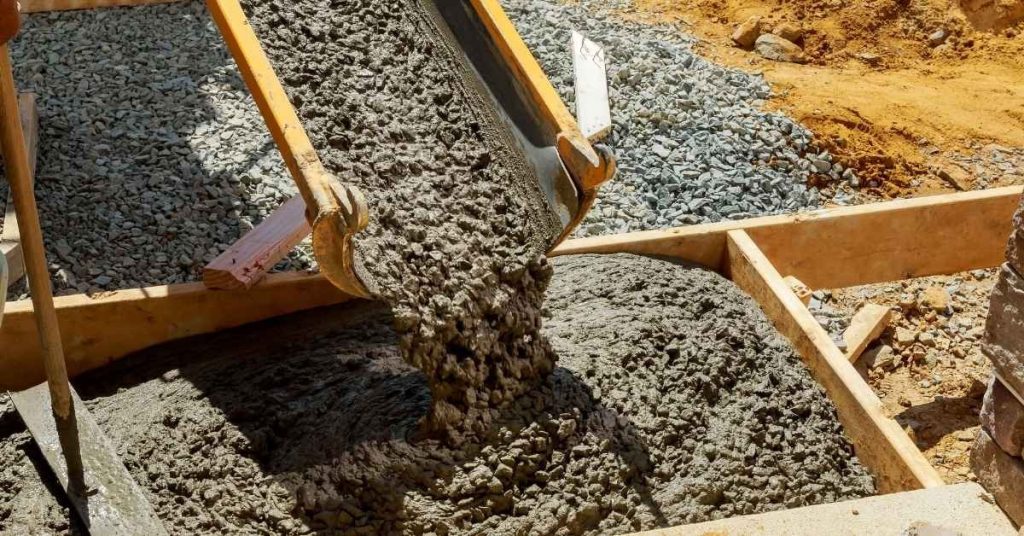
Wet concrete pouring into wooden forms for curbing

How to Repair a Broken Concrete Curb Corner: A Step-by-Step Timeline

Introduction Repairing a broken concrete curb corner can seem like a daunting task, but with the right approach and understanding of the timeline involved, it’s a manageable DIY project. This step-by-step guide walks you through the process from start to finish, breaking down each stage so you know exactly how long it takes and what […]

How to Repair a Broken Concrete Curb Corner: A Step-by-Step Timeline Read More »
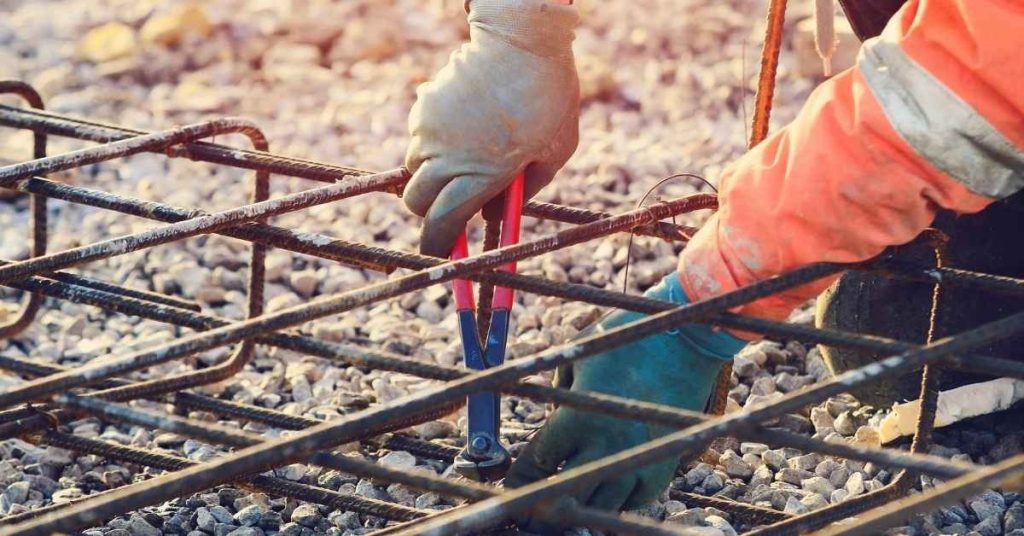
Worker tying rebar grid with pliers on gravel base

What Happens If a Concrete Slab Is Too Thin? Real-World Failure Signs, Load Issues, and Fix Options

Introduction A concrete slab that is “too thin” means it lacks the mass and reinforcement to carry the loads and ground movements expected of it, and it will show that by failing sooner than a properly sized slab. Expect visible signs like cracking, sagging, or edge spalling, and check manufacturer guidance, product labels, and local

What Happens If a Concrete Slab Is Too Thin? Real-World Failure Signs, Load Issues, and Fix Options Read More »

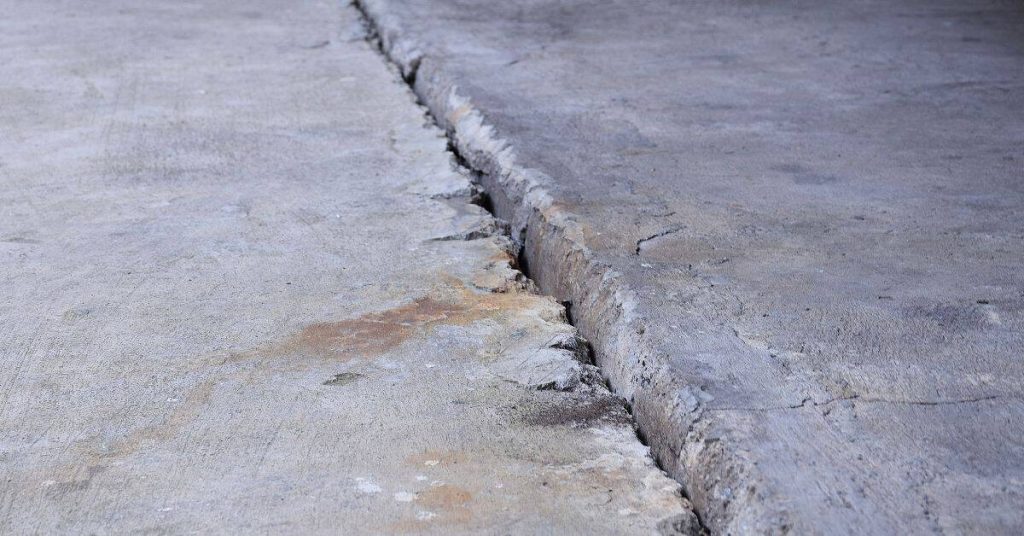
Closeup of spider crack on rough concrete surface

DIY Concrete Waterproofing on the Inside: When It Works and When It’s a Trap

Introduction DIY concrete waterproofing on the inside is applying moisture barriers and sealants to interior concrete surfaces to keep dampness at bay. It helps when intrusion comes through cracks, porous walls, or hydrostatic pressure, but it isn’t a substitute for good exterior drainage. We’ll walk through identifying water sources and choosing practical interior steps for

DIY Concrete Waterproofing on the Inside: When It Works and When It’s a Trap Read More »

Ants marching along a white kitchen countertop edge

Concrete Countertop ‘Ghosting’ From Rebar or Mesh: Prevention and Fix Options

Introduction Ghosting on concrete countertops means the imprint or shadow of rebar or mesh showing through the surface. It usually happens when the reinforcement sits too close to the surface or moves during the pour. To avoid it, confirm your reinforcement is properly located in the forms with enough cover and secured before the mix

Concrete Countertop ‘Ghosting’ From Rebar or Mesh: Prevention and Fix Options Read More »

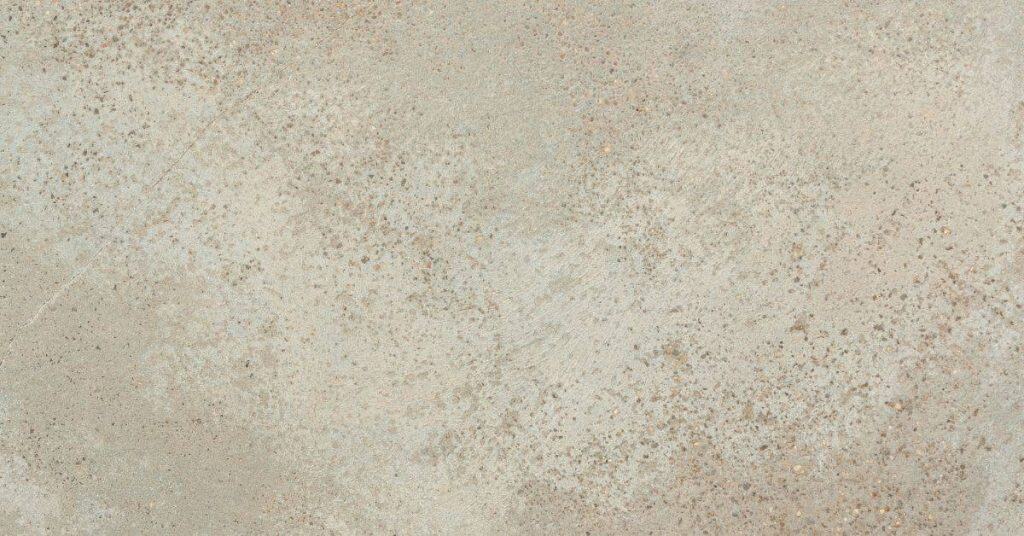
Close-up of concrete countertop surface with pinholes and texture

Fixing Pinholes in Concrete Countertops Without Regrinding the Whole Surface

Introduction A pinhole is a tiny void or air gap in cured concrete that shows as a small surface pore. You can fix it without regrinding the entire countertop by targeting the defect with the right repair approach. This intro covers identifying pinholes and choosing practical repair materials for a DIY fix. Prepare the surface

Fixing Pinholes in Concrete Countertops Without Regrinding the Whole Surface Read More »

Person installing wood-look vinyl flooring on adhesive

LVP on Concrete Slabs: Moisture Tests You Can Do and Underlayment Choices

Introduction LVP on concrete slabs means laying luxury vinyl plank over a concrete floor while evaluating moisture in the slab and picking an underlayment that suits the job. It’s a practical DIY approach, not a showpiece install, so you’ll want to verify dryness and choose materials that tolerate the conditions you’re working with. Expect to

LVP on Concrete Slabs: Moisture Tests You Can Do and Underlayment Choices Read More »

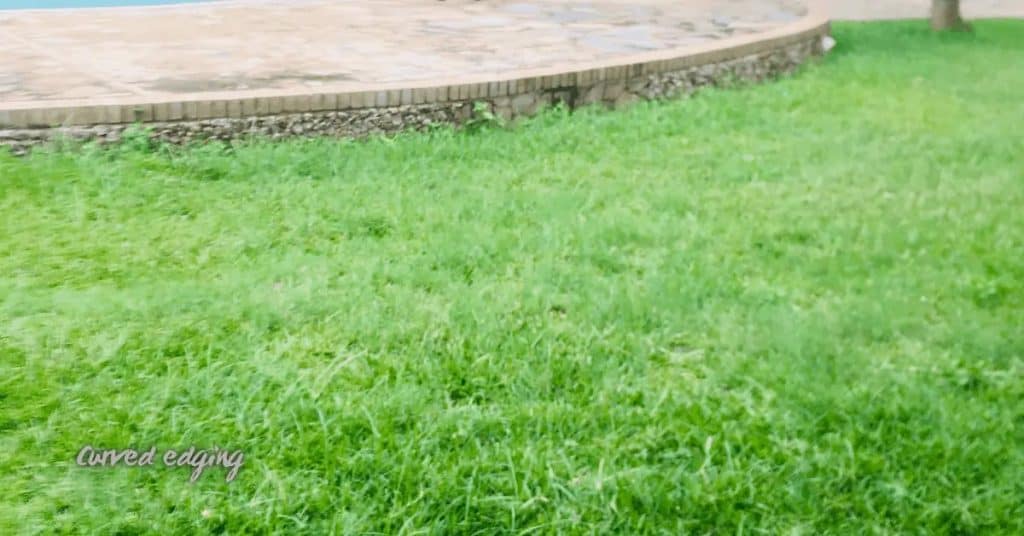
Curved concrete edging border next to green grass lawn

Repairing a Cracked Concrete Edging Border (Reinforce and Hide the Seam)

Introduction A cracked concrete edging border can be repaired by reinforcing the seam and hiding the crack so the edge looks solid again. This is a practical, do-it-yourself fix you can handle with basic tools and proper preparation. Take time to clean the crack, follow the product instructions, and plan for a neat finish. Start

Repairing a Cracked Concrete Edging Border (Reinforce and Hide the Seam) Read More »

Interlocking permeable paver blocks with open joints and gravel fill.

Concrete Paver ‘Rocking’ Fix on Sand: When to Regrade vs. Switch to Mortar

Introduction A rocking concrete paver on sand happens when the base shifts and the paver isn’t bedded level. You’ll usually see movement when a surface feels wobbly or shows gaps around edges. This article helps you decide whether to regrade the base or switch to mortar in a simple, hands-on way. To identify the problem,

Concrete Paver ‘Rocking’ Fix on Sand: When to Regrade vs. Switch to Mortar Read More »