Search Results for: drainage stucco

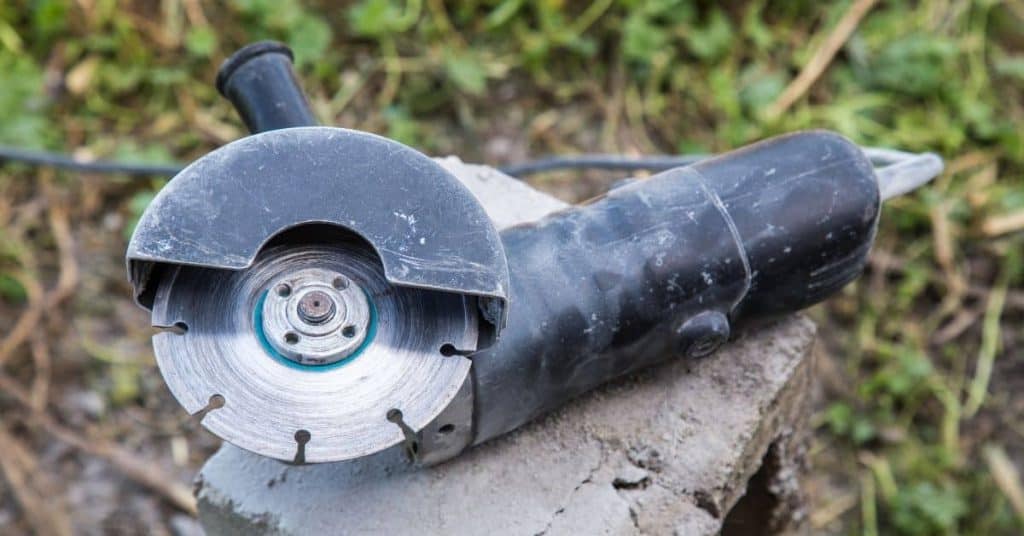
Angle grinder resting on concrete block outdoors

Repairing Stucco Behind Downspouts: Rebuilding the WRB and Getting the Termination Right

Introduction Repairing stucco behind downspouts means fixing the weather-resistant barrier and ensuring proper edge termination to prevent water intrusion. This is a hands-on DIY task that focuses on reestablishing a continuous moisture barrier and a clean transfer of water away from the wall. You’ll need to work behind the downspout area, where access and flashing […]

Repairing Stucco Behind Downspouts: Rebuilding the WRB and Getting the Termination Right Read More »

Close up of metal hose bib mounted on textured stucco wall

Mounting a Hose Reel on Stucco Without Cracking or Leaks (Fasteners, Spacers, Sealant)

Introduction Mounting a hose reel on stucco without cracking or leaks means securing the reel with proper fasteners, spacers, and sealant to protect the wall and keep water out. Use fasteners rated for masonry or stucco and add spacers to prevent screws from binding against the softer surface. Match the hardware to the wall substrate

Mounting a Hose Reel on Stucco Without Cracking or Leaks (Fasteners, Spacers, Sealant) Read More »

Wooden deck stairs attached to deck ledger and supporting posts

Stucco Meets Deck Ledger: A Water-Safe Detail for Existing Decks (No Rot Surprise)

Introduction This detail defines a water-safe method where stucco meets a deck ledger to keep moisture from seeping behind it. It’s a hands-on approach that seals the transition so rot is less likely. You’ll want to follow basic steps and check manufacturer or local guidance for any limits. Start by inspecting the ledger area for

Stucco Meets Deck Ledger: A Water-Safe Detail for Existing Decks (No Rot Surprise) Read More »

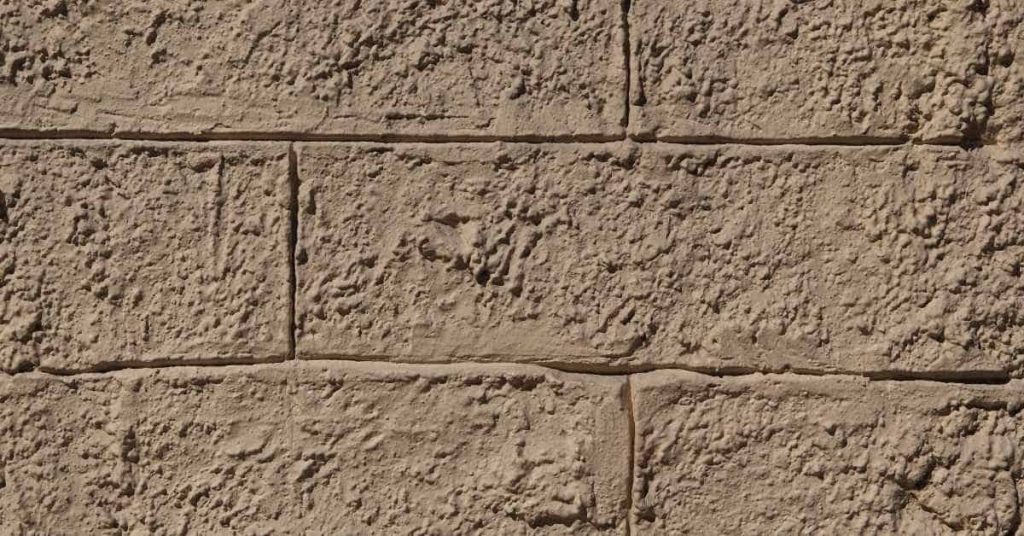
Close-up of textured stucco block wall

How to Stop Sprinkler Overspray From Destroying Stucco (Layout, Drip Lines, and Barriers)

Introduction Sprinkler overspray on stucco happens when sprinkler spray hits the wall instead of the yard, letting water soak into the stucco and fascia. Before making changes, observe a cycle to see where the spray lands and then plan adjustments to the layout and head spacing. Check manufacturer instructions or local rules for required clearances

How to Stop Sprinkler Overspray From Destroying Stucco (Layout, Drip Lines, and Barriers) Read More »

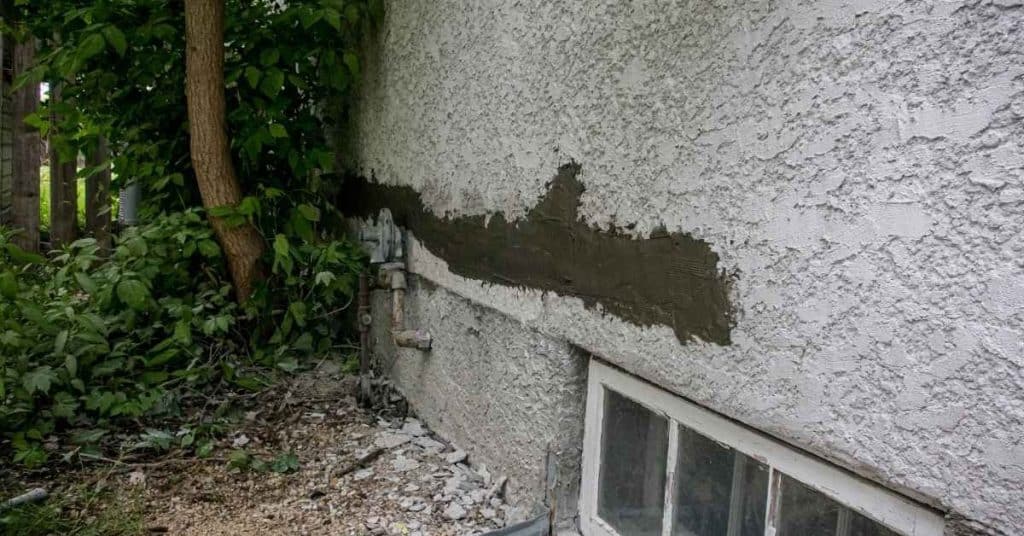
Exterior stucco wall with fresh dark patch above basement window

Stucco Too Close to Soil: When Regrading Is Enough and When the Wall Needs Repair

Introduction Stucco that meets soil should be corrected, but the least-invasive fix depends on what is behind the finish. If soil or mulch is simply covering an intact, open base termination, safely lowering and redirecting the grade may solve the contact problem without removing stucco. If the base is soft, cracked, hollow, wet, missing a

Stucco Too Close to Soil: When Regrading Is Enough and When the Wall Needs Repair Read More »

Damaged stucco wall with reinforcing mesh exposed

Repairing Stucco Around Dryer Vents: Flashing and Sealant Details That Drain

Introduction Flashing and sealant around dryer vents keep water from leaking into the wall. This intro covers how to inspect, clean, and prep the area before you patch. You’ll want to match what you use to your vent size and wall material, and follow local rules. Start by removing loose stucco and cleaning the vent

Repairing Stucco Around Dryer Vents: Flashing and Sealant Details That Drain Read More »

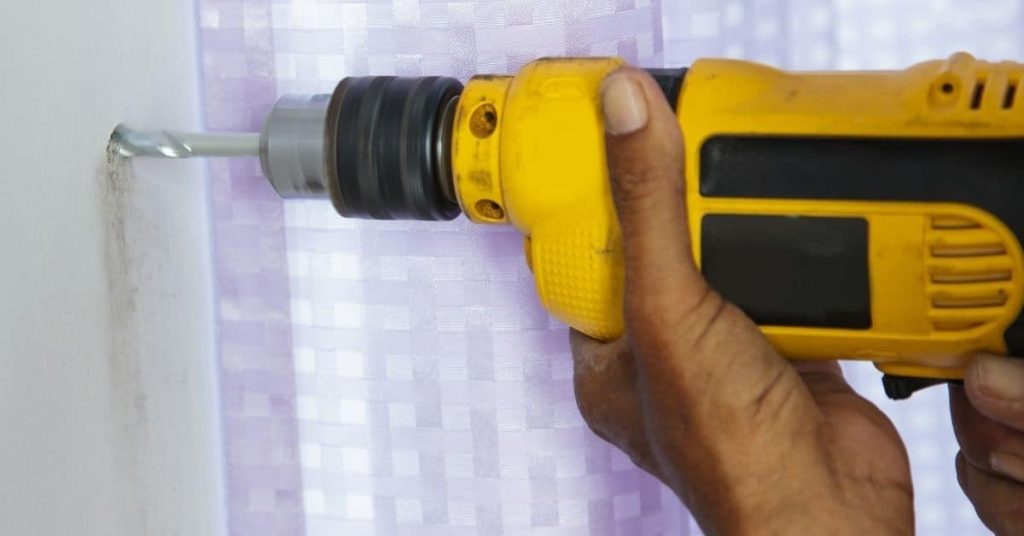
Hand holding yellow electric drill drilling masonry wall

Parapet Caps and Stucco: Top-Edge Details That Stop Water Entry

Introduction Parapet caps and top-edge detailing are practical, water-shedding features that keep rain from entering at the roof edge. They create a barrier and direct moisture away, so you don’t get leaks behind the stucco.Think of them as the crown that seals and protects the top of your parapet. Key takeaways Ensure parapet cap edges

Parapet Caps and Stucco: Top-Edge Details That Stop Water Entry Read More »

Stucco wall with a long patch near basement window

Fixing Hollow-Sounding Stucco: When to Patch vs When to Rebuild

Introduction Hollow-sounding stucco means the outer layer isn’t firmly attached to the wall and loose areas rattle. For small, localized hollows, you can patch; for wide or underlying damage, you’ll likely need to rebuild the affected area. This is a hands-on decision that depends on what’s beneath the surface and how stable the substrate feels.

Fixing Hollow-Sounding Stucco: When to Patch vs When to Rebuild Read More »

Close-up of blue stucco wall texture with raised sections

Fasteners Through Stucco: Sealing Strategies That Don’t Create Water Traps

Introduction Fasteners through stucco are methods for attaching items to a stucco surface while keeping water from getting trapped behind it. In practice, you need a seal that sheds water and a proper flashing path so moisture can’t linger. This article speaks in plain terms about choosing fasteners and sealants without creating hidden leaks. To

Fasteners Through Stucco: Sealing Strategies That Don’t Create Water Traps Read More »