Search Results for: drainage stucco

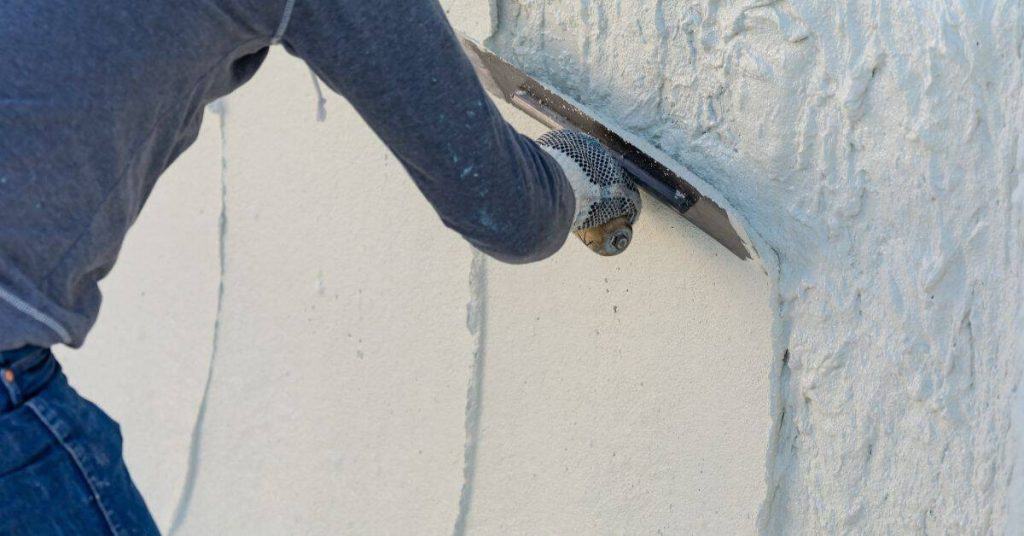
Worker spraying stucco onto a brick wall

Stucco Screed Beads and Termination Beads: Which Profile Goes Where (and Why It Matters)

Introduction Screed beads and termination beads are edge profiles used to shape and finish stucco at joints and edges. They help keep the finish straight and seal transitions where the stucco meets other surfaces. Check the product label and manufacturer guidance to ensure you’re matching the profile to your job and local rules. Plan where […]

Stucco Screed Beads and Termination Beads: Which Profile Goes Where (and Why It Matters) Read More »

closeup of red brick wall with mortar joints

Installing Expansion Joints in New Stucco: Simple Layout Rules for DIY Projects

Introduction Expansion joints are gaps that let stucco expand and contract without cracking. In new stucco, plan these joints where movement or stress is likely and at regular intervals. Keep joints clean and avoid sealing them with rigid materials. Where to place joints depends on wall size, substrate, and climate. Check manufacturer guidance and local

Installing Expansion Joints in New Stucco: Simple Layout Rules for DIY Projects Read More »

Close up of foam insulation and stucco edge

How to Repair a Missing Stucco ‘Drip Edge’ at Horizontal Bands (So Water Stops Tracking Back)

Introduction A missing stucco drip edge is the built‑in edge of the stucco that directs moisture away and stops water from tracking back into the wall. Without it, water can wend its way behind the band and cause staining or leaks. To fix it, plan to add proper edging or flashing where the horizontal band

How to Repair a Missing Stucco ‘Drip Edge’ at Horizontal Bands (So Water Stops Tracking Back) Read More »

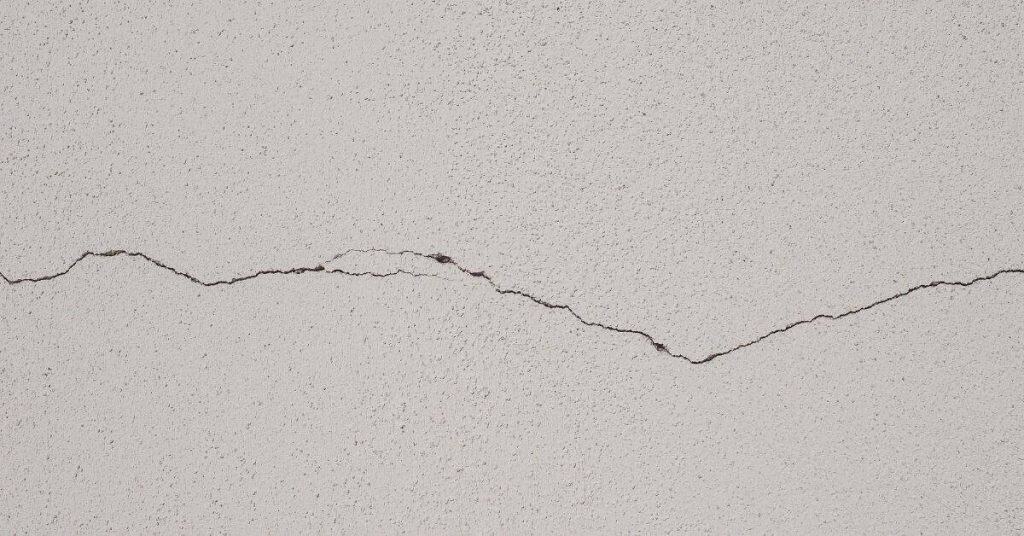
Closeup of cracked white stucco wall surface

Fixing Stucco Bubbling Under Paint: Moisture Sources, Drying Time, and Recoat Choices

Introduction Bubbling stucco under paint happens when moisture gets trapped and lifts both the stucco and the paint. Key takeaways Inspect bubbling areas for moisture signs before chipping or sanding anything. Differentiate active moisture from historic damage to plan repairs carefully. Trace water sources from roof, gutters, and plumbing to prevent recurrence. Allow substrate drying

Fixing Stucco Bubbling Under Paint: Moisture Sources, Drying Time, and Recoat Choices Read More »

Reinforcing mesh embedded in stucco corner near white wall

Stucco Corner Cracks at Windows: Mesh Layout That Actually Stops the Repeat Cracks

Introduction A proper mesh layout at window corners is a reinforcement plan that helps stop cracks from reappearing. It keeps the stucco from pulling away where the frame meets the opening. Check manufacturer instructions and local rules for acceptable mesh sizes and application methods. I lay out the mesh so it overlaps the corner edges

Stucco Corner Cracks at Windows: Mesh Layout That Actually Stops the Repeat Cracks Read More »

Stucco wall with peeling revealing concrete underneath

Efflorescence on Stucco After Rain: What It Indicates and Gentle Removal Methods

Introduction Efflorescence is a white, powdery salt deposit that shows up on stucco after rain. It means moisture is moving through the wall and carrying soluble salts to the surface. This is common after wet weather and is not mold, though it points to moisture behind the veneer. To remove it gently, start with a

Efflorescence on Stucco After Rain: What It Indicates and Gentle Removal Methods Read More »

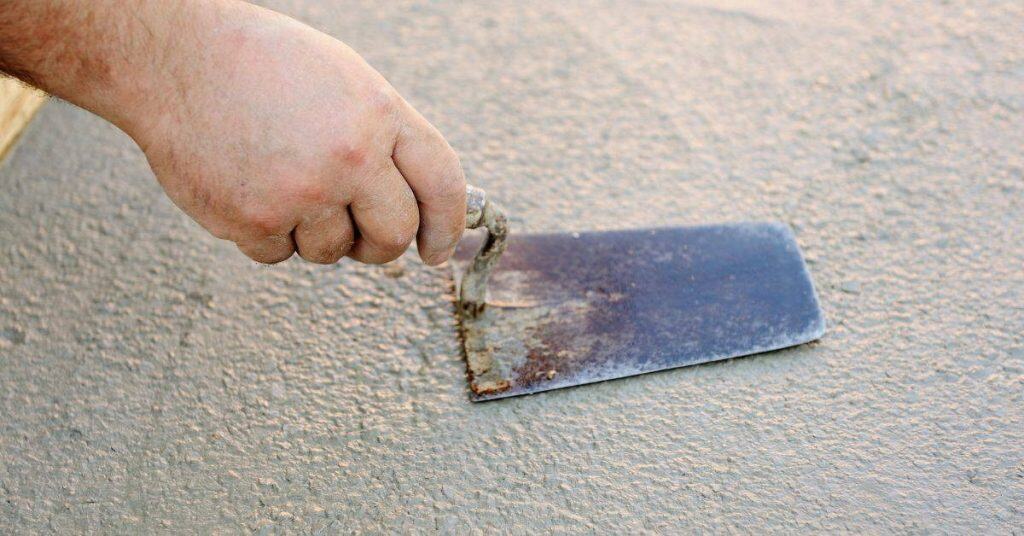
Hand holding a rusty trowel on a stucco surface

Diagnosing ‘Soft’ Stucco: Simple Probing Tests to Separate Surface Erosion From Lath Failure

Introduction Diagnosing soft stucco means using simple probing to tell if the issue is surface erosion or actual lath failure. This hands-on approach helps you identify trouble without tearing the whole wall apart. You’ll base any next steps on what the probe reveals about attachment and depth. Start with gentle, vertical and horizontal probing at

Diagnosing ‘Soft’ Stucco: Simple Probing Tests to Separate Surface Erosion From Lath Failure Read More »

Angle grinder resting on concrete block outdoors

Repairing Stucco Behind Downspouts: Rebuilding the WRB and Getting the Termination Right

Introduction Repairing stucco behind downspouts means fixing the weather-resistant barrier and ensuring proper edge termination to prevent water intrusion. This is a hands-on DIY task that focuses on reestablishing a continuous moisture barrier and a clean transfer of water away from the wall. You’ll need to work behind the downspout area, where access and flashing

Repairing Stucco Behind Downspouts: Rebuilding the WRB and Getting the Termination Right Read More »

Close up of metal hose bib mounted on textured stucco wall

Mounting a Hose Reel on Stucco Without Cracking or Leaks (Fasteners, Spacers, Sealant)

Introduction Mounting a hose reel on stucco without cracking or leaks means securing the reel with proper fasteners, spacers, and sealant to protect the wall and keep water out. Use fasteners rated for masonry or stucco and add spacers to prevent screws from binding against the softer surface. Match the hardware to the wall substrate

Mounting a Hose Reel on Stucco Without Cracking or Leaks (Fasteners, Spacers, Sealant) Read More »

Wooden deck stairs attached to deck ledger and supporting posts

Stucco Meets Deck Ledger: A Water-Safe Detail for Existing Decks (No Rot Surprise)

Introduction This detail defines a water-safe method where stucco meets a deck ledger to keep moisture from seeping behind it. It’s a hands-on approach that seals the transition so rot is less likely. You’ll want to follow basic steps and check manufacturer or local guidance for any limits. Start by inspecting the ledger area for

Stucco Meets Deck Ledger: A Water-Safe Detail for Existing Decks (No Rot Surprise) Read More »