Search Results for: disposal of cement waste

Concrete pouring into wooden formwork on construction site

How to Repair a Failed Joint Sealant Bead: Cutback, Primer, and Reseal Steps

Introduction A failed joint sealant bead needs to be cut back, primed, and resealed. This article walks you through the cutback, primer, and reseal steps so you can fix it yourself. You’ll assess the joint, remove old material, and prep the surface for a new bead. Carefully trim back the old sealant according to what […]

How to Repair a Failed Joint Sealant Bead: Cutback, Primer, and Reseal Steps Read More »

Red-handled tool smoothing fresh concrete surface

Concrete Joint Sealant That Won’t Track Dirt: Profile Shape and Cleanup Methods

Introduction A concrete joint sealant that won’t track dirt is a smooth, well-profiled sealant that stays put and is easy to wipe clean. The profile shape you choose affects how debris collects and how easy cleanup is. This intro covers practical, hands-on steps to plan and apply a dirt-resistant joint. Choose a profile that minimizes

Concrete Joint Sealant That Won’t Track Dirt: Profile Shape and Cleanup Methods Read More »

Pouring dry concrete mix into a bucket

Concrete Mixing in 5-Gallon Buckets: Repeatable Ratios for Small Projects

Introduction Concrete mixing in 5-gallon buckets is the practice of combining cement, aggregate, and water in small, repeatable ratios for quick, local work. This guide keeps things hands-on, using simple steps you can follow without heavy gear. You’ll see practical references to patterns like Ashlar Notched Slate and American Flagstone as familiar ends for small

Concrete Mixing in 5-Gallon Buckets: Repeatable Ratios for Small Projects Read More »

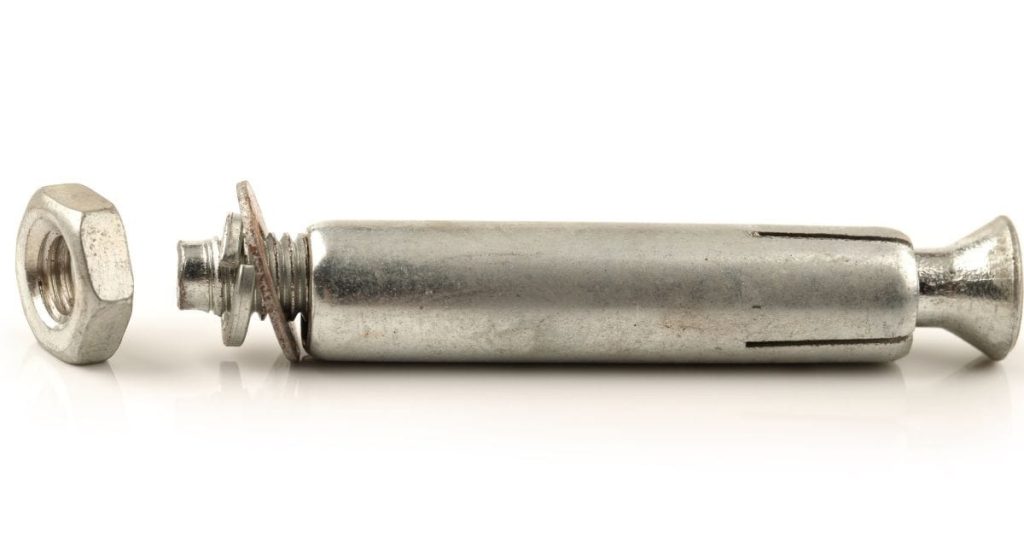
metal expansion anchor bolt with nut and washer

Epoxy Anchor Failure Modes: Dirty Holes, Wet Holes, and Wrong Cure Temperature

Introduction Epoxy anchor failure happens when the adhesive bond can’t develop strength because the hole or mix is contaminated, wet, or poorly cured. Dirty holes, wet holes, and wrong cure temperature are common failure modes that weaken the bond and let anchors loosen. Symptoms include movement, a shiny or crumbly surface, or inconsistent setting, and

Epoxy Anchor Failure Modes: Dirty Holes, Wet Holes, and Wrong Cure Temperature Read More »

Hand shaping a ball of plaster close up

How to Rebuild Missing Plaster Keys: Methods That Don’t Require Full Demo

Introduction A plaster key restoration is rebuilding the shallow grip surfaces in a wall to allow new plaster to bond without tearing out the entire section. It’s done without full demolition and is aimed at DIY repair. This introduction sets up practical, hands-on steps you can follow at home. Start with a careful inspection of

How to Rebuild Missing Plaster Keys: Methods That Don’t Require Full Demo Read More »

Wooden lath exposed behind damaged plaster wall

Repairing Plaster Where Lath Is Loose: Refastening vs Replacing and How to Decide

Introduction Repairing plaster where lath is loose means choosing between refastening the existing lath and replacing damaged lath. This article helps you decide which path fits your wall and how to do it safely. It keeps things practical and ready for a DIY project, not a textbook. To decide, start by locating loose lath and

Repairing Plaster Where Lath Is Loose: Refastening vs Replacing and How to Decide Read More »

Hand holding trowel smoothing white plaster on wall

Clay Plaster Dusting After Cure: Diagnosing Under-Compaction vs Too Much Water

Introduction Dusting after cure on clay plaster happens when a chalky top layer appears due to how you mixed and compacted the plaster. It can stem from under-compact or too much water in the mix, which pulls fines to the surface as the plaster dries. Check moisture content, aggregate fineness, and how the mixture was

Clay Plaster Dusting After Cure: Diagnosing Under-Compaction vs Too Much Water Read More »

White electrical outlet on a painted white wall

Limewash Over Previously Painted Walls: What Prep Makes It Stick (and What Doesn’t)

Introduction Limewash can be applied over previously painted walls with proper prep to let it stick. Start by cleaning and inspecting the surface, scraping off loose paint, and washing until it’s clean and dry. Then follow the product label directions and any local rules for bonding or priming as needed. In practice, the beginners’ approach

Limewash Over Previously Painted Walls: What Prep Makes It Stick (and What Doesn’t) Read More »

Paintbrush dipping into open can of blue paint

Paint Storage in Winter: Freezing Damage, Re-Mixing, and When to Toss a Can

Introduction Paint storage in winter means keeping paint properly so it doesn’t separate, freeze, or go bad and knowing when to toss leftovers. Cold conditions can cause damage to the mix or seal, so plan ahead to protect cans and contents. Keep lids tight, store upright, and avoid exposing cans to drafts or extremes. If

Paint Storage in Winter: Freezing Damage, Re-Mixing, and When to Toss a Can Read More »

Stacked rough red bricks with varying colors and textures

Lithium Nitrate Admixture for ASR Mitigation: When It’s Used and DIY Considerations

Introduction Lithium nitrate admixture is used to help mitigate ASR in concrete. This article explains when it’s typically considered and what it means for a DIY project. It’s about practical decision points you’ll face on site. Choosing lithium nitrate involves looking at product instructions, mix design goals, and local guidance. This piece covers how it

Lithium Nitrate Admixture for ASR Mitigation: When It’s Used and DIY Considerations Read More »