Search Results for: curing

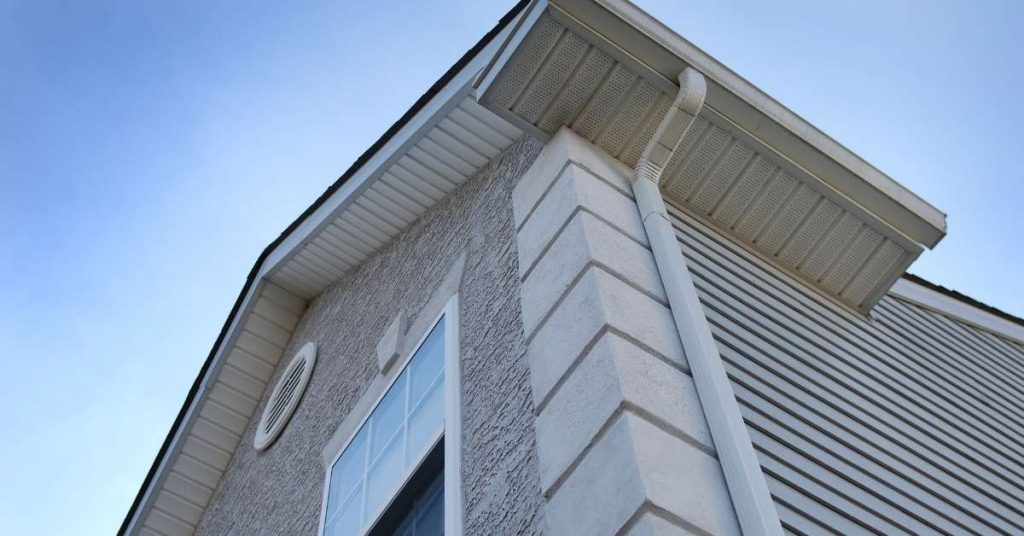
Close-up of outside stucco corner on house with clear sky

Outside Corner Stucco Damage: Stronger corner repairs that don’t chip out

Introduction Outside corner stucco damage refers to cracks or chips at the corner where two exterior walls meet. The goal is to make a repair that stays strong and looks even, without the chip coming back. This article walks you through practical, hands-on steps you can follow with common tools. You’ll want to check if […]

Outside Corner Stucco Damage: Stronger corner repairs that don’t chip out Read More »
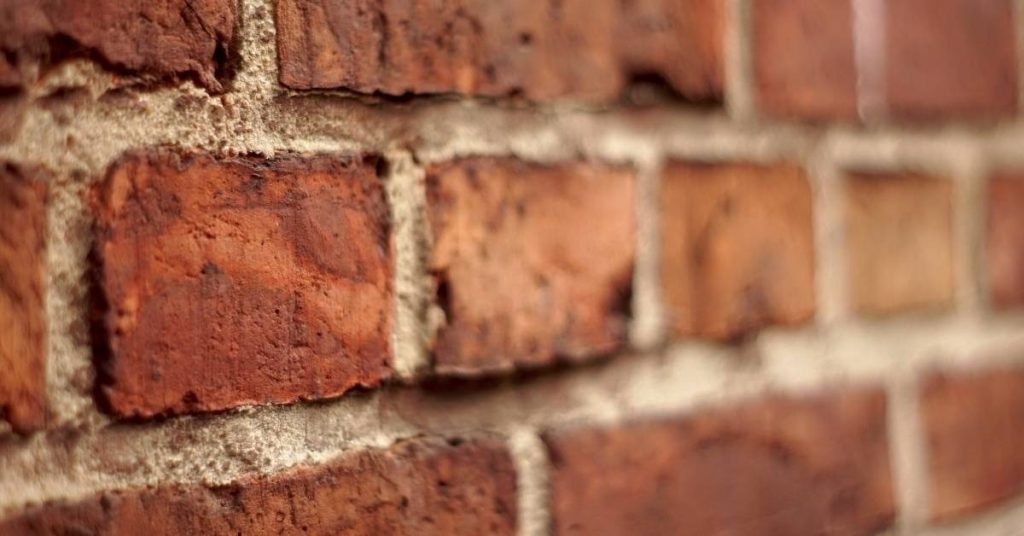
Closeup of red brick and mortar joints in wall

Caulk Pulling Away From Stucco: Why joints fail and how to rebuild them

Introduction Caulk pulling away from stucco happens when the seal between the joint and surface fails, allowing the caulk to separate from the wall. Common causes include movement in the building, sun and weather wear, improper surface prep, and using the wrong type of caulk. These gaps can trap moisture and worsen cracking, so addressing

Caulk Pulling Away From Stucco: Why joints fail and how to rebuild them Read More »

Black freestanding bathtub on dark concrete floor

Concrete Under Heavy Shelving: Load distribution and avoiding point-load cracking

Introduction Concrete under heavy shelving means the floor must spread a concentrated weight over a larger area to prevent cracking. In plain terms, a point load is a high force on a small spot that can pinhole or crack the slab. This is a practical, hands-on issue you’ll manage by checking how the load sits

Concrete Under Heavy Shelving: Load distribution and avoiding point-load cracking Read More »

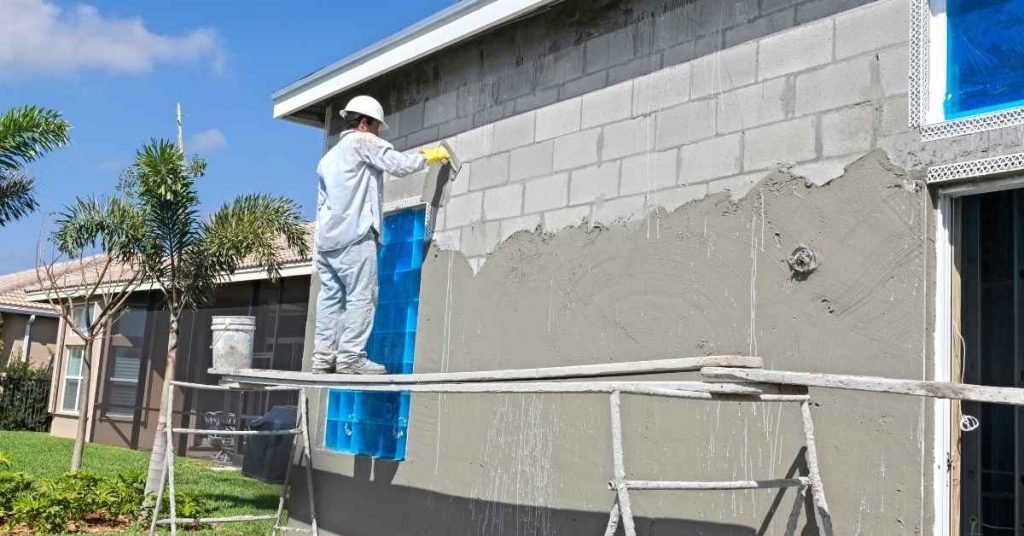
Worker applying stucco on cinder block wall outside house

Hollow-Sounding Stucco: Diagnosing debonding and choosing the right repair

Introduction Hollow-sounding stucco means the plaster layer is pulling away from the underlying surface, making a thump or hollow note when you tap it. This usually points to debonding or voids behind the stucco. If you hear it, start by confirming where the sound is strongest and what the visible signs are. Use plain, practical

Hollow-Sounding Stucco: Diagnosing debonding and choosing the right repair Read More »

Hand applying gray stucco to exterior wall with trowel

New Stucco Over Old Stucco: When it’s safe and how to prep properly

Introduction Yes—new stucco can go over old stucco when the base is sound. Look for cracks, loose sections, and obvious moisture problems and address them. Ask about local rules and follow manufacturer instructions for the products you choose. Prepare the surface by cleaning, repairing loose areas, and ensuring a stable bond. Prime as directed and

New Stucco Over Old Stucco: When it’s safe and how to prep properly Read More »

Worker applying plaster over blue mesh on wall

Mesh Reinforcement for Stucco Patches: Overlaps, thickness, and common mistakes

Introduction Mesh reinforcement for stucco patches is a fabric mesh laid over the repair to help hold the patch in place. Follow the mesh overlap guidelines from the product label or manufacturer and ensure the mesh extends beyond the patch edges. Use the correct patch thickness and mesh type as directed, and verify compatibility with

Mesh Reinforcement for Stucco Patches: Overlaps, thickness, and common mistakes Read More »