Search Results for: curing

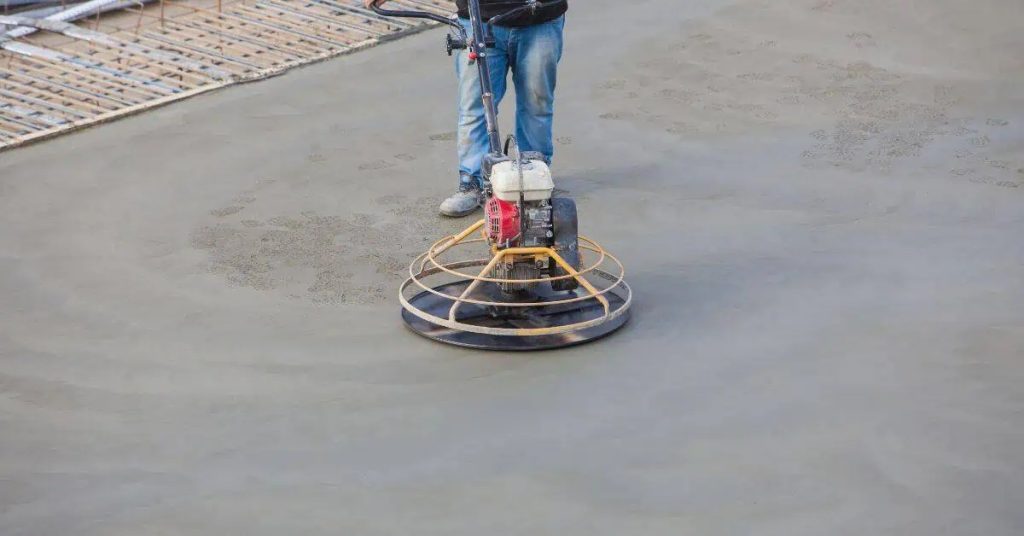
Worker using power trowel to smooth fresh concrete slab

Concrete Finishing Timing: When to start floating and when to stop troweling

Introduction Floating and troweling are concrete finishing steps that shape and smooth the surface. You start floating after the concrete begins to stiffen and can hold its edge, then you move to troweling to achieve a smooth, even finish. Stop troweling when the surface looks uniform and has the desired sheen, without overworking it. Always

Concrete Finishing Timing: When to start floating and when to stop troweling Read More »

Blue paint roller over open paint can

How Long Concrete Takes to Cure: Real timing for sealing, painting, and loads

Introduction Curing is the period when fresh concrete hardens and gains strength as it dries. For DIY projects, you can start light use only after it has set enough to bear light foot traffic. Temperature and moisture drive this process, and the method you use to cure will affect the outcome. Full curing takes time

How Long Concrete Takes to Cure: Real timing for sealing, painting, and loads Read More »

Smooth light gray concrete wall surface

Windy Day Concrete Finishing: How to stop surface checking and plastic cracks

Introduction Windy day concrete finishing is how you control surface checking and plastic cracking when wind makes the mix dry out too fast. In a DIY setup, you’ll work to keep the surface from drying too quickly while you’re finishing. Be prepared to adjust speed, moisture, and protection as you go, and always follow the

Windy Day Concrete Finishing: How to stop surface checking and plastic cracks Read More »

Close-up of textured stamped concrete floor with square pattern

Adding Color to Concrete: How to avoid batch-to-batch shade differences

Introduction Color differences in stained or pigmented concrete happen because curing and mix variation drive shade changes. This DIY guide helps you anticipate, control, and blend those differences when adding color to concrete. We’ll keep it practical with real-world checks and steps you can follow on site. Expect color shifts during curing and across batches,

Adding Color to Concrete: How to avoid batch-to-batch shade differences Read More »

Concrete surface with small holes and surface pitting

Air Entrained Concrete: When it’s necessary and how to avoid surface pitting

Introduction Air entrained concrete is concrete that includes tiny air bubbles introduced by a special additive to improve its performance. These micro-bubbles help when water freezes and expands, reducing cracks in the slab. It’s a common choice for projects that sit outside or face temperature swings. Use is appropriate when you want a smoother surface

Air Entrained Concrete: When it’s necessary and how to avoid surface pitting Read More »

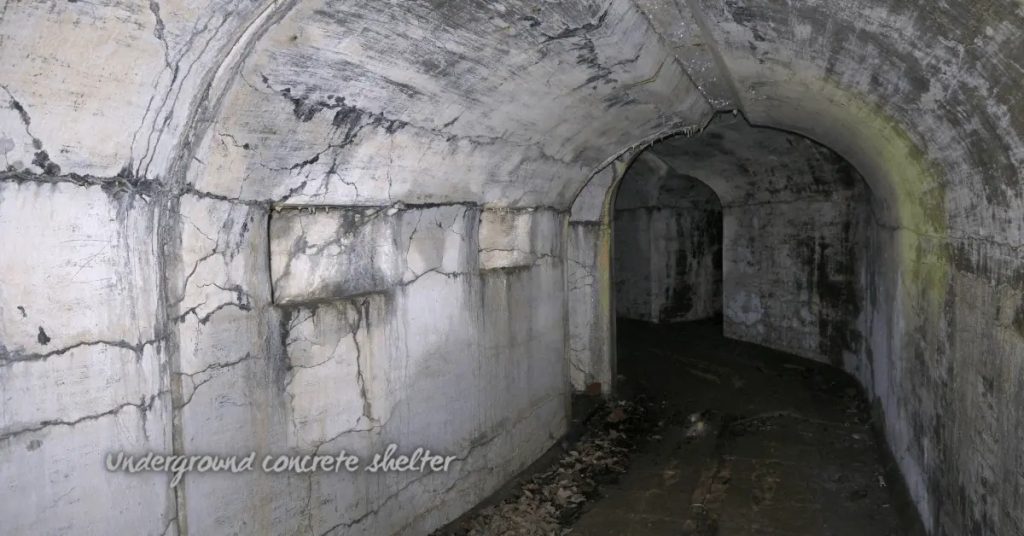
Cracked concrete walls and ceiling in underground tunnel

Poly Fiber Balls in Concrete: Why they happen and how to mix without clumps

Introduction Poly fiber balls are clumps that form when poly fiber additives ball up in wet concrete. They look like stringy lumps that don’t disperse evenly through the mix. Understanding why helps you avoid them when you’re DIY mixing. Causes include too much fiber, uneven distribution, and mixing too aggressively. Add fibers gradually, mix at

Poly Fiber Balls in Concrete: Why they happen and how to mix without clumps Read More »

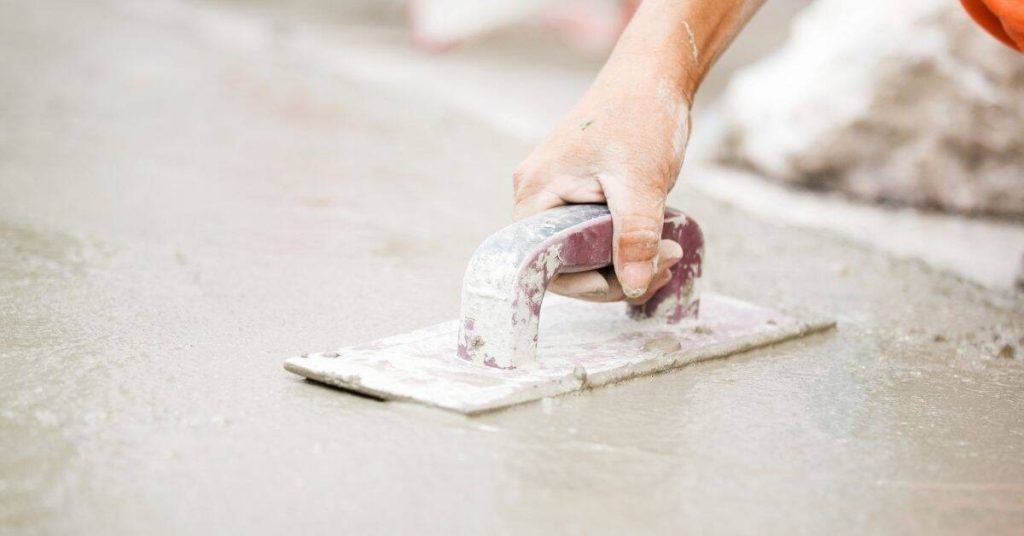
Close-up of concrete screed tool smoothing wet concrete slab

Concrete Bleed Water: Finishing timing to avoid dusting, blisters, and flakes

Introduction Bleed water is the surface water that rises through the concrete mix as it sets. Finishing timing means waiting for that water to emerge and begin to dry before you apply final troweling or brooming. Doing it too soon can trap moisture and lead to dusting, blisters, or flaking later. The bleeding rate depends

Concrete Bleed Water: Finishing timing to avoid dusting, blisters, and flakes Read More »