Search Results for: curing

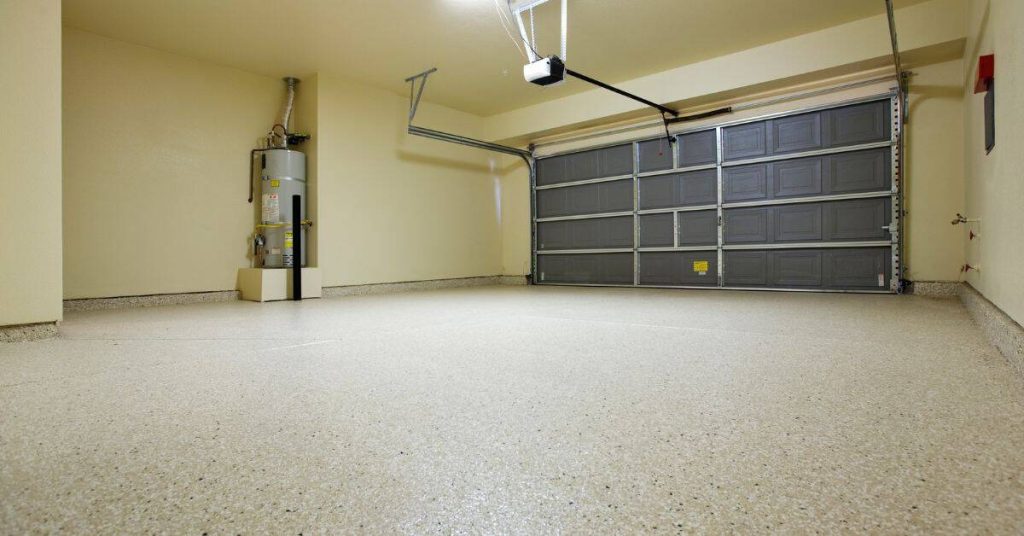
Clean epoxy-coated residential garage floor with water heater

Salt-Contaminated Garage Slabs: Cleaning Limits and Coating System Choices That Survive

Introduction Salt-contaminated garage slabs are concrete floors with salt residues that can interfere with finishes and moisture behavior. The salt can come from de-icing agents or nearby treatments, and this article explains what to expect when cleaning and choosing a coating that lasts. Salt residue can cause efflorescence, staining, and a weakened surface near joints, […]

Salt-Contaminated Garage Slabs: Cleaning Limits and Coating System Choices That Survive Read More »
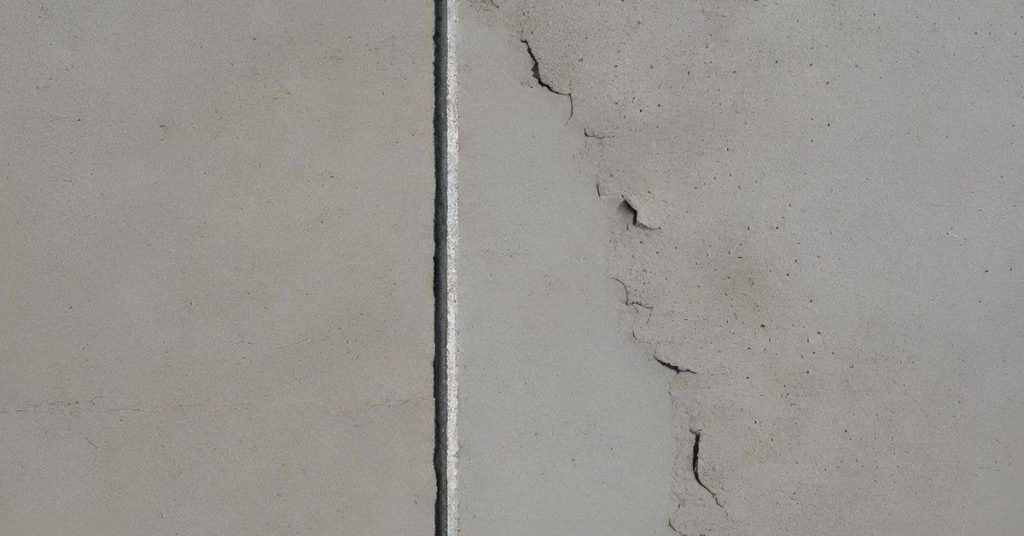
close-up of cracked concrete wall surface and joint

Dealing With Alkali-Silica Reaction (ASR) Cracking: Mitigation Options and When Replacement Is the Only Fix

Introduction ASR cracking is damage in concrete caused by a chemical reaction between reactive aggregate and alkalis in the cement. This is a long-standing problem that can show up as fine to wide cracking and spalling over time. Understanding that it develops slowly helps you plan repairs rather than chasing quick fixes. Causes and the

Dealing With Alkali-Silica Reaction (ASR) Cracking: Mitigation Options and When Replacement Is the Only Fix Read More »

Concrete slab form with rebar grid and wood panels

Concrete ‘Cool Deck’ Coatings: Heat Reduction Claims and What Prep Actually Controls Delamination

Introduction Cool deck coatings are heat-reflective surface finishes applied to concrete to reduce surface temperatures and glare. But whether they last depends mainly on how the base concrete is prepared and bonded. This article cuts through the hype and tells you what prep actually controls delamination. Delamination happens when the coating separates from the concrete

Concrete ‘Cool Deck’ Coatings: Heat Reduction Claims and What Prep Actually Controls Delamination Read More »

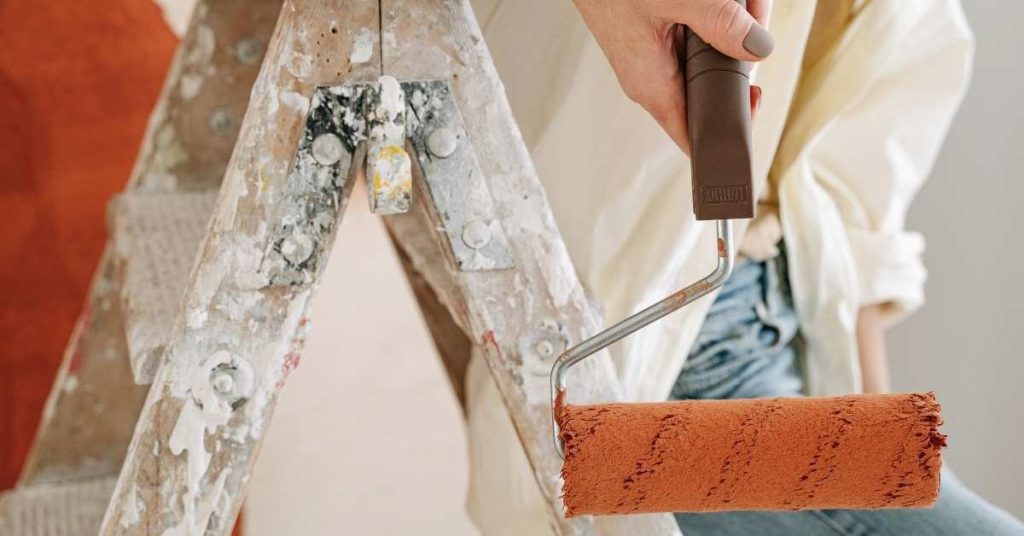
Person holding paint roller with rust-colored paint near ladder

Antiquing Integral Color: Stains, Washes, and How Sealers Change the Look

Introduction Antiquing integral color is about using stains or washes that are worked into concrete to create an aged, variegated look. This hands-on approach hinges on proper surface prep and a controlled application process so the color settles evenly. Before you start, clean, etch or profile the surface as needed and test on a small

Antiquing Integral Color: Stains, Washes, and How Sealers Change the Look Read More »

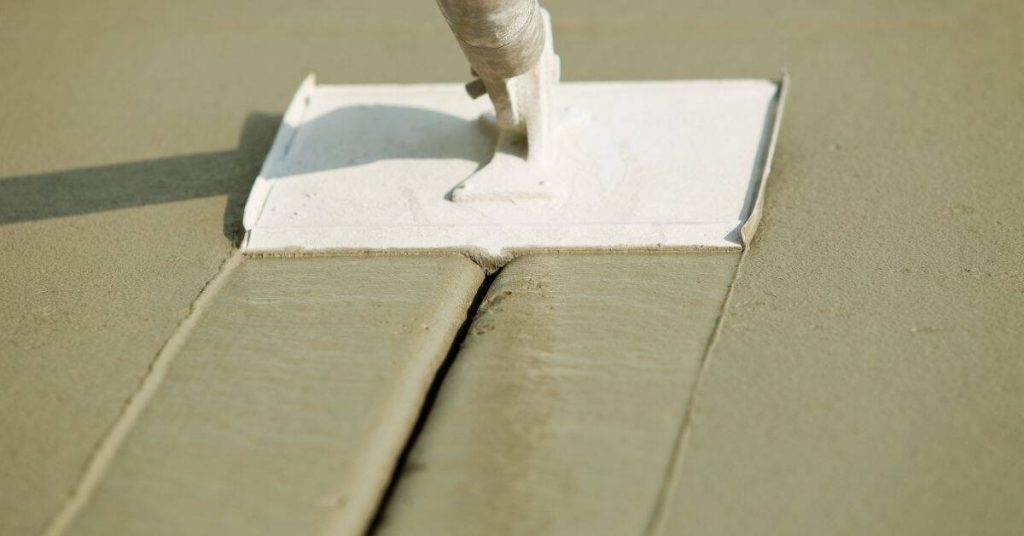
Close-up of a metal tool shaping a joint in fresh concrete

Stamped Concrete at DIY Scale: Release Agents, Joint Planning, and Sealing Without Slippery Film

Introduction Stamped concrete at a DIY scale is about using release agents, planning joints, and sealing so the finish isn’t slick. Keep expectations simple: choose a release agent you can apply evenly, map where joints go before stamping, and select a sealer that reduces glare without creating a slippery film. Start with a clear plan,

Stamped Concrete at DIY Scale: Release Agents, Joint Planning, and Sealing Without Slippery Film Read More »

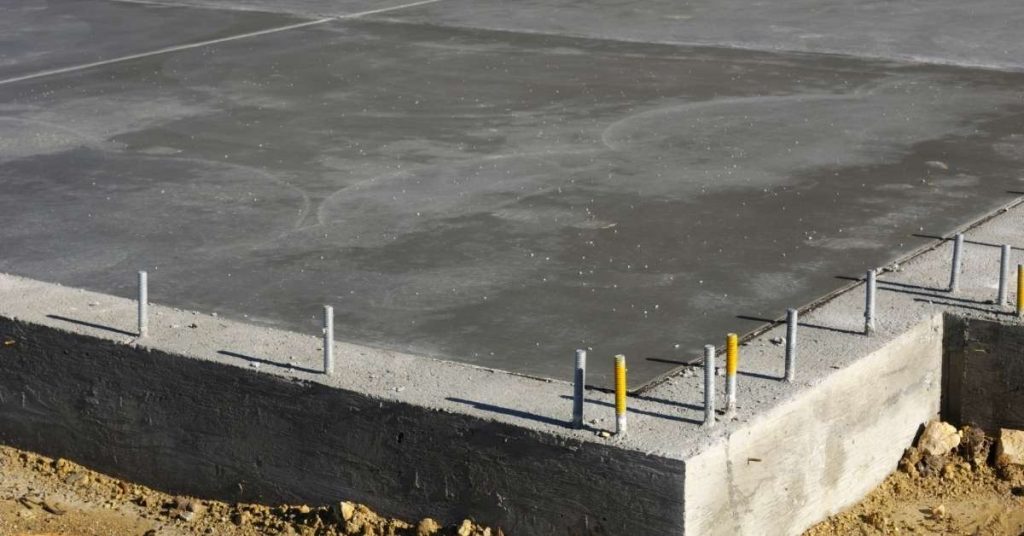
Concrete slab foundation with metal anchor bolts embedded

Preventing Cracks Around Slab Penetrations: Pipe Sleeves, Bond Breakers, and Joint Layout

Introduction Cracks around slab penetrations happen when the concrete around pipes or openings isn’t managed during pour. Key takeaways Use pipe sleeves fully encased in concrete, with proper clearance for movement. Apply bond breakers on form faces and sleeves to minimize three-sided adhesion. Plan joint layout early to align joints with penetrations and expected movement.

Preventing Cracks Around Slab Penetrations: Pipe Sleeves, Bond Breakers, and Joint Layout Read More »

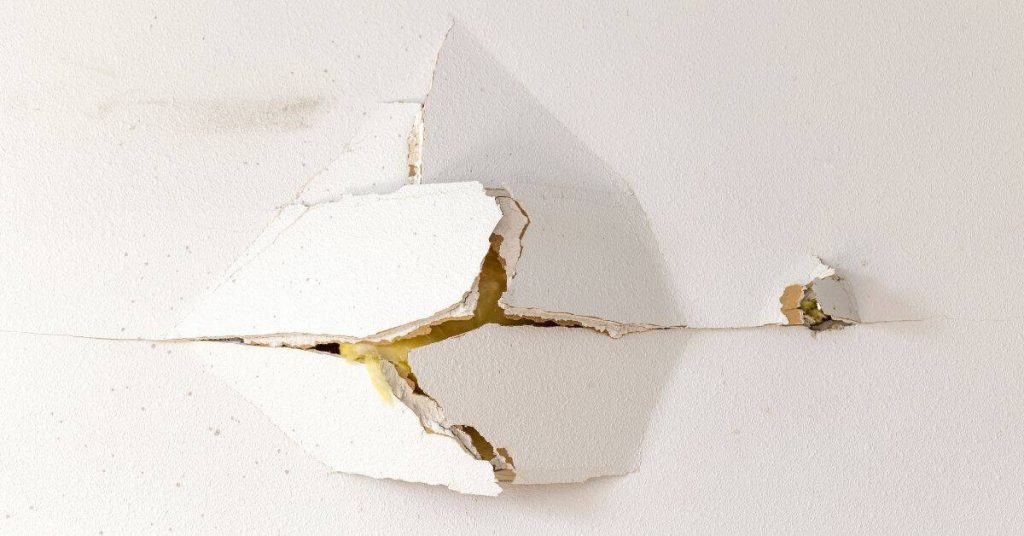
Closeup of cracked and peeling plaster on white wall

How to Repair a Failed Patch That Sounds Hollow: Cutback Rules and Reattachment Options

Introduction A failed patch that sounds hollow is a plaster area with voids that likely needs back-cutting and reattachment. In plain terms, you’ll check why it came loose and decide whether to trim the patch back or start fresh. This is a real-world, DIY job you can handle with basic tools and a patient approach.

How to Repair a Failed Patch That Sounds Hollow: Cutback Rules and Reattachment Options Read More »

Various hand tools on wooden floor near wall with water damage

Cure-and-Seal Failures: Stripping Without Damage and Choosing a System That Truly Bonds

Introduction Cure-and-seal failures occur when a sealant or coating loses adhesion to the substrate, causing peeling, cracking, or bubbling. Common signs include edge lifting, staining, or gaps where the material no longer grips. Before you start stripping, check the current system’s compatibility and any manufacturer guidance for substrate prep and safety. To strip without damage,

Cure-and-Seal Failures: Stripping Without Damage and Choosing a System That Truly Bonds Read More »

Smooth concrete window sill below metal frame window

Concrete Delamination Under Tiles: Removing Thinset Residue and Preventing Re-Bond Failure

Introduction Delamination under tiles happens when the adhesive bond fails and thinset residue is left behind, leading to loose or cracked tile. It’s a sign you need to assess the substrate before continuing and plan how to remove it safely. Start with a clear look at what’s under the surface and what you’ll need to

Concrete Delamination Under Tiles: Removing Thinset Residue and Preventing Re-Bond Failure Read More »

Hand using float tool on concrete control joint edge

Rebuilding Control Joint Edges After Raveling: Saw-Cut Cleanup, Primers, and Edge Forms

Introduction Rebuilding control joint edges after raveling is the process of renewing the exposed edge of a control joint that has deteriorated. This DIY repair focuses on cleaning, restoring shape, and preparing the edge for bonding or resurfacing. Keep the goal to create a clean, straight edge ready for primers and forms. You’ll need basic

Rebuilding Control Joint Edges After Raveling: Saw-Cut Cleanup, Primers, and Edge Forms Read More »