Search Results for: curing

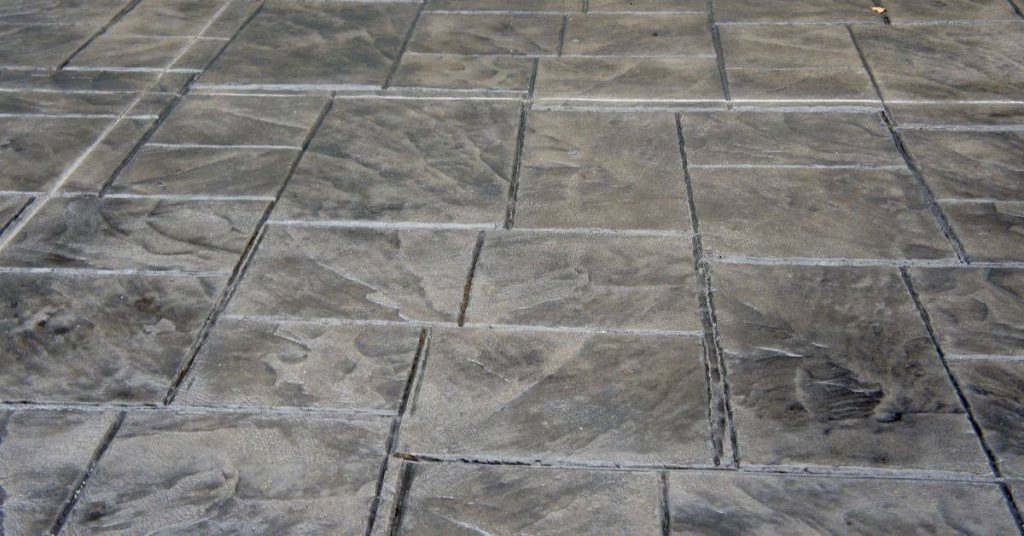
Stamped concrete patio surface with gray color and texture

Concrete Countertop Sealer Spot Repairs: Fixing One Area Without Recoating Everything

Introduction A sealer spot repair on a concrete countertop is fixing a damaged area without recoating the whole surface. It starts with identifying the kind of damage—stains, dull or rough spots—and cleaning the area thoroughly before any repair. Then you’ll choose a compatible sealant and follow the product directions for spot treatment, avoiding the rest […]

Concrete Countertop Sealer Spot Repairs: Fixing One Area Without Recoating Everything Read More »

Concrete countertop with integrated sink and black faucet

Concrete Countertop Heat Rings: Why Sealers Fail and How to Reduce Damage

Introduction A concrete countertop heat ring is a ring-like mark formed around hot items that shows up as damage or staining. It happens when heat or rapid temperature changes stress the surface faster than the sealers or finish can handle. In DIY terms, it’s a signal to look at protection, cooling, and how you treat

Concrete Countertop Heat Rings: Why Sealers Fail and How to Reduce Damage Read More »

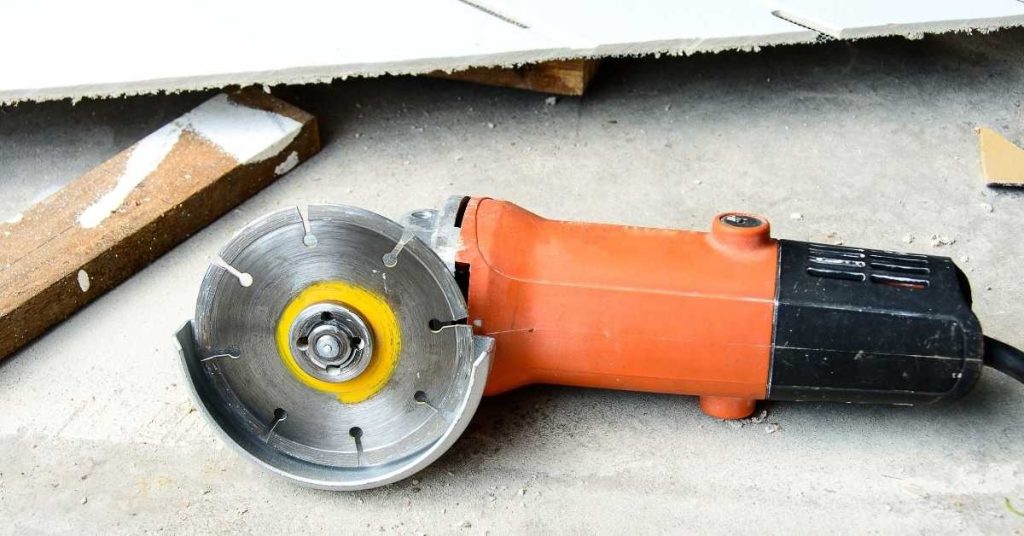
Corded angle grinder lying on dusty concrete floor

How to Avoid Grinder ‘Swirl Marks’: Technique, Tool Path, and When to Cross-Hatch

Introduction Grinder swirl marks are fine scratches left by abrasive motion, and you avoid them with the right technique. Choose the right grinder and disk for the wood task, keep the surface clean, and maintain steady, even pressure. Work in small, overlapping passes and check your progress often before moving to a finer abrasive. Use

How to Avoid Grinder ‘Swirl Marks’: Technique, Tool Path, and When to Cross-Hatch Read More »

Concrete floor grinder machine working on concrete surface

Concrete Grinding Grit Guide: What 16, 30, 60, 120 Actually Do to a Surface

Introduction Grinding concrete with grit sizes is how you condition the surface by progressively removing roughness and shallow imperfections. In practice, coarser grits like 16 and 30 remove material quickly, while finer grits such as 60 and 120 smooth and refine the finish. Start with a surface assessment and plan the steps based on your

Concrete Grinding Grit Guide: What 16, 30, 60, 120 Actually Do to a Surface Read More »

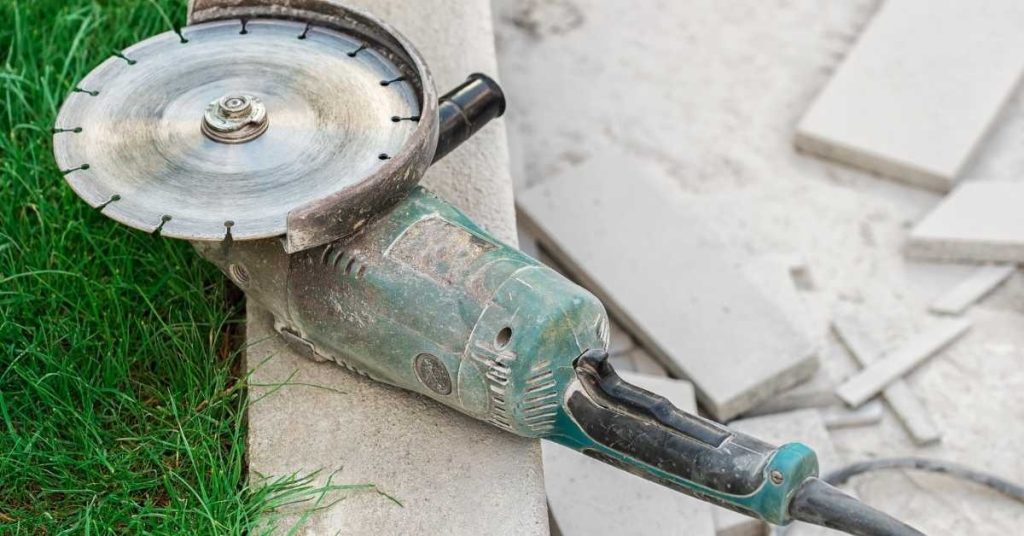
Angle grinder with diamond blade lying on concrete edge

How to Cut Concrete Without Chipping Edges: Score Cuts, Support, and Blade Control

Introduction Cutting concrete without chipping edges means making clean, controlled cuts by scoring first, supporting the cut edge, and maintaining steady blade control. In practice, plan your score line, use light, steady passes, and let the blade do the work without forcing it. Always verify that your blade and tool are suitable for the concrete

How to Cut Concrete Without Chipping Edges: Score Cuts, Support, and Blade Control Read More »

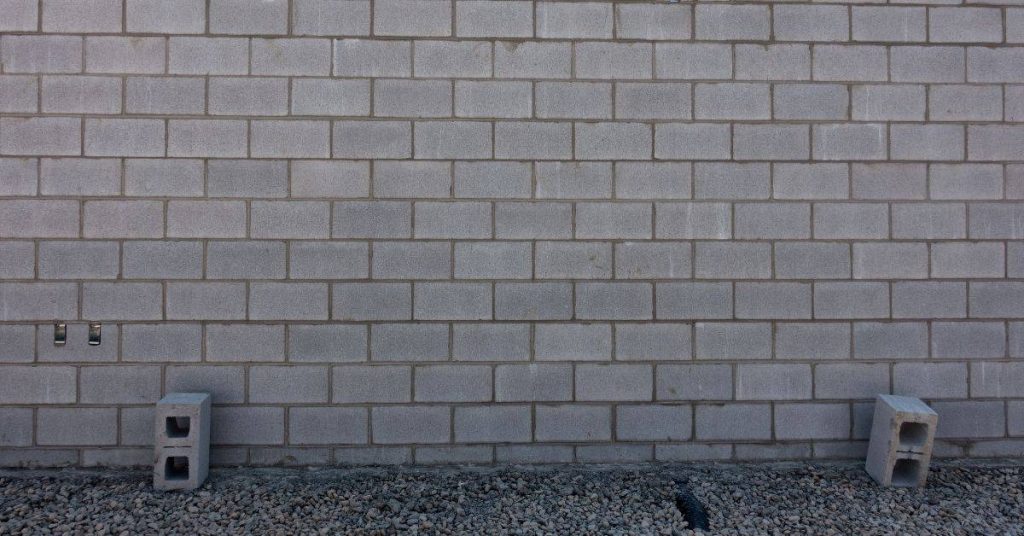
Gray concrete block wall with gravel base and two hollow concrete blocks

Anchoring Into Concrete Block: Hollow vs Grouted Cells and Proper Fastener Choices

Introduction Anchoring into concrete block means using the right anchors and installation technique to secure fasteners into hollow or grouted cells. The choice depends on whether you’re dealing with hollow sections or fully grouted blocks, so consult the anchor’s instructions and the block type before proceeding. Plan for safe drilling, clean holes, and proper seating

Anchoring Into Concrete Block: Hollow vs Grouted Cells and Proper Fastener Choices Read More »

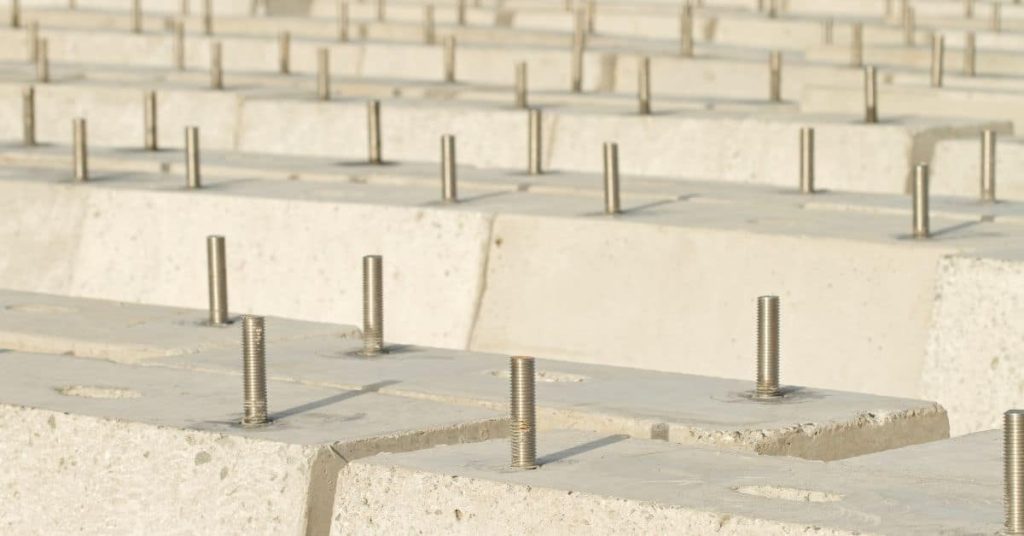
Rows of concrete blocks with metal anchor bolts embedded

Concrete Anchor Pullout: Hole Cleaning Levels That Actually Change Strength

Introduction Hole cleaning level refers to how clean the hole is before you install the anchor and that cleanliness can influence pullout strength. Different anchor types require different cleaning steps, and following the manufacturer’s instructions matters. In practice, I check for dust and debris, brush or air-blow the hole, and wipe it out until the

Concrete Anchor Pullout: Hole Cleaning Levels That Actually Change Strength Read More »

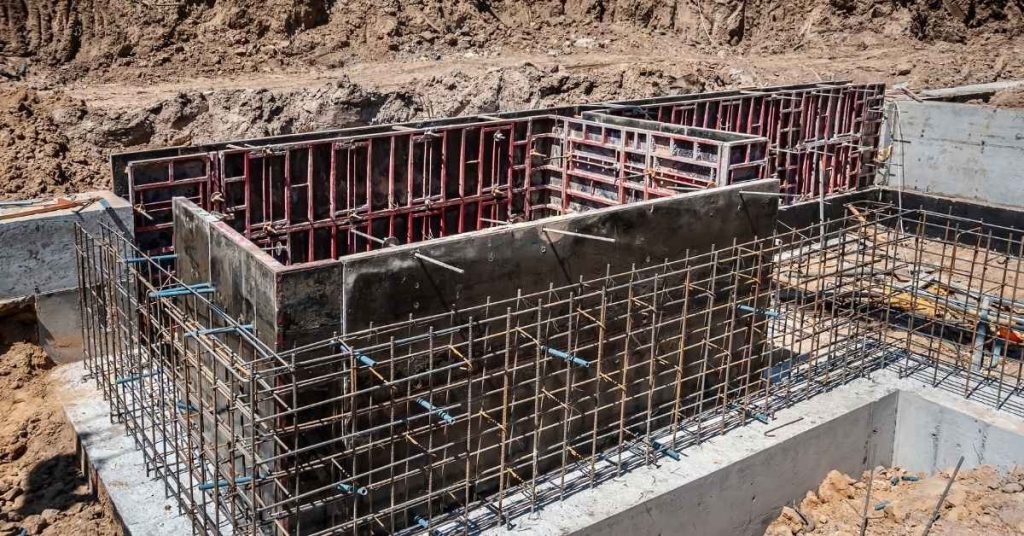
Concrete formwork with steel rebar reinforcement at construction site

Concrete Accelerator for DIY: Picking Non-Chloride Types and Avoiding Soft Surfaces

Introduction A concrete accelerator is an additive that speeds up the setting and hardening of concrete without relying on chlorides. For DIY use, look for non-chloride formulations and read the label to confirm compatibility with your mix and any additives you plan to use. Always follow manufacturer instructions and check local rules if you plan

Concrete Accelerator for DIY: Picking Non-Chloride Types and Avoiding Soft Surfaces Read More »