Search Results for: curing

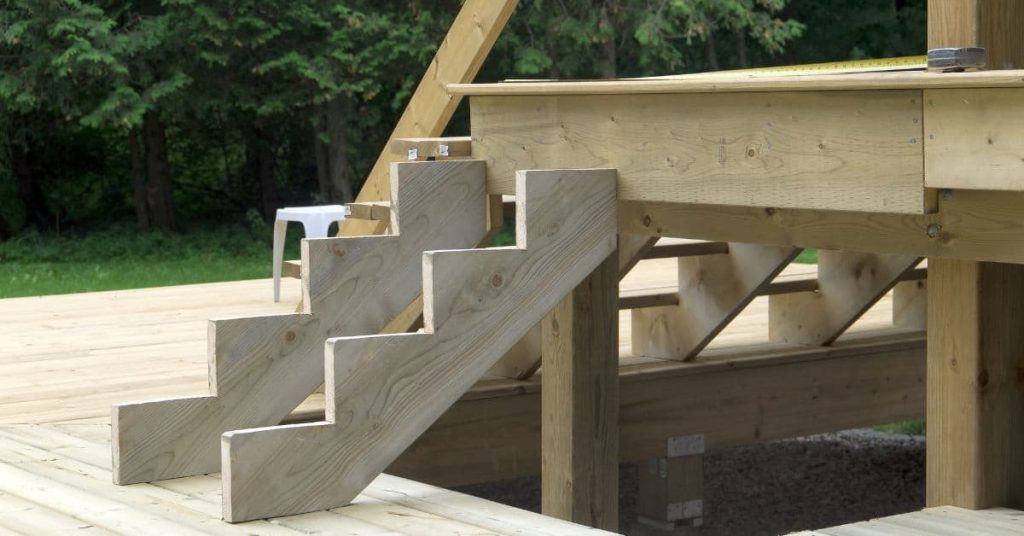
Wooden stair stringers attached to deck frame outdoors

Stucco Around Deck Ledger Boards: Waterproofing Details That Don’t Rely on Caulk

Introduction Stucco around a deck ledger boards is a method to seal and protect the joint where the deck meets the house. It relies on proper transitions and flashing rather than relying on caulk as the main waterproofing tool. The goal is to keep water from getting behind the stucco and into the wall cavity. […]

Stucco Around Deck Ledger Boards: Waterproofing Details That Don’t Rely on Caulk Read More »
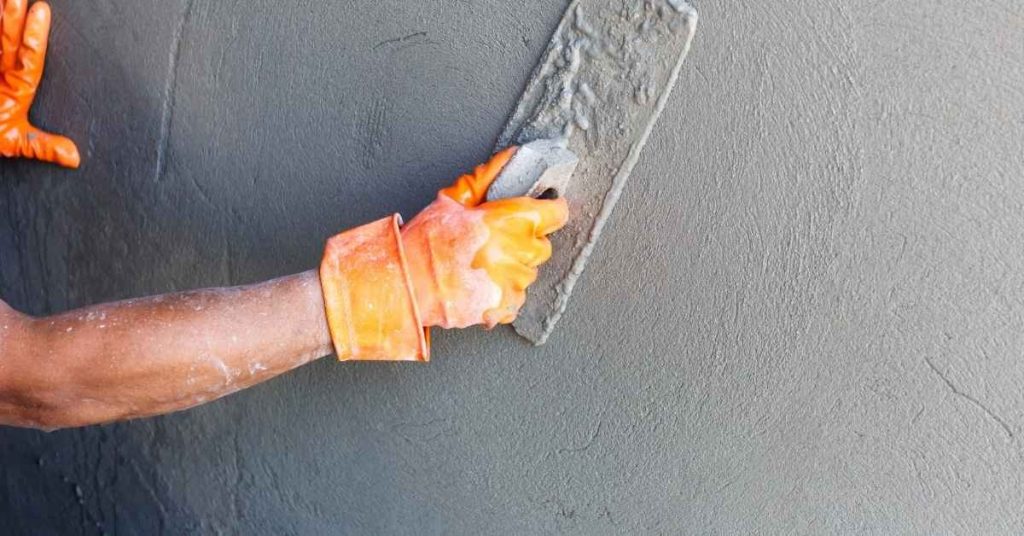
Hand wearing orange gloves smoothing gray stucco with trowel

Stucco Expansion Joints at Additions: Detailing Differential Movement Without Water Traps

Introduction Expansion joints in stucco at additions accommodate differential movement between the new addition and the existing structure while avoiding water traps. Plan for joints at the connection and detail how the joint will be filled and flashed without creating water traps. This article keeps the language plain and focuses on practical steps you can

Stucco Expansion Joints at Additions: Detailing Differential Movement Without Water Traps Read More »

White stucco coated brick wall texture close-up

Stucco Control Joint Layout: Where They Belong and Why Random Cracks Follow Bad Layout

Introduction Control joints in stucco are deliberate gaps that guide where cracks will form, instead of letting random cracks run everywhere. They serve as a planned break for movement due to temperature, moisture, and framing shifts. Placement guidelines depend on factors like height, openings, and changes in plane; check manufacturer instructions for specifics. Use appropriate

Stucco Control Joint Layout: Where They Belong and Why Random Cracks Follow Bad Layout Read More »

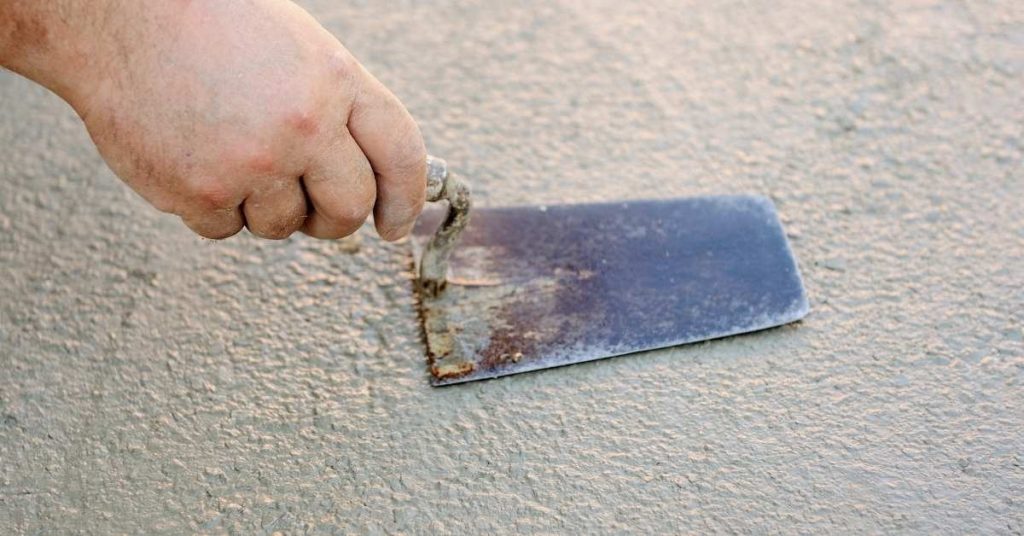
Hand holding trowel smoothing wet stucco surface

Repairing Stucco Control Joints: When to Reseal vs Replace the Accessory

Introduction Repairing stucco control joints means deciding whether to reseal the joint or replace the accessory. This article helps you assess condition and choose the practical path for a DIY project. You’ll find plain-language steps to reseal or replace without guesswork. Watch for signs like wide cracks, loose trim, or staining that suggest movement or

Repairing Stucco Control Joints: When to Reseal vs Replace the Accessory Read More »

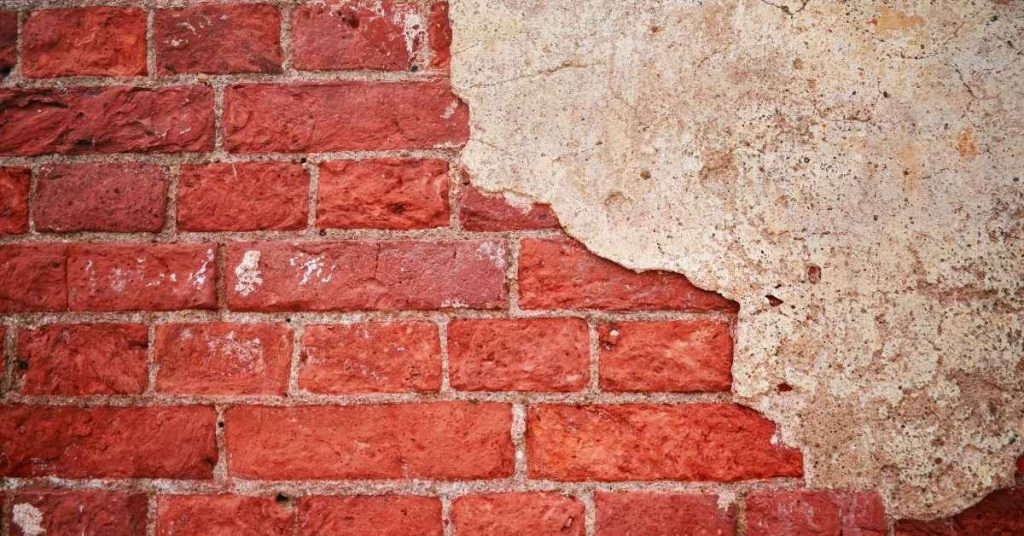
Peeling stucco on red brick wall

Stucco Patch Cracks That Reappear: Movement vs Shrinkage and How to Tell

Introduction Cracks that reappear after patching are usually caused by movement or shrinkage in the stucco system. You can tell them apart by looking at how the crack ran and what the surrounding area did over time; movement cracks often change with structure or temperature, while shrinkage cracks stay smaller and more uniform. To start,

Stucco Patch Cracks That Reappear: Movement vs Shrinkage and How to Tell Read More »

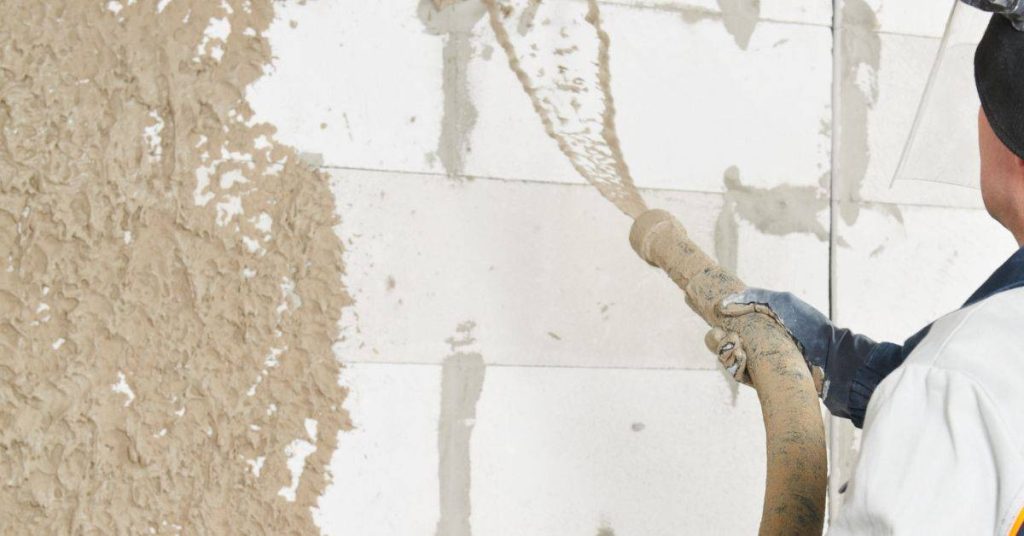
Person spraying stucco mixture onto a wall

How to Fix a Stucco Patch That Dries Too Fast: Pre-Wetting and Cure Mist Schedules

Introduction Pre-wetting and cure mist schedules help control how fast a stucco patch dries. This simple approach keeps the patch workable and reduces cracking. Set up a light dampening routine and watch for a smooth, even surface as you work. Common causes of rapid drying are sun exposure, wind, and heat on the patch area.

How to Fix a Stucco Patch That Dries Too Fast: Pre-Wetting and Cure Mist Schedules Read More »

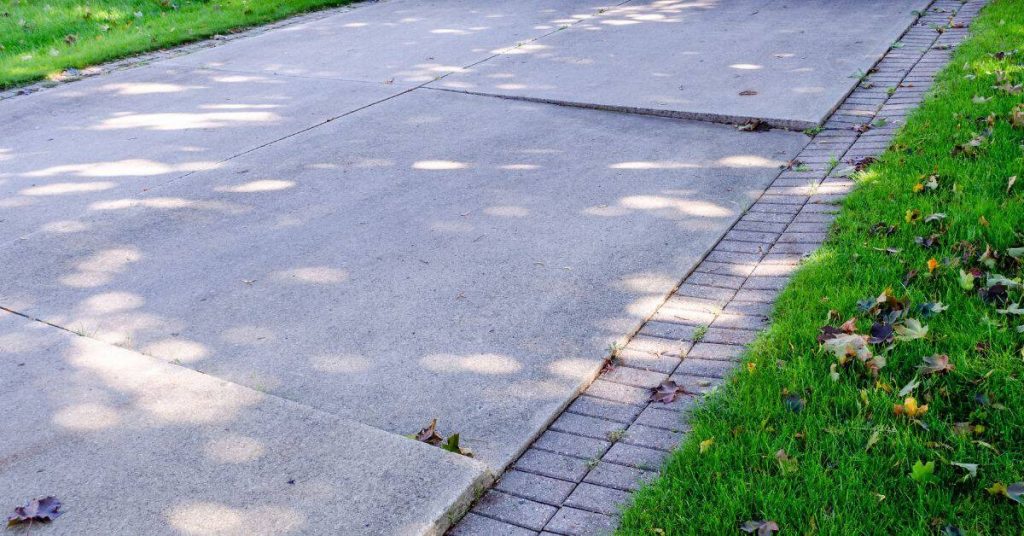
Concrete driveway with brick border and straight control joints

Concrete Fountain Leaks: Pinholes, Cold Joints, and Repair Options That Hold Water

Introduction Concrete fountain leaks happen when tiny holes or seams let water escape. Common causes are pinholes and cold joints that form gaps as concrete cures and settles. If you notice damp spots, dripping, or a steady seep near joints, that signals a leak to investigate. To fix it, you’ll seal pinholes and address cold

Concrete Fountain Leaks: Pinholes, Cold Joints, and Repair Options That Hold Water Read More »

Black freestanding bathtub on dark floor with faucet stool and plant

Concrete Birdbath Waterproofing: Coatings vs Liners and Maintenance Reality

Introduction Waterproofing a concrete birdbath involves choosing between coatings and liners to keep water in and debris out. Coatings seal the surface, while liners create a separate interior barrier—each has pros and cons you can verify on product labels. You’ll want to compare how durable, easy to install, and repairable each option is for your

Concrete Birdbath Waterproofing: Coatings vs Liners and Maintenance Reality Read More »

Stack of gray concrete cinder blocks under blue sky

Concrete Planter Drain Holes: Placement, Wicking Risk, and Waterproofing Details

Introduction Concrete planter drainage holes are openings made in the sides or bottom to let excess water escape and keep soil from becoming waterlogged. Place them where excess water can drain freely and where roots won’t be damaged, keeping an eye on their placement relative to the planter edge. Too little drainage can cause waterlogging

Concrete Planter Drain Holes: Placement, Wicking Risk, and Waterproofing Details Read More »