Search Results for: curing

Paint roller applying liquid to concrete pavers

DIY Large-Format Concrete Pavers: Reinforcement, Curing, and Warp Prevention

Introduction Large-format concrete pavers require proper reinforcement, curing, and warp prevention to stay flat and durable. In plain terms, you reinforce the base and pavers, manage moisture and temperature during curing, and watch for movement that can cause warping. This article focuses on practical, hands-on methods you can apply on a DIY project. Follow the […]

DIY Large-Format Concrete Pavers: Reinforcement, Curing, and Warp Prevention Read More »

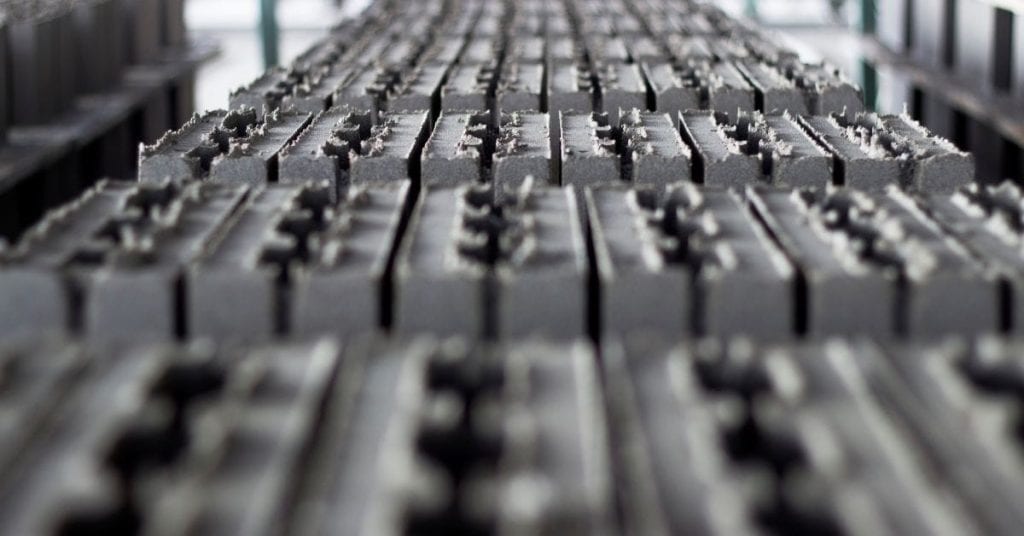
Rows of concrete blocks stacked on curing racks indoors

Curing Plastic Marks on Concrete: How to Avoid Blotches and Patterns

Introduction Plastic marks on cured concrete are blotches and patterns left by plastic sheets or forms during curing. They form when moisture is trapped or imprints are picked up as the surface dries. To avoid them, plan your curing approach before you pour and keep the surface free of wrinkles or tacky plastics. Preventive measures

Curing Plastic Marks on Concrete: How to Avoid Blotches and Patterns Read More »

Smooth concrete window sill under open window with shadows

Concrete Microcracks After Curing: Causes, Visibility, and When to Seal

Introduction Concrete microcracks after curing are tiny cracks that form as the slab gains strength and settles. They are usually hairline and may be visible on the surface or near joints. Causes include shrinkage, temperature changes, and normal settling, not necessarily a defect. Sealing timing and product choice depend on your climate and the sealer

Concrete Microcracks After Curing: Causes, Visibility, and When to Seal Read More »

Wooden concrete forms with metal rebar inside trenches

Crack-Resistant Concrete Prep: Base, Rebar, Mix, and Curing

Introduction Crack-resistant concrete prep means setting up the base, reinforcement, mix, and curing plan to minimize cracking and movement in the slab. Start with a solid, well-drained base and clean forms, then place appropriate reinforcement and ensure everything is tied and supported before mixing. Follow the manufacturer’s instructions for any additives or metalwork, and check

Crack-Resistant Concrete Prep: Base, Rebar, Mix, and Curing Read More »

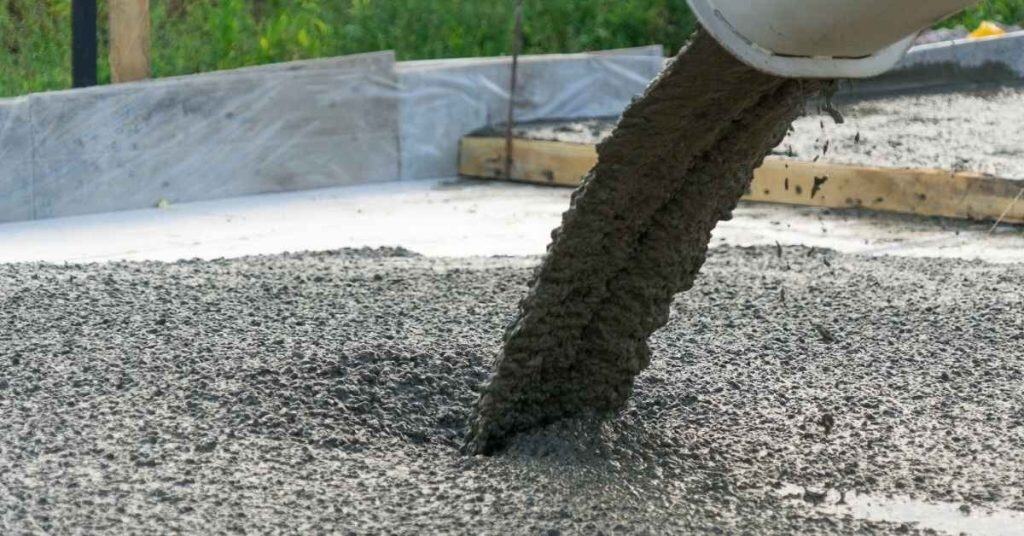
Fresh concrete pouring from mixer onto slab

How to Protect Fresh Concrete from Frost, Wind, and Sun (Curing Blankets and More)

Introduction Protecting fresh concrete means keeping it warm enough to cure evenly and shielding it from drying too fast. To do this, follow the product instructions, local specs, and use the curing methods that fit your site. Check labels for temperature guidance and any restrictions before you start. Prepare the work area by clearing wind

How to Protect Fresh Concrete from Frost, Wind, and Sun (Curing Blankets and More) Read More »

Wooden mop applying finish on hardwood floor

How to Adjust Polyurethane Cure Time: Curing-Agent Problems Explained: Causes, Testing, and Fixes

Introduction Cure time for polyurethane is the time it takes to reach full hardness, and curing-agent issues are a common cause of incorrect timing. This article covers the main causes, how to test for problems, and practical fixes you can try on a DIY project. You can spot issues with a quick poke test, scratch

How to Adjust Polyurethane Cure Time: Curing-Agent Problems Explained: Causes, Testing, and Fixes Read More »

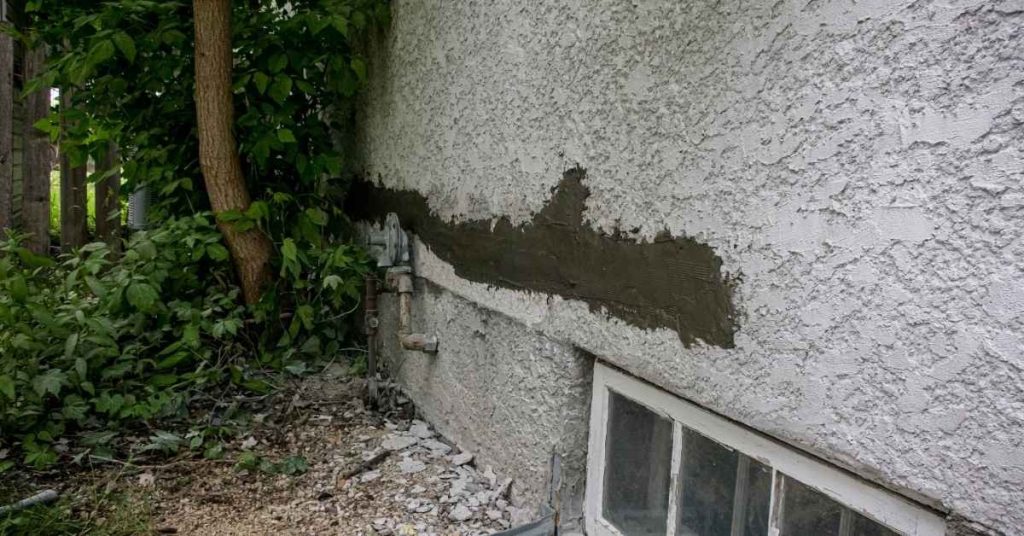
Stucco Patch Curing Stains: How to Reduce “Dark Rings” Around Repairs

Stucco Patch Curing Stains: How to Reduce “Dark Rings” Around Repairs

Introduction Dark rings around stucco repairs are staining caused by moisture during the curing process. This article calls out a practical, hands-on approach to reduce those stains while you patch. What you do and when you do it matters for a cleaner, longer-lasting repair. Plan ahead for weather, especially in Eugene, and keep the surface

Stucco Patch Curing Stains: How to Reduce “Dark Rings” Around Repairs Read More »

Concrete mixer truck delivering concrete at construction site

Removing Curing Compounds Before Coatings: How to Test and Strip the Film

Introduction Remove curing compounds before coatings to ensure proper adhesion and a clean, durable finish. The guide walks through how to test for residual film, choose practical stripping methods, and apply steps that balance effectiveness with surface safety, so you’ll know what to check and how to proceed in real-world applications. Key takeaways Test cure

Removing Curing Compounds Before Coatings: How to Test and Strip the Film Read More »

Curing Compounds Vs Wet Curing: Which Is Better for Small DIY Work

Curing Compounds Vs Wet Curing: Which Is Better for Small DIY Work

Introduction Choosing between curing compounds and wet curing depends on moisture control and project conditions for small DIY work. The article explains when each method is appropriate and what practical steps to follow. You’ll learn tips, rules of thumb, and concrete considerations to apply curing compounds or wet curing effectively for small DIY projects. Key

Curing Compounds Vs Wet Curing: Which Is Better for Small DIY Work Read More »