Search Results for: curing

Two black rectangular planters with green plants outside white house

Ferrocement Planters and Thin Structures: Mesh Layout, Mortar Mix, and Curing

Introduction Ferrocement is a thin, reinforced cement mortar system that uses mesh and a cementitious mix to build lightweight, curved shells like planters. It relies on multiple coats and a strong mesh lattice to hold shape and resist cracking. It’s a hands-on technique that you can adapt for small DIY projects, with attention to formwork […]

Ferrocement Planters and Thin Structures: Mesh Layout, Mortar Mix, and Curing Read More »
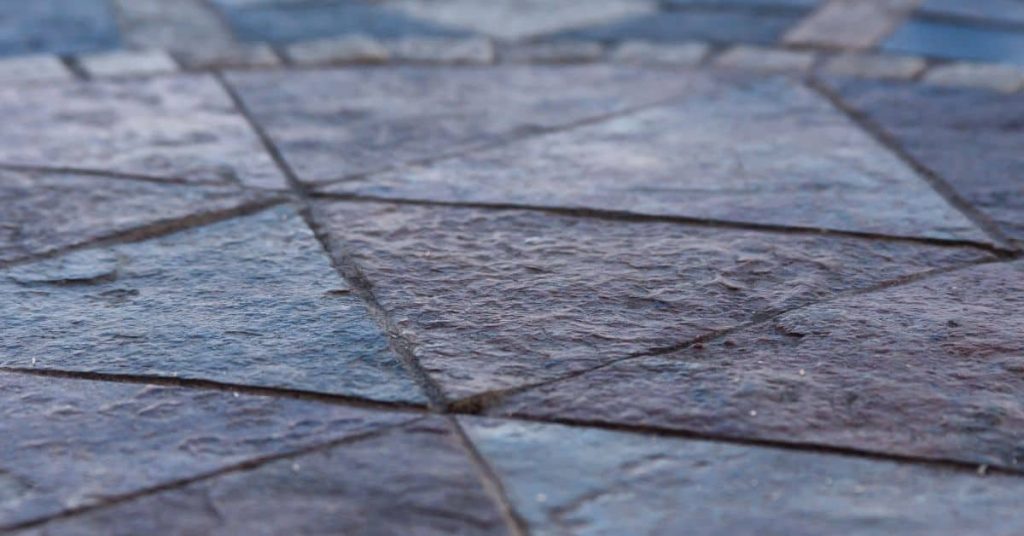
Close-up of textured stamped concrete floor tiles

Concrete Curing Compounds: When to Use Them (and When They Ruin Adhesion)

Introduction Concrete curing compounds are products applied to fresh concrete to retain moisture and control evaporation. They often come as liquid sprays or wipe-on films that form a moisture-retaining barrier as the concrete hardens. Check the label to see if it’s intended for curing only or for sealing and curing, and follow local guidance. Use

Concrete Curing Compounds: When to Use Them (and When They Ruin Adhesion) Read More »

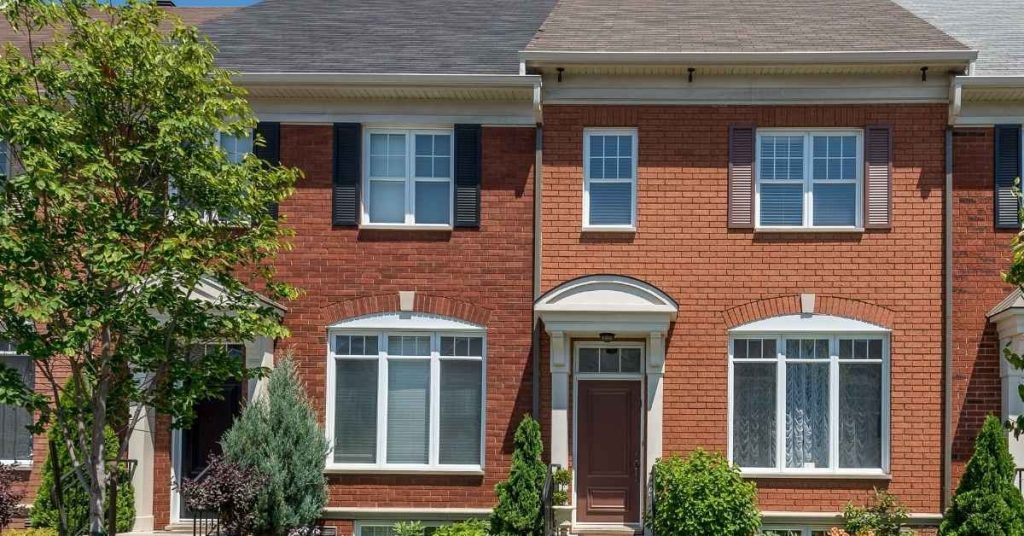
Red brick townhouse with windows and door under clear sky

Using Corrosion Inhibitors on Exterior Steps and Slabs: DIY Mixing and Curing Guide

Introduction Corrosion inhibitors are additives used to slow rust and protect concrete surfaces from chemical attack on exterior steps and slabs. They help form a protective film and reduce moisture-related corrosion in metal embedded parts and reinforcement. This article covers how to choose, mix, and cure when using them in a DIY setting. Choosing the

Using Corrosion Inhibitors on Exterior Steps and Slabs: DIY Mixing and Curing Guide Read More »

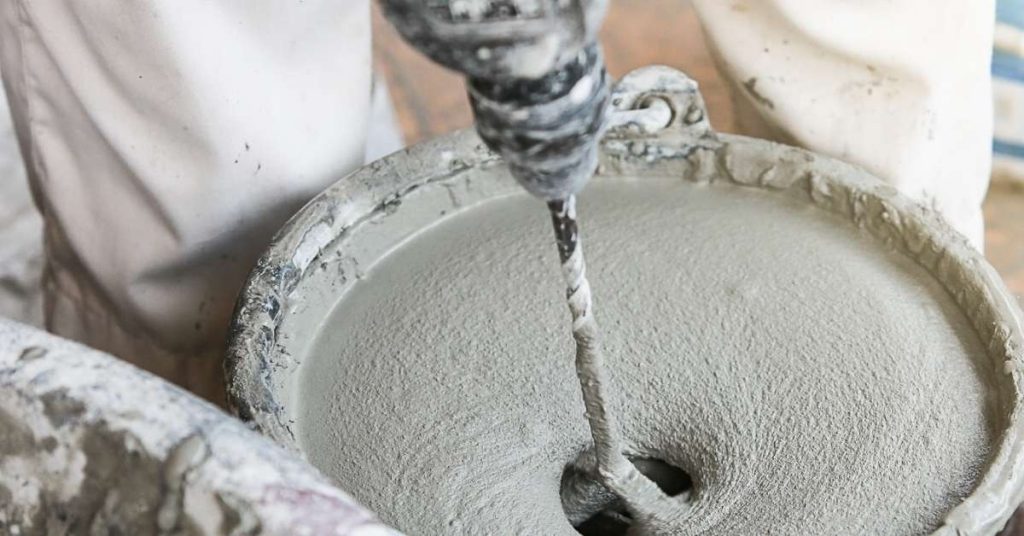
Mixing gray cement mixture in a bucket with drill paddle

Polymer-Modified Overlays: Mixing, Thickness, and Curing for Durability

Introduction Polymer-modified overlays are thin concrete toppings that use polymer additives to improve adhesion and durability. Mix according to the product label and manufacturer instructions; mix until uniform. Apply in an even coat to the prepared surface, checking that the mixture stays workable. The right thickness and proper curing are key to long‑lasting results. Follow

Polymer-Modified Overlays: Mixing, Thickness, and Curing for Durability Read More »

Close-up of textured white gypsum plaster surface

Plaster Drying vs Curing: Why Waiting Longer Can Prevent Paint Failure

Introduction Plaster drying is the loss of surface moisture while curing is the chemical hardening process that gives plaster strength; both happen but on different timelines. In plain jobsite terms, the surface can look dry long before the gypsum or cement bond fully sets, so painting too soon risks adhesion problems. Check product labels and

Plaster Drying vs Curing: Why Waiting Longer Can Prevent Paint Failure Read More »

Closeup of paint roller applying white paint on wall

Plaster Drying vs Curing Timeline: When to Paint for Long-Lasting Results

Introduction The timeline of plaster drying and curing is crucial to ensure a durable, long-lasting finish. Rushing the process can lead to paint failures like blistering or peeling. Understanding the timeline helps you plan your project better and avoid costly mistakes. Here’s how to determine when your plaster is ready for painting. The Plaster Drying

Plaster Drying vs Curing Timeline: When to Paint for Long-Lasting Results Read More »

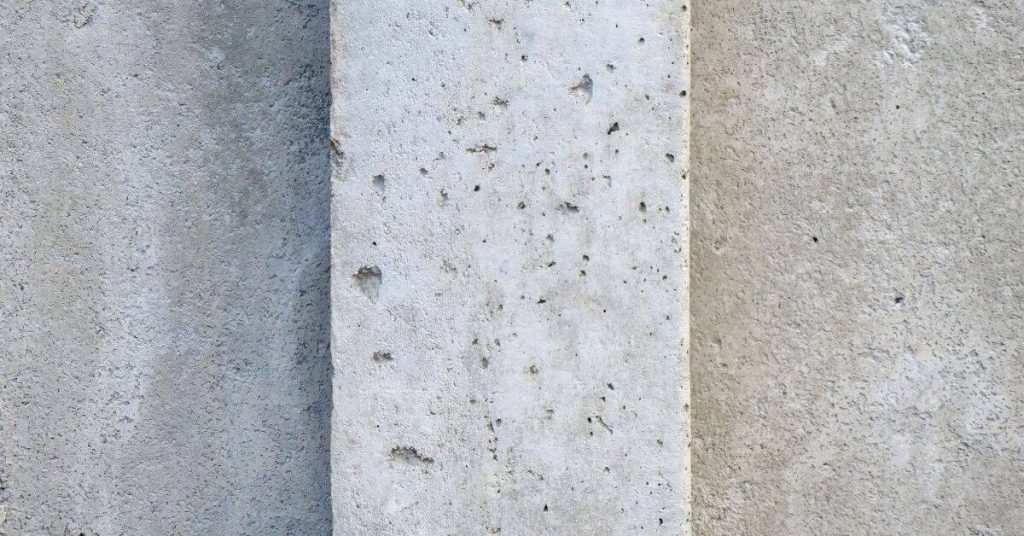
Close up of three concrete slabs with visible surface holes

Concrete Curing Blankets: Choosing Thickness, Timing, and How to Avoid Surface Damage

Introduction Concrete curing blankets are coverings that hold heat and moisture near the slab so the concrete gains strength and resists surface cracking. They come in different thicknesses and materials, so check the product label or manufacturer instructions to match blanket thickness to your climate and pour size. For DIYers, think of them as a

Concrete Curing Blankets: Choosing Thickness, Timing, and How to Avoid Surface Damage Read More »

Rows of concrete blocks drying on racks in indoor environment

Concrete Patching in Thin Layers: Polymer Mods, Lift Limits, and Curing Between Coats

Introduction Concrete patching in thin layers means repairing shallow spalls or surface defects with a polymer‑modified patch material applied in successive thin lifts until the surface is rebuilt. This approach uses a blend of cement and polymer to improve bond and flexibility, but check the product label and manufacturer instructions for mix details, maximum lift

Concrete Patching in Thin Layers: Polymer Mods, Lift Limits, and Curing Between Coats Read More »

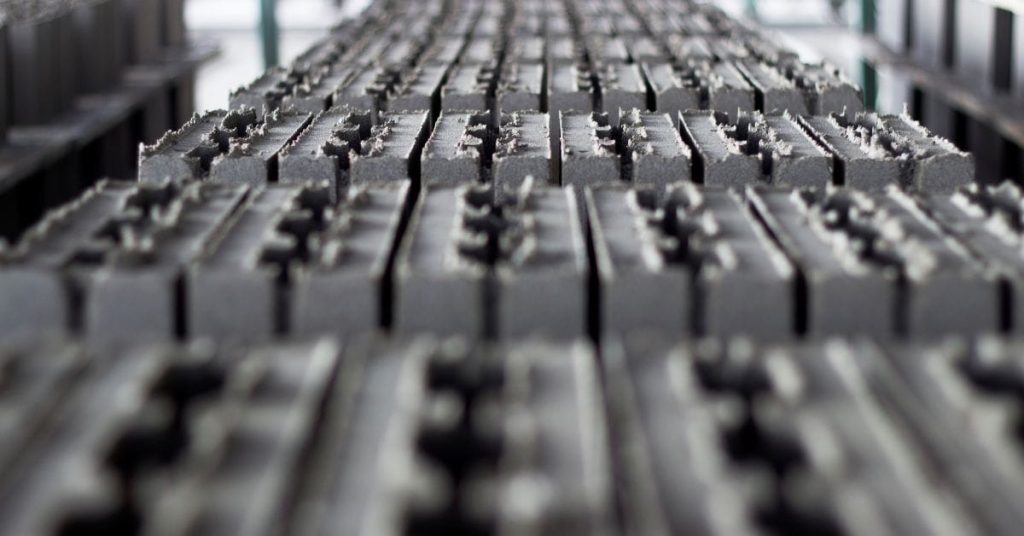
Rows of concrete blocks arranged on racks for curing

How to Stop Concrete Patch Color Mismatch: Water Control, Curing, and Tint Options

Introduction Stopping concrete patch color mismatch means controlling water, curing, and surface tinting so the patched area dries and weathers like the surrounding slab. Focus first on water management at the mix and jobsite—too much or too little water changes color and texture, so check product labels and adjust by feel and small test patches.

How to Stop Concrete Patch Color Mismatch: Water Control, Curing, and Tint Options Read More »

How to Fix Concrete Plasticizer Problems (DIY Steps + Stop Rules)

Plastic-Sheet Concrete Curing Problems: How to Prevent Tiger Stripes, Trapped Water, and Soft Spots

Introduction Plastic-sheet concrete curing problems are surface defects and moisture issues that happen when polyethylene or similar sheets are used poorly during the curing period. In plain terms, tiger stripes are streaky color/texture changes, trapped water is pooled moisture under the sheet, and soft spots are weak areas from uneven hydration or contamination. This intro

Plastic-Sheet Concrete Curing Problems: How to Prevent Tiger Stripes, Trapped Water, and Soft Spots Read More »