Search Results for: curing

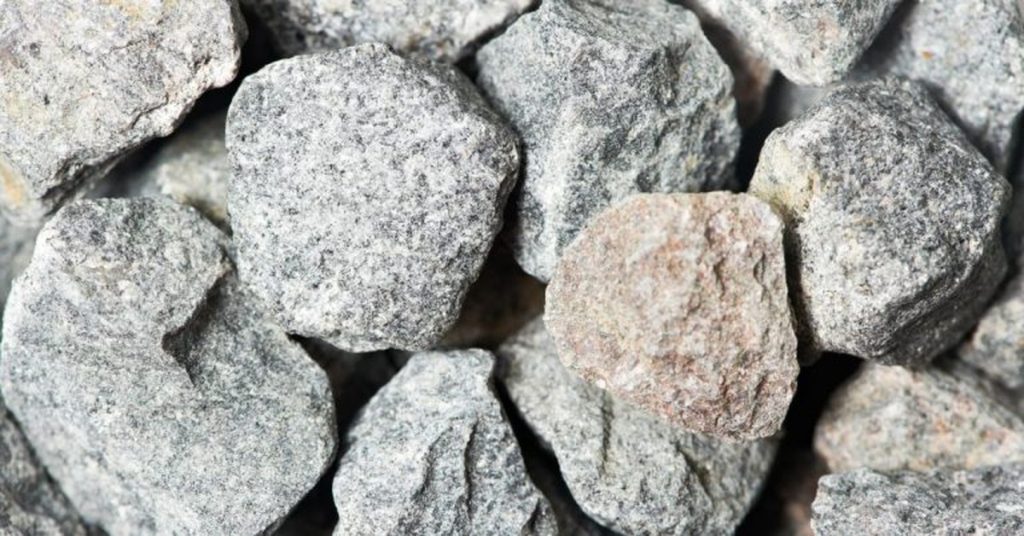
pile of crushed concrete aggregate rocks and debris

Why Concrete Chips at Control Joints: Sawcut Timing, Aggregate, and Edge Protection

Introduction Chipping at control joints happens when the timing of the sawcut and how the edges are protected allow the concrete near the joint to chip. In DIY terms, it means bits of the slab break off along the joint after cutting. Factors like how fresh the concrete was, how deep the cut is, and […]

Why Concrete Chips at Control Joints: Sawcut Timing, Aggregate, and Edge Protection Read More »
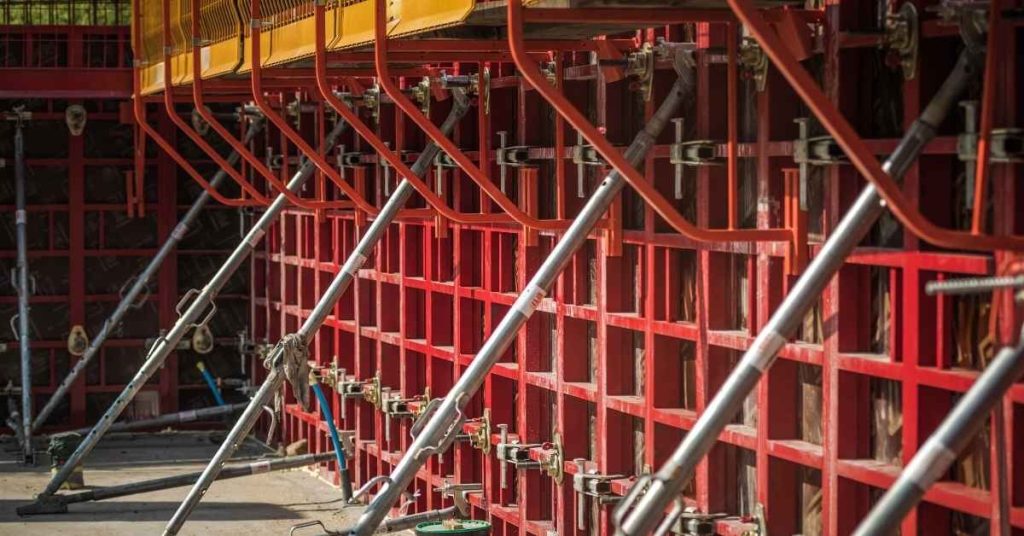
Red metal concrete formwork with angled braces and safety railing

How to Cast Concrete With Embedded Hardware: Threads, Tape, and Keeping Inserts Clean

Introduction Casting concrete with embedded hardware means placing fasteners or inserts into the form before the concrete sets so they stay in the right place. Key takeaways Plan hardware embed locations early to avoid rework and clearance conflicts. Label inserts and keep threads clean during form setup and pour. Use release agent properly and wipe

How to Cast Concrete With Embedded Hardware: Threads, Tape, and Keeping Inserts Clean Read More »

close-up of various sized crushed concrete aggregate stones

Preventing Aggregate Shadowing in Thin Casts: Particle Size, Paste Content, and Vibration

Introduction Aggregate shadowing in a thin cast happens when larger particles block the cement paste, making the surface look uneven. Choose a mix with a good spread of particle sizes, and check the paste content and vibration guidance on the product label. If in doubt, follow the manufacturer’s instructions and local rules for thin applications.

Preventing Aggregate Shadowing in Thin Casts: Particle Size, Paste Content, and Vibration Read More »

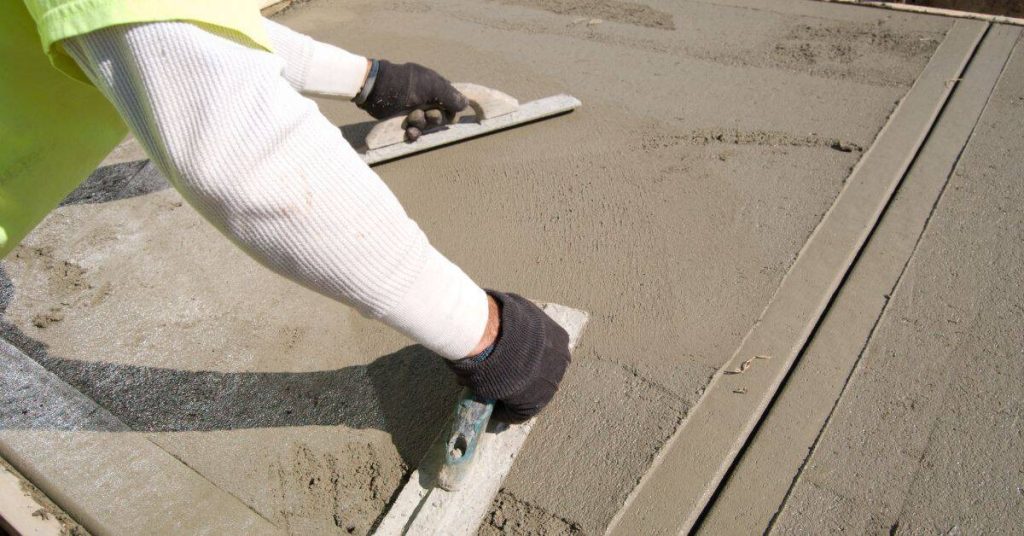
Worker smoothing fresh concrete with hand tools outdoors

DIY Concrete ‘Slump’ Without a Cone: Visual Checks That Actually Correlate to Workability

Introduction A slump without a cone is a simple visual check of concrete’s workability, based on how it holds its shape and settles. You compare the look to what you expect for your mix and application, not a hard number. Use this as a quick sanity check, then verify with the proper method if required

DIY Concrete ‘Slump’ Without a Cone: Visual Checks That Actually Correlate to Workability Read More »

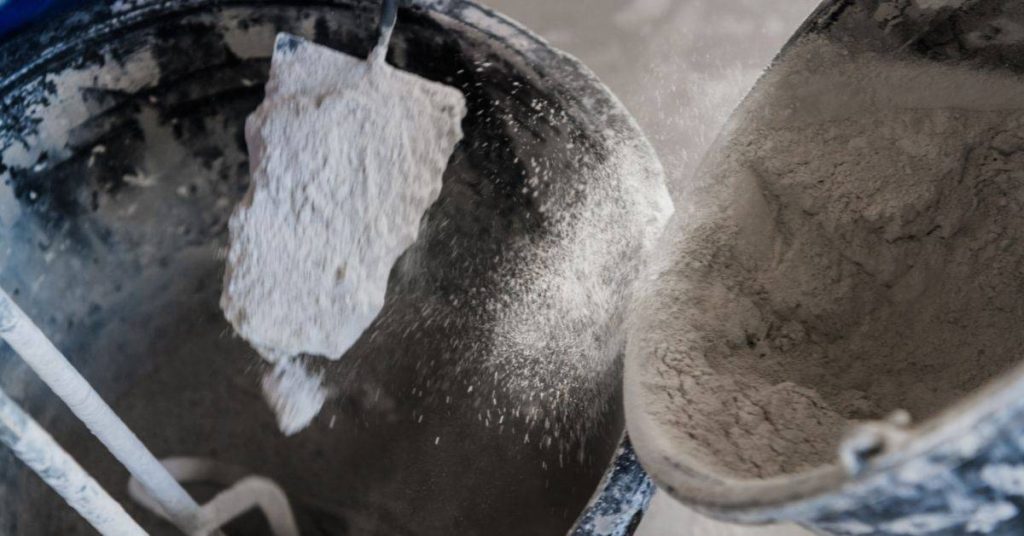
Dry concrete mix being poured into a 5-gallon bucket

Concrete Mixing in 5-Gallon Buckets: Repeatable Ratios for Small Projects

Introduction Concrete mixing in 5-gallon buckets is making small batches of concrete using a bucket as your mixing vessel. This approach works well for quick patches, tiny fills, and simple touchups. You’ll typically combine materials in small, single-session batches. Keep the mix consistent so you get a uniform texture each time. Use clean buckets, a

Concrete Mixing in 5-Gallon Buckets: Repeatable Ratios for Small Projects Read More »

Close-up of white textured plaster wall surface

Blending Broom Finish Patches: Matching Texture Without Creating a ‘Patch Rectangle’

Introduction Blending broom finish patches means you extend the texture so the repair doesn’t look like a clean, rectangular patch. Aim for a seamless transition by aligning the finish direction with the surrounding concrete and feathering the edges. This is a practical, hands-on approach you can try on a weekend. Prepare the patch by cleaning

Blending Broom Finish Patches: Matching Texture Without Creating a ‘Patch Rectangle’ Read More »

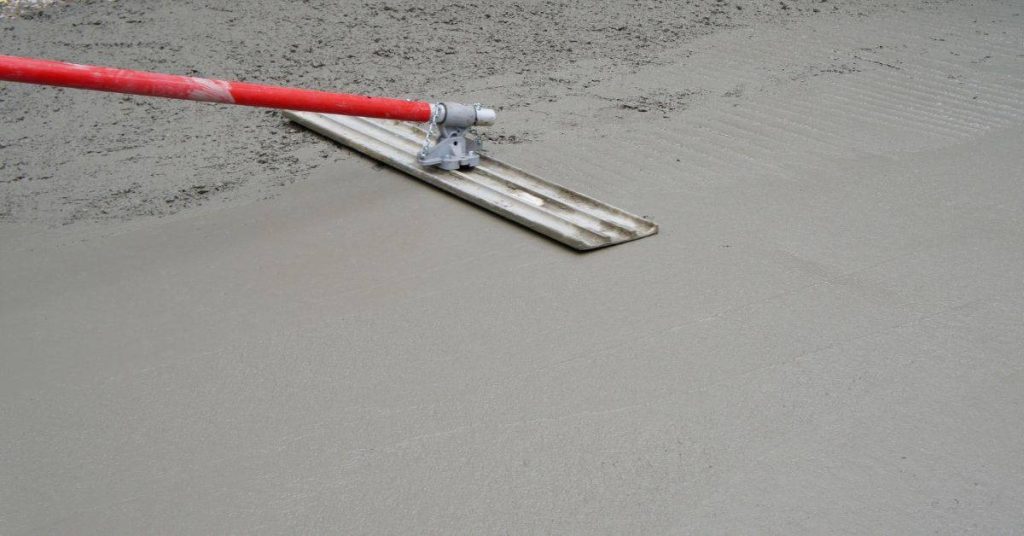
Red-handled tool smoothing wet concrete surface

Concrete Crack Stitching for DIYers: When Staples Help and When They Don’t

Introduction Concrete crack stitching is a repair method that uses staples to grab and hold cracked slabs together. It aims to slow opening and transfer movement across the crack when appropriate. This DIY intro explains when staples help and when they don’t in plain language. Before you start, check manufacturer instructions, local rules, and the

Concrete Crack Stitching for DIYers: When Staples Help and When They Don’t Read More »

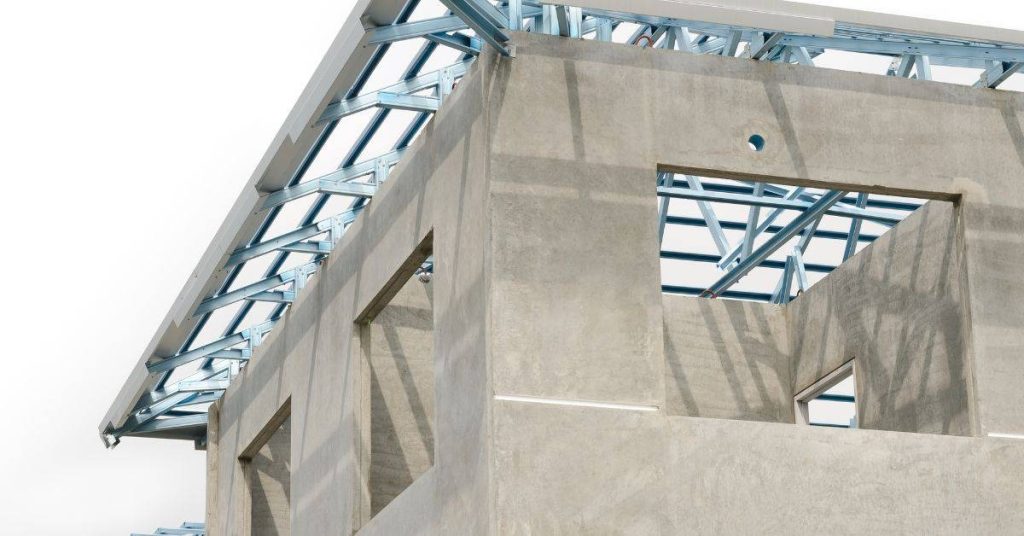
Precast concrete wall panels and steel roof framing

Repairing Honeycombed Concrete: When to Patch, When to Inject, and When to Rebuild

Introduction Repairing honeycombed concrete means fixing voids and loose pockets in the surface by choosing patching, injecting, or rebuilding. You evaluate how severe the honeycombing is and start with the simplest, most straightforward method. If the concrete has hollow spots you can reach, patching is usually the first option; deeper voids may need injecting, and

Repairing Honeycombed Concrete: When to Patch, When to Inject, and When to Rebuild Read More »