Search Results for: cost of polished concrete floor

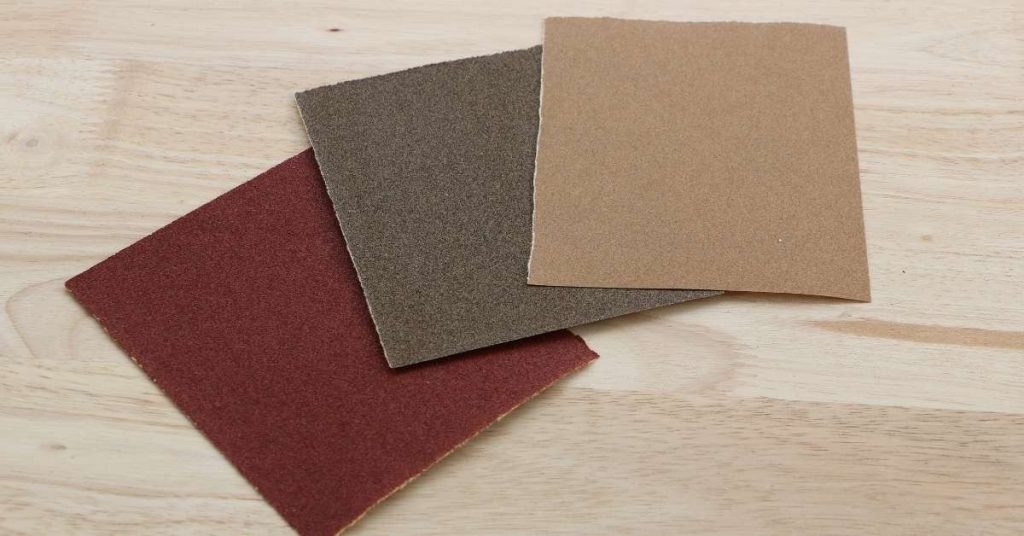
Three sheets of sandpaper in red brown and beige on wood

Venetian Plaster Touch-Ups: Avoiding Shiny Spots and Burnish Lines

Introduction Venetian plaster touch-ups are about repairing shine and burnish lines to restore an even, mirror-like finish. This hands-on guide walks you through practical steps and what to watch for on a DIY job. Check the product label and manufacturer instructions for any limitations and recommended mixing or application notes. There are several finishes you […]

Venetian Plaster Touch-Ups: Avoiding Shiny Spots and Burnish Lines Read More »
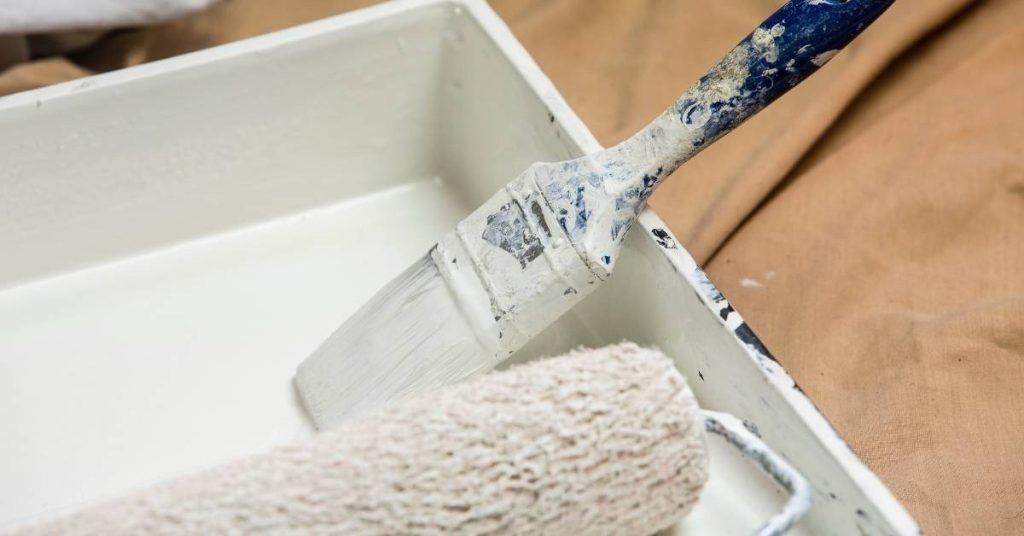
Paintbrush and roller in white paint tray on brown surface

Cutting In on Textured Walls: Brush Loading and Keeping Edges Sharp Without Tape

Introduction Cutting in on textured walls without tape means achieving a clean, sharp line where the wall and adjacent surface meet by careful brush loading and technique. Start with a small amount of paint on the brush and load along the edge, then steady your hand and work in short, controlled strokes. Keep your wrist

Cutting In on Textured Walls: Brush Loading and Keeping Edges Sharp Without Tape Read More »

Close up of a smooth brown hardboard surface

Acid Etching for Decorative Texture: When It Works and When It Just Exposes Laitance

Introduction Acid etching is the process of using acid to roughen concrete surfaces to create texture. When it works, it roughens the surface enough for coatings to grab; when not, it can just expose laitance. Check the surface and follow label instructions before starting. Common applications include decorative textures in low-traffic areas where a mechanical

Acid Etching for Decorative Texture: When It Works and When It Just Exposes Laitance Read More »

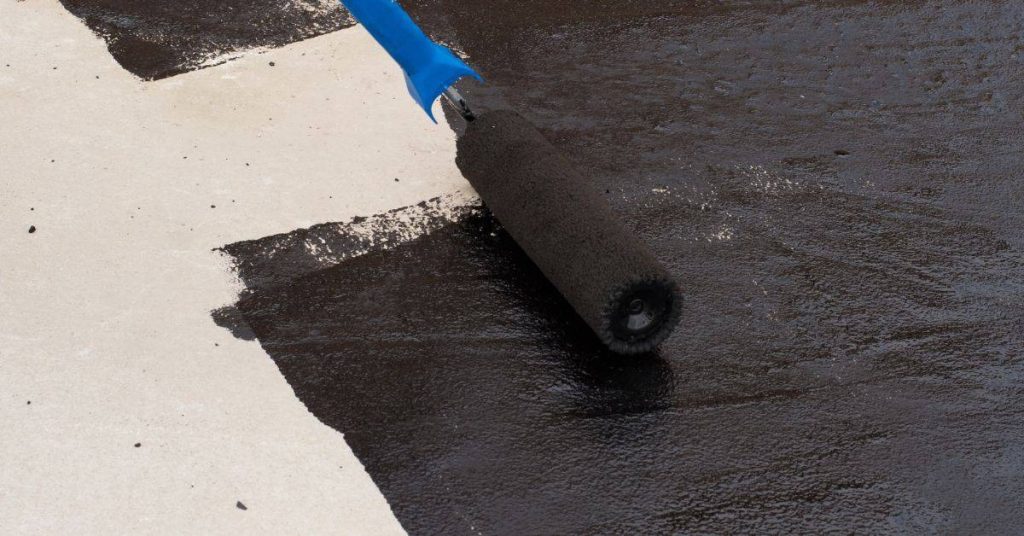
Paint roller applying black sealer on concrete surface

How to Choose a Penetrating Sealer for De-Icing Salt: Silicate vs Silane vs Fluoropolymer

Introduction A penetrating sealer for de-icing salt is a treatment that soaks into concrete to form a protective barrier against salt damage. Common options include silicate, silane, and fluoropolymer blends, each with its own pros and cons. When picking, read the product label and follow manufacturer instructions, and check local rules for your project. Silicate,

How to Choose a Penetrating Sealer for De-Icing Salt: Silicate vs Silane vs Fluoropolymer Read More »

Hand in yellow glove cleaning blue surface with cloth

Cleaning Venetian Plaster: Safe methods that don’t dull the sheen

Introduction Cleaning Venetian plaster is removing dirt without dulling the sheen. Start with mild, gentle cleaners and a soft cloth or sponge, and test any method on a small hidden area first. Use light pressure and rinse with clean water, then dry with a soft, non-abrasive towel; avoid harsh scrubbing or abrasive tools to protect

Cleaning Venetian Plaster: Safe methods that don’t dull the sheen Read More »

Worker smoothing plaster on wall with trowel

Tadelakt Maintenance: Keeping water resistance without constant rework

Introduction Tadelakt maintenance is the ongoing care of a lime plaster finish to preserve water resistance. It relies on keeping the surface clean, timely repairs, and periodic re-waxing or sealing as needed. If you notice water infiltration or dull spots, check the product labels and follow the manufacturer guidance. In practice, you can spot-treat small

Tadelakt Maintenance: Keeping water resistance without constant rework Read More »

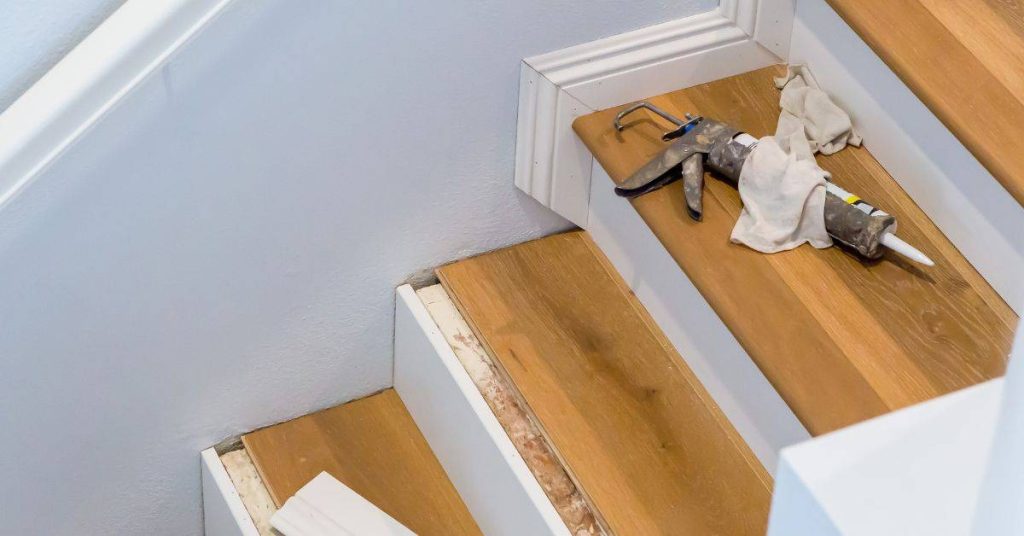
Caulking gun and cloth on wooden stairs next to white baseboards

Caulking Baseboards: Which Caulk to Use and How to Avoid Cracks

Introduction Use a flexible, paintable caulk designed for interior trim to seal baseboards. It should cure cleanly and move with seasonal expansion to prevent cracking. Check that the label says wood or drywall, and look for low VOC if you care. Key takeaways Select a paintable, flexible caulk compatible with both baseboards and walls. Wear

Caulking Baseboards: Which Caulk to Use and How to Avoid Cracks Read More »

Black and white marble tile surfaces

Tadelakt vs Tile: Where Tadelakt Works, Where It Fails, and What to Use Instead

Introduction Tadelakt is a traditional lime plaster finish used on walls and wet areas. This article offers a plain‑spoken look at where it works well, where it doesn’t, and what you should consider as a DIYer. We cover the basic idea of applying it, the materials you’ll need, and when tiling might be a safer

Tadelakt vs Tile: Where Tadelakt Works, Where It Fails, and What to Use Instead Read More »