Search Results for: control joint

Hand smoothing plaster on white wall with trowel

Repair Mortar That Debonds: Surface Prep Mistakes and How to Reattach Correctly

Introduction Repairing mortar that debonds means reattaching loose mortar to the wall or joint using proper prep and bonding steps. Start by cleaning away loose bits and finding solid edges so the new mix has something solid to grab. Check the product label or manufacturer instructions for bond requirements and suitable mixes, and follow local […]

Repair Mortar That Debonds: Surface Prep Mistakes and How to Reattach Correctly Read More »
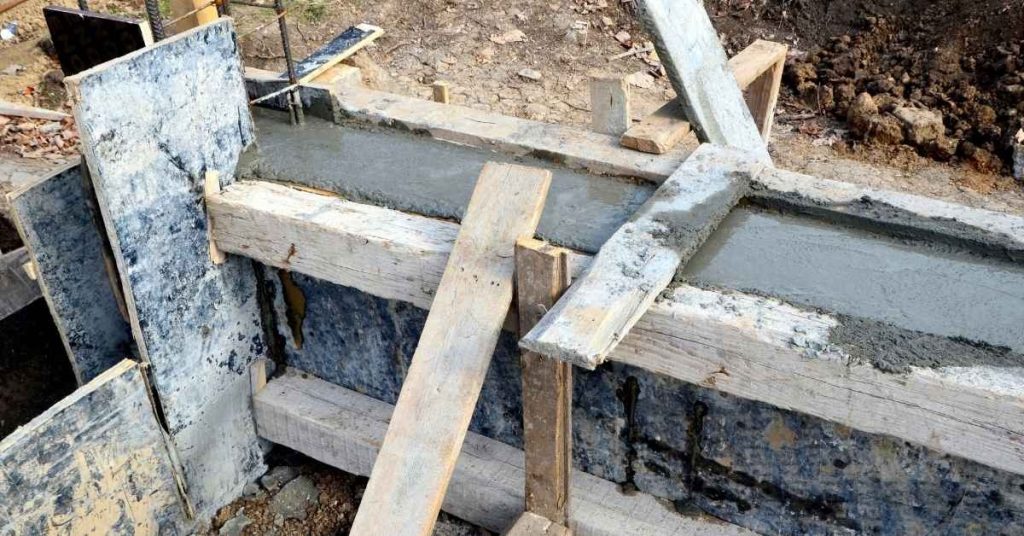
Wooden concrete forms filled with fresh concrete at construction site

Installing Sleeve Anchors: Edge Distance Rules and Avoiding Blowout

Introduction Edge distance for sleeve anchors is the minimum distance from the edge of the material to where the anchor is installed. This distance helps prevent cracks, splits, and blowout during loading. Understand that following the edge rule is essential for holding power and long life of the anchor. Look up the recommended edge distance

Installing Sleeve Anchors: Edge Distance Rules and Avoiding Blowout Read More »

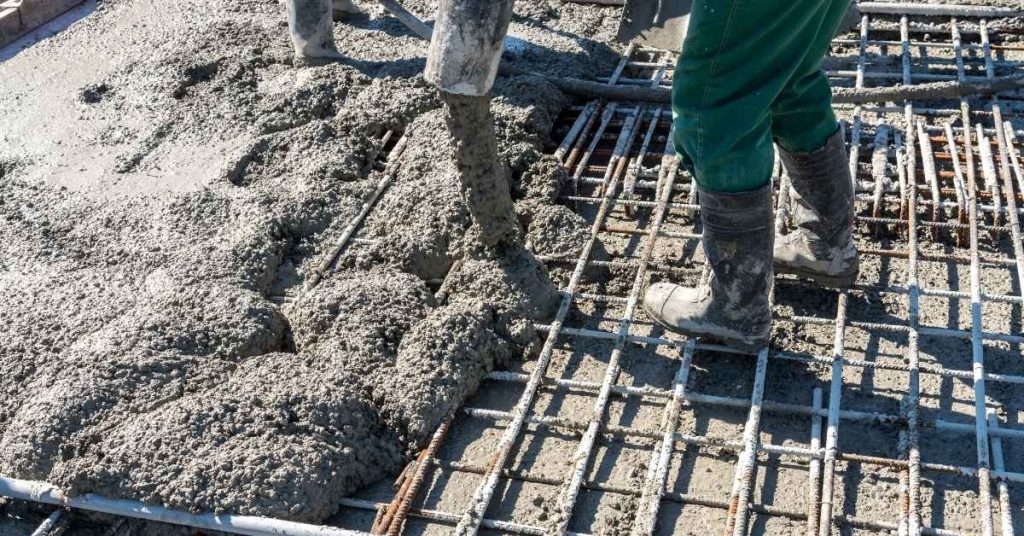
Worker pouring wet concrete over steel rebar grid

Repairing Concrete After Jackhammering Nearby: Microcracks, Prep, and Patch Adhesion

Introduction Repairing concrete after jackhammering nearby means fixing hairline cracks and damaged patches so the surface can take load again and look even. Microcracks form from vibration and shifts, and prep is needed to keep new material from pulling away. Start by cleaning dust and debris, then let the area dry. Roughen the surrounding concrete

Repairing Concrete After Jackhammering Nearby: Microcracks, Prep, and Patch Adhesion Read More »

Hand painting metal frame with orange paint roller

Sealing Cracks Before Painting Concrete: Fillers That Don’t Telegraph Through Topcoats

Introduction Sealing cracks before painting concrete means filling and sealing gaps so the finished surface looks uniform and the cracks don’t telegraph through the topcoat. It’s a practical, hands-on step you can tackle with basic fillers and simple tools. Always check the product label for curing time and application temperature before you start. Choose a

Sealing Cracks Before Painting Concrete: Fillers That Don’t Telegraph Through Topcoats Read More »

Hand painting interior wall corner with roller

Painting Over Powdery Masonry: Consolidants vs Primers and When to Repoint First

Introduction Consolidants and primers are coatings used on powdery masonry to stop dusting and ready the wall for paint. Consolidants penetrate and bind loose material, while primers create a sealed, paint-ready surface. Choose based on the condition of the masonry and follow manufacturer instructions. If the masonry is badly eroded or the joints crumble, repointing

Painting Over Powdery Masonry: Consolidants vs Primers and When to Repoint First Read More »

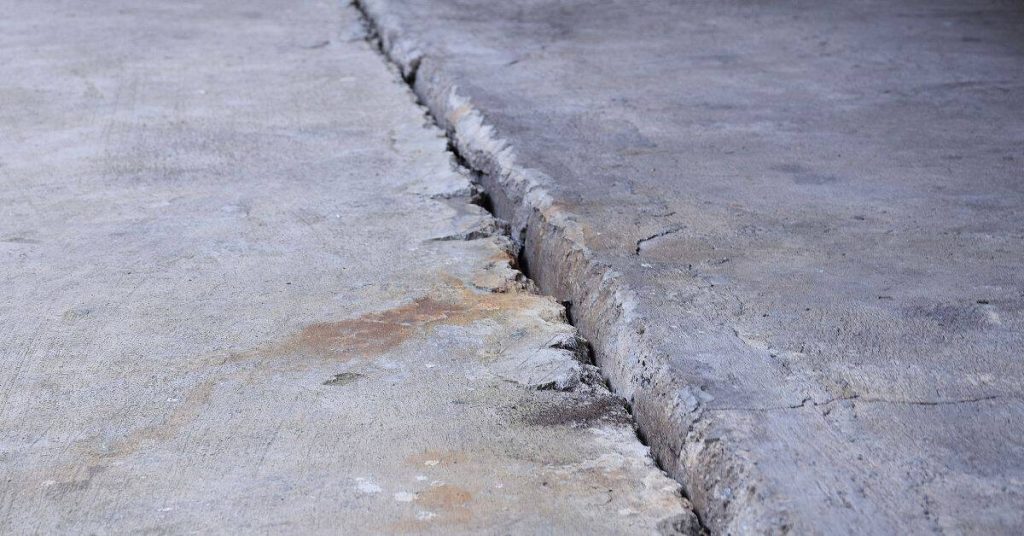
Closeup of a wide crack in a concrete slab surface

Concrete Crack ‘Wetting Test’: Using Water to Reveal Active Movement and Leak Paths

Introduction A wetting test is a simple way to reveal active movement and leak paths in concrete. Apply water to the surface and watch how it spreads to identify cracks, joints, or porous areas. This helps you see where water can travel and where repairs may be needed. Keep the test small and controlled, and

Concrete Crack ‘Wetting Test’: Using Water to Reveal Active Movement and Leak Paths Read More »

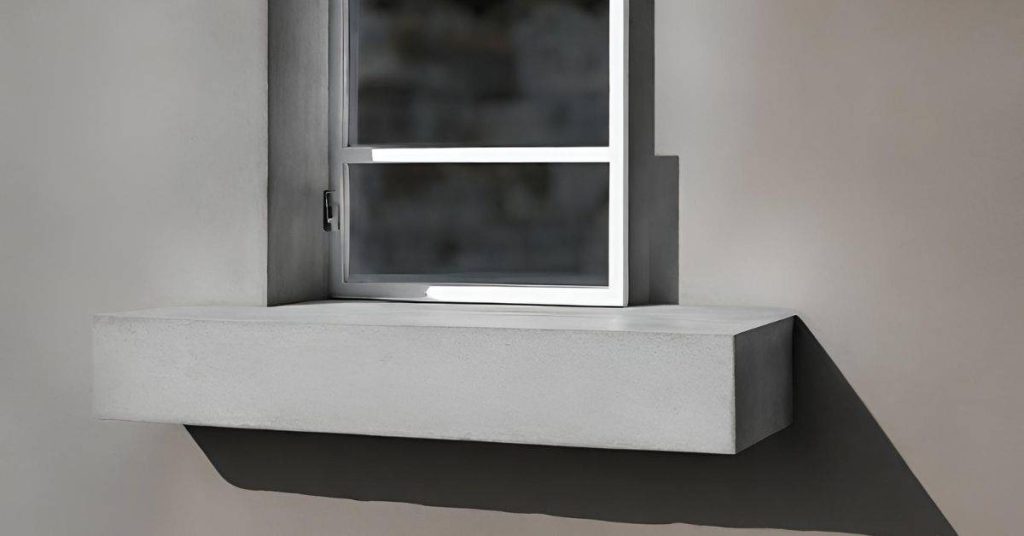
Concrete window sill beneath an open window

Removing Silicone Smears From Concrete: Why Sealers Fish-Eye and How to Fix It

Introduction Silicone smears on concrete are leftover sealant residues that can ruin a finish. They create spots where new coatings won’t adhere properly. That adhesion gap is what we mean by fish-eye and it shows up as specks or craters. Plan a careful cleanup: choose a remover that matches the sealant and the concrete, and

Removing Silicone Smears From Concrete: Why Sealers Fish-Eye and How to Fix It Read More »

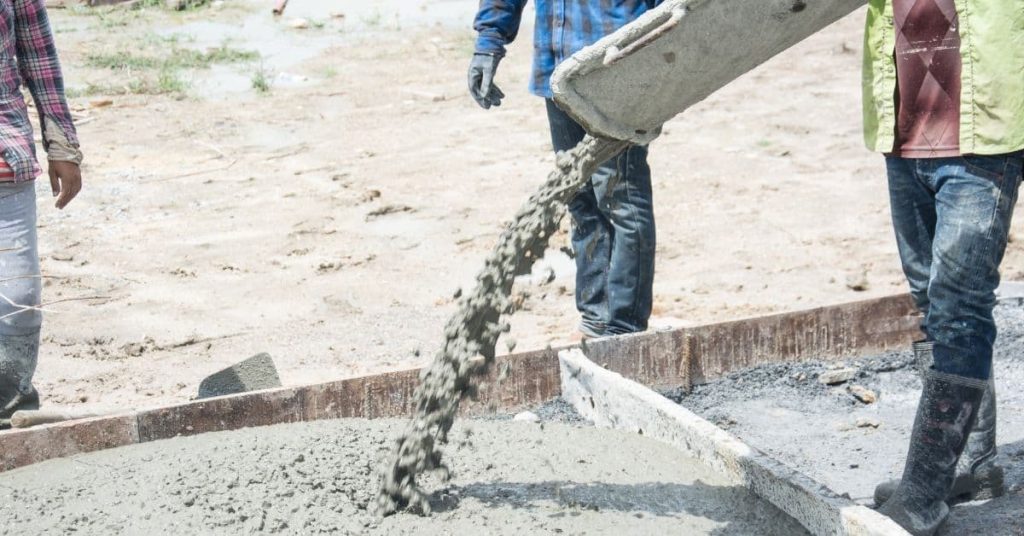
Wet concrete being poured onto a surface

Embedding Magnets in Concrete: Layout, Encapsulation, and Avoiding Rust Stains

Introduction Embedding magnets in concrete means placing magnets inside or just beneath the surface of a poured concrete member so they stay with the concrete. Plan their layout so they don’t interfere with forms or rebar. Keep the magnet placement simple and clear in your form work to avoid surprises during curing. Encapsulation should protect

Embedding Magnets in Concrete: Layout, Encapsulation, and Avoiding Rust Stains Read More »

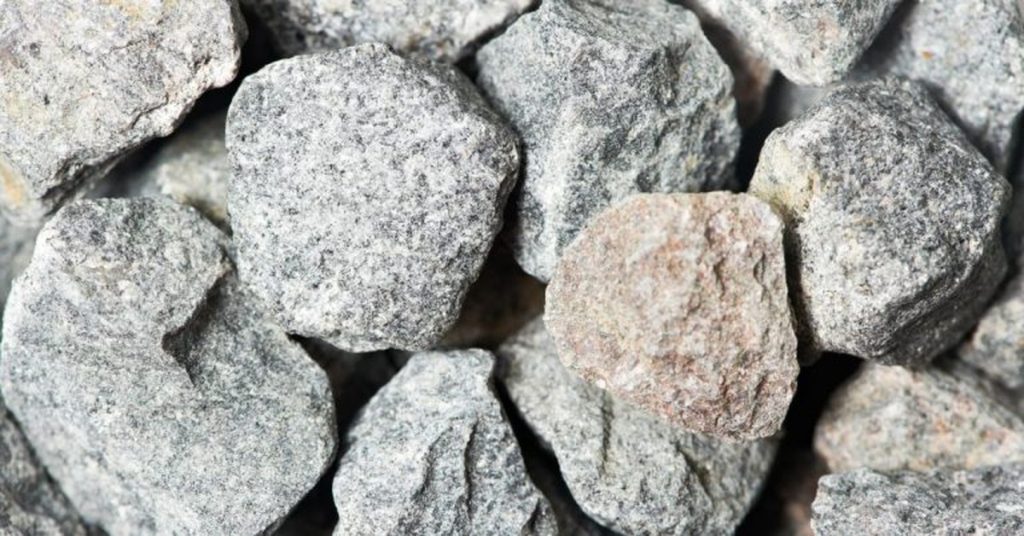
close-up of various sized crushed concrete aggregate stones

Preventing Aggregate Shadowing in Thin Casts: Particle Size, Paste Content, and Vibration

Introduction Aggregate shadowing in a thin cast happens when larger particles block the cement paste, making the surface look uneven. Choose a mix with a good spread of particle sizes, and check the paste content and vibration guidance on the product label. If in doubt, follow the manufacturer’s instructions and local rules for thin applications.

Preventing Aggregate Shadowing in Thin Casts: Particle Size, Paste Content, and Vibration Read More »