Search Results for: control joint

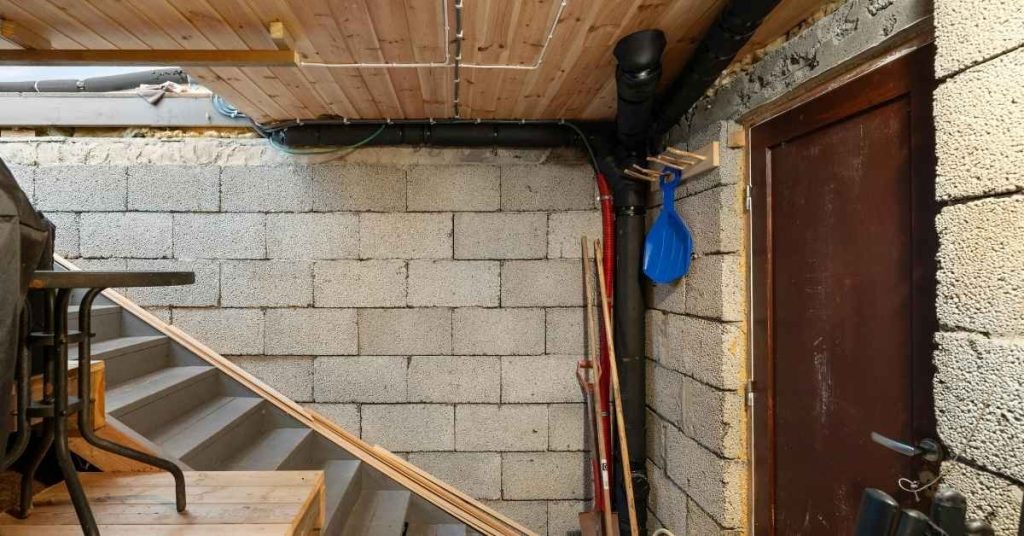
unfinished basement with concrete block walls stairs and hanging tools

Common block layout mistakes: chasing level instead of plumb and how to recover quickly

Introduction Chasing level instead of plumb means building so the wall looks straight horizontally but the verticals are off. This is a common block layout mistake that can hide misalignment until the structure bears load. Remember that plumb is the vertical reference, while level checks the horizontal plane. To recover quickly, re-check the vertical line, […]

Common block layout mistakes: chasing level instead of plumb and how to recover quickly Read More »

Old mixing tub with concrete mixer paddle and tools inside

Mixing barrels and tubs for concrete and mortar: what lasts, what cracks, and the easiest cleanup routine

Introduction Mixing barrels and tubs refers to using sturdy containers to blend concrete or mortar on site. Different container materials wear differently under load and abrasion. This article outlines what tends to hold up, what can crack, and how to keep cleanup quick and straightforward. For cleanup, rinse and scrub while material is still soft,

Mixing barrels and tubs for concrete and mortar: what lasts, what cracks, and the easiest cleanup routine Read More »

Close-up of rough concrete surface with wood grain texture

Concrete float comparison: mag, wood, resin—how each changes the finish

Introduction A concrete float comparison explains how magnesium, wood, and resin floats affect the surface finish. This article frames what each float type does as you work a concrete slab or patch, with plain, hands-on guidance. You’ll see what to expect in real-world use and how to judge the finish as you go. Magnesium floats

Concrete float comparison: mag, wood, resin—how each changes the finish Read More »

hand holding hand trowel smoothing wet concrete surface

Hand trowel sizing for concrete and plaster work: what beginners should buy first and what to skip

Introduction Hand trowel sizing means choosing the blade width and handle style to match the task, material, and user comfort, so beginners know what to buy first and what to skip. Start with a basic mid-size trowel suitable for both concrete and plaster, and avoid buying rare or specialty shapes until you’ve used a standard

Hand trowel sizing for concrete and plaster work: what beginners should buy first and what to skip Read More »

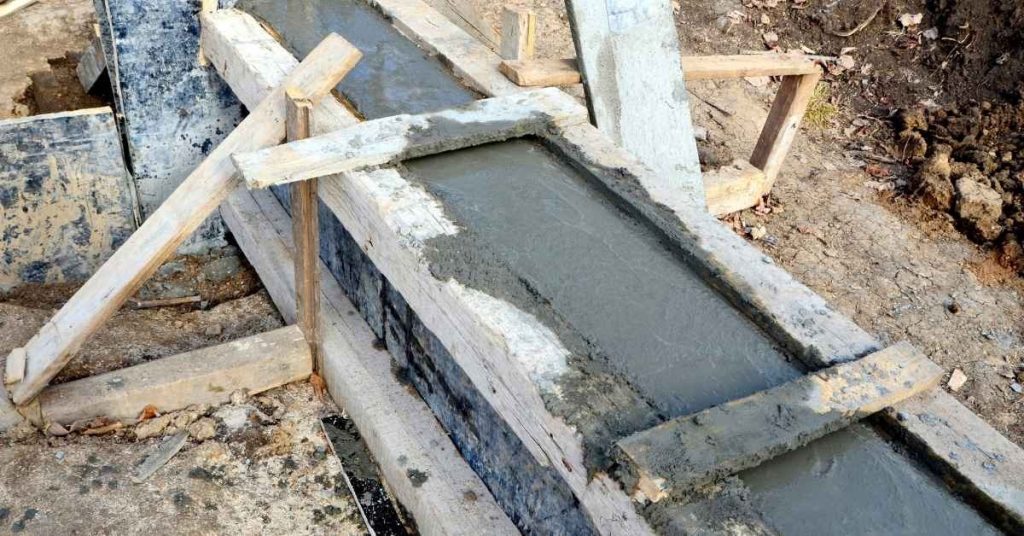
Fresh concrete poured in wooden formwork at construction site

Concrete vibrator mistakes in DIY forms: honeycombing, blowouts, and how to avoid them

Introduction Honeycombing and blowouts are defects in concrete caused by improper compaction. This article explains how to spot these issues and why they happen in DIY pours. We’ll cover how to use a vibrator correctly and what to check to avoid problems. Identify honeycombing by looking for voids, exposed aggregate, and a rough, porous surface

Concrete vibrator mistakes in DIY forms: honeycombing, blowouts, and how to avoid them Read More »

Stacked precast concrete columns outdoors on grass

Choosing a concrete form-release agent: what stains, what doesn’t, and how to apply evenly

Introduction A concrete form-release agent is a coating applied to forms to prevent concrete from sticking. Common types include liquid sprays or pours and powder blends, and the right choice depends on the form material, project size, and local guidance. Apply evenly according to the product instructions and consider timing to avoid gaps or buildup.

Choosing a concrete form-release agent: what stains, what doesn’t, and how to apply evenly Read More »

Close-up of drill bit drilling into concrete wall

Fixing loose cap blocks: why they pop and a reset method that survives winter

Introduction Fixing loose cap blocks means resetting and securing the caps so they stay in place through freeze-thaw cycles. Loose caps can pop off from settling, wind, or vibration, and winter conditions make the problem worse. A safe reset method is essential to keep the cap aligned and prevent water intrusion. To reset, clean the

Fixing loose cap blocks: why they pop and a reset method that survives winter Read More »

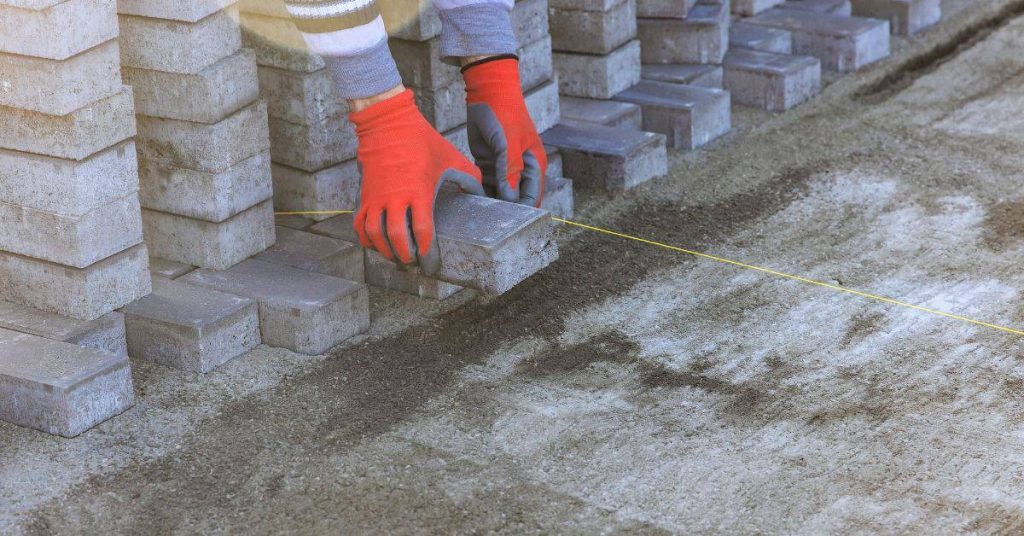
Hands wearing red gloves placing concrete block using string line

DIY block steps: layout, fill strategy, and safe handrail anchors

Introduction DIY block steps involve planning the layout, choosing a fill strategy, and securing safe handrail anchors. This introduction explains the practical approach you can take on a typical backyard or entry path. Think of it as a straight-forward, hands-on project you tackle bit by bit. Begin by laying out the path on the ground,

DIY block steps: layout, fill strategy, and safe handrail anchors Read More »

House exterior with windows covered in plastic and taped

Block surface prep for paint: efflorescence, alkalinity, and primer compatibility

Introduction Block surface prep for paint is the process of cleaning and treating concrete block surfaces to remove efflorescence, manage alkalinity, and ensure the primer will adhere properly. This work helps prevent staining and peeling by addressing the minerals that can migrate to the surface. Start by removing visible efflorescence with a brush and water,

Block surface prep for paint: efflorescence, alkalinity, and primer compatibility Read More »

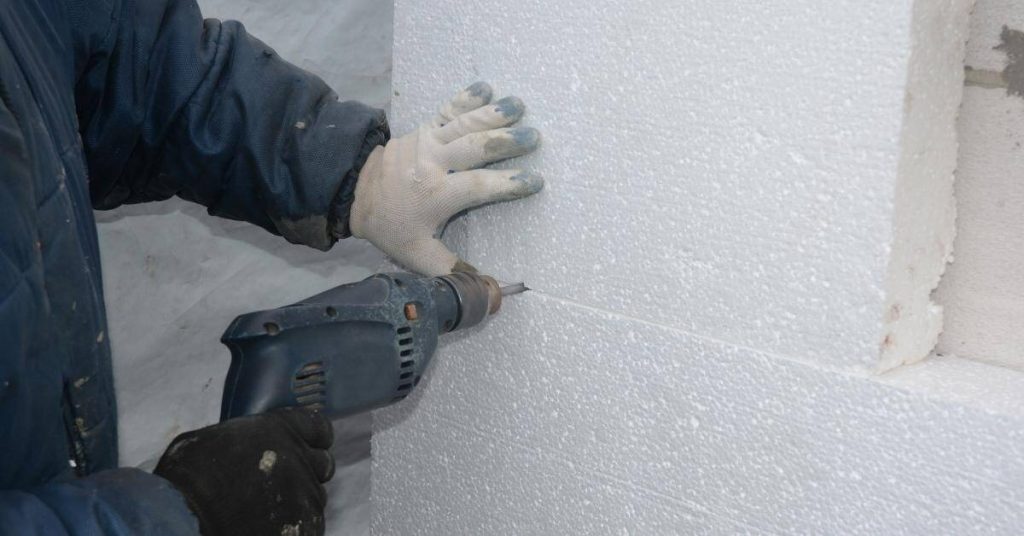
Person drilling into foam insulation board on block wall

Insulating block walls: interior foam vs exterior foam and moisture consequences

Introduction Insulating block walls can be achieved with interior foam or exterior foam, and the choice shapes how moisture moves through the wall. Interior foam keeps insulation on the room side, while exterior foam faces the outdoors. Both approaches affect how moisture dries and where you risk condensation. When you plan the install, think about

Insulating block walls: interior foam vs exterior foam and moisture consequences Read More »