Search Results for: control joint

Concrete driveway ramp with horizontal saw-cut joints

Blending tooled and saw-cut concrete joints: making last-minute changes look intentional

Introduction Blending tooled and saw-cut concrete joints means intentionally combining hand-worked joints with later-cut joints to create a varied, cohesive joint pattern. This approach requires planning the joint locations and finishing texture so appearance looks deliberate. Keep in mind the different tools and methods affect edge quality, so confirm your plan before you cut. Before […]

Blending tooled and saw-cut concrete joints: making last-minute changes look intentional Read More »

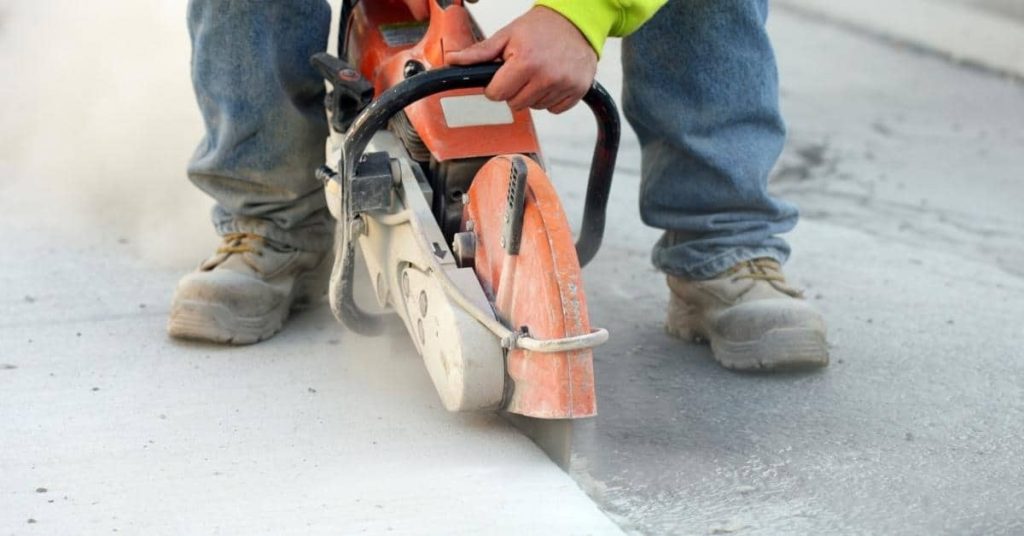
Person cutting concrete with orange power saw and protective boots

Cutting concrete block units: dust control tips and fastest methods for clean ends

Introduction Cutting concrete block units involves trimming and finishing blocks with a focus on dust control and clean ends. This introduction provides practical, hands-on guidance for selecting tools and following safe, efficient techniques. You’ll learn dust control steps, proper cutting methods, and the safety gear that helps you work cleanly. From saws and masonry bits

Cutting concrete block units: dust control tips and fastest methods for clean ends Read More »

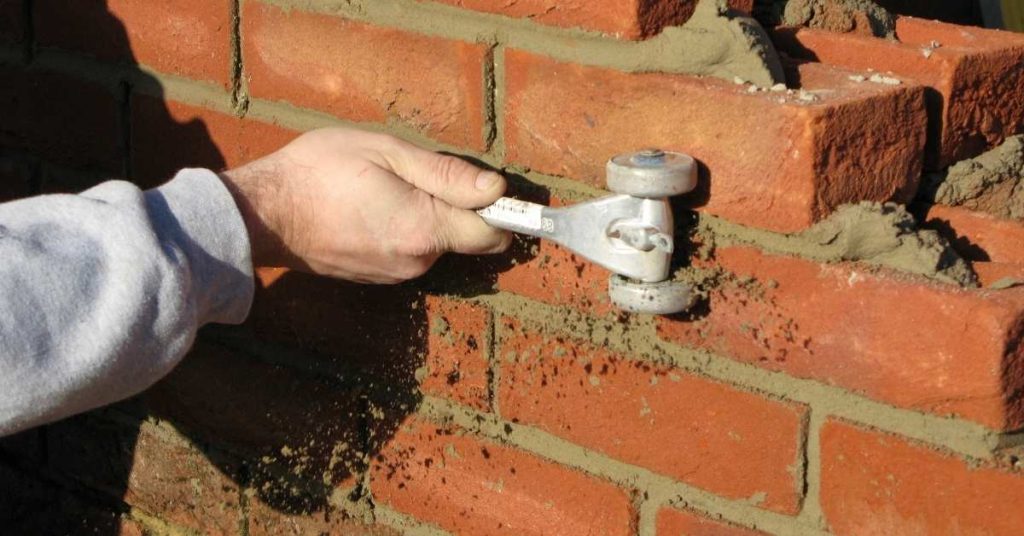
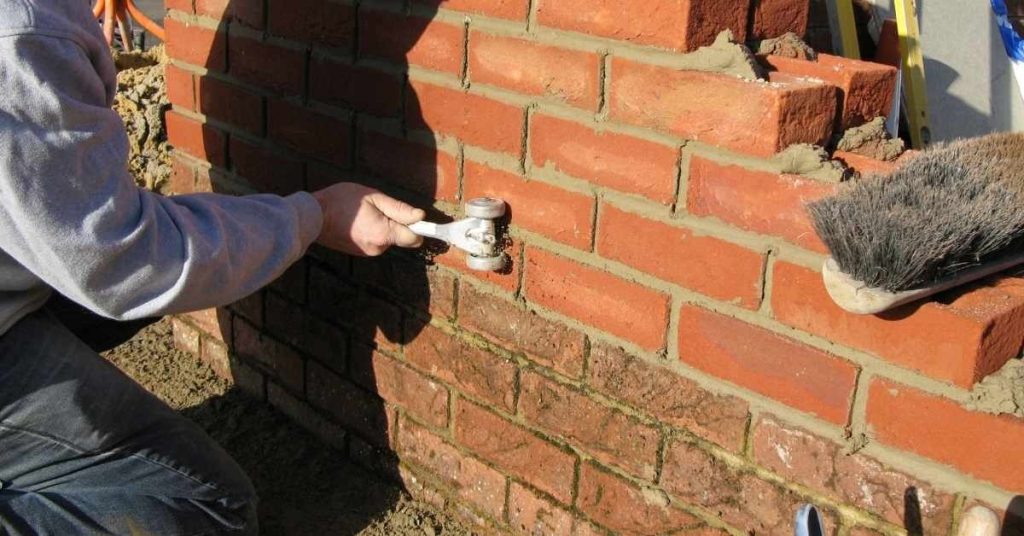
Hand using roller tool on fresh mortar between red bricks

Brick expansion joints: where they belong and how to reseal them

Introduction Brick expansion joints are gaps that allow movement between sections of brickwork as structures expand and contract. They help prevent cracking and mortar damage by accommodating seasonal and load changes. Identifying where these joints exist and how they should be resealed is a hands-on maintenance task rather than a cosmetic repair. Look for irregular

Brick expansion joints: where they belong and how to reseal them Read More »

Man in red shirt working with toolbox and electric drill by pool

Brick walkway weeds: jointing options and maintenance that doesn’t erode sand

Introduction Brick walkway weeds occur when the joints between bricks are open enough for weed seeds to take root. This article looks at options to fill those joints and keep the sand in place without eroding. It’s written as a practical, hands-on guide you can use on a DIY project. Jointing sand options range from

Brick walkway weeds: jointing options and maintenance that doesn’t erode sand Read More »

Person using roller tool on brick wall joints

Freeze-thaw on brick patios: bedding, drainage, and joint fill that survives

Introduction Freeze-thaw on brick patios is how water trapped in bedding, joints, and brick itself can thaw and refreeze, driving cracking and loosening. This article explains practical signs and approaches for bedding, drainage, and joint fill that can survive freeze-thaw cycles. It is written in a hands-on, plain-language style to help you plan and execute

Freeze-thaw on brick patios: bedding, drainage, and joint fill that survives Read More »

close-up of weathered red brick wall with mortar joints

Raking out brick joints safely: depth targets and avoiding chipped arrises

Introduction Raking out brick joints safely means removing deteriorated mortar from between bricks to a controlled depth while protecting the surrounding masonry. This hands-on task requires the right tools and steady technique to avoid damaging arrises. A sensible approach focuses on safe depth targets and careful removal to prevent chipping. Choose appropriate tools designed for

Raking out brick joints safely: depth targets and avoiding chipped arrises Read More »

Wooden boathouse on stilts over calm water at dusk

Choosing brick joint profiles: concave, flush, struck—how each sheds water

Introduction Brick joint profiles are the shapes formed where bricks meet mortar, influencing water shedding from a wall. Understand how each profile behaves in wet conditions to make an informed choice based on your climate and maintenance routine. Concave joints: Shed water along the mortar surface. Flush joints: Sit flat, providing a smooth finish but

Choosing brick joint profiles: concave, flush, struck—how each sheds water Read More »

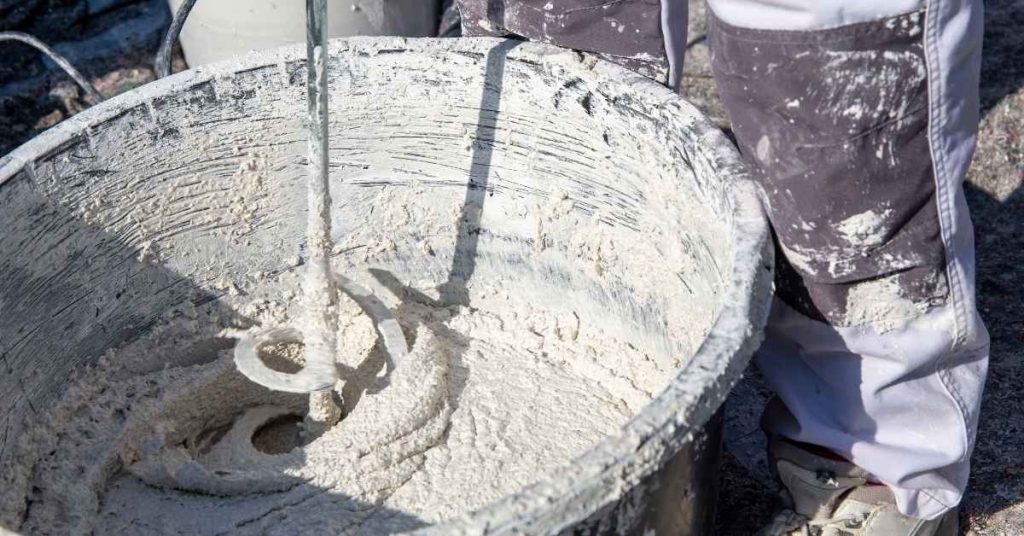
Close-up of plaster being mixed in a large bucket with a drill mixer

Mixing small plaster batches: setting time control without weakening the finish

Introduction Setting time control for small plaster batches means managing how fast plaster hardens without compromising surface quality. Keep an eye on temperature and humidity, since they influence cure speed and finish. Use small, workable batches and follow the manufacturer’s guidance for mixing and setting, then adjust for environmental conditions in your space. If you

Mixing small plaster batches: setting time control without weakening the finish Read More »

Person holding plaster mold over orange mold container on table

Mold on plaster surfaces: safe cleanup, moisture control, and repaint system choices

Introduction Mold on plaster surfaces is mold growth that appears where moisture is present. Look for discolored patches, texture changes, and a musty smell. This article covers safe cleanup, moisture control, and repaint options. Health effects of mold exposure can vary and may be more serious for some people. Follow safe cleanup practices, wear protection,

Mold on plaster surfaces: safe cleanup, moisture control, and repaint system choices Read More »

Gloved hand holding power tool against stucco joint

Sealant failure at stucco joints: choosing the right sealant type and tooling shape

Introduction Sealant failure at stucco joints means the sealant loses adhesion, cracks, or pulls away, allowing water intrusion. Choosing the right sealant involves matching the substrate and climate, and confirming compatibility with stucco. Think of the job as preparing the joint, selecting a compatible sealant, and planning proper tooling. Selecting the right tool shapes helps

Sealant failure at stucco joints: choosing the right sealant type and tooling shape Read More »