Search Results for: control joint

Making Your Own Control Joint Tool from Scrap Steel

Making Your Own Control Joint Tool from Scrap Steel

Table of Contents What is a Control Joint Tool and Why Make One from Scrap Steel Concrete Joint Standards and Design Requirements Materials — Choosing the Right Scrap Steel Tools, Consumables, and Safety Gear Needed Design Options and Templates (Fixed vs Adjustable) Step-by-Step Fabrication: Cutting and Shaping Parts Assembly and Welding Best Practices Heat Treatment, […]

Making Your Own Control Joint Tool from Scrap Steel Read More »
Mid-Wall Control Joints on Stucco: Layout and Spacing Basics

Mid-Wall Control Joints on Stucco: Layout and Spacing Basics

Table of Contents Introduction Introduction to Mid-Wall Control Joints The Journey of Stucco and Control Joints: From Past to Present Understanding Stucco and Its Properties Mastering the Complexity of Installing Mid-Wall Control Joints Guidelines for Layout and Spacing of Control Joints Installation Techniques for Control Joints Choosing the Right Materials for Your Stucco Control Joints

Mid-Wall Control Joints on Stucco: Layout and Spacing Basics Read More »

Control Joints vs Expansion Joints: An Informative Guide

Control Joints vs Expansion Joints: An Informative Guide

Table of Contents Introduction Understanding Control Joints and Expansion Joints Common Challenges and Misconceptions Practical Solutions and Best Practices Evaluating the Effectiveness and Impact Conclusion FAQ Introduction In construction, knowing the roles of control joints and expansion joints is key to keeping structures strong and lasting. These components help manage the natural movements of building

Control Joints vs Expansion Joints: An Informative Guide Read More »

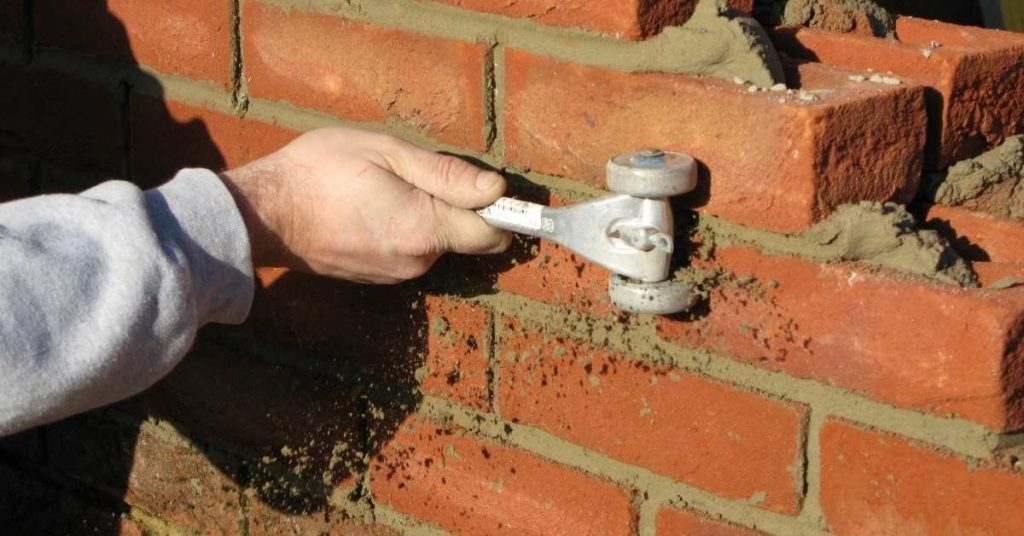
Hand using brick joint roller on fresh mortar joints

Brick Repointing Without Drool Lines: Vertical Joint Control Tricks

Introduction Brick repointing is the process of renewing the mortar between bricks to restore strength and look. This article focuses on doing it without leaving drool lines or smeared mortar, especially along vertical joints. We’ll talk through practical steps you can do on a DIY basis with common tools. Control vertical joints by tooling and

Brick Repointing Without Drool Lines: Vertical Joint Control Tricks Read More »

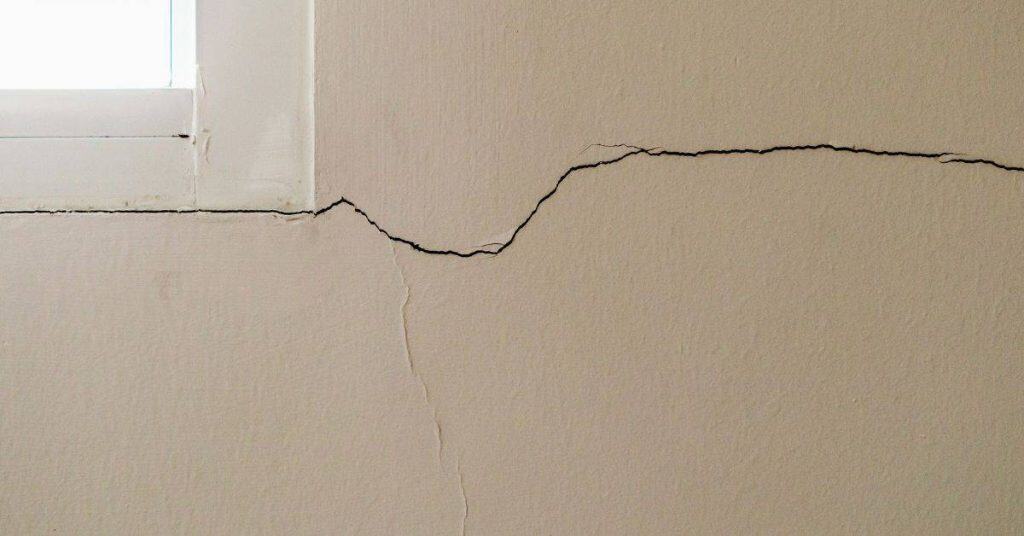
Wall with a long crack near a window frame

Plaster Cracks That Keep Coming Back: Movement Checks, Mesh Options, and Control-Joint Alternatives

Introduction Plaster cracks that keep coming back are usually signs of ongoing movement—either structural, thermal, or moisture-related—rather than a one-off surface failure. In plain terms: fix the movement first, then choose a flexible joint compound or mesh to bridge how much movement you expect and follow the product label for prep and cure times. Check

Plaster Cracks That Keep Coming Back: Movement Checks, Mesh Options, and Control-Joint Alternatives Read More »

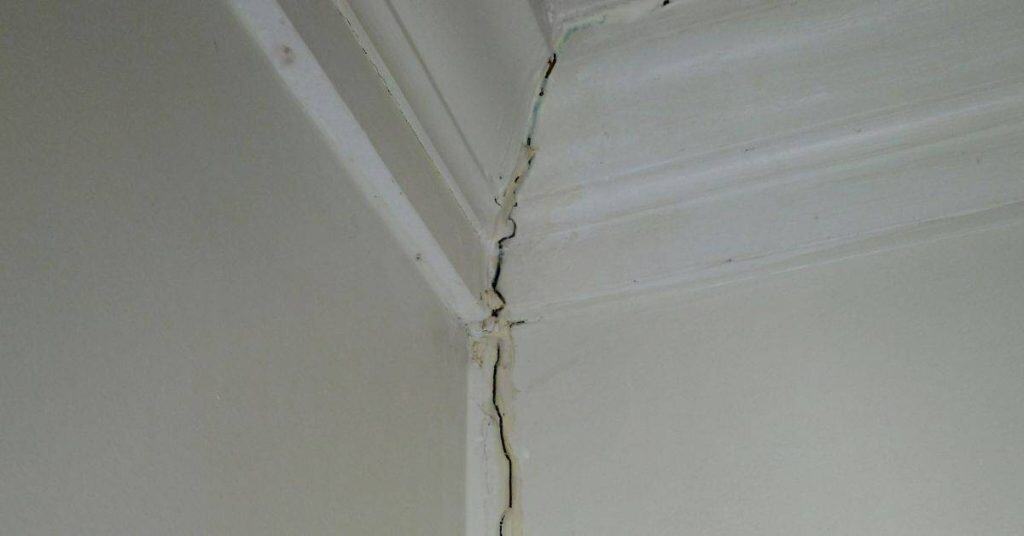
Repairing Plaster at Wall-to-Ceiling Corners: Controlling Re-Cracks at the Joint

Repairing Plaster at Wall-to-Ceiling Corners: Controlling Re-Cracks at the Joint

Introduction Repairing plaster at wall-to-ceiling corners helps stop re-cracking at the joint. The guide explains common causes of corner cracks and why proper technique matters for a durable finish. You’ll learn practical steps, tips for prep and finish, and rules of thumb to keep corners stable over time. Key takeaways Inspect crack width and moisture

Repairing Plaster at Wall-to-Ceiling Corners: Controlling Re-Cracks at the Joint Read More »

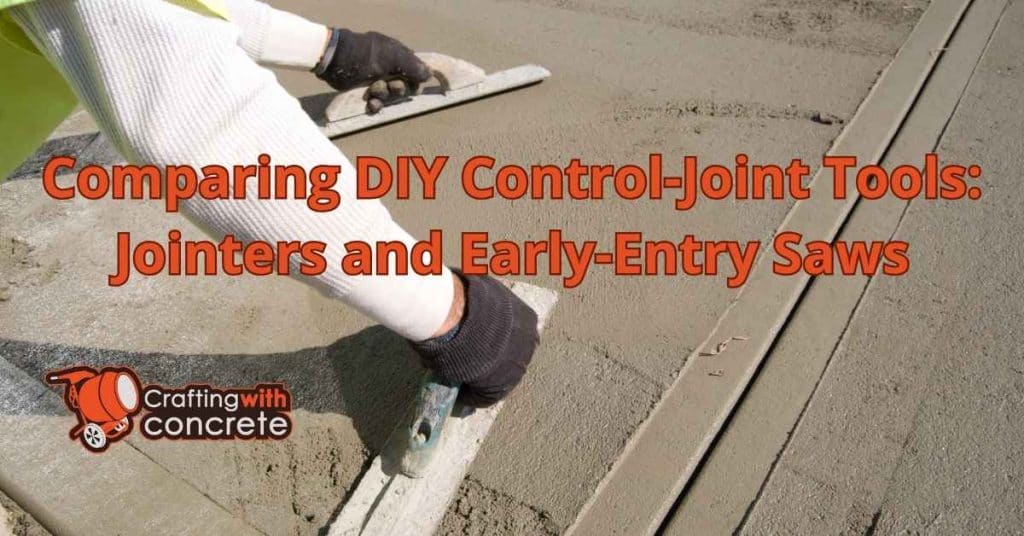
Comparing DIY Control-Joint Tools Jointers and Early-Entry Saws

Comparing DIY Control-Joint Tools: Jointers and Early-Entry Saws

Table of Contents Key Takeaways Introduction Criteria for Evaluation Overview of Jointers Details on Early-Entry Saws Comparative Analysis of Features Situations Favoring Jointers or Saws Common Questions About Control-Joint Tools Conclusion FAQ Key Takeaways Material Compatibility: Choose tools that match your concrete mix; jointers are best for fresh concrete, while early-entry saws work well in

Comparing DIY Control-Joint Tools: Jointers and Early-Entry Saws Read More »

Various hand tools laid out on a concrete surface

Jobsite water control on concrete and masonry projects: hoses, sprayers, and ways to keep cleanup sane

Introduction Jobsite water control on concrete and masonry projects means managing hoses, sprayers, and cleanup to keep the work area clean and safe. Plan how you will rinse tools, wash down dust, and drain or divert water so it stays where you want it. Keep a simple setup in mind for when you pause work

Jobsite water control on concrete and masonry projects: hoses, sprayers, and ways to keep cleanup sane Read More »

Man wearing a tool belt and carrying tool bag and case

Tool belt setup for trowel work on plaster and stucco: carrying hawk, trowel, and jointers without dropping everything

Introduction A proper tool belt setup keeps your hawk, trowel, and jointers secure and hands free for plaster and stucco work. Choose a belt with pockets and holsters that place the heaviest items close to your center of gravity. Position the hawk handle, trowel blade, and jointer handles in dedicated spots to reduce crossing and

Tool belt setup for trowel work on plaster and stucco: carrying hawk, trowel, and jointers without dropping everything Read More »

closeup of concrete floor polishing machine on floor

Angle grinder dust control on concrete and masonry: shrouds, vac sizing, and why airflow matters

Introduction Angle grinder dust control on concrete and masonry means using a shroud and vacuum system to capture dust at the source during cutting and grinding. Controlling dust protects lungs, keeps the work area safer, and helps the job go smoother by reducing cleanup and exposure. Airflow matters because proper capture depends on a good

Angle grinder dust control on concrete and masonry: shrouds, vac sizing, and why airflow matters Read More »