Search Results for: control joint

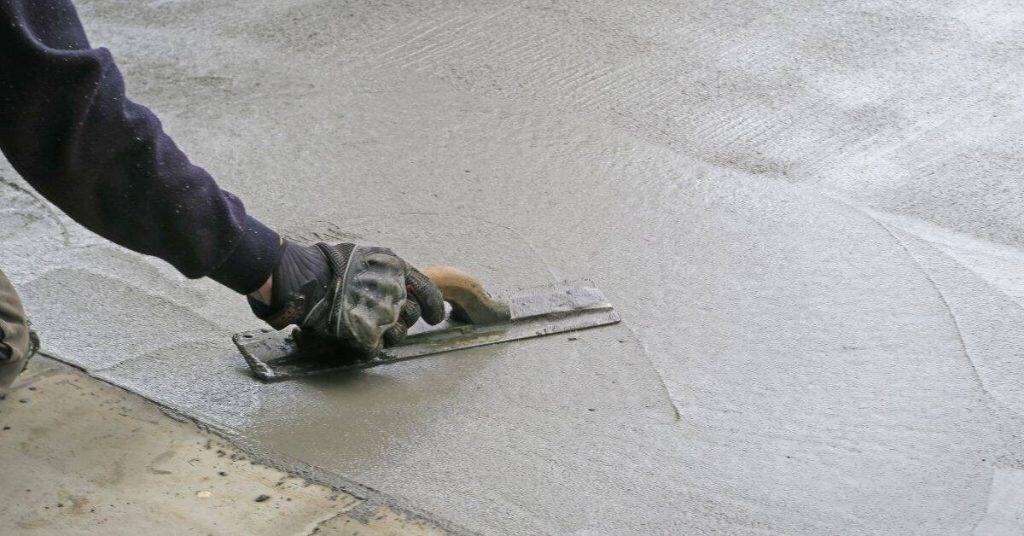
Concrete finishing tool smoothing joint line in wet concrete

Concrete Joint Failures Explained: What Goes Wrong When Control Joints Are Missing, Too Shallow, or Cut Too Late

Introduction Concrete joint failures happen when control joints are missing, too shallow, or cut too late, allowing random cracking and edge spalling instead of directing where the slab will split. In plain jobsite terms: if you don’t plan joint locations, don’t cut them deep enough, or wait too long, the slab will crack where it […]

Concrete Joint Failures Explained: What Goes Wrong When Control Joints Are Missing, Too Shallow, or Cut Too Late Read More »

Four concrete test slabs with markings on reddish ground

Isolation Joints vs Control Joints: Where Each Belongs on DIY Slabs

Introduction Isolation joints separate a slab from vertical or fixed elements, while control joints are intentional shallow cuts that encourage where a slab cracks; put simply, isolation keeps things apart and control tells concrete where to crack. These are different tools for the same problem of movement and cracking, and you choose based on what

Isolation Joints vs Control Joints: Where Each Belongs on DIY Slabs Read More »

Sealant being applied to joint between grey concrete panels

Repairing Broken Control Joints: Clean-Out, Backer Rod, and Sealant Steps

Introduction Repairing broken control joints means fixing the gap between concrete slabs so movement and moisture are controlled. The job involves cleaning out the old material, installing backer rod, and applying fresh sealant. Do it in stages and follow safety and surface prep steps. Start by removing loose debris from the joint so the new

Repairing Broken Control Joints: Clean-Out, Backer Rod, and Sealant Steps Read More »

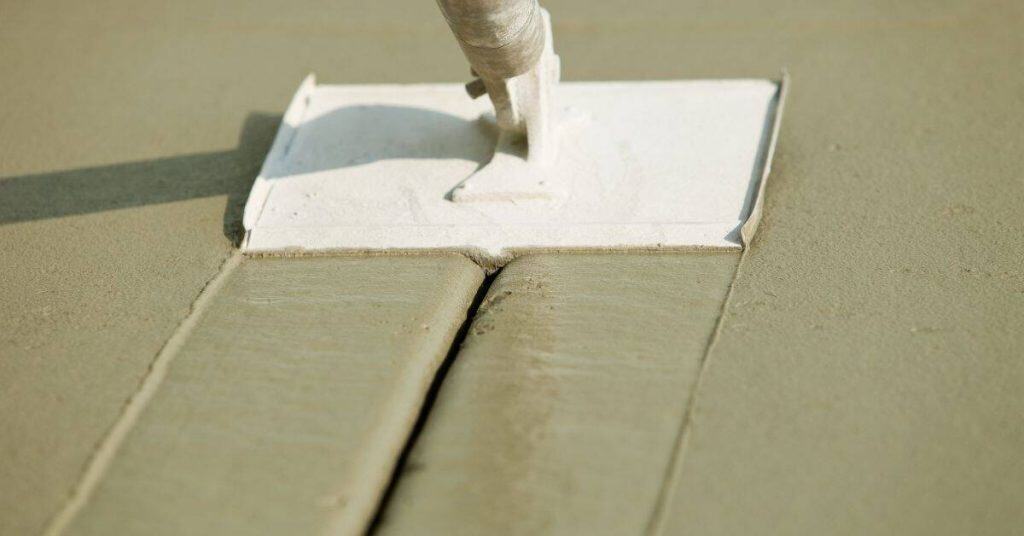
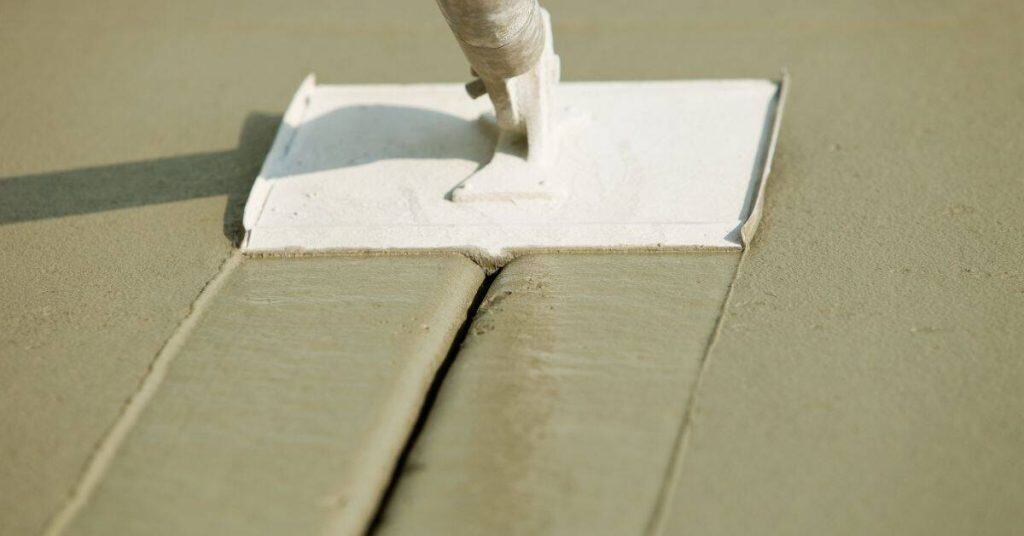
Tool smoothing control joint in wet concrete slab

Control Joint Spacing: Practical Layout Rules That Reduce Random Cracks

Introduction Control joints are planned cuts in concrete to control where cracks will form. Timing matters for saw cutting; cut while the concrete has cured enough to groove, but before random cracking starts. Plan spacing and layout based on the panel sizes you’re using and how the slab will be loaded throughout its life. Strategic

Control Joint Spacing: Practical Layout Rules That Reduce Random Cracks Read More »

Workers applying fresh stucco to exterior wall

How to Add a Control Joint to Existing Stucco (Is It Possible?)

Introduction Yes, you can add a control joint to existing stucco by creating a defined break and backing it with proper trim to control cracking. Key takeaways Assess stucco condition and substrate integrity before planning any control joint. Identify joint type (pre-molded, formed, or saw-cut) suitable for existing stucco. Gather tools: chisel, grinder with diamond

How to Add a Control Joint to Existing Stucco (Is It Possible?) Read More »

Closeup of red brick wall with visible mortar joints

Stucco Control Joints: Where They Go and Why They Prevent Cracks

Introduction Control joints are intentional breaks in stucco that give the wall somewhere to move, helping to prevent random cracks. They exist to manage movement from framing, temperature, and moisture rather than to hide cracks after they form. Always check manufacturer guidance and local rules for how wide, where to place, and how to install

Stucco Control Joints: Where They Go and Why They Prevent Cracks Read More »

Smooth concrete slab with visible control joint lines

How to Layout Control Joints for a Patio, Driveway, and Garage Slab

Introduction Control joints are intentional gaps placed in a concrete slab to control where it cracks. When laying out a patio, driveway, or garage slab, plan the joints to create a clean, predictable pattern that follows the overall shape. Check local rules and the product instructions for allowable spacing and methods before you start. Decide

How to Layout Control Joints for a Patio, Driveway, and Garage Slab Read More »

Concrete surface being grooved with a hand tool

Control Joints Vs Expansion Joints in Concrete: Placement, Spacing, and Timing

Introduction Control joints are deliberate grooves that control where cracks form, while expansion joints separate slabs to accommodate movement. In practice, placement is planned during finishing to guide cracking, and timing depends on how the concrete cures and hardens. Always check manufacturer instructions and local rules for any specific requirements. Spacing and type depend on

Control Joints Vs Expansion Joints in Concrete: Placement, Spacing, and Timing Read More »

Sealing Control Joints: Backer Rod + Sealant Basics for Outdoor Slabs

Sealing Control Joints: Backer Rod + Sealant Basics for Outdoor Slabs

Introduction Backer rod and sealant basics are essential for sealing control joints in outdoor slabs. You’ll learn practical tips on joint prep, material selection, and sealant application that help prevent leaks and cracking. Key takeaways Proper backer rod fills space, prevents sealant sag and reduces adhesion issues. Clean joints thoroughly before sealing; remove dust, oils,

Sealing Control Joints: Backer Rod + Sealant Basics for Outdoor Slabs Read More »