Search Results for: control joint

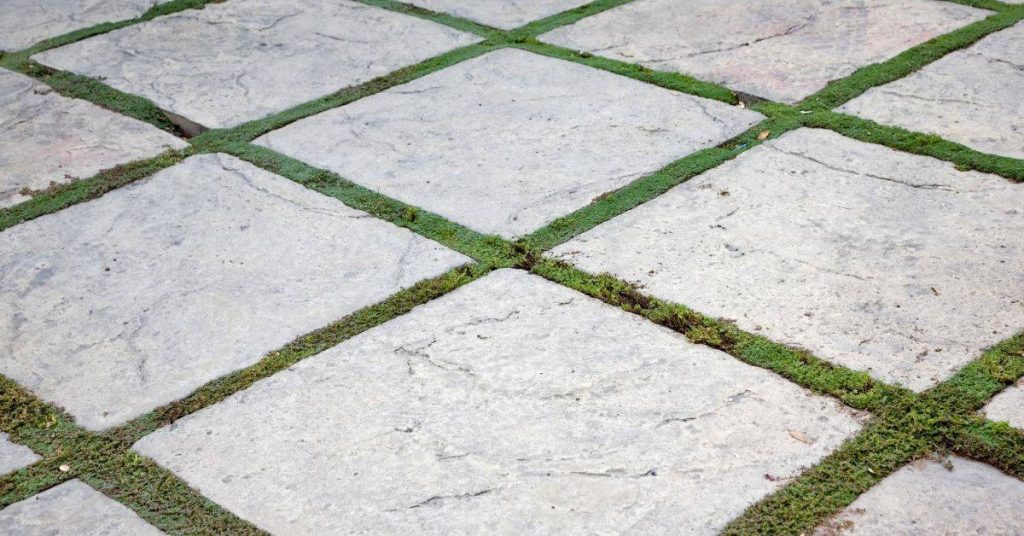
Gray square stone pavers with green moss-filled joints

How to Hide Control Joints Visually: Layout Tricks That Look Intentional

Introduction Control joints are planned gaps in concrete that you hide with layout tricks to look intentional. This article covers simple, hands-on steps you can follow on your own slab without fancy equipment. Think lines, patterns, and edges that camouflage joints while staying within manufacturer instructions and local rules. Start by choosing a location that […]

How to Hide Control Joints Visually: Layout Tricks That Look Intentional Read More »
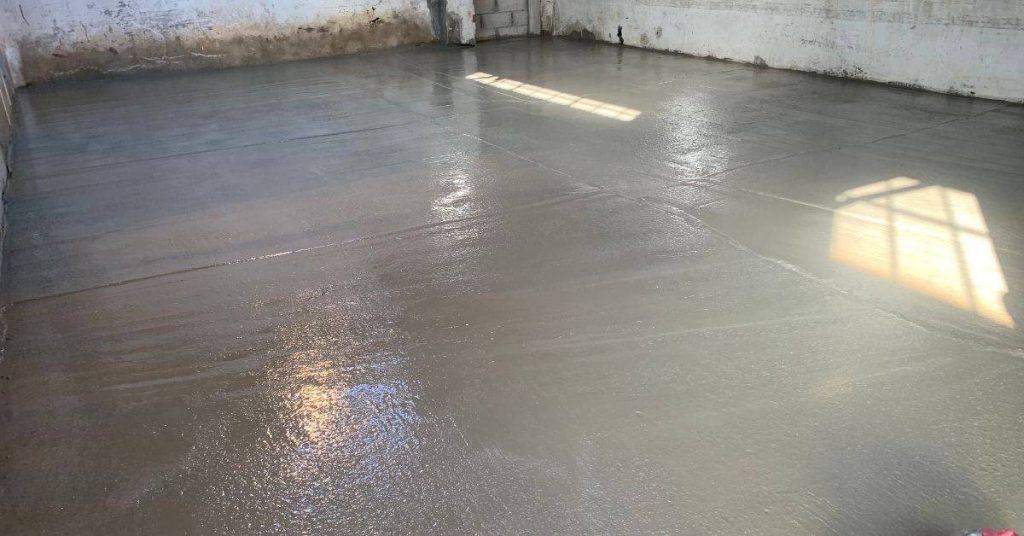
Freshly poured concrete floor inside a building

How to Cut Control Joints in Small Slabs Without a Saw: Groovers, Guides, and Timing

Introduction Control joints are deliberate grooves in concrete that guide where cracks will form as the slab cures. They help prevent random cracking and keep surfaces looking straight. For small slabs, you can create them without a saw by using groovers, guides, and proper timing. Timing matters: cut or groove the slab after the concrete

How to Cut Control Joints in Small Slabs Without a Saw: Groovers, Guides, and Timing Read More »

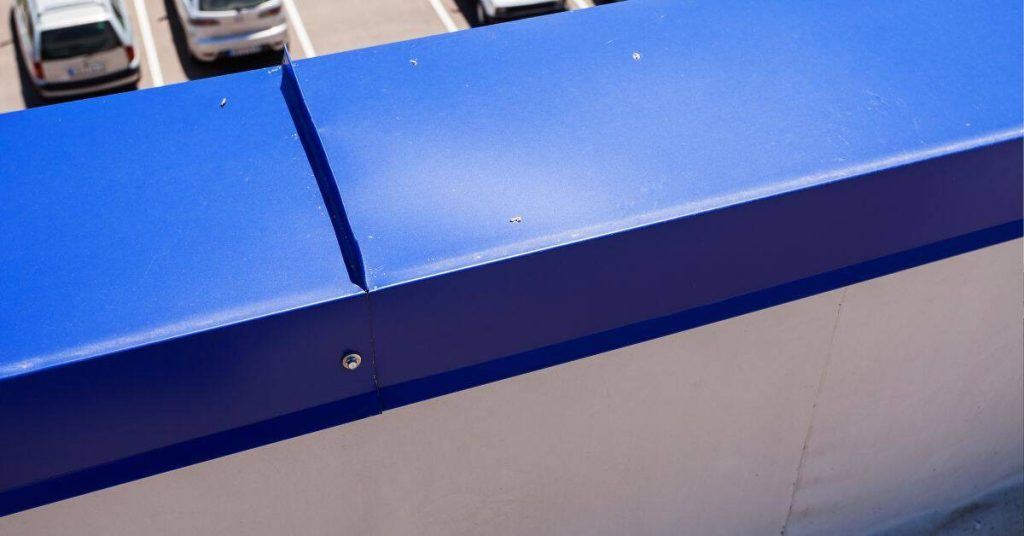
Blue metal coping joint on white concrete wall outdoors

Control Joint Layout for L-Shaped Patios: Re-Entrant Corners and Crack Steering

Introduction Control joints in an L-shaped patio are deliberate gaps that guide where cracks will form in the concrete. This layout helps manage the re-entrant corners and crack patterns so the surface lasts longer. For DIY work, plan joints along straight lines and around corners, but always check local guidelines and product instructions for appropriate

Control Joint Layout for L-Shaped Patios: Re-Entrant Corners and Crack Steering Read More »

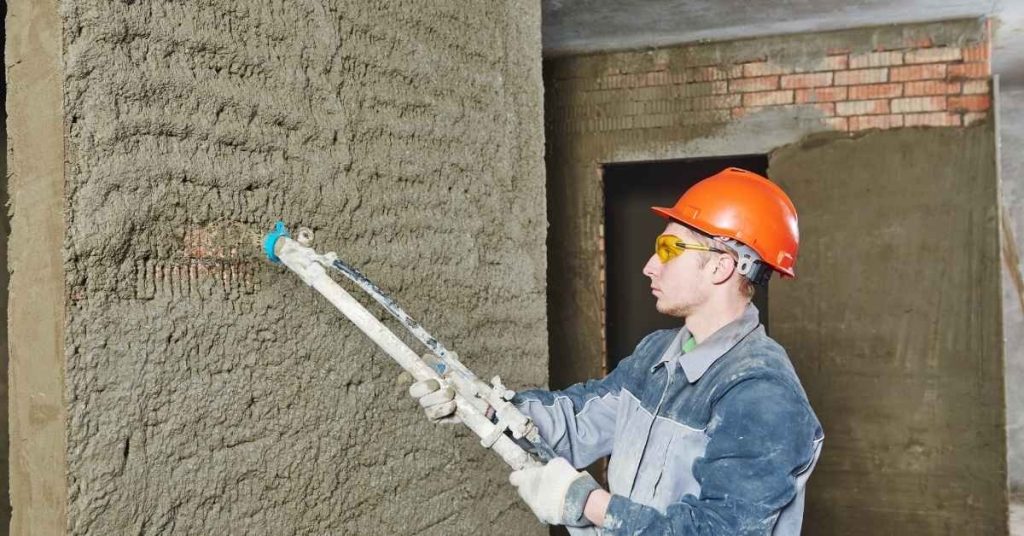
Worker spraying stucco onto brick wall indoors

Stucco Control Joint Placement Around Large Walls: Avoiding Random ‘Map Cracking’ Patterns

Introduction Control joints are planned gaps in stucco that help prevent random map cracking on large walls. Place them at regular intervals and where the wall planes change. Check manufacturer instructions and local rules for spacing and placement guidance. This is a hands-on task you can plan during framing and stucco work. Mark the joints

Stucco Control Joint Placement Around Large Walls: Avoiding Random ‘Map Cracking’ Patterns Read More »

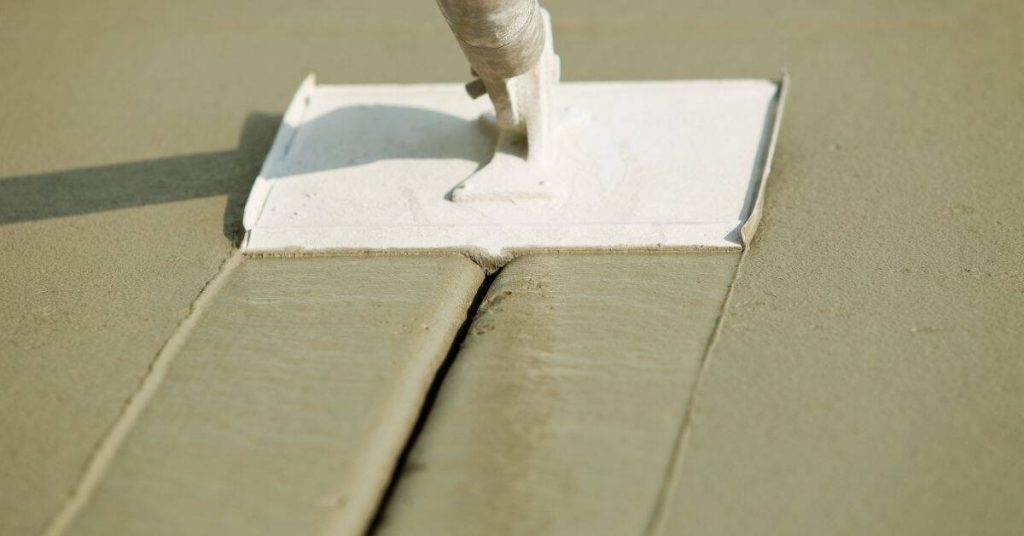
Hand using float tool on concrete control joint edge

Rebuilding Control Joint Edges After Raveling: Saw-Cut Cleanup, Primers, and Edge Forms

Introduction Rebuilding control joint edges after raveling is the process of renewing the exposed edge of a control joint that has deteriorated. This DIY repair focuses on cleaning, restoring shape, and preparing the edge for bonding or resurfacing. Keep the goal to create a clean, straight edge ready for primers and forms. You’ll need basic

Rebuilding Control Joint Edges After Raveling: Saw-Cut Cleanup, Primers, and Edge Forms Read More »

close up of red brick wall mortar joints

Sealing Control Joints for Radon: Where to Seal, What Lasts, and When Not To

Introduction Sealing control joints is a practical step to reduce radon entry by closing gaps in masonry where joints exist. Before you seal, clean and dry the joint, choose a sealer compatible with masonry, and follow the product’s instructions for temperature, cure time, and re-entry. If in doubt, check local rules and consult the product

Sealing Control Joints for Radon: Where to Seal, What Lasts, and When Not To Read More »

curved stamped concrete patio next to garden bed

Cutting Control Joints in Stamped Concrete: Timing, Blade Choice, and Avoiding Ragged Edges

Introduction Cutting control joints in stamped concrete is about planning when to cut, choosing the right blade, and making clean edges to prevent cracks. Get your timing right by planning ahead before you stamp, so the concrete has the strength needed when joints are cut. Always check manufacturer instructions and local rules for any timing

Cutting Control Joints in Stamped Concrete: Timing, Blade Choice, and Avoiding Ragged Edges Read More »

Construction worker cutting joint in brick wall with a hand saw

How Deep to Saw Control Joints: Depth rules that reduce random cracking

Introduction Control joints should be cut to relieve concrete stress and reduce random cracking. They are planned gaps that let the slab crack in a controlled way rather than at random spots. Depth matters, and you should follow guidance from the product labels or manufacturer instructions and local rules. There are different ways to make

How Deep to Saw Control Joints: Depth rules that reduce random cracking Read More »

Concrete slab being smoothed with a long-handled float

Control Joints That Look Bad: Making sawcuts straighter and less noticeable

Introduction Control joints that look bad are joints in concrete that are crooked or wavy and draw the eye. They’re not meeting the surface cleanly, and that makes the floor look unfinished. A straight, neat sawcut can dramatically improve the overall look with less crowding around the joints. Your best bet is to use proper

Control Joints That Look Bad: Making sawcuts straighter and less noticeable Read More »