Search Results for: control joint

Best Sealant Joint Detail at Windows: Where to Caulk and Where *not* to

Best Sealant Joint Detail at Windows: Where to Caulk and Where *Not* to

Introduction The best sealant detail for windows is to caulk only the joints that require a flexible, sealed connection and to leave other joints unsealed where drainage or ventilation is needed. You’ll learn how to decide where to apply caulk, what kinds of sealants to consider, and how to prep and apply for a durable

Best Sealant Joint Detail at Windows: Where to Caulk and Where *Not* to Read More »

Joint Filler Options for Garage Slabs: Rigid Vs Semi-Rigid Explained Simply

Joint Filler Options for Garage Slabs: Rigid Vs Semi-Rigid Explained Simply

Introduction Rigid and semi-rigid joint fillers are the main options for garage slabs, with different movement tolerances and durability. This article explains how to tell which is best for your slab and walks you through practical considerations, installation tips, and real-world examples. You’ll learn how to assess slab movement, select materials, and apply simple rules

Joint Filler Options for Garage Slabs: Rigid Vs Semi-Rigid Explained Simply Read More »

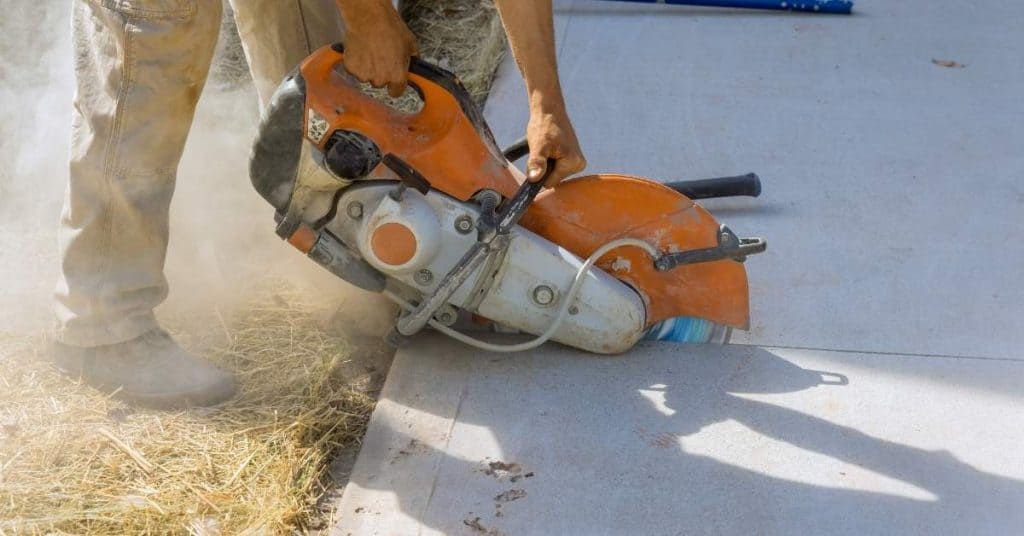
Worker using a concrete saw to cut a line in the driveway.

Tooled Joints Vs Sawed Joints: What to Choose on Small Patios and Walks

Introduction For small patios and walks, tooled joints generally provide tighter seams and greater durability than sawed joints. You’ll learn how to weigh appearance, maintenance, and installation considerations, and the guide walks you through practical tips for choosing and applying the method. Key takeaways Tooled joints resist uplift on mortar-less patios but require consistent jointing

Tooled Joints Vs Sawed Joints: What to Choose on Small Patios and Walks Read More »

Concrete Isolation Joint: Materials, Steps, and Mistakes to Avoid

Concrete Isolation Joint: Step-by-Step Timeline and Duration Guide

Introduction The installation of a concrete isolation joint is a critical step in ensuring the longevity and structural integrity of your concrete slab. However, understanding the timeline and duration involved can help you plan effectively and avoid common pitfalls. This guide will walk you through the entire process, breaking down each stage with clear timelines

Concrete Isolation Joint: Step-by-Step Timeline and Duration Guide Read More »

Close-up of rough concrete slab surface with imperfections

Concrete Cold Joint Repair: How to Prep and Bond a “next Day” Pour Line

Introduction Learn how to prep and bond a next-day concrete pour to repair a cold joint. This guide walks through practical surface prep, bonding methods, and timing so you can create a strong, durable joint. You’ll gain actionable, plain-language steps and tips you can apply on real job sites. Key takeaways Identify cold joints by

Concrete Cold Joint Repair: How to Prep and Bond a “next Day” Pour Line Read More »

Keyways Vs Dowels: Which Joint Detail Helps More for Small Residential Pours

Keyways Vs Dowels: Which Joint Detail Helps More for Small Residential Pours

Introduction Keyways generally provide more shear resistance and better alignment control than dowels for small residential pours. This guide walks through how to choose between them, what factors to consider in your project, and practical steps for planning, placement, and inspection to help you achieve a solid, durable joint. Key takeaways Keyways resist lateral shear

Keyways Vs Dowels: Which Joint Detail Helps More for Small Residential Pours Read More »

Expansion/Movement Joints: Where to Leave Gaps and How to Finish Them Cleanly

Expansion/Movement Joints: Where to Leave Gaps and How to Finish Them Cleanly

Introduction Leave proper gaps at expansion and movement joints to accommodate building movement and prevent cracking. This introduction explains how to choose appropriate gap sizes, where joints belong, and how to finish them cleanly with durable sealants and proper detailing. You’ll learn practical tips, common mistakes to avoid, and a straightforward approach to creating joints

Expansion/Movement Joints: Where to Leave Gaps and How to Finish Them Cleanly Read More »

The Surprising Role of Hidden Stucco Expansion Joints in Crack Prevention

The Surprising Role of Hidden Stucco Expansion Joints in Crack Prevention

Introduction Hidden stucco expansion joints help prevent cracking by allowing movement and isolating stresses. In this guide, you’ll learn how these joints work, why they matter for durability, and practical considerations to apply during installation or repair. The article walks through practical steps, common pitfalls, and rules of thumb to improve long-term performance. Back to

The Surprising Role of Hidden Stucco Expansion Joints in Crack Prevention Read More »

Using Polymer Sand Vs. Mortar in Wide Paver Joints on Concrete

Using Polymer Sand Vs. Mortar in Wide Paver Joints on Concrete

Table of Contents Quick comparison: polymeric sand vs mortar (summary) Suitable joint widths and depths for each material Prep steps for existing pavers on concrete Application process for polymeric sand (detailed how‑to) Application process for mortar (detailed how‑to) Drainage, substrate and edge restraint considerations Durability, flexibility, and lifecycle performance Cost, time and labor comparison (initial

Using Polymer Sand Vs. Mortar in Wide Paver Joints on Concrete Read More »