Search Results for: control joint

Person sanding drywall with power sander

Paint Sheen Flashing on Drywall: Controlling Porosity Before Finish Coats

Introduction Paint sheen flashing on drywall is the uneven absorbency you see when the wall soaks in primer or finish at different rates. It’s caused by porosity differences in the surface that show up as uneven sheen after the first coat. To address it, look for high-porosity spots and use a compatible primer to even […]

Paint Sheen Flashing on Drywall: Controlling Porosity Before Finish Coats Read More »

Person applying joint compound near a window on drywall

Drywall Finishing with Setting-Type Joint Compound — When to Use It + Best-Result Tips

Introduction Setting-type joint compound is a hardening drywall mud that cures chemically, not by drying. Use it when you want faster setup, fewer shrinkage cracks, or joints that move a bit. Check the product label for working time, cure expectations, and surface prep requirements. Apply in thin coats and embed paper or mesh tape, then

Drywall Finishing with Setting-Type Joint Compound — When to Use It + Best-Result Tips Read More »

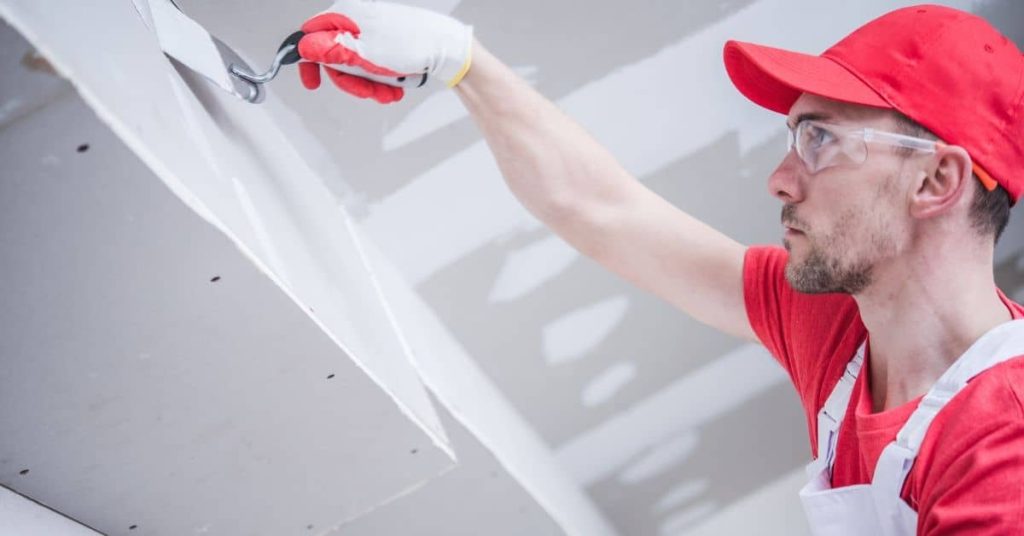
Worker applying joint compound to drywall ceiling seam

What Is Joint Compound, and How Do You Choose the Right One? — Basics + Pro Tips

Introduction Joint compound is a gypsum-based finishing material used to coat, fill, and smooth drywall joints. It’s spread over seams and screws, then sanded for a seamless finish. Choosing the right one depends on the job and your working conditions. Common types include all-purpose, lightweight, and paper tape joint compounds, each with its own feel

What Is Joint Compound, and How Do You Choose the Right One? — Basics + Pro Tips Read More »

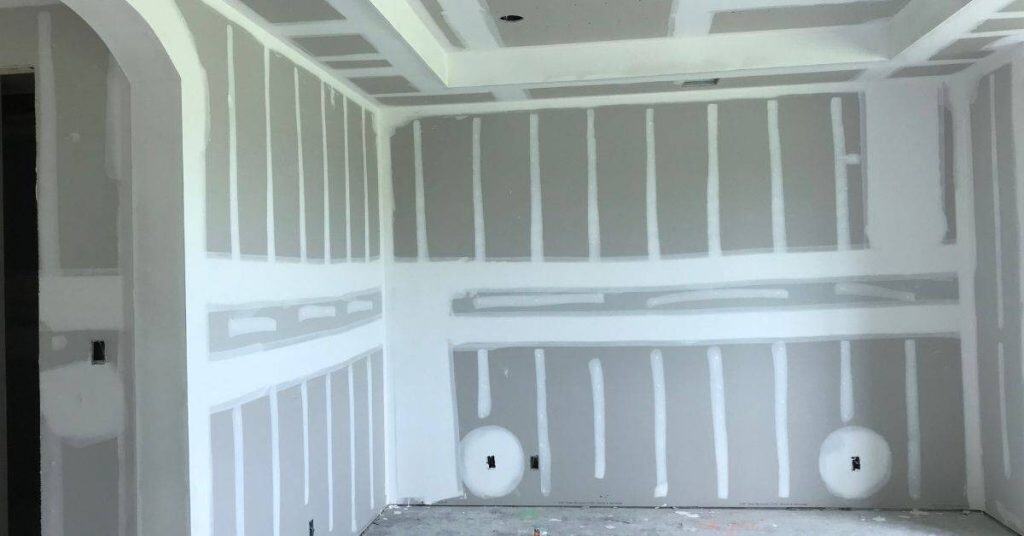
Unfinished room with drywall and joint compound applied on seams

Plaster Vs Joint Compound: Which Material Belongs in Which Repair

Introduction Plaster is a cement-based finish applied in a thick coat that hardens into a solid surface. Joint compound is a gypsum-based filler designed for walls and seams. For repairs, choose plaster on traditional, solid surfaces and use joint compound for drywall patches and quick fixes. In practice, match the material to the repair and

Plaster Vs Joint Compound: Which Material Belongs in Which Repair Read More »

Close-up of rough white plaster wall texture

Plaster Dust Control: Small-Job Timeline for Efficient Cleanup

Introduction The timeline of your plaster dust control strategy is crucial to keep cleanup manageable and ensure a successful project. Understanding the duration of each step helps you plan effectively, allocate resources, and maintain a clean work environment. From setting up containment to final cleanup, this guide walks you through the small-job timeline, helping you

Plaster Dust Control: Small-Job Timeline for Efficient Cleanup Read More »

Hand applying plaster smoothly on wall with trowel

Preventing Future Cracks: Adding Movement Control Where Plaster Meets Different Materials

Introduction Movement control at plaster interfaces is the planned allowance for expansion and contraction where plaster meets wood, drywall, or masonry. Cracks often form when the different materials move differently over time, so knowing where to place joints helps. Using proper joints and careful bedded seams can keep transitions stable as conditions change. To manage

Preventing Future Cracks: Adding Movement Control Where Plaster Meets Different Materials Read More »

Hands wearing gloves mixing colored pigments in plastic cups

Working Time Control: Small-Batch Mixing – A Step-by-Step Timeline to Avoid Overworking It

Introduction Time management is crucial when working with concrete, especially for large projects. Overworking the mix can lead to poor results and wasted materials. This guide walks you through a step-by-step timeline to help you control working time effectively. By understanding how long each stage takes, you’ll be able to plan your work efficiently, avoid

Working Time Control: Small-Batch Mixing – A Step-by-Step Timeline to Avoid Overworking It Read More »